Navigating 10 Incredible Fossil Hunting Locations Around the World
By Navigating fossil hunting locations, collectors Navigating not only increase their chances of finding fossils but also learn about geology, sedimentary formations, fossil preservation, and responsible collecting practices. Every location tells a different chapter of Earth’s history and demonstrates how changing environments influenced the evolution of life.
In this guide, we’ll explore ten incredible fossil hunting locations that have become famous for their exceptional fossil discoveries and educational importance.
1. Fossil Hunting Navigating Locations: Peace River, Florida, USA
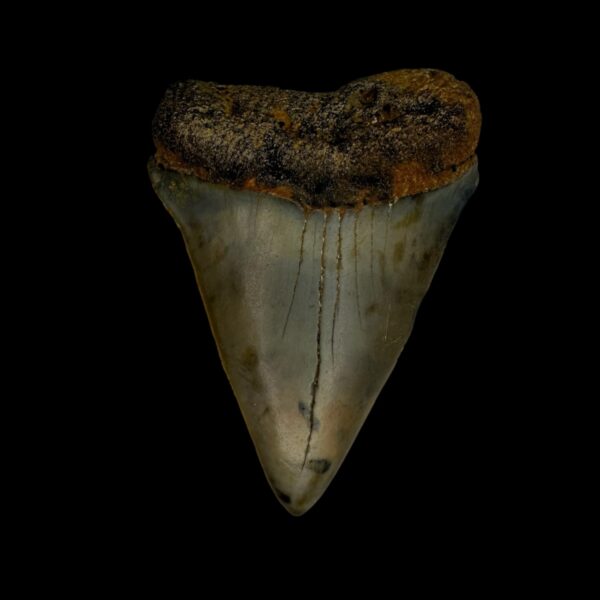
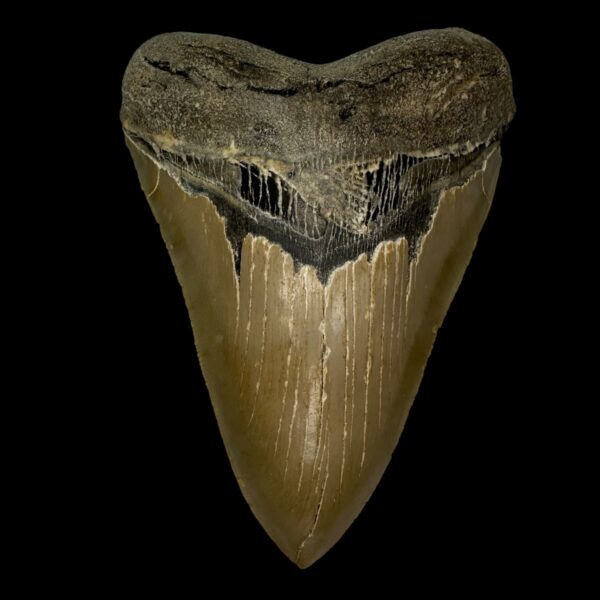
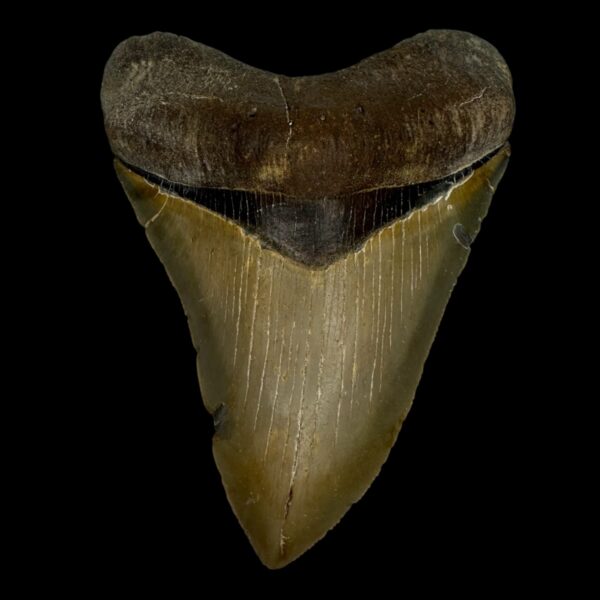
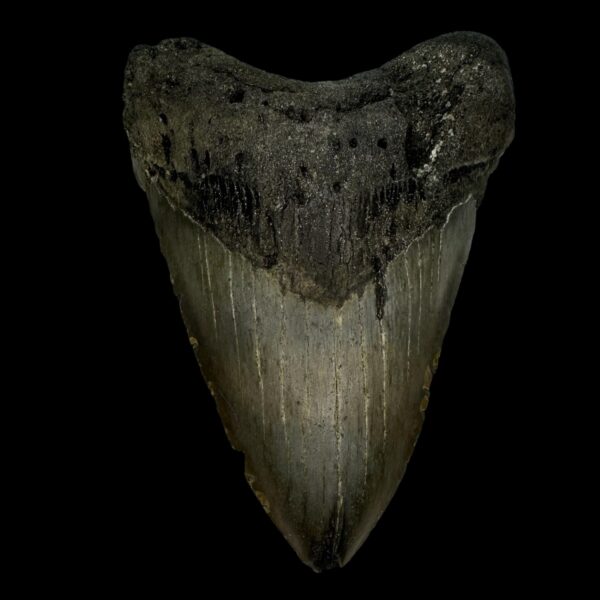
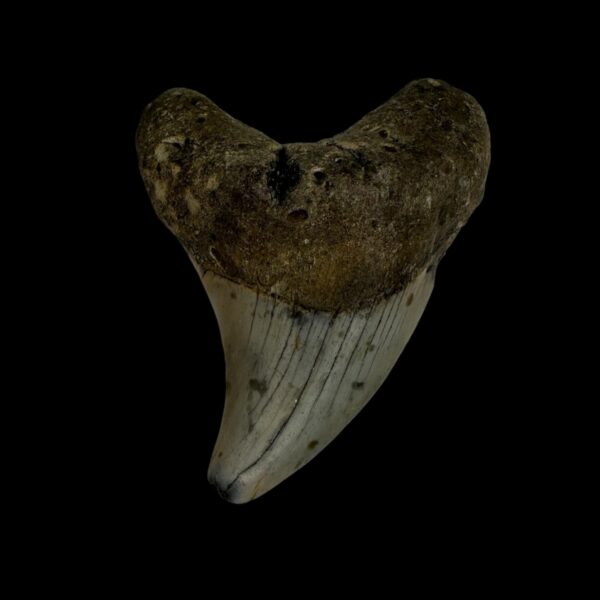
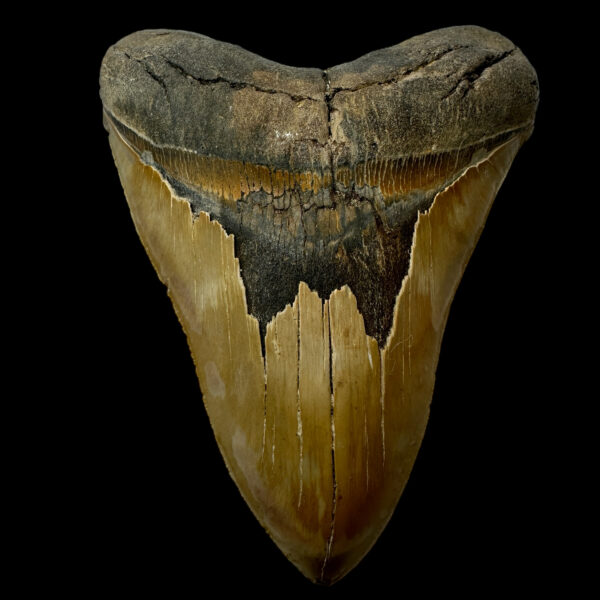
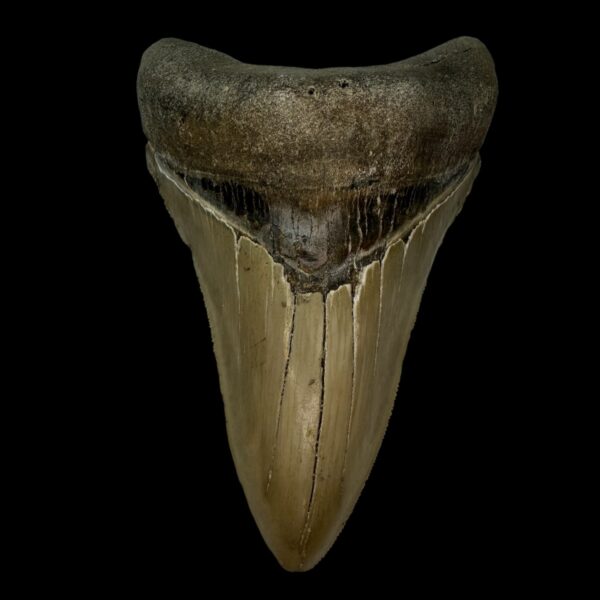
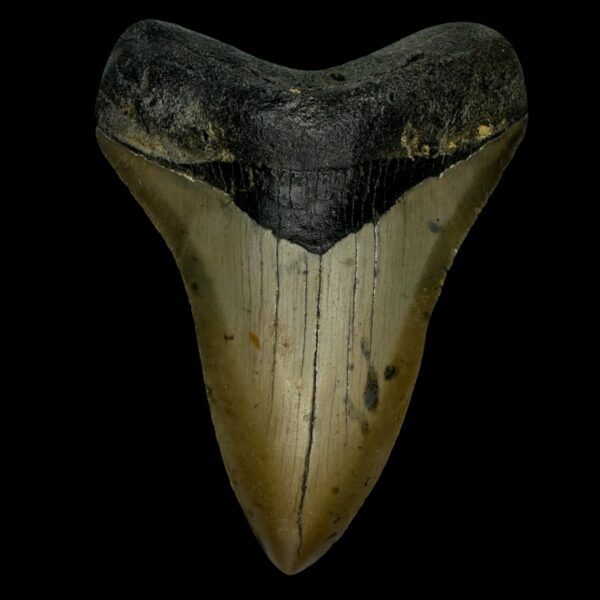
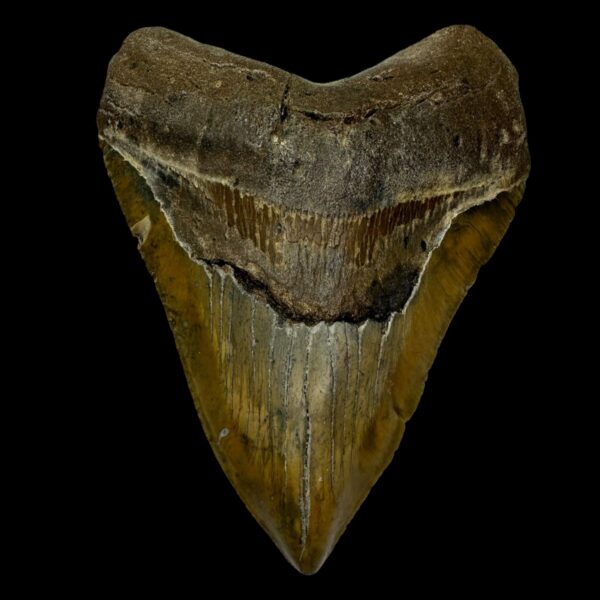
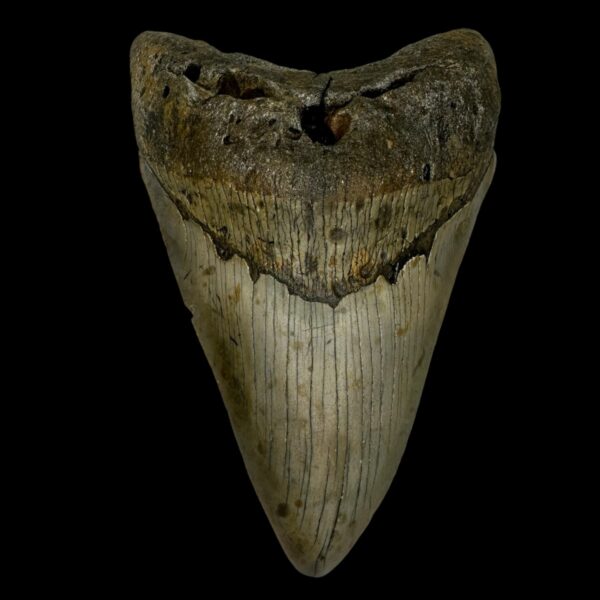
Peace River is one of the world’s most popular fossil hunting locations, especially for collectors searching for authentic Megalodon teeth, mammal fossils, and prehistoric marine life.
2. Fossil Hunting Locations: Calvert Cliffs, Maryland
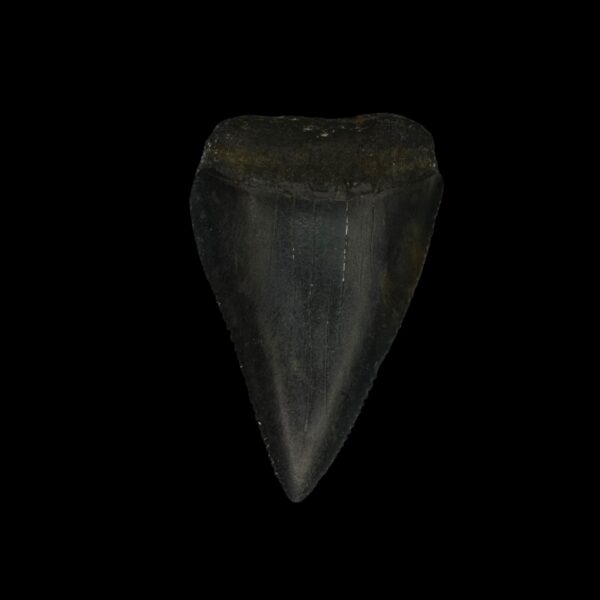
These famous cliffs produce thousands of Miocene marine fossils, including shark teeth, whale bones, shells, and marine mammals Navigating.
3. Fossil Hunting Locations: Lyme Regis, England
Known as the “Jurassic Coast,” Lyme Regis has yielded countless ichthyosaurs, ammonites, plesiosaurs, and marine reptiles.
4. Fossil Hunting Locations: Badlands National Park
South Dakota’s Badlands preserve ancient mammals, turtles, reptiles, and plants dating back millions of years.
5. Fossil Hunting Locations: Kem Kem Beds, Morocco
This remarkable formation is famous for dinosaur remains, crocodiles, fish, and some of Africa’s most important Cretaceous fossils.
6. Fossil Hunting Locations: Solnhofen Limestone, Germany
Solnhofen preserves extraordinary fossils, including Archaeopteryx, insects, fish, and delicate marine organisms.
7. Fossil Hunting Locations: Dinosaur Provincial Park, Canada
One of the richest dinosaur fossil sites on Earth, preserving dozens of dinosaur species.
8. Fossil Hunting Locations: Sahara Desert Fossil Beds
Ancient marine sediments throughout North Africa preserve trilobites, orthoceras, ammonites, and Devonian marine fossils.
9. Fossil Hunting Locations: Shark Tooth Hill, California
One of North America’s richest Miocene fossil deposits containing shark teeth and marine vertebrates.
10. Fossil Hunting Locations: Aurora Fossil Museum, North Carolina
Visitors can search for authentic fossil shark teeth and marine fossils in specially designated collecting areas.
Educational Importance of Fossil Hunting Locations
Studying fossil hunting locations teaches geology, paleontology, environmental science, and fossil preservation while encouraging ethical collecting practices.
Frequently Asked Questions About Fossil Hunting Locations
What are the best fossil hunting locations?
Peace River, Lyme Regis, Calvert Cliffs, Shark Tooth Hill, and Aurora Fossil Museum are among the world’s best-known fossil collecting destinations.
Can beginners visit fossil hunting locations?
Yes. Many locations welcome beginners, although local regulations and collecting rules should always be followed.
Do I need permission to collect fossils?
That depends on the location. Some fossil hunting locations require permits, while others prohibit collecting entirely.
What equipment should I bring?
Basic safety equipment, small excavation tools, storage bags, a notebook, and drinking water are recommended for most fossil collecting trips.
Conclusion: Navigating the World’s Most Incredible Fossil Hunting Locations
By Navigating fossil hunting locations, collectors gain a deeper appreciation for Earth’s prehistoric history while developing responsible collecting habits. Every fossil site offers unique geological formations and preserves different chapters of life’s evolution.
Whether searching for Megalodon teeth in Florida or Jurassic fossils in England, these extraordinary locations continue inspiring scientists, educators, and fossil enthusiasts around the world.
At The Fossil Exchange, authentic fossils help collectors connect with the incredible discoveries made at many of the world’s most famous fossil hunting locations.
How to Prepare Before Visiting Fossil Hunting Locations
Visiting fossil hunting locations is an exciting experience, but proper preparation is essential for both safety and successful fossil collecting. Before planning a trip, research the geological history of the area, local collecting regulations, weather conditions, and the types of fossils commonly discovered there. Understanding the environment before arriving helps collectors recognize promising rock formations while respecting protected sites.
Many fossil hunting locations require visitors to obtain permits or restrict collecting to designated areas. National parks, nature reserves, and scientific excavation sites often prohibit removing fossils in order to preserve important paleontological resources. Responsible collectors should always review local regulations before beginning any fossil hunt.
Essential Equipment for Fossil Hunting Locations
The right equipment makes exploring fossil hunting locations both safer and more productive. Safety glasses, gloves, sturdy boots, sunscreen, drinking water, and weather-appropriate clothing should always be included in your field kit.
Collectors often carry geological hammers, small chisels, soft brushes, magnifying lenses, collection bags, notebooks, GPS devices, and cameras. These tools help document discoveries while minimizing the risk of damaging delicate fossil specimens.
Proper documentation is equally important. Recording the exact location, geological formation, photographs, and surrounding rock layers increases the educational value of every fossil discovered at fossil hunting locations.
Responsible Practices at Fossil Hunting Locations
Responsible collecting protects both fossils and future scientific discoveries. One of the most important principles when visiting fossil hunting locations is leaving excavation sites in good condition after completing your search. Filling small holes, avoiding unnecessary damage to rock formations, and respecting private property all contribute to preserving fossil sites for future generations.
Collectors should also avoid removing exceptionally rare specimens without notifying local authorities or paleontologists when required. Large articulated skeletons, fossil trackways, nests, or scientifically significant discoveries may provide important information for ongoing research projects.
By following ethical collecting practices, visitors help ensure that fossil hunting locations continue serving both recreational collectors and professional scientists. Responsible fossil hunting preserves Earth’s prehistoric heritage while allowing future generations to enjoy the same remarkable discoveries.
Learning Through Fossil Hunting Locations
Every visit to fossil hunting locations provides an opportunity to learn more about geology, paleontology, biology, and Earth’s history. Observing rock layers, sedimentary structures, mineral composition, and fossil distribution helps collectors understand how ancient environments changed over millions of years.
Many museums and educational centers located near famous fossil hunting locations offer guided tours, fossil identification workshops, and interactive exhibits that enhance the collecting experience. These resources allow visitors to compare their discoveries with professionally identified specimens while gaining valuable scientific knowledge.
Whether searching for Megalodon teeth along Florida rivers, marine fossils on England’s Jurassic Coast, or trilobites in Morocco, every fossil collected responsibly becomes a direct connection to Earth’s prehistoric past. By exploring the world’s most remarkable fossil hunting locations, collectors develop a deeper appreciation for natural history and the scientific processes that continue revealing new discoveries every year.