Illustrating 9 Extraordinary Prehistoric Ocean Predators Beyond Megalodon
Prehistoric ocean predators dominated Earth’s seas for hundreds of millions of years, evolving into some of the largest and most powerful hunters the planet has ever known. While Megalodon is often the most famous marine predator, it was only one member of an incredible lineup of apex predators that ruled prehistoric oceans long before humans appeared.
By Illustrating prehistoric ocean predators, paleontologists can reconstruct ancient marine ecosystems, understand predator-prey relationships, and study how evolution shaped some of history’s most extraordinary animals. Fossils discovered around the world continue to reveal new information about these remarkable hunters.
This educational guide explores nine extraordinary prehistoric ocean predators, examining what made each species unique and how they contributed to the evolution of marine life.
1. Prehistoric Ocean Predators: Megalodon
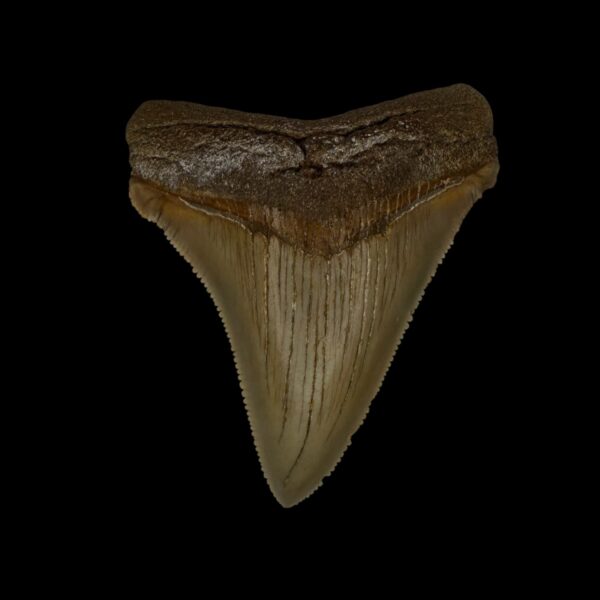
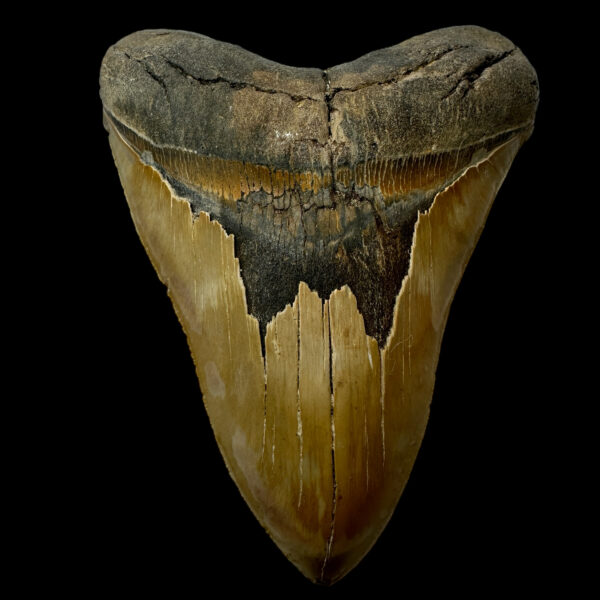
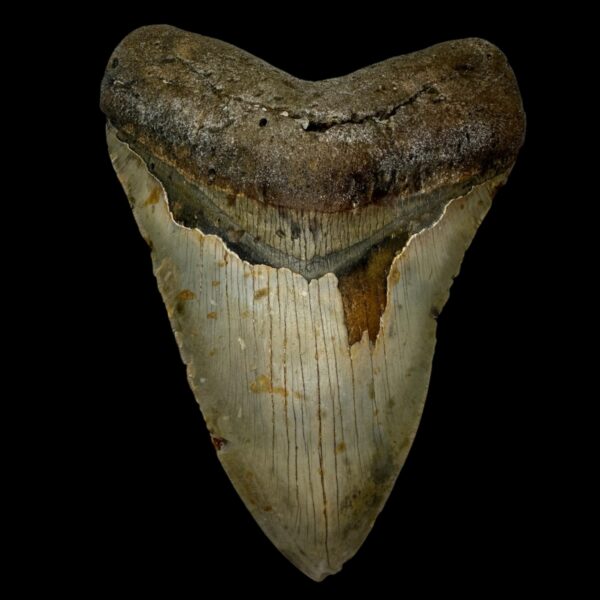
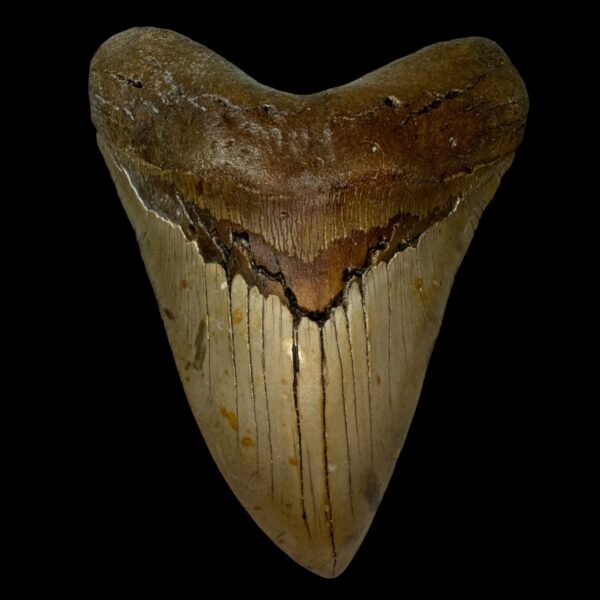
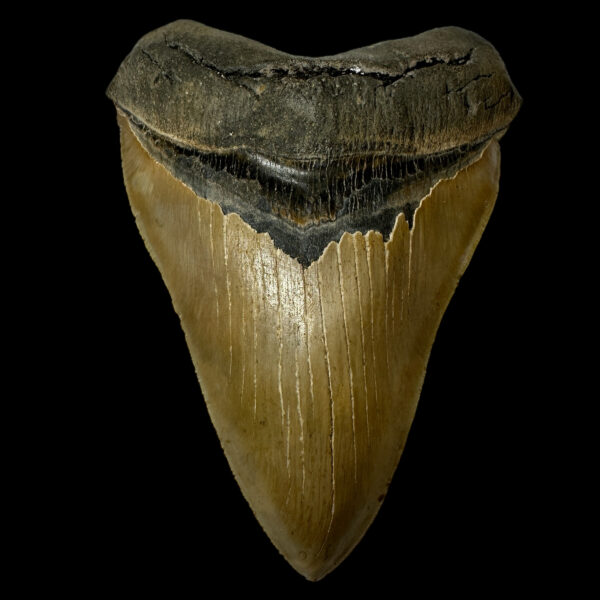
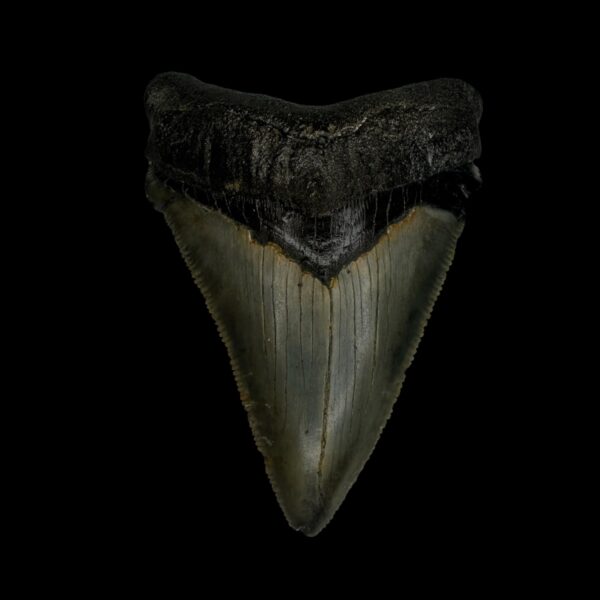
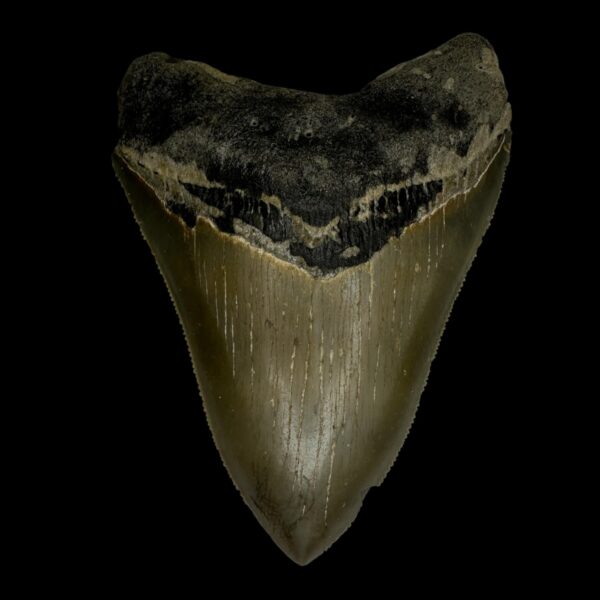
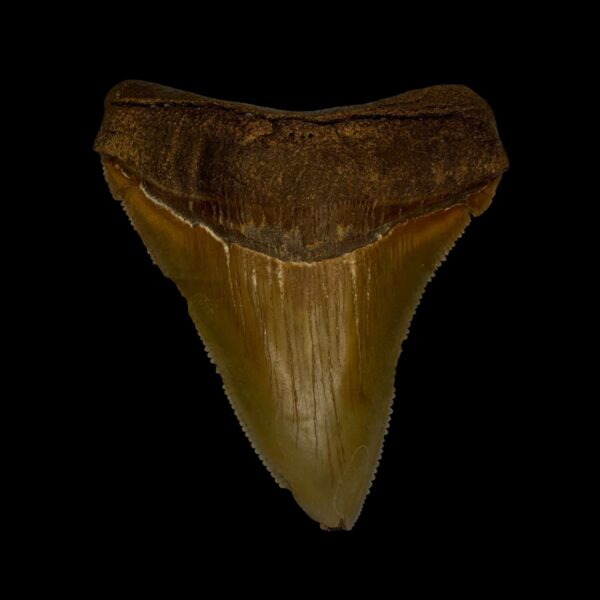
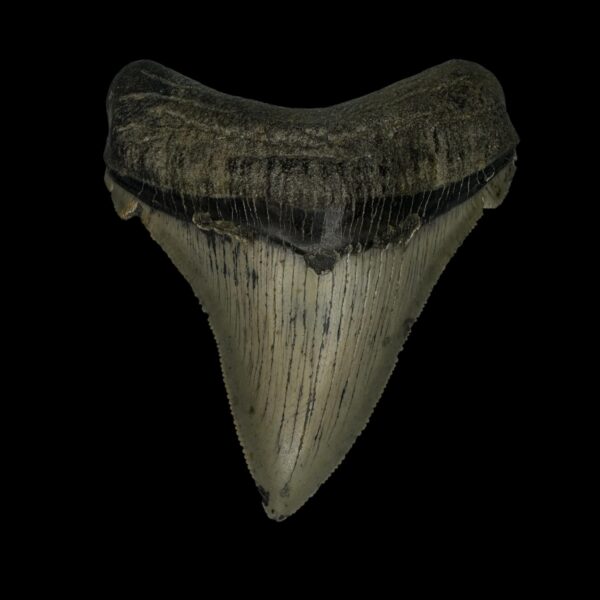
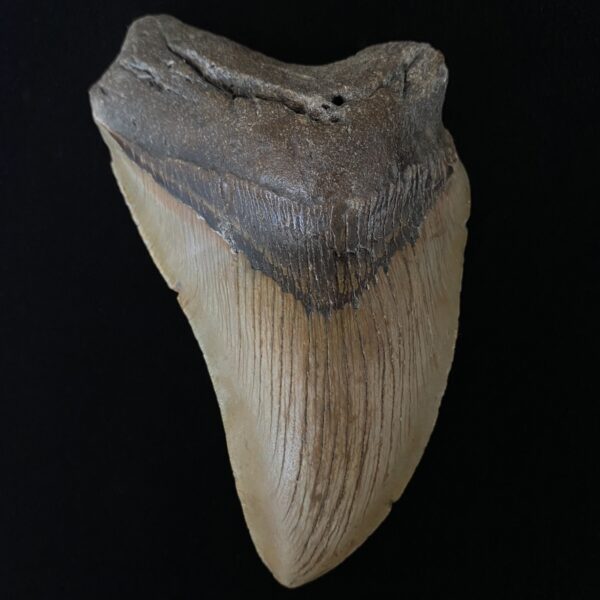
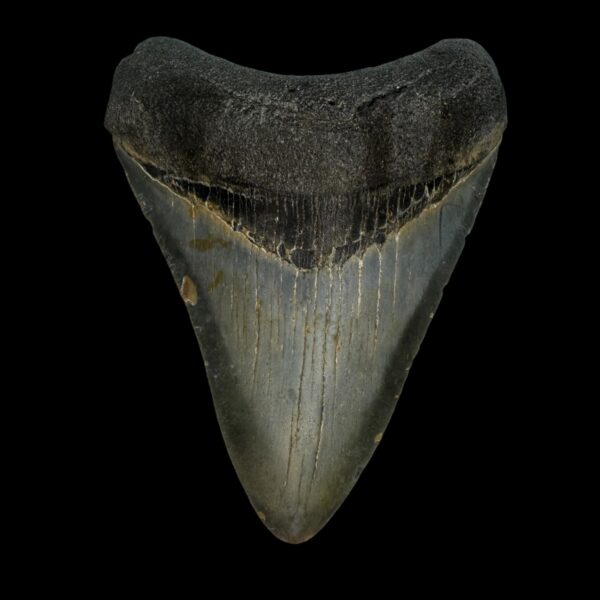
Among all prehistoric ocean predators, Megalodon remains the most recognizable. Living between approximately 23 and 3.6 million years ago, this giant shark reached estimated lengths exceeding 50 feet and possessed one of the strongest bite forces ever calculated.
Its massive serrated teeth were perfectly adapted for hunting whales, dolphins, seals, and other large marine mammals. Fossil discoveries from multiple continents demonstrate that Megalodon occupied oceans around the world.
Illustrating the Apex Shark
Megalodon represents one of the best examples of evolutionary specialization among prehistoric marine predators.
2. Prehistoric Ocean Predators: Mosasaurus
Mosasaurus was not a dinosaur but a gigantic marine reptile that dominated Late Cretaceous oceans.
Its flexible body, paddle-like limbs, and powerful jaws allowed it to prey upon fish, ammonites, turtles, seabirds, and even other marine reptiles.
Illustrating Marine Reptile Evolution
Mosasaurus demonstrates how reptiles repeatedly adapted to marine environments throughout Earth’s history.
3. Prehistoric Ocean Predators: Livyatan
Livyatan was an enormous prehistoric sperm whale possessing massive teeth in both jaws. Unlike modern sperm whales that primarily hunt squid, Livyatan likely hunted other whales.
Its enormous skull and muscular bite made it one of the few predators capable of competing with Megalodon.
4. Prehistoric Ocean Predators: Dunkleosteus
Dunkleosteus lived more than 350 million years ago during the Devonian Period.
Instead of teeth, this armored fish possessed self-sharpening bony jaw plates capable of slicing through prey with incredible force.
5. Prehistoric Ocean Predators: Kronosaurus
Kronosaurus belonged to the pliosaur family and hunted fish, ammonites, marine reptiles, and large cephalopods.
Its enormous skull and powerful swimming ability made it one of the dominant predators of Early Cretaceous seas.
6. Prehistoric Ocean Predators: Basilosaurus
Despite its name, Basilosaurus was actually an early whale rather than a reptile.
This elongated marine mammal demonstrates the evolutionary transition from land mammals to fully aquatic whales.
7. Prehistoric Ocean Predators: Cretoxyrhina
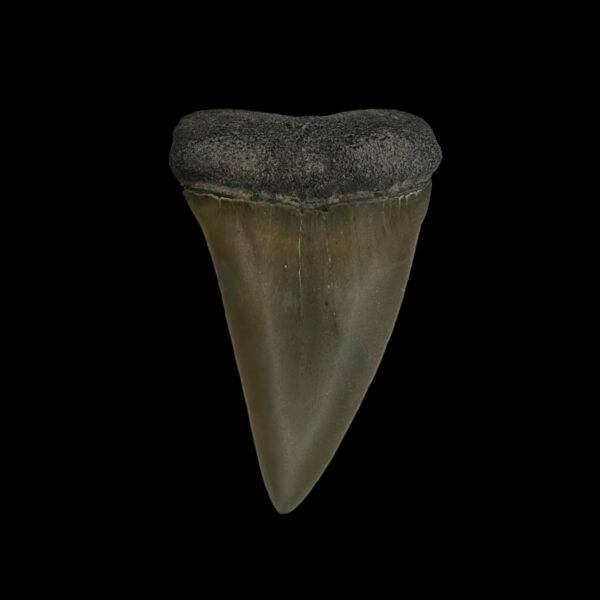
Often called the “Ginsu Shark,” Cretoxyrhina was one of the fastest sharks of the Late Cretaceous.
It hunted fish, marine reptiles, and large cephalopods using speed and razor-sharp teeth.
8. Prehistoric Ocean Predators: Helicoprion
Helicoprion remains one of the most unusual prehistoric ocean predators because of its spiral tooth whorl.
Scientists believe this remarkable adaptation allowed it to capture soft-bodied prey efficiently.
9. Prehistoric Ocean Predators: Xiphactinus
Xiphactinus was a giant predatory fish capable of swallowing surprisingly large prey whole.
Several fossil discoveries preserve entire fish inside its stomach, providing direct evidence of its feeding behavior.
Educational Importance of Prehistoric Ocean Predators
Studying prehistoric ocean predators helps scientists understand marine evolution, extinction events, ecological balance, and predator-prey relationships across hundreds of millions of years.
These extraordinary fossils continue inspiring museum visitors, students, educators, and collectors while improving our understanding of Earth’s ancient oceans.
Frequently Asked Questions About Prehistoric Ocean Predators
What were the largest prehistoric ocean predators?
Megalodon, Mosasaurus, Livyatan, and Kronosaurus rank among the largest known prehistoric marine predators.
Did Megalodon fight Livyatan?
Scientists cannot confirm direct encounters, although both species lived during overlapping periods and may have competed for similar prey.
Which prehistoric ocean predator was the oldest?
Dunkleosteus is among the oldest predators featured here, living over 350 million years ago.
Are prehistoric ocean predators related to modern sharks?
Some are, such as Megalodon and Cretoxyrhina, while others—including Mosasaurus, Basilosaurus, and Kronosaurus—belong to completely different evolutionary groups.
Conclusion: Illustrating the Extraordinary World of Prehistoric Ocean Predators
By Illustrating prehistoric ocean predators, we gain a deeper appreciation for the incredible diversity of marine life that has existed throughout Earth’s history. These predators occupied different ecological niches, evolved unique hunting strategies, and shaped ancient marine ecosystems long before humans appeared.
At The Fossil Exchange, authentic marine fossils—including Megalodon teeth and other prehistoric specimens—allow collectors and enthusiasts to connect directly with this extraordinary chapter of natural history.