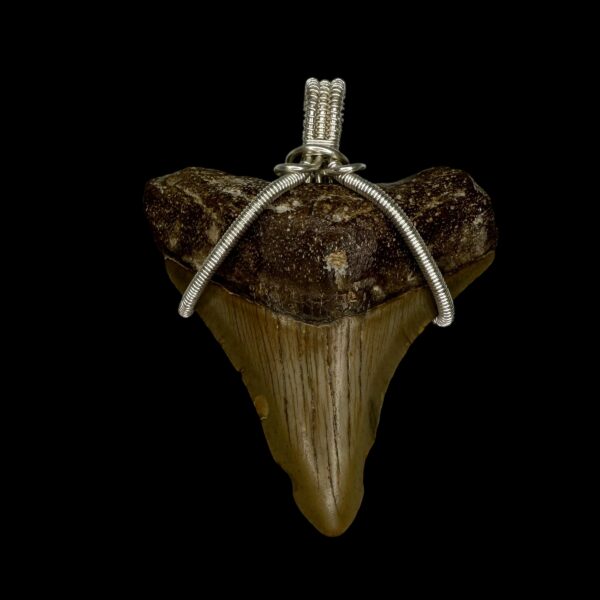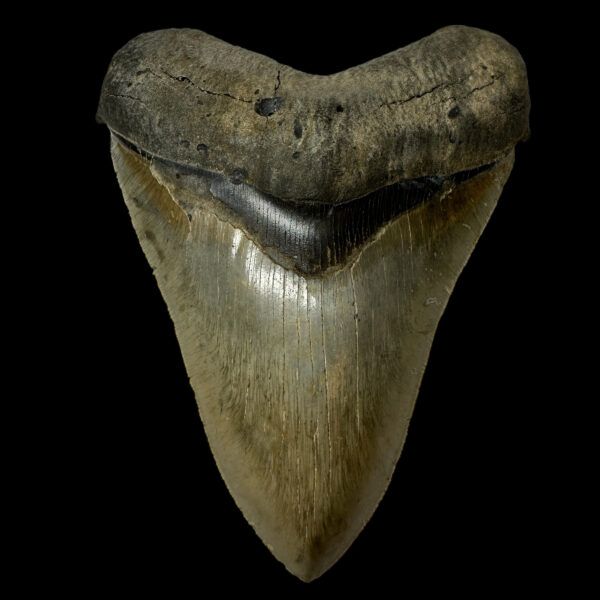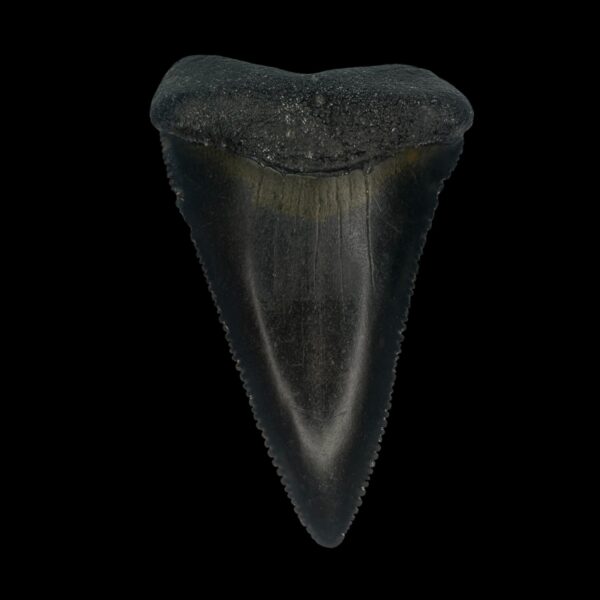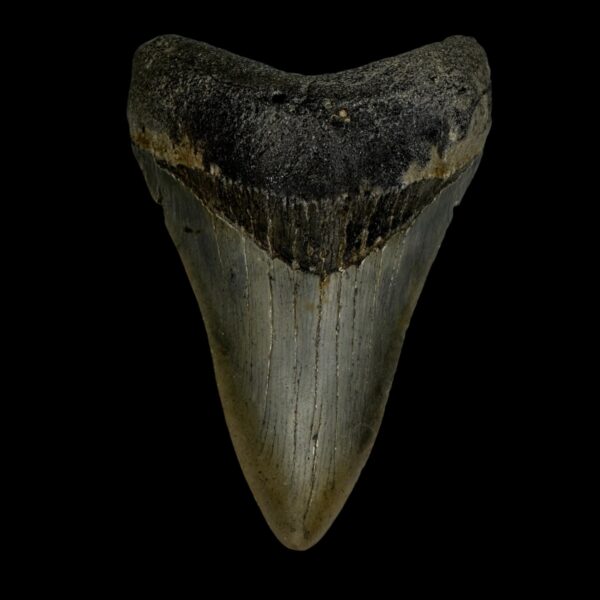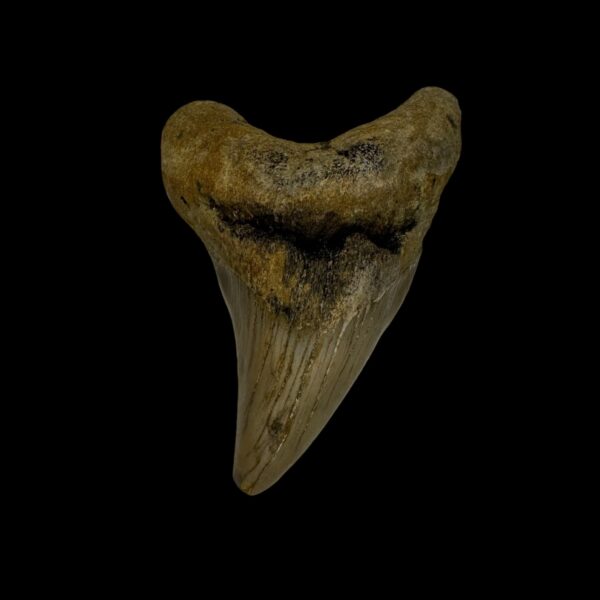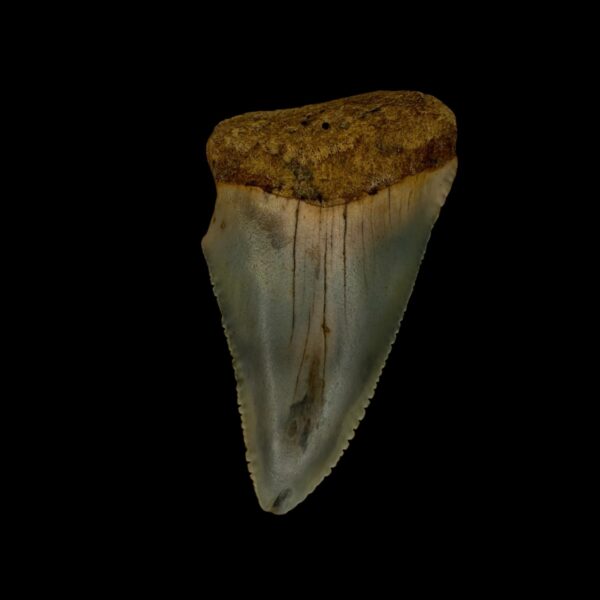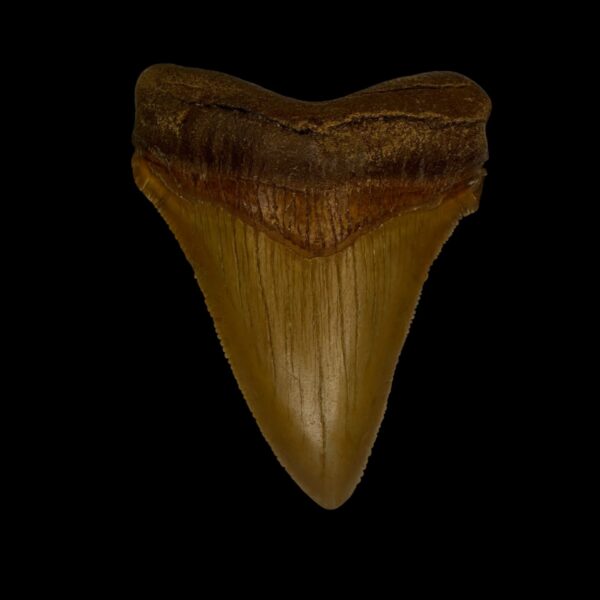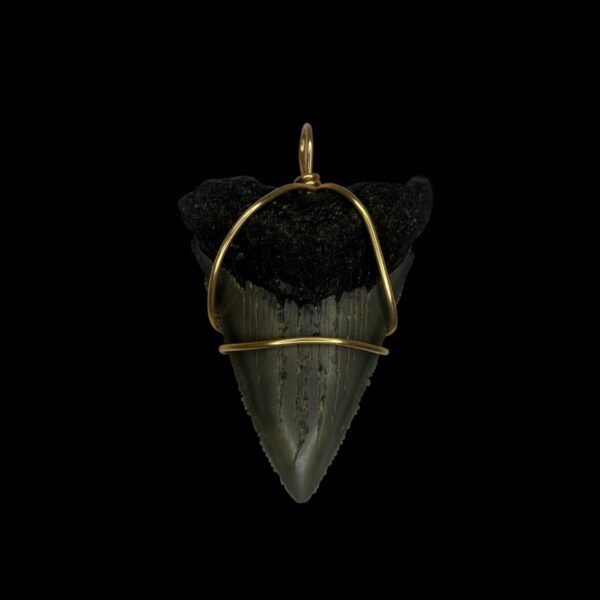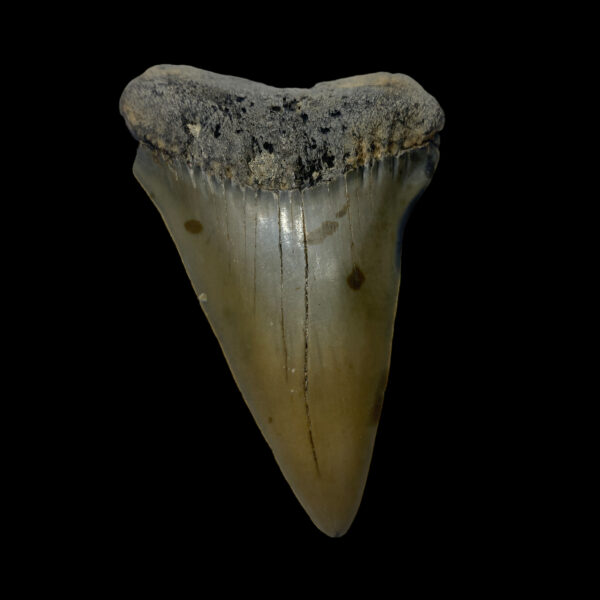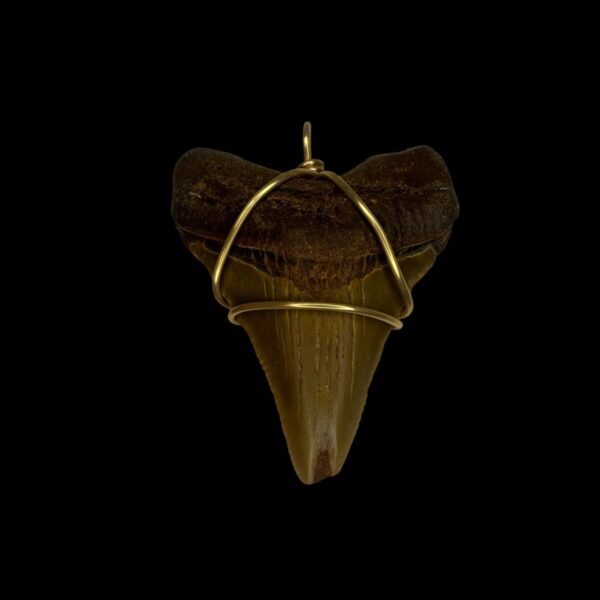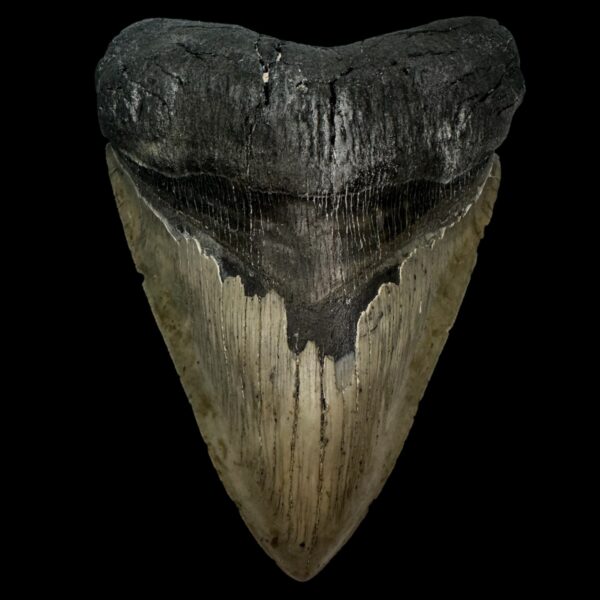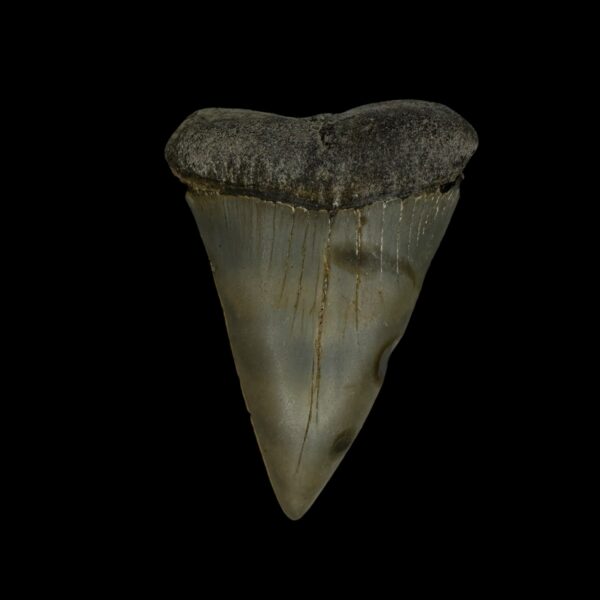
5.88" Serrated Megalodon Tooth Fossil: Precision Collector Specimen
Size Classification and Rarity Scale
To better understand where the 5.88″ Serrated Megalodon Tooth Fossil stands, it is useful to compare it within the broader size classification used by collectors.
| Size Range | Collector Tier | Availability | Key Characteristics |
|---|---|---|---|
| 3–4 inches | Common | Widely Available | Entry-level specimens with moderate detail |
| 4–5 inches | Premium | Strong Demand | Balanced size with good display presence |
| 5–6 inches | Rare Premium | Limited | High collector demand and increased rarity |
| 6+ inches | Elite | Extremely Rare | Museum-level specimens with maximum prestige |
Why the 5–6 Inch Range Is Highly Desirable
The 5.88″ Serrated Megalodon Tooth Fossil falls within a critical range where scarcity begins to increase significantly while still remaining accessible to serious collectors.
- Noticeable increase in rarity compared to smaller sizes
- Strong visual impact without extreme pricing
- High demand among intermediate and advanced collectors
- Ideal balance between size, detail, and availability
Geological Formation and Edge Preservation
Serrated Megalodon teeth formed over millions of years under specific sediment conditions that allowed mineralization while preserving edge detail.
In many cases, serrations are lost due to erosion, making well-preserved examples like this significantly more valuable.
Visual Impact in Display Collections
A 5.88″ serrated specimen offers strong visual presence, particularly due to the defined edges that highlight the original cutting structure of the tooth.
Collectors often prefer serrated fossils because they better represent the functional anatomy of the Megalodon.
Market Demand and Collector Trends
The 5–6 inch category remains one of the most competitive segments in the fossil market. Specimens in this range consistently attract buyers due to their combination of size and detail.
Teeth with intact serrations tend to outperform smoother specimens in both desirability and long-term value.
Display Recommendations
- Use directional lighting to highlight serration detail
- Display on neutral or dark backgrounds for contrast
- Avoid excessive handling to preserve edge integrity
- Store in low-humidity environments