Verifying 10 Authentic Signs of How to Identify Real Fossils
Understanding how to identify real fossils is one of the most valuable skills for fossil collectors, educators, and enthusiasts. As fossil collecting has become more popular, replicas, reconstructed specimens, and artificially altered fossils have also become increasingly common. Learning how to distinguish authentic fossils from reproductions protects both your investment and the scientific value of your collection.
By Verifying how to identify real fossils, collectors develop the ability to examine preservation, mineralization, anatomical features, provenance, and preparation quality. Every genuine fossil tells a story preserved over millions of years, and recognizing those natural characteristics helps ensure responsible collecting.
This guide explores ten authentic signs that will help beginners and experienced collectors understand how to identify real fossils with greater confidence.
1. How to Identify Real Fossils: Examine Natural Surface Texture
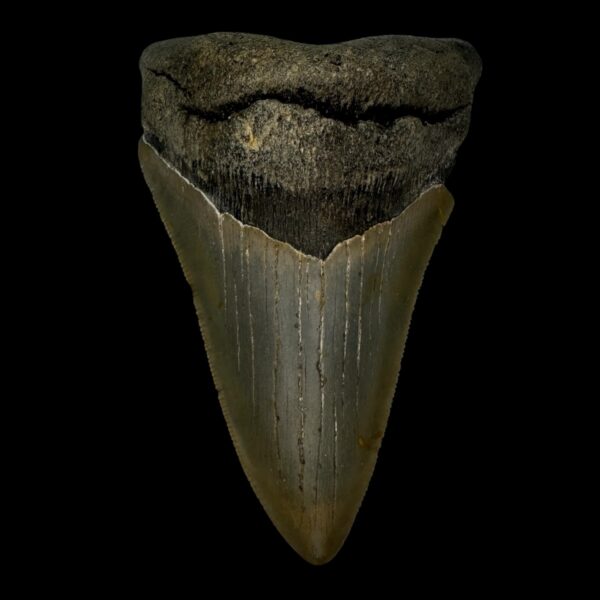
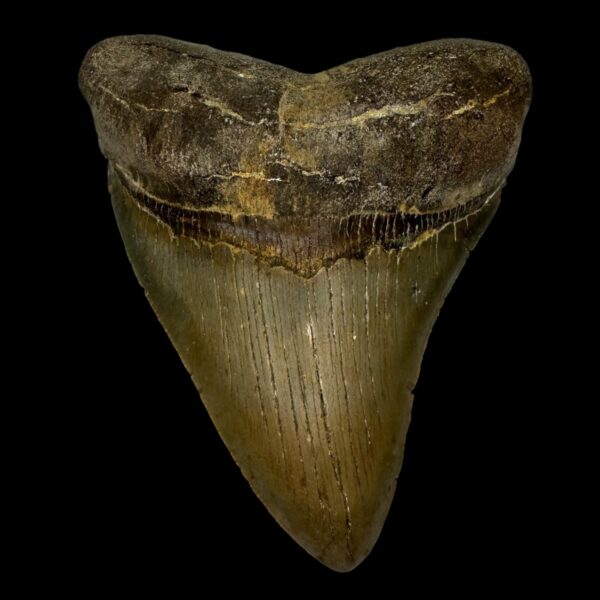
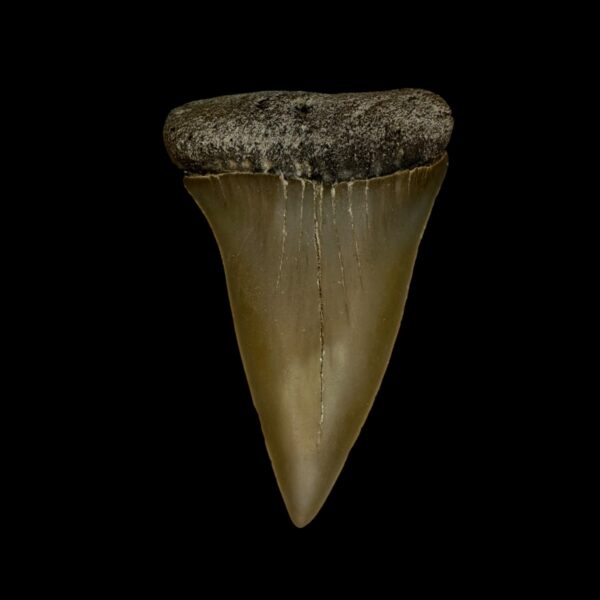
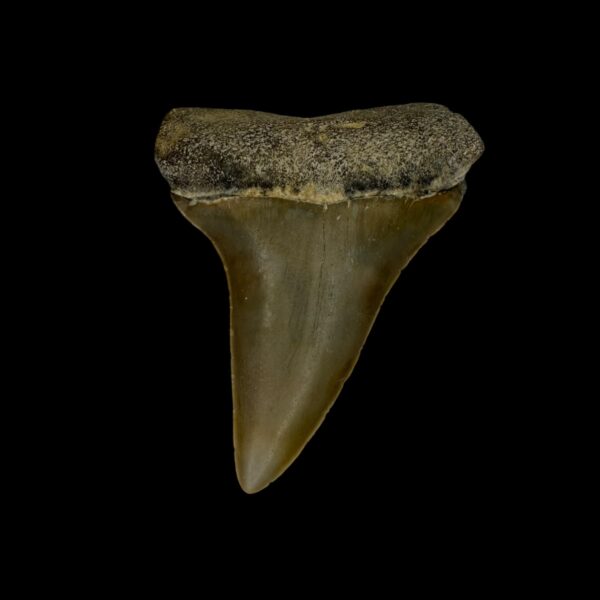
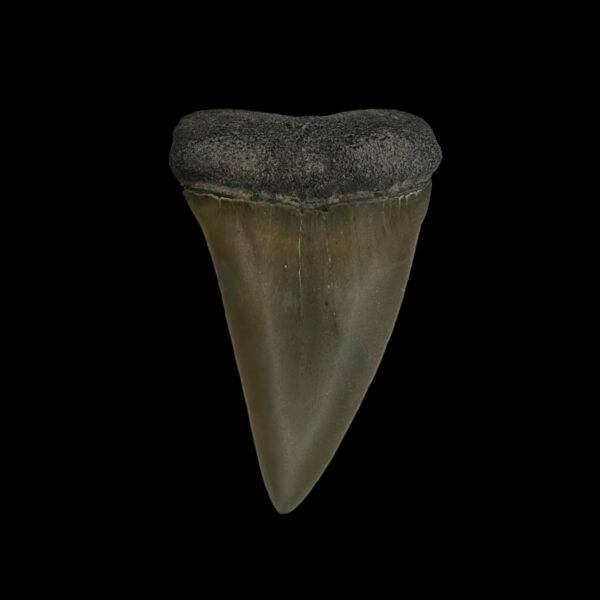
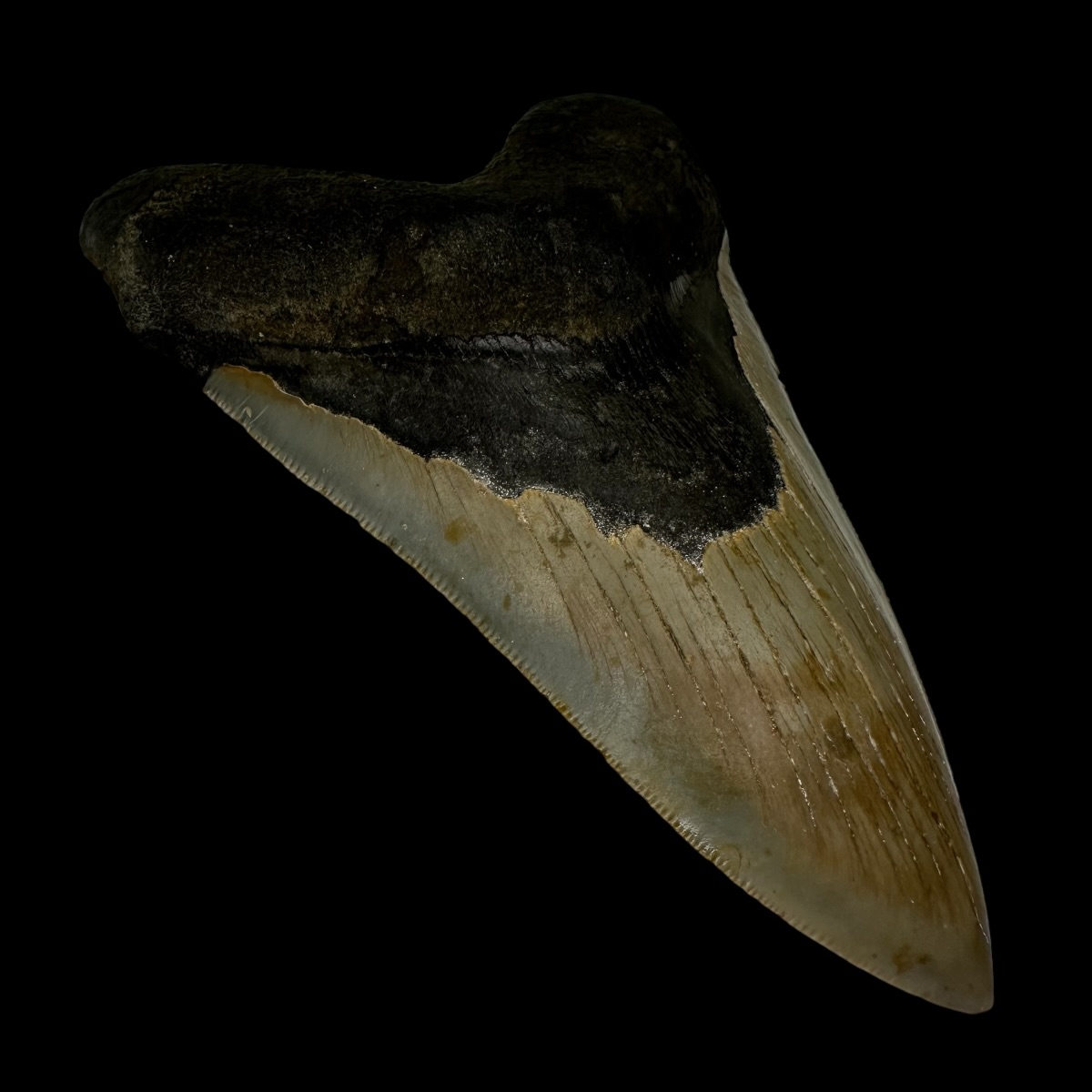
One of the first indicators of authenticity is natural surface texture. Genuine fossils usually display mineralized surfaces, weathering patterns, sediment attachment, and biological details that are difficult to reproduce artificially.
2. How to Identify Real Fossils: Look for Genuine Mineralization
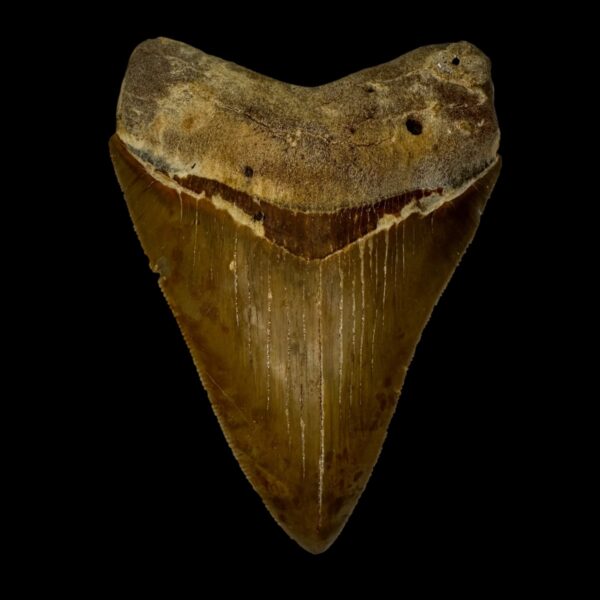
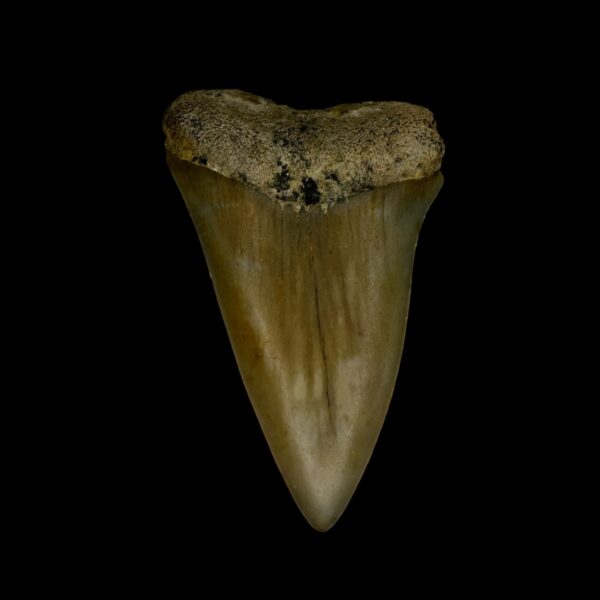
Mineral replacement during fossilization produces colors and textures that vary depending on the surrounding sediment. Natural mineralization often creates subtle variations rather than perfectly uniform colors.
3. How to Identify Real Fossils: Study Anatomical Features
Authentic fossils preserve biological structures such as growth lines, serrations, roots, chambers, pores, shell ornamentation, or bone texture that match known species.
4. How to Identify Real Fossils: Verify Provenance
Reliable provenance greatly increases confidence in authenticity. Information about the discovery location, geological formation, and collection history helps verify a fossil’s origin.
5. How to Identify Real Fossils: Recognize Professional Preparation
Professionally prepared fossils retain natural features while minimizing unnecessary restoration. Ethical preparation should always preserve the original fossil material whenever possible.
6. How to Identify Real Fossils: Inspect for Repairs or Restoration
Many authentic fossils contain repaired fractures or stabilized sections. Responsible sellers disclose every restoration rather than attempting to hide it.
7. How to Identify Real Fossils: Compare with Museum Specimens
Comparing a fossil with verified museum collections helps confirm whether important anatomical features match authentic examples.
8. How to Identify Real Fossils: Avoid Common Replica Warning Signs
Perfect symmetry, identical colors, repeated surface patterns, plastic textures, or obvious mold seams often indicate modern reproductions rather than authentic fossils.
9. How to Identify Real Fossils: Buy from Trusted Dealers
Purchasing fossils from reputable dealers who provide provenance and authenticity information greatly reduces the risk of acquiring replicas or misidentified specimens.
10. How to Identify Real Fossils: Continue Learning Through Experience
The more authentic fossils you study, the easier it becomes to recognize natural preservation, geological variation, and genuine fossil anatomy.
Educational Importance of How to Identify Real Fossils
Learning how to identify real fossils teaches observation, geology, biology, and scientific reasoning while encouraging ethical collecting and responsible fossil preservation.
Frequently Asked Questions About How to Identify Real Fossils
How can beginners identify real fossils?
Beginners should examine anatomy, mineralization, provenance, preparation quality, and compare specimens with verified museum examples.
Can color identify a real fossil?
No. Color alone cannot confirm authenticity because fossil coloration depends on mineralization and surrounding sediments.
Are repaired fossils fake?
No. Many authentic fossils contain professional repairs. The important factor is that restoration is disclosed honestly.
Where should I buy authentic fossils?
Collectors should purchase fossils from reputable dealers that provide provenance and authenticity information for every specimen.
Conclusion: Verifying How to Identify Real Fossils with Confidence
By Verifying how to identify real fossils, collectors gain the knowledge needed to build meaningful collections based on authentic specimens rather than reproductions. Careful observation, reliable documentation, professional preparation, and continuous learning remain the best tools for recognizing genuine fossils.
At The Fossil Exchange, every authentic fossil represents millions of years of natural history and is offered with a commitment to responsible collecting, education, and scientific appreciation.