Showcasing 7 Unique Characteristics of Museum Quality Fossils
Museum quality fossils represent some of the most remarkable
and scientifically valuable specimens preserved from Earth’s prehistoric
past. Although the term is frequently used by fossil sellers and collectors,
it should describe more than visual beauty or impressive size.
Authentic museum-grade specimens combine preservation, rarity, provenance,
scientific relevance, preparation quality, and educational value. By
showcasing museum quality fossils, museums and responsible
collectors help the public understand ancient organisms, geological
processes, evolution, and the history of life on Earth.
This educational guide examines seven unique characteristics that distinguish
exceptional fossils from ordinary specimens. Understanding these qualities
helps collectors evaluate fossils responsibly while appreciating the
scientific information each specimen preserves.
1. Museum Quality Fossils Display Exceptional Preservation
Preservation is one of the most important characteristics of
museum quality fossils. A well-preserved specimen retains
anatomical features that allow scientists and visitors to recognize the
organism and examine how it lived.
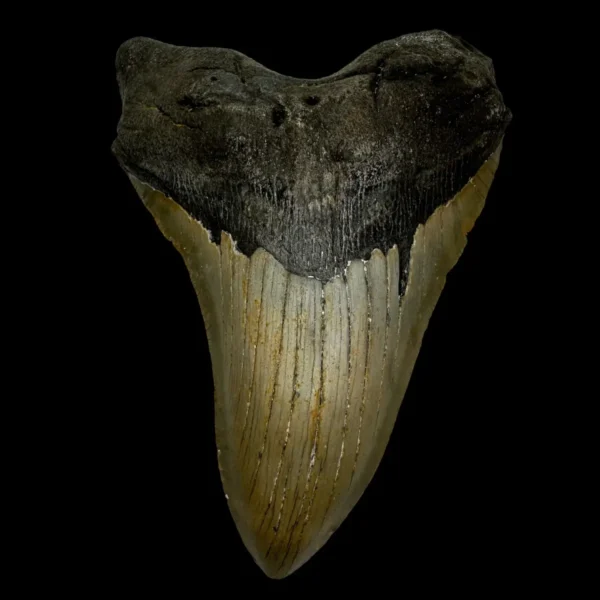
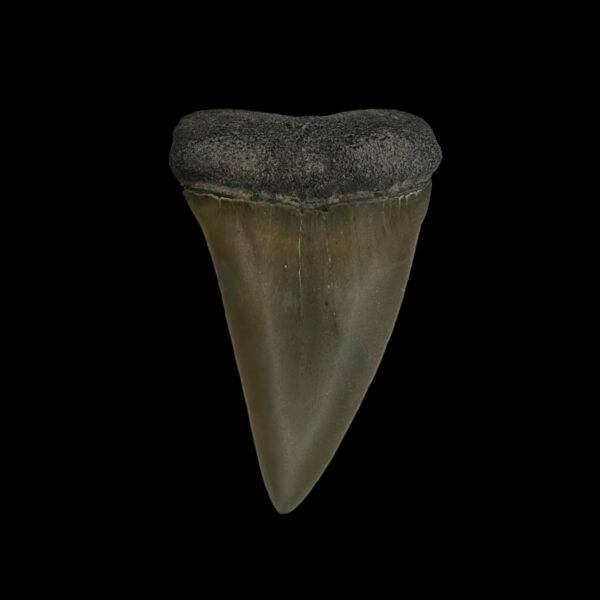
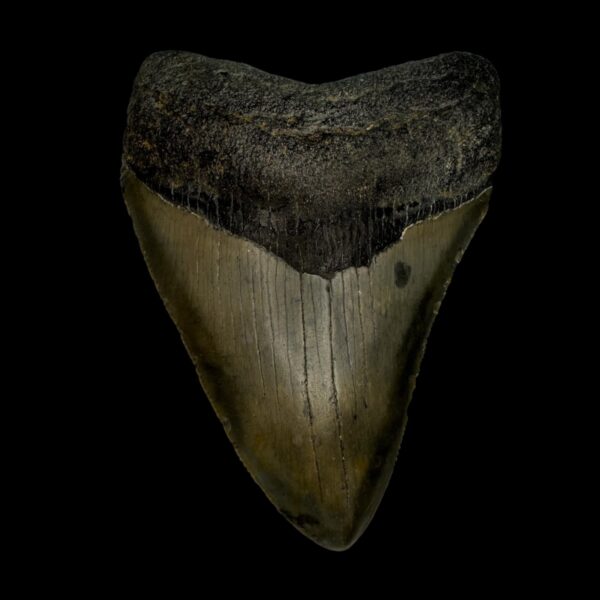
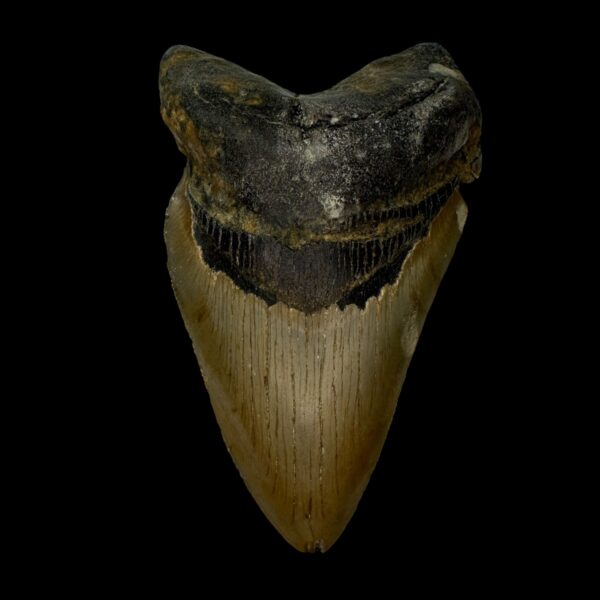
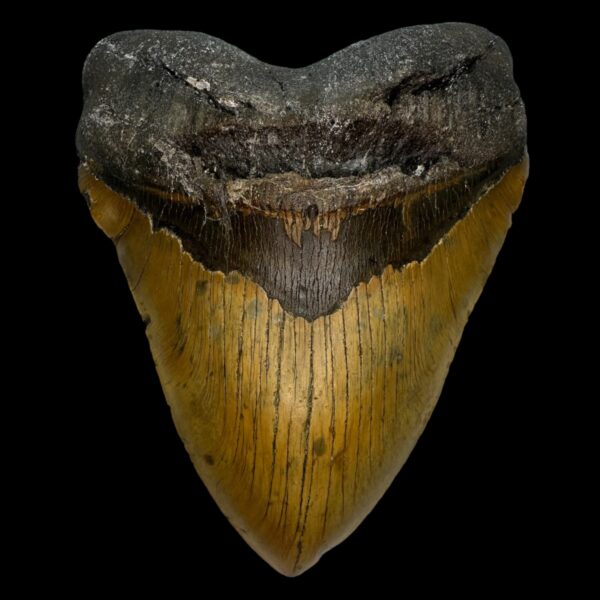
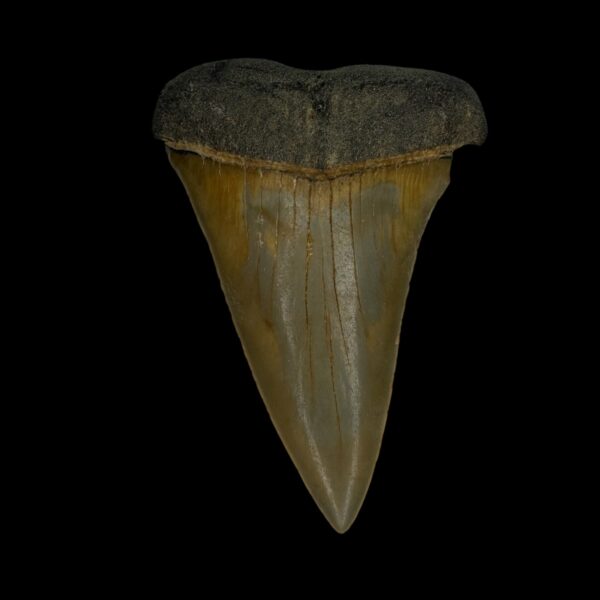
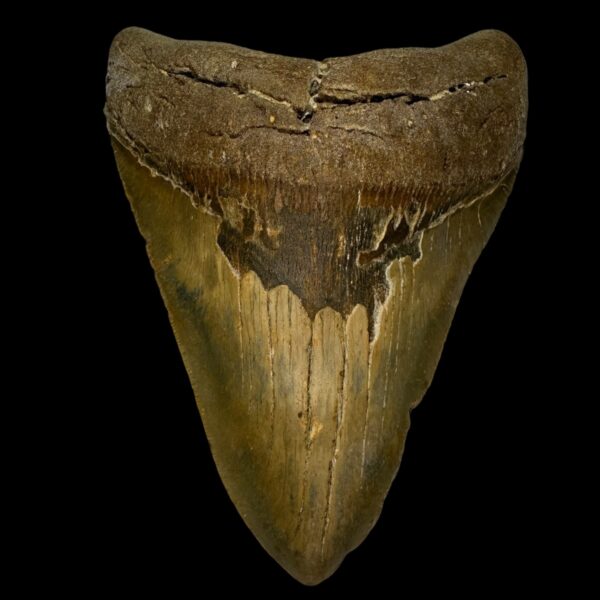
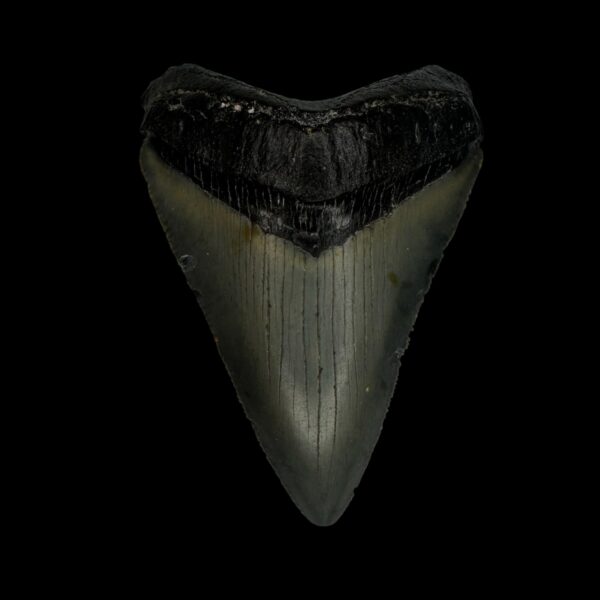
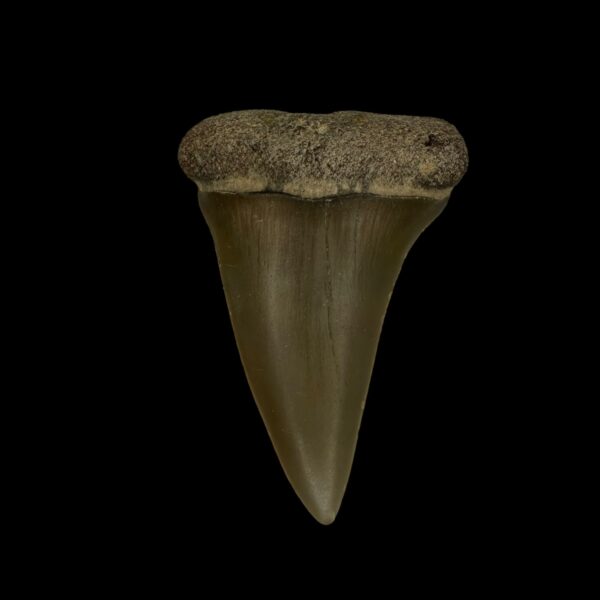
In shark teeth, important details may include an intact root, natural enamel,
complete cutting edges, visible serrations, and minimal erosion. In ammonites,
preservation may include shell ornamentation, sutures, chambers, or original
surface patterns.
Dinosaur bones, marine reptile remains, trilobites, plants, and fossilized
shells are evaluated according to the structures naturally expected for
each specimen. Preservation standards therefore depend on the organism,
geological formation, and fossilization process.
Showcasing Natural Fossil Details
Exceptional preservation does not mean that a fossil must appear perfect.
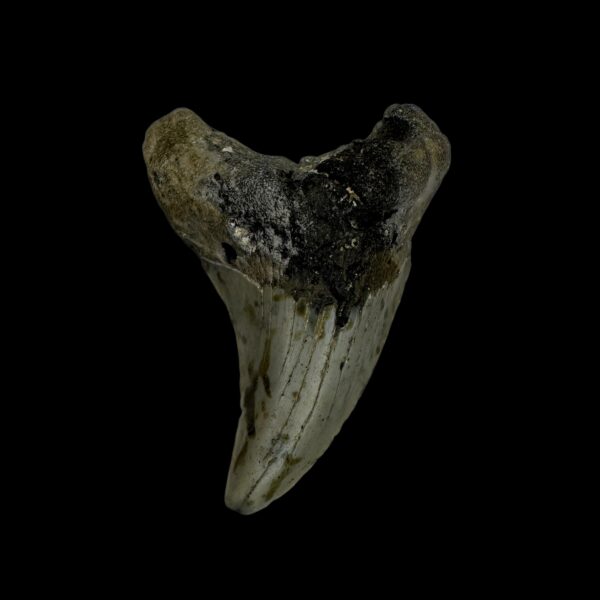
Natural wear, feeding damage, mineral staining, and geological pressure can
be authentic parts of a specimen’s history.
The goal is to preserve and showcase genuine biological details rather than
create an artificially flawless object.
2. Museum Quality Fossils Have Reliable Provenance
Provenance is the documented origin and ownership history of a fossil.
Responsible museum quality fossils should include as much
information as possible about where they were discovered, who recovered
them, and how they entered a collection.
Useful provenance may identify the country, region, geological formation,
discovery site, collector, excavation date, and previous collection history.
This information increases scientific and educational value because it
connects the fossil to a specific geological context.
Why Provenance Matters
A fossil’s location can help scientists estimate its age, identify its
species, and reconstruct the environment where the organism lived.
Without provenance, an attractive specimen may lose much of its scientific
meaning. Reliable documentation also helps demonstrate that the fossil was
collected and transferred legally.
Showcasing Fossils with Clear Documentation
Museums and professional collections often assign identification numbers to
specimens. These numbers connect the fossil to catalogs, photographs,
geological records, preparation notes, and conservation reports.
Private collectors can use a similar system to protect the history of their
specimens.
3. Museum Quality Fossils Offer Scientific Value
Scientific importance is another defining characteristic of
museum quality fossils. A specimen may contribute
information about anatomy, evolution, diet, movement, climate, extinction,
or prehistoric ecosystems.
A fossil does not need to be enormous to be scientifically meaningful. A
small tooth, shell, footprint, coprolite, leaf impression, or bone fragment
may preserve evidence that helps answer an important research question.
For example, tooth serrations can reveal feeding adaptations. Growth rings
may provide information about age and development. Bite marks can record
interactions between predator and prey.
Showcasing Research Potential
Some fossils become especially valuable when they represent an unusual
species, geographic location, geological age, pathology, growth stage, or
preservation style.
New scientific technologies may also reveal information that was impossible
to detect when the specimen was first discovered. CT scanning, isotope
analysis, microscopy, and three-dimensional imaging continue expanding what
researchers can learn from fossils.
4. Museum Quality Fossils Are Rare or Distinctive
Rarity can significantly influence how
museum quality fossils are evaluated. A specimen may be
rare because of its species, size, condition, geological formation, color,
completeness, or unusual biological features.
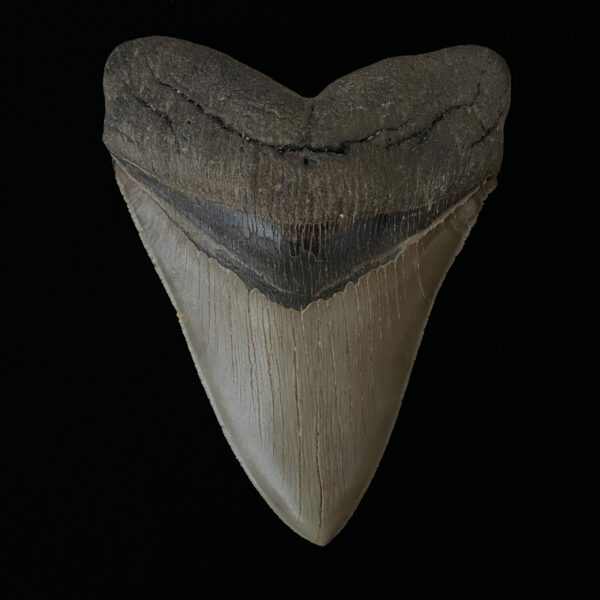
Large Megalodon teeth with intact serrations are uncommon because teeth may
break, erode, or lose portions of their roots before fossilization. Complete
articulated skeletons are even rarer because animal remains are often
scattered by currents, scavengers, or geological movement.
Rarity alone, however, does not automatically make a fossil museum quality.
The specimen must also possess authenticity, documentation, and educational
or scientific significance.
Recognizing Unique Fossil Characteristics
Distinctive features may include unusual mineral colors, healed injuries,
feeding damage, deformities, preserved soft tissues, rare growth stages, or
associated remains from multiple organisms.
By showcasing these characteristics responsibly, museums can explain how
variation occurs within ancient species and ecosystems.
5. Museum Quality Fossils Receive Professional Preparation
Proper preparation reveals fossil details while protecting the specimen’s
original material. Professional preparation is therefore a critical feature
of many museum quality fossils.
Fossil preparators may use microscopes, air scribes, precision tools, soft
brushes, stabilizers, and conservation-grade adhesives. The exact method
depends on the fossil and the surrounding rock.
Preparation should remove only the necessary matrix while avoiding damage
to natural surfaces. Excessive polishing, carving, painting, or reshaping
can reduce authenticity and scientific value.
Showcasing Fossils Without Hiding Restoration
Some fossils require stabilization or repair. Cracks may need reinforcement,
and separate fragments may need to be reattached.
Ethical restoration is carefully documented. Buyers, researchers, and museum
visitors should be able to distinguish original fossil material from repaired
or reconstructed sections.
Transparency protects trust and allows future conservators to evaluate or
reverse previous treatments when necessary.
6. Museum Quality Fossils Demonstrate Authenticity
Authenticity is essential when evaluating
museum quality fossils. The specimen must be correctly
identified and accurately represented without misleading modifications.
Experts examine anatomy, symmetry, surface texture, mineralization, matrix,
fractures, and preparation marks. They may also compare the specimen with
verified museum collections or published scientific references.
Signs Experts Examine
- Natural biological structures consistent with the identified species.
- Mineralization compatible with the claimed geological formation.
- Realistic fractures, weathering, and sediment attachment.
- Preparation marks that do not imitate biological details.
- Documented restoration or reconstruction.
- Reliable provenance and collection history.
Showcasing Authentic Megalodon Fossils
Authentic Megalodon teeth may display natural enamel, serrations, bourlette
material, root structure, mineral coloration, erosion, and feeding wear.
These characteristics should be evaluated together rather than relying on
color or size alone.
Explore responsibly sourced specimens through the
The Fossil Exchange Shop
.
7. Museum Quality Fossils Provide Educational Impact
The ability to educate and inspire is one of the strongest qualities of
museum quality fossils. Exceptional specimens help people
visualize organisms and ecosystems that disappeared millions of years ago.
A large shark tooth can introduce lessons about marine predators, anatomy,
evolution, food chains, and fossilization. An ammonite can demonstrate shell
growth, extinction, geological time, and ancient ocean biodiversity.
Fossils transform abstract scientific concepts into tangible evidence that
students and museum visitors can observe directly.
Showcasing Fossils as Scientific Stories
An effective exhibit does more than display an object. It explains what the
fossil is, where it came from, how old it is, how it formed, and why it
matters.
Labels, diagrams, photographs, digital models, and comparisons with modern
organisms can help visitors interpret the specimen.
Through thoughtful presentation, fossils become gateways to geology,
paleontology, biology, chemistry, climate science, and conservation.
How Museum Quality Fossils Are Evaluated
Evaluating museum quality fossils requires considering
multiple characteristics together. No single measurement determines whether
a specimen belongs in a museum or advanced collection.
Experts may evaluate the following factors:
- Authenticity of the original fossil material.
- Accuracy of species identification.
- Overall completeness and preservation.
- Visibility of important anatomical features.
- Scientific and educational significance.
- Rarity of the species or preservation style.
- Quality and transparency of restoration.
- Documented provenance and legal acquisition.
- Stability for long-term storage and display.
- Potential for future scientific research.
By showcasing these qualities together, institutions create collections that
remain valuable for research, education, and public appreciation.
Museum Quality Fossils Versus Decorative Fossils
Decorative fossils can be authentic and visually appealing, but they may not
meet the same documentation, preservation, or scientific standards associated
with museum quality fossils.
A decorative specimen may have extensive polishing, reconstruction, or
incomplete provenance. It can still be valuable as natural art, but these
characteristics should be disclosed clearly.
Museum-grade evaluation emphasizes authenticity, scientific transparency,
stability, and educational meaning. Decorative evaluation may place greater
emphasis on symmetry, presentation, color, and visual impact.
Neither category is automatically superior for every collector. The important
factor is accurate representation so the buyer understands what is original,
restored, reconstructed, or enhanced.
How to Care for Museum Quality Fossils
Even durable museum quality fossils require proper care.
Environmental instability, direct sunlight, moisture, dust, and repeated
handling can gradually damage specimens.
Recommended Preservation Practices
- Maintain stable temperature and humidity.
- Avoid direct sunlight and intense ultraviolet exposure.
- Use padded, archival-quality storage materials.
- Support specimens from their strongest structural areas.
- Avoid household cleaning chemicals and commercial polish.
- Document every repair, adhesive, or conservation treatment.
- Inspect specimens periodically for cracks or mineral deterioration.
- Use stable display stands that distribute weight safely.
Professional conservation advice should be requested when a specimen develops
active cracking, flaking, salt growth, unstable matrix, or failing repairs.
Educational Importance of Museum Quality Fossils
Museum quality fossils provide direct evidence of life from
the distant past. They help students understand that scientific knowledge is
constructed through observation, comparison, documentation, and testing.
In classrooms and exhibitions, these fossils support lessons about evolution,
extinction, adaptation, fossilization, geological time, climate, anatomy, and
biodiversity.
By showcasing authentic specimens with accurate information, museums and
responsible collectors encourage curiosity while protecting the integrity of
natural history.
Frequently Asked Questions About Museum Quality Fossils
What are museum quality fossils?
Museum quality fossils are authentic, well-preserved, properly documented
specimens with meaningful scientific, educational, historical, or display
value.
Does museum quality mean a fossil is perfect?
No. Natural damage, erosion, mineral coloration, or incomplete preservation
may be scientifically important. Museum quality refers to the specimen’s
overall authenticity, significance, condition, and documentation.
Can restored fossils be museum quality?
Yes. Professional stabilization and restoration may be acceptable when the
work is accurately documented and does not misrepresent reconstructed areas
as original fossil material.
Are large fossils always museum quality?
No. Size can increase visual impact, but small specimens may possess greater
rarity, completeness, provenance, or scientific importance.
Why is provenance important?
Provenance connects a fossil with its geological location, age, collection
history, and legal origin. Without this information, much of its scientific
value may be lost.
How can collectors verify authenticity?
Collectors should evaluate anatomy, mineralization, preparation, restoration,
provenance, and comparison with verified reference specimens. Expert
examination may be necessary for rare or valuable fossils.
Can private collectors own museum quality fossils?
Yes, provided the specimens were acquired legally and responsibly. Private
collectors can contribute to education and preservation by maintaining
detailed records and caring for specimens correctly.
Conclusion: Showcasing the Unique Value of Museum Quality Fossils
Showcasing museum quality fossils reveals far more than
beautiful objects from the past. Exceptional fossils preserve scientific
evidence about extinct species, ancient ecosystems, geological processes,
and evolutionary change.
Preservation, provenance, authenticity, rarity, preparation, scientific
relevance, and educational impact all contribute to a specimen’s quality.
These characteristics must be considered together rather than reducing
museum-grade evaluation to size or appearance alone.
Responsible collectors protect this value by requesting clear documentation,
identifying restoration, maintaining stable storage conditions, and
preserving each fossil’s natural features.
At
The Fossil Exchange
,
authentic fossil specimens connect collectors, students, and enthusiasts
with the extraordinary history of life on Earth. Every responsibly preserved
fossil has the potential to educate, inspire, and contribute to a deeper
appreciation of our planet’s prehistoric record.