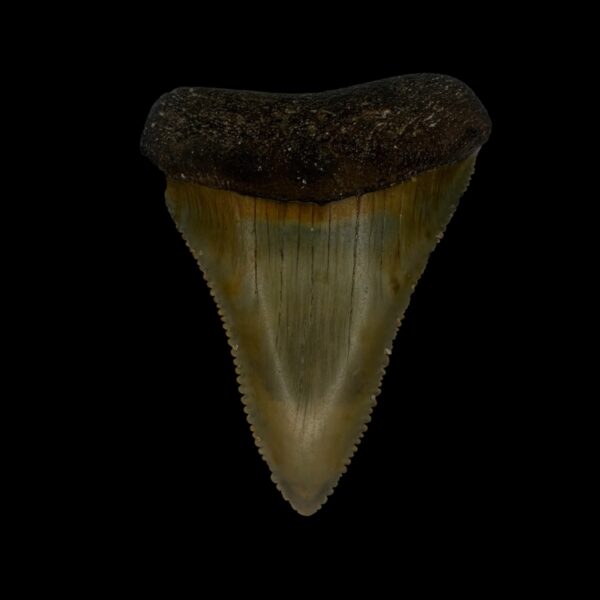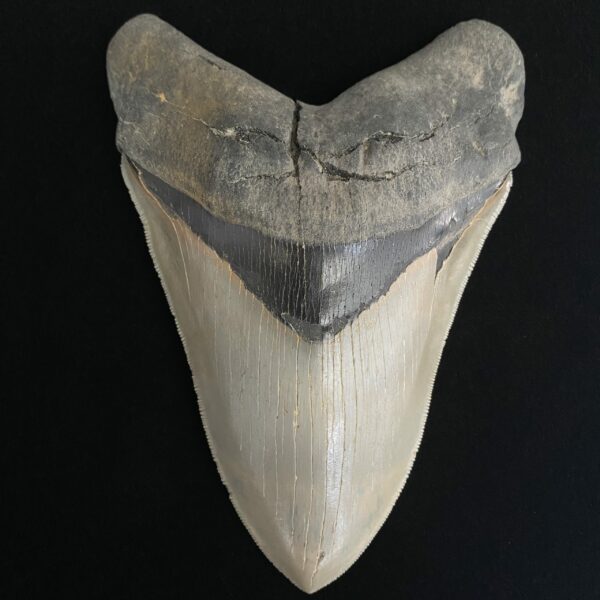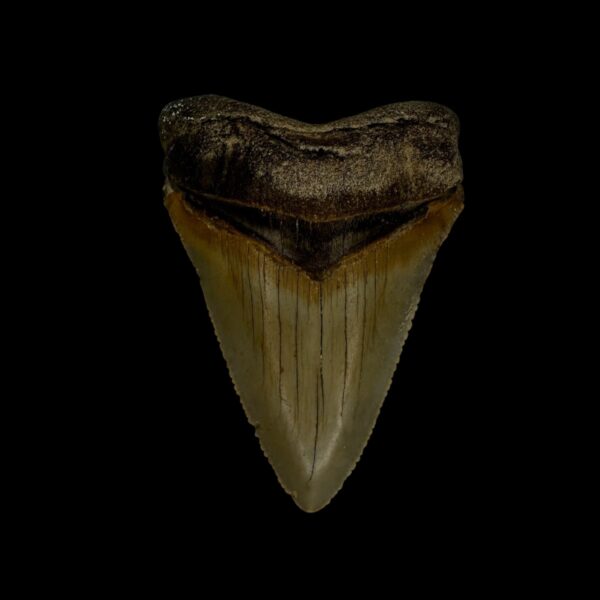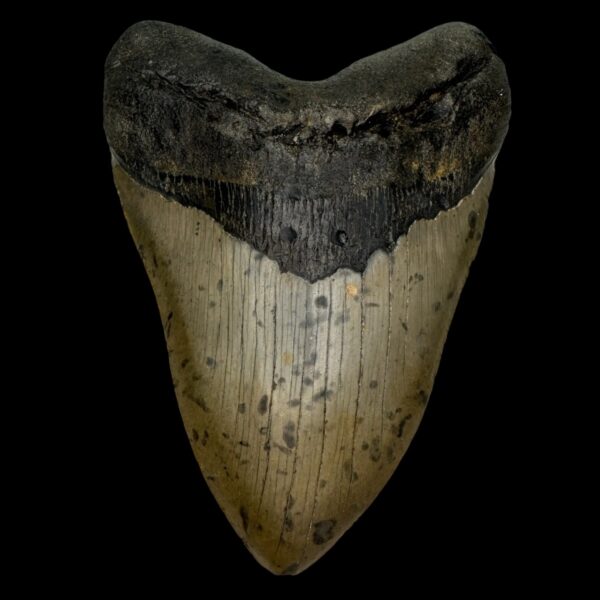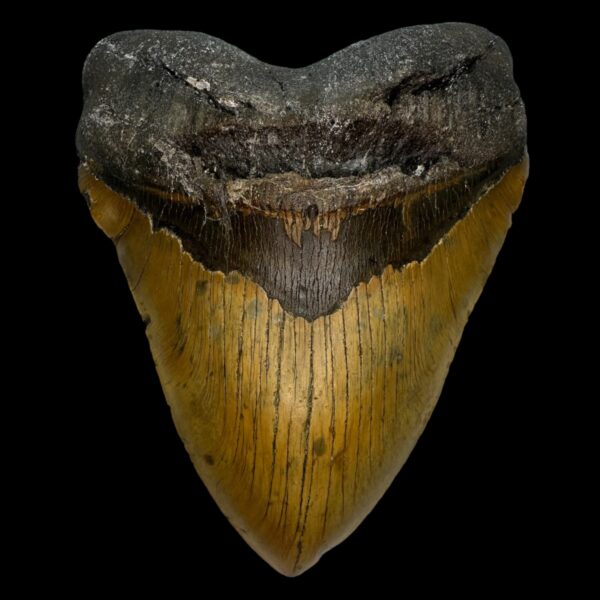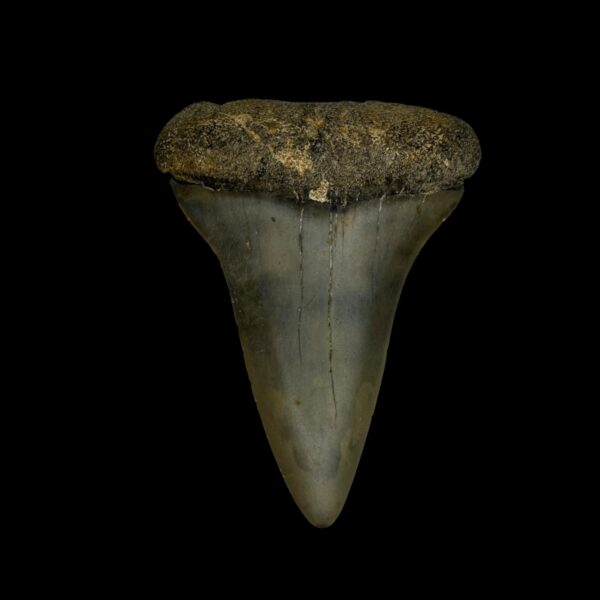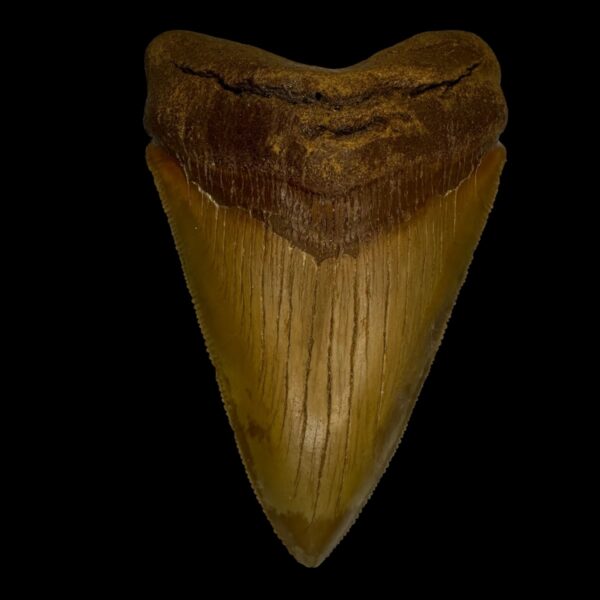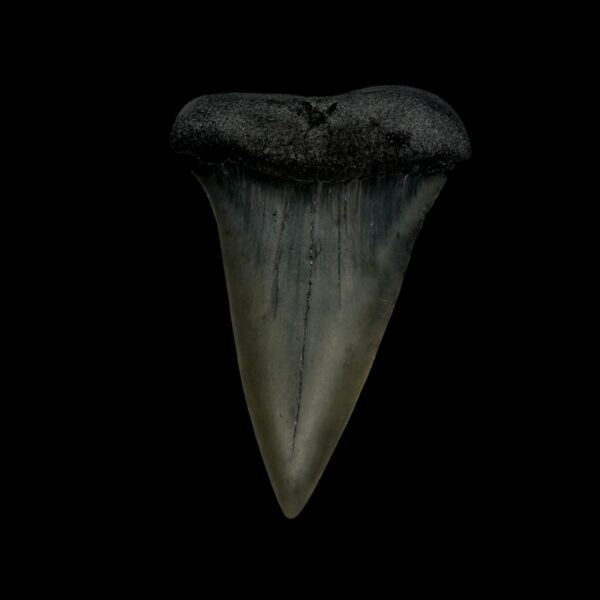
Pathological Megalodon Tooth 5.18 Inches: 5 Incredible Rare Features You Must See
pathological megalodon tooth 5.18 inches specimens are among the most unique fossils available to collectors. Unlike standard teeth, these exhibit natural irregularities that occurred during the Megalodon’s growth, making each piece truly one-of-a-kind.
Understanding the value of a pathological megalodon tooth 5.18 inches requires recognizing how rare these anomalies are. These fossils are not defects—they are natural variations that provide insight into prehistoric life.
1. What Makes a Tooth Pathological?
A pathological megalodon tooth 5.18 inches developed abnormal growth patterns due to injury, genetic variation, or environmental factors.
These irregularities may appear as:
- Unusual shapes
- Distorted edges
- Asymmetrical structures
This makes each specimen completely unique.
2. A Rare Category of Fossils
Pathological fossils represent a small percentage of all Megalodon teeth discovered. A pathological megalodon tooth 5.18 inches is significantly rarer than standard specimens.
Collectors often seek these fossils because they stand out from typical symmetrical teeth.
3. Scientific and Historical Value
A pathological megalodon tooth 5.18 inches provides insight into the life of the animal. These abnormalities can indicate:
- Injuries during feeding
- Growth disruptions
- Environmental stress factors
This adds scientific value beyond aesthetics.
4. Visual Uniqueness in Collections
One of the main reasons collectors value a pathological megalodon tooth 5.18 inches is its distinct appearance. No two pathological fossils are identical.
This uniqueness makes them excellent centerpiece items in fossil collections.
5. A Rare Collector’s Opportunity
Owning a pathological megalodon tooth 5.18 inches is an opportunity to acquire a fossil that differs from the norm. These pieces appeal to collectors who value rarity and individuality.
🦷 Featured Pathological Specimen
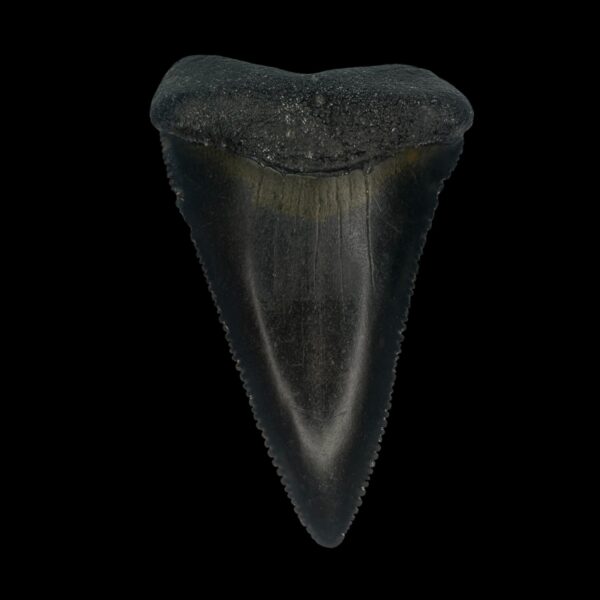
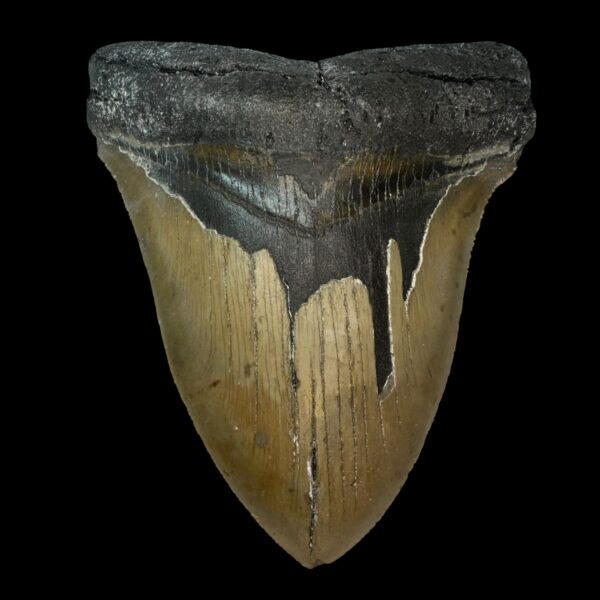
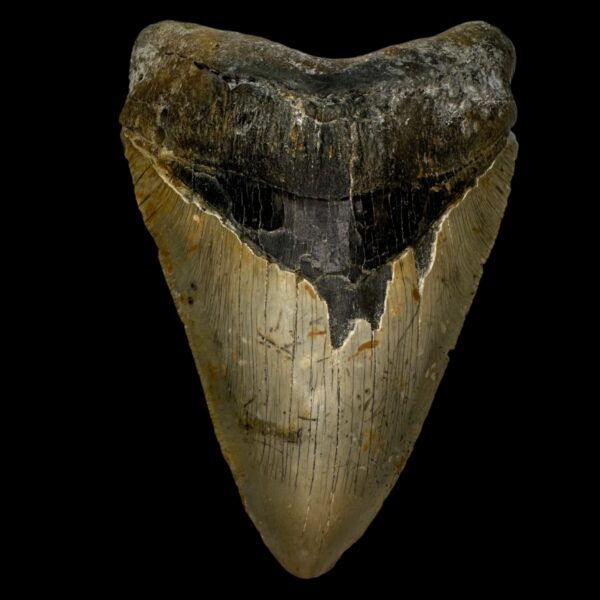
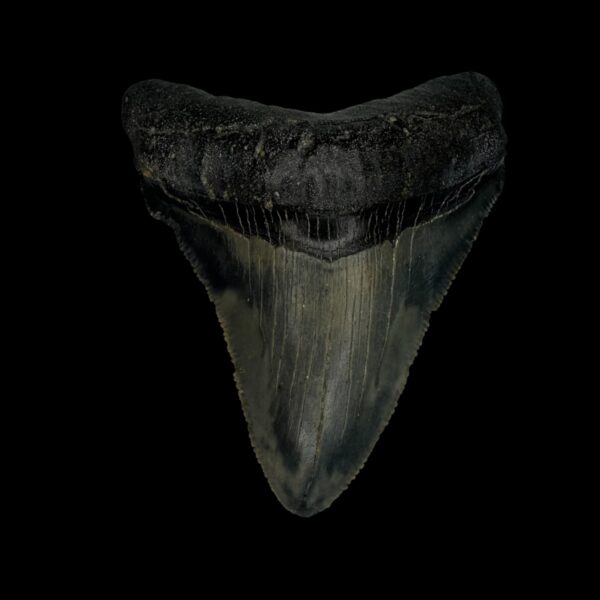
This pathological megalodon tooth 5.18 inches is a rare fossil that showcases natural irregular growth patterns. It is a perfect example of how prehistoric life could produce unique variations.
5.18” Pathological Megalodon Tooth – $595
How Pathological Fossils Are Evaluated
When analyzing a pathological megalodon tooth 5.18 inches, collectors focus on:
- The type of abnormality
- Structural integrity
- Overall preservation
The more distinct and well-preserved the irregularity, the more valuable the fossil becomes.
Why Collectors Seek Unusual Specimens
A pathological megalodon tooth 5.18 inches offers something that standard fossils cannot—individuality. These specimens represent rare biological variations that make them highly desirable.
Collectors often view them as conversation pieces due to their unusual appearance.
Museum-Level Appeal of Pathological Teeth
Pathological fossils are often displayed in museums because they tell a deeper story about prehistoric life. A pathological megalodon tooth 5.18 inches provides both visual and scientific interest.
This elevates it beyond a simple fossil into a true educational artifact.
Conclusion
The pathological megalodon tooth 5.18 inches is a rare and fascinating fossil that stands out due to its natural irregularities. Its uniqueness, scientific value, and collector appeal make it a highly desirable specimen.
FAQ
What is a pathological Megalodon tooth?
It is a tooth with natural growth abnormalities caused by injury or environmental factors.
Are pathological teeth rare?
Yes, they are much rarer than standard Megalodon teeth.
Do pathological fossils have value?
Yes, their uniqueness often increases collector interest and value.
Types of Pathological Variations in Megalodon Teeth
When studying a pathological megalodon tooth 5.18 inches, not all abnormalities are the same. Different types of pathological variations can occur depending on the cause.
- Growth deformation: Irregular tooth shape caused during development
- Injury-related damage: Structural changes due to trauma
- Enamel irregularities: Uneven surface texture or coloration
These variations make each pathological fossil unique and scientifically valuable.
Pathological vs Standard Megalodon Teeth
Comparing a pathological megalodon tooth 5.18 inches with a standard tooth highlights why these specimens are so unique.
- Standard teeth: Symmetrical and uniform
- Pathological teeth: Irregular and one-of-a-kind
While standard teeth are valued for their perfection, pathological teeth are valued for their individuality.