Perfecting 9 Proven Fossil Dating Methods Every Paleontology Enthusiast Should Learn
Introduction
Understanding Earth’s prehistoric past would be nearly impossible without reliable fossil dating methods. Every fossil discovered represents a moment in time, but determining exactly when an organism lived requires sophisticated scientific techniques. Over the past century, researchers have been perfecting fossil dating methods to reconstruct the history of life, identify evolutionary milestones, and understand how ancient ecosystems changed over millions of years.
Today, fossil dating methods combine geology, chemistry, biology, and physics to provide increasingly accurate estimates of fossil ages. Some techniques calculate an exact numerical age, while others determine the relative position of fossils within geological layers. Together, these approaches help scientists build the timeline of life on Earth.
In this educational guide, we’ll explore nine proven fossil dating methods that continue shaping modern paleontology and expanding our understanding of prehistoric history.
1. Fossil Dating Methods: Understanding Relative Dating
Relative dating is one of the oldest and most widely used fossil dating methods. Instead of providing an exact numerical age, it determines whether one fossil is older or younger than another based on its position within sedimentary rock layers.
According to the Principle of Superposition, lower sedimentary layers were generally deposited before the layers above them. By applying this principle, scientists reconstruct the sequence of geological events and place fossils within a chronological framework.
Perfecting fossil dating methods begins with mastering relative dating because it establishes the foundation for more advanced analytical techniques.
Why Relative Dating Remains Important
Even with modern technology, relative dating continues to play a critical role. It allows paleontologists to compare fossil sites across continents and reconstruct evolutionary sequences when absolute dating is unavailable.
2. Fossil Dating Methods: Radiometric Dating
Radiometric dating is among the most precise fossil dating methods available today. It measures the predictable decay of radioactive isotopes contained within volcanic rocks located near fossil-bearing sedimentary layers.
Scientists commonly analyze isotopes such as Uranium-238, Potassium-40, and Argon-40. Since radioactive decay occurs at constant rates, researchers can accurately estimate the age of surrounding geological formations.
Perfecting fossil dating methods through radiometric analysis has revolutionized paleontology by allowing fossils to be dated with remarkable precision.
Advantages of Radiometric Dating
Radiometric dating provides numerical ages expressed in millions of years, making it invaluable for constructing Earth’s geological timeline.
3. Fossil Dating Methods: Biostratigraphy
Biostratigraphy is one of the most practical fossil dating methods for comparing sedimentary rock layers.
Instead of relying on radioactive elements, scientists examine fossils of organisms known to have lived during specific periods. These “index fossils” help identify the relative age of surrounding rocks.
By comparing identical fossil species across multiple locations, researchers establish regional and even global geological correlations.
4. Fossil Dating Methods: Carbon Dating and Its Limitations
Carbon-14 dating is one of the best-known fossil dating methods, but it has important limitations.
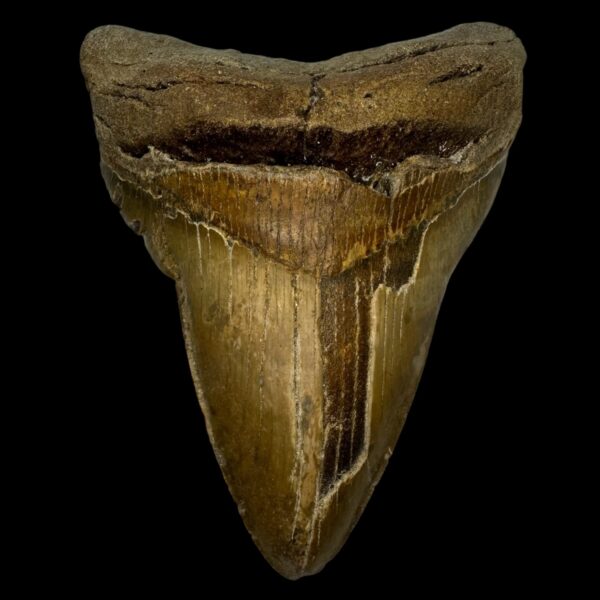
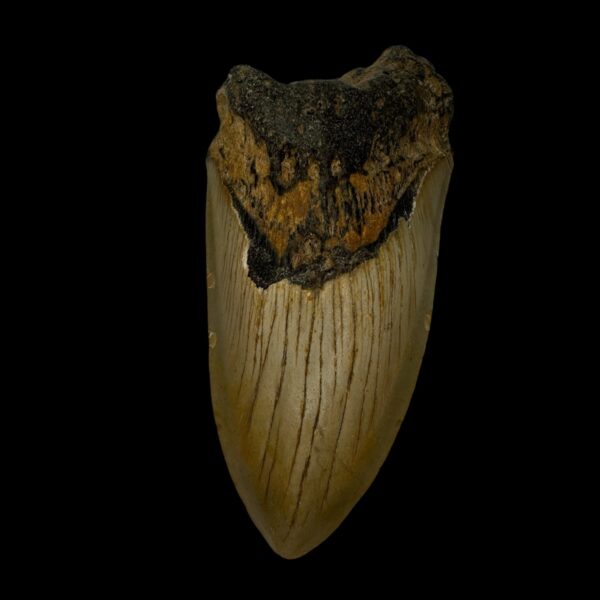
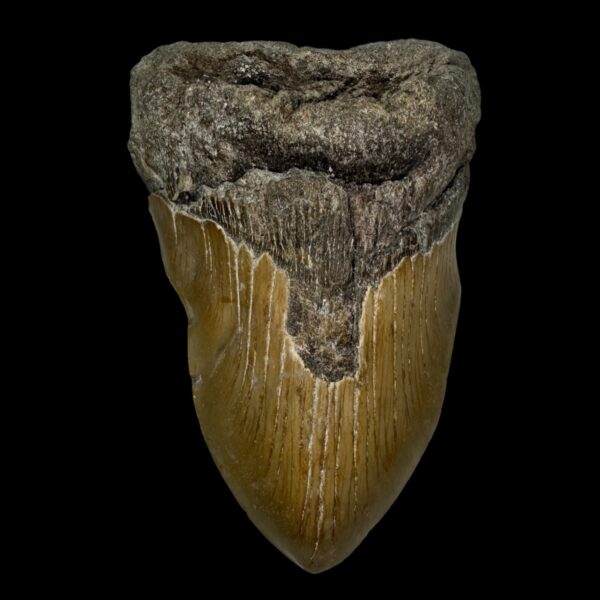
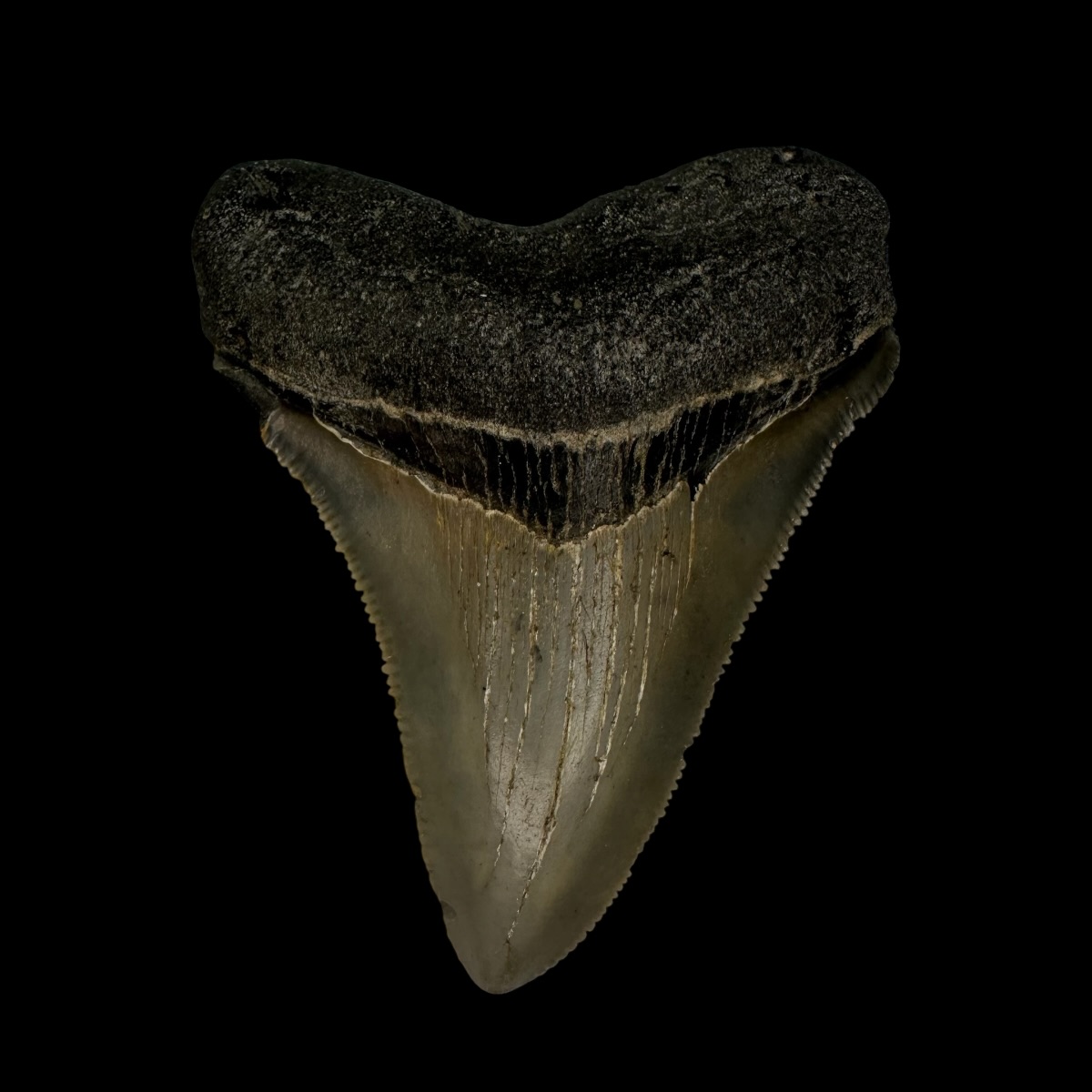
Unlike dinosaur fossils or Megalodon teeth, Carbon-14 only works for relatively recent organic remains up to approximately 50,000 years old.
Although unsuitable for ancient fossils, carbon dating remains extremely valuable for studying Ice Age mammals, archaeological discoveries, and recent geological events.
5. Fossil Dating Methods: Magnetostratigraphy
Earth’s magnetic field has reversed many times throughout history.
Magnetostratigraphy is one of the specialized fossil dating methods that analyzes magnetic minerals preserved within sedimentary rocks. These magnetic signatures allow scientists to correlate rock layers with known periods of magnetic reversal.
Combined with other dating techniques, magnetostratigraphy improves chronological accuracy considerably.
6. Fossil Dating Methods: Using Index Fossils
Index fossils remain one of the most effective fossil dating methods for correlating geological formations.
An ideal index fossil represents a species that existed for a relatively short geological period while being geographically widespread.
Because these organisms evolved rapidly and spread across large regions, they provide excellent markers for identifying the age of sedimentary rocks.
7. Fossil Dating Methods: Amino Acid Dating
Amino acid dating is another valuable addition to modern fossil dating methods.
After an organism dies, amino acids gradually change from one molecular form to another. Measuring this transformation allows researchers to estimate fossil age under certain environmental conditions.
Although not suitable for every fossil, amino acid dating complements other methods when applied correctly.
8. Fossil Dating Methods: Luminescence Dating
Luminescence dating measures the amount of energy trapped within mineral grains such as quartz and feldspar.
Among advanced fossil dating methods, this technique estimates when sediments were last exposed to sunlight or heat.
It is especially useful for dating fossil-bearing sediments where organic material is absent.
9. Fossil Dating Methods: Combining Multiple Scientific Techniques
Modern paleontology rarely depends on a single approach.
Instead, scientists improve accuracy by combining several fossil dating methods, including radiometric dating, biostratigraphy, magnetostratigraphy, and geological analysis.
Cross-checking results from multiple techniques produces far more reliable age estimates than relying on one method alone.
Perfecting fossil dating methods means continuously integrating new technologies with traditional geological principles.
Educational Importance of Fossil Dating Methods
Learning about fossil dating methods helps students understand how science reconstructs Earth’s ancient history through evidence rather than speculation.
These techniques demonstrate the collaboration between geology, chemistry, biology, and physics while teaching critical thinking and scientific reasoning.
By Perfecting their understanding of fossil dating methods, students gain a deeper appreciation for the processes that reveal the history of life on Earth.
Frequently Asked Questions
What are fossil dating methods?
Fossil dating methods are scientific techniques used to determine the age of fossils or the geological layers where fossils are found.
Which fossil dating method is the most accurate?
Radiometric dating is considered one of the most accurate fossil dating methods because it measures the predictable decay of radioactive isotopes.
Can Carbon-14 date dinosaur fossils?
No. Carbon-14 is only effective for relatively recent remains. Dinosaur fossils require other fossil dating methods, such as radiometric dating of nearby volcanic rocks.
Why do scientists combine different fossil dating methods?
Using multiple fossil dating methods increases confidence in age estimates and reduces uncertainty.
Conclusion: Perfecting Fossil Dating Methods for Future Discoveries
Perfecting fossil dating methods has transformed our understanding of prehistoric life. Through techniques such as relative dating, radiometric dating, biostratigraphy, magnetostratigraphy, and luminescence dating, scientists continue building an increasingly accurate timeline of Earth’s history.
Every improvement in fossil dating methods brings researchers closer to answering important questions about evolution, extinction, climate change, and biodiversity. These scientific advances not only benefit paleontologists but also inspire educators, students, collectors, and fossil enthusiasts around the world.
At The Fossil Exchange, authentic fossils are appreciated not only for their beauty but also for the scientific stories they preserve. Understanding fossil dating methods allows collectors to appreciate each specimen as a valuable record of Earth’s extraordinary past.