Mastering 8 Essential Fossil Preservation Methods Every Collector Should Know
Introduction
Every fossil tells a story that has survived millions of years beneath the Earth’s surface. However, once a fossil is discovered, its long-term survival depends on proper fossil preservation. Whether you are a collector, educator, museum Mastering curator, or simply fascinated by natural history, understanding how fossils are protected is essential for maintaining their scientific, historical, and educational value.
Mastering fossil preservation is not simply about storing specimens on a shelf. It involves careful cleaning, stabilization, environmental control, proper handling, and ethical conservation Mastering practices that prevent irreversible damage. Without these techniques, valuable fossils can deteriorate due to moisture, sunlight, temperature fluctuations, or improper handling.
In this educational guide, we’ll explore eight essential fossil Mastering preservation methods used by paleontologists and professional collectors around the world.
1. Fossil Preservation: Proper Mastering Excavation Is the First Essential Step
The first stage of effective fossil preservation begins before the specimen is removed from the ground. Paleontologists carefully document the fossil’s position, surrounding rock layers, and geological context before excavation starts. Every detail collected during this process helps preserve important scientific information.
Specialized excavation tools such as small chisels, brushes, dental picks, and plaster jackets are often used to protect fragile specimens during removal. Rushing this stage can permanently damage fossils or destroy valuable contextual evidence that helps scientists understand ancient environments.
Successful fossil preservation starts with patience and precision.
2. Fossil Mastering Preservation: Gentle Cleaning Protects Delicate Specimens
After excavation, the next priority in fossil preservation is cleaning the specimen carefully.
Removing sediment requires specialized techniques that protect the fossil’s natural surface. Paleontologists often use soft brushes, compressed air, wooden tools, and precision instruments rather than metal scrapers that could scratch or fracture delicate fossils.
Microscopic details preserved on fossil surfaces often provide important clues about growth, feeding behavior, and ancient environments. Proper cleaning Mastering ensures these scientific features remain intact.
3. Fossil Preservation: Stable Environmental Conditions Matter
One of the most overlooked aspects of fossil preservation is environmental control.
Temperature fluctuations, excessive humidity, direct sunlight, and rapid changes in moisture levels can gradually weaken fossils over time. Museums invest heavily in climate-controlled storage rooms because even slight environmental changes may affect fragile specimens.
Collectors should store fossils in cool, dry locations using acid-free storage materials whenever possible.
Maintaining stable environmental conditions greatly improves long-term fossil preservation.
4. Fossil Preservation: Proper Handling Prevents Damage
Correct handling techniques are essential for successful fossil preservation.
Every fossil should be lifted by its strongest structural areas while avoiding fragile edges or thin projections. Gloves may be recommended for particularly delicate specimens to prevent oils from human skin affecting fossil surfaces.
Proper display stands and padded storage containers reduce the risk of accidental drops or pressure damage during transportation and exhibition.
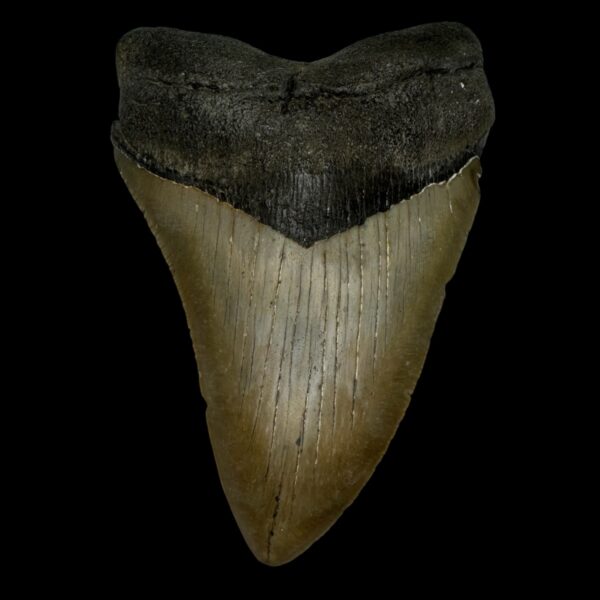
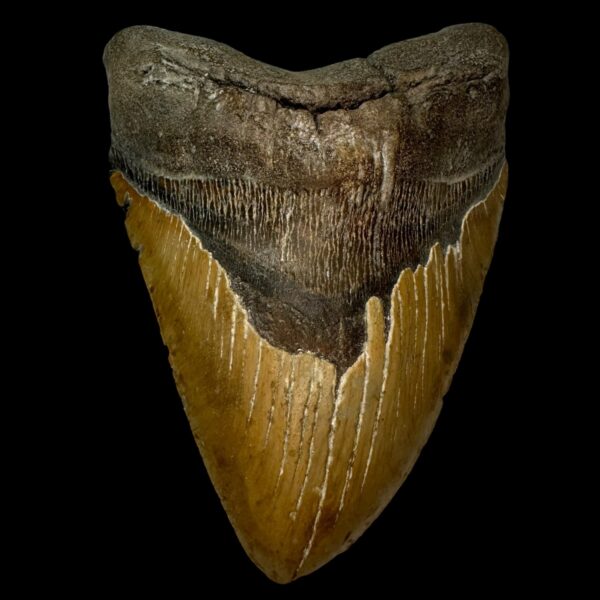
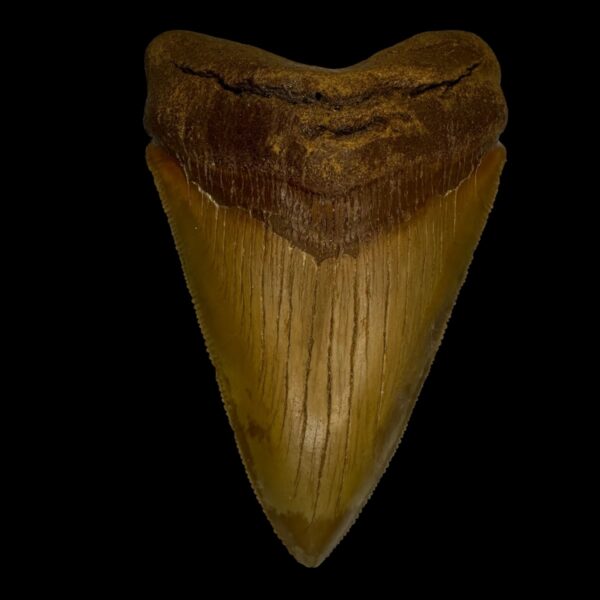
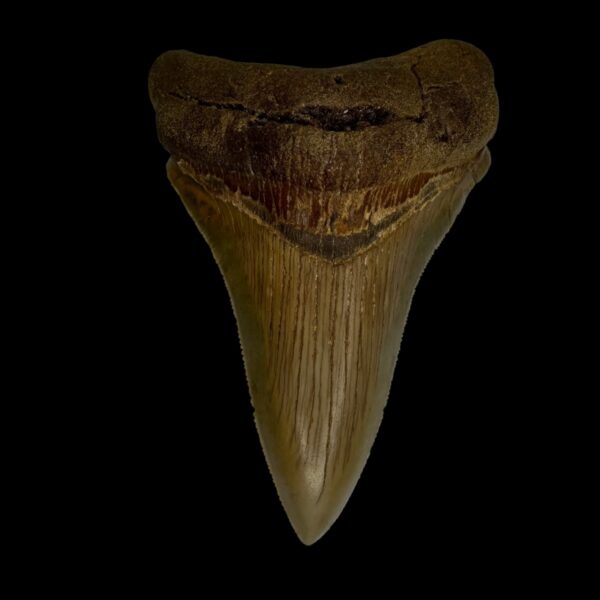
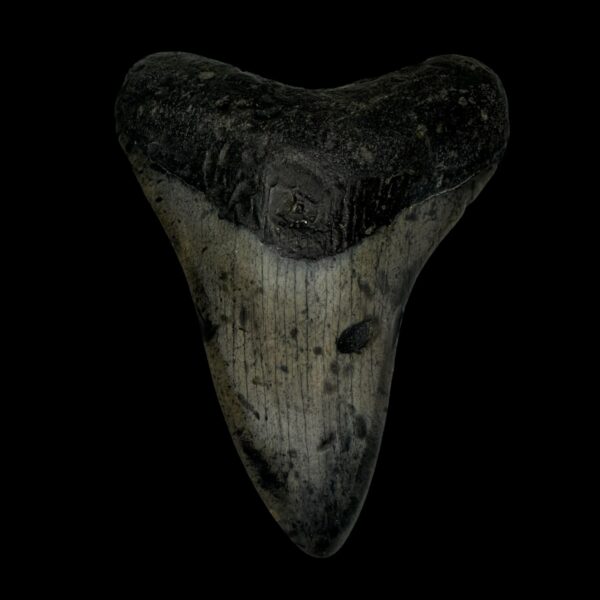
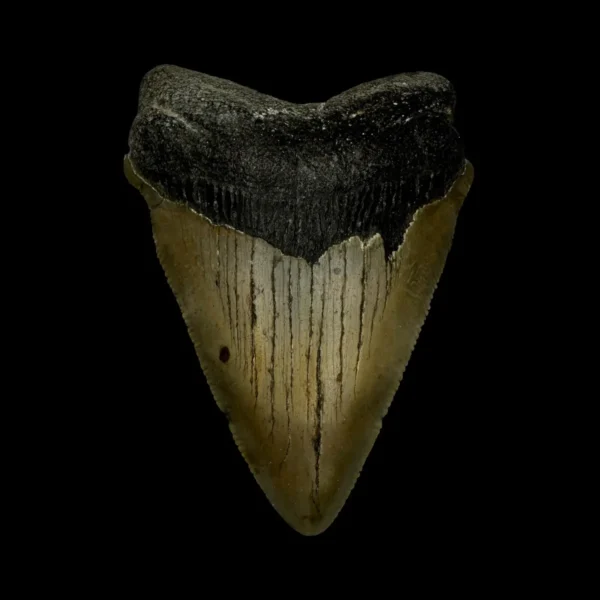
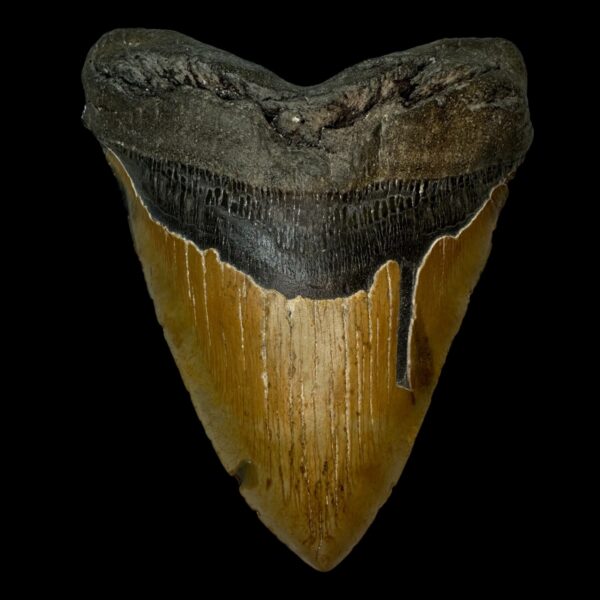
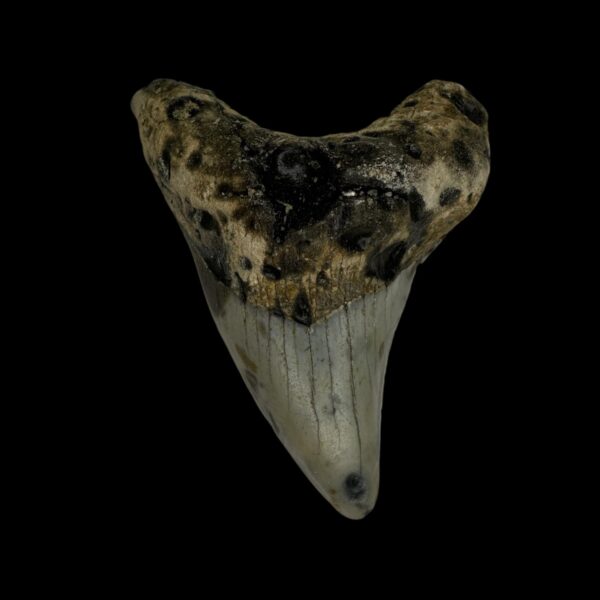
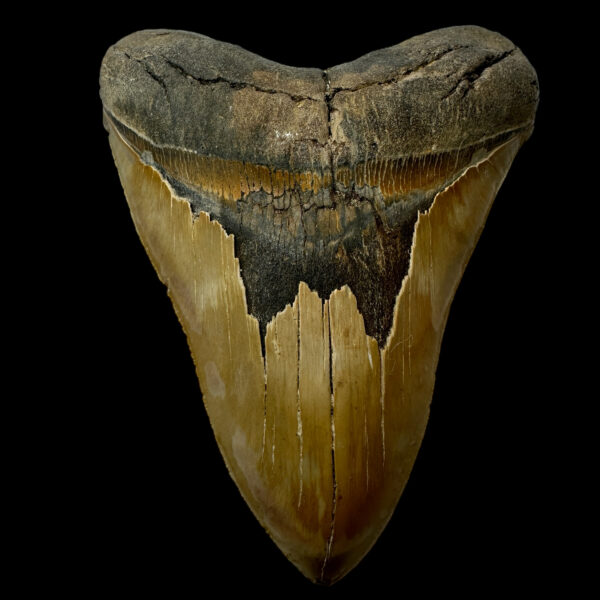
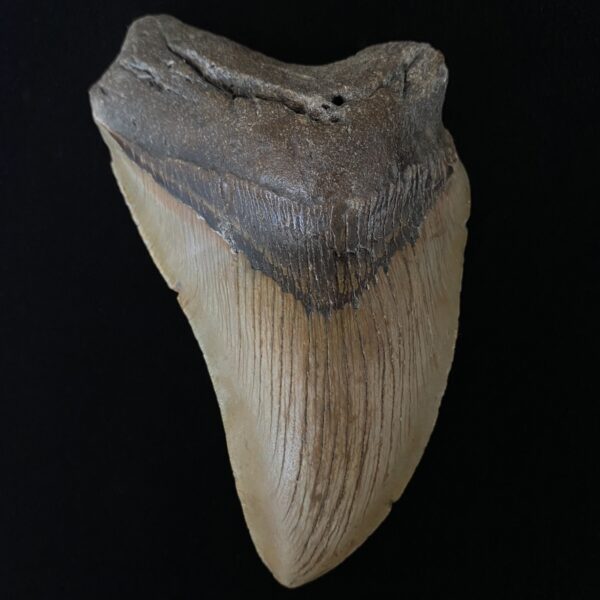
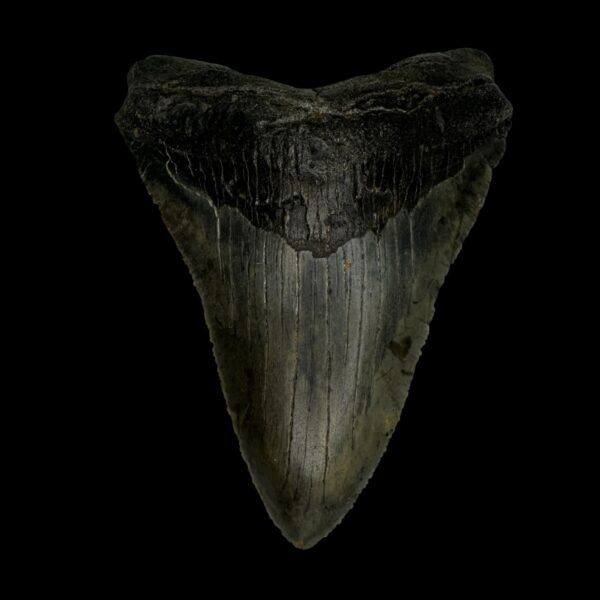
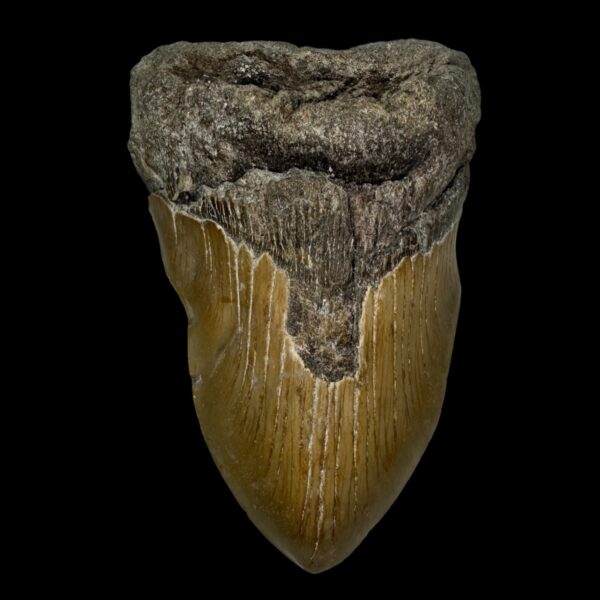
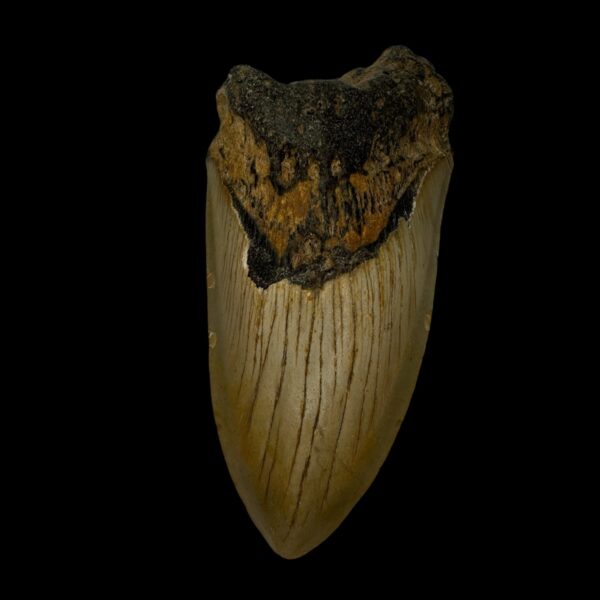
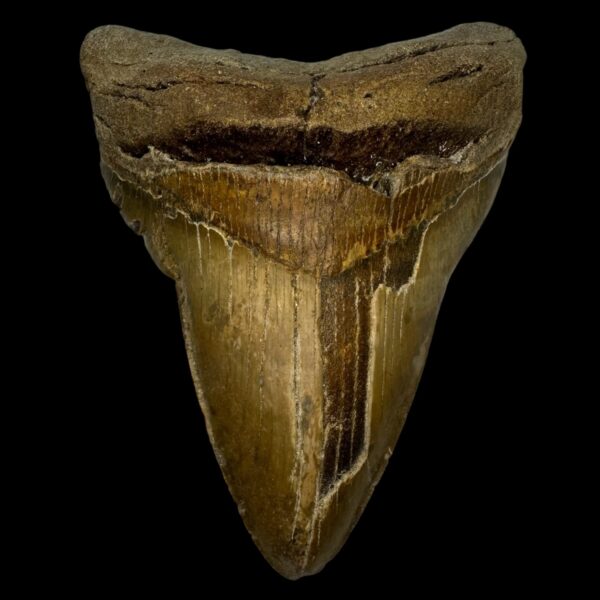
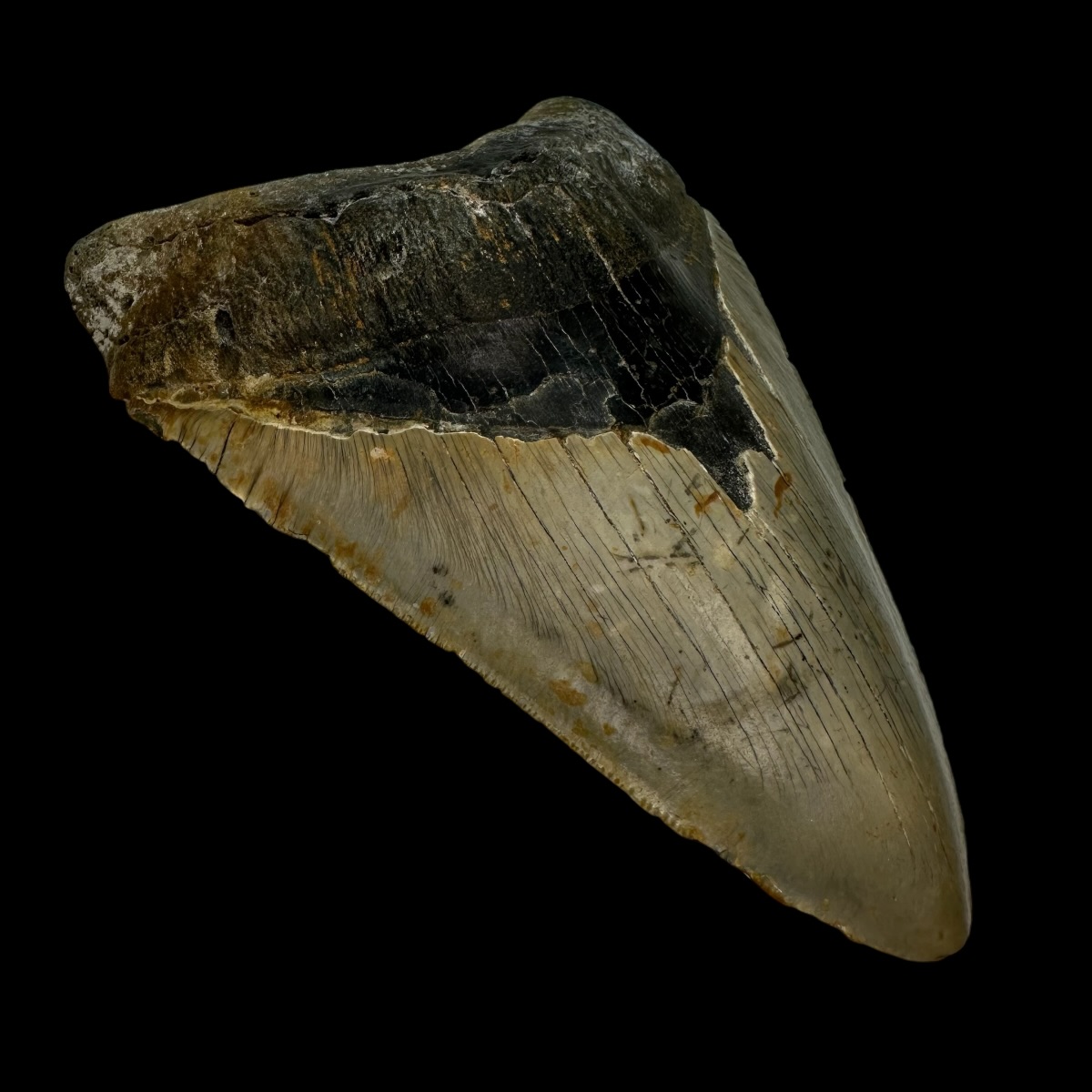
Even durable Megalodon teeth benefit from careful handling throughout their lifetime.
5. Fossil Preservation: Professional Conservation Materials Improve Longevity
Modern fossil preservation often relies on conservation-grade materials developed specifically for museum collections.
Professional conservators use reversible adhesives and stabilizing compounds that strengthen fossils without permanently altering their natural structure. If future conservation methods improve, these materials can often be removed safely without damaging the fossil.
This approach protects both the specimen and its long-term scientific value.
6. Fossil Preservation: Accurate Documentation Preserves Scientific Value
Documentation is an essential component of fossil preservation.
Each fossil should include records describing its discovery location, geological formation, estimated age, collector information, photographs, conservation history, and any restoration work performed.
Accurate documentation greatly increases both educational and scientific value while allowing future researchers to verify important information.
Without proper documentation, much of a fossil’s scientific significance can be lost.
7. Fossil Preservation: Ethical Practices Protect Authenticity
Responsible fossil preservation also includes maintaining scientific integrity.
Although repairs may occasionally be necessary, professionals avoid excessive reconstruction or artificial modifications that could mislead researchers or collectors.
Every restoration should be documented carefully so future scientists can distinguish original fossil material from restored sections.
Ethical preservation ensures fossils remain reliable scientific resources.
8. Fossil Preservation: Supporting Future Scientific Research
The ultimate purpose of fossil preservation extends well beyond personal collecting.
Each protected fossil contributes to future research in paleontology, geology, climate science, and evolutionary biology. New technologies continue revealing information from fossils that previous generations could not detect.
Proper preservation guarantees that future scientists will still be able to study these specimens using advanced analytical techniques.
Every preserved fossil becomes an investment in future scientific discovery.
Educational Importance of Fossil Preservation
Learning about fossil preservation helps students understand that fossils are much more than beautiful objects. They are irreplaceable scientific records that document millions of years of Earth’s biological and geological history.
Studying fossil preservation introduces learners to topics such as geology, chemistry, conservation science, museum studies, and environmental stewardship. It also encourages responsible collecting practices that respect both scientific research and natural heritage.
Understanding fossil preservation inspires future generations to value and protect Earth’s prehistoric record.
Conclusion: Mastering Fossil Preservation for Future Generations
Mastering fossil preservation is essential for protecting the incredible stories preserved inside every fossil. From careful excavation and gentle cleaning to ethical conservation and accurate documentation, each preservation method plays a vital role in ensuring these remarkable specimens remain available for education, research, and public appreciation.
Whether displayed in museums, studied by scientists, or collected by enthusiasts, fossils continue connecting us with life that existed millions of years ago.
At The Fossil Exchange, every authentic fossil represents not only a fascinating collectible but also a valuable piece of Earth’s natural history. Through responsible fossil preservation, these extraordinary specimens can continue educating and inspiring future generations for decades to come