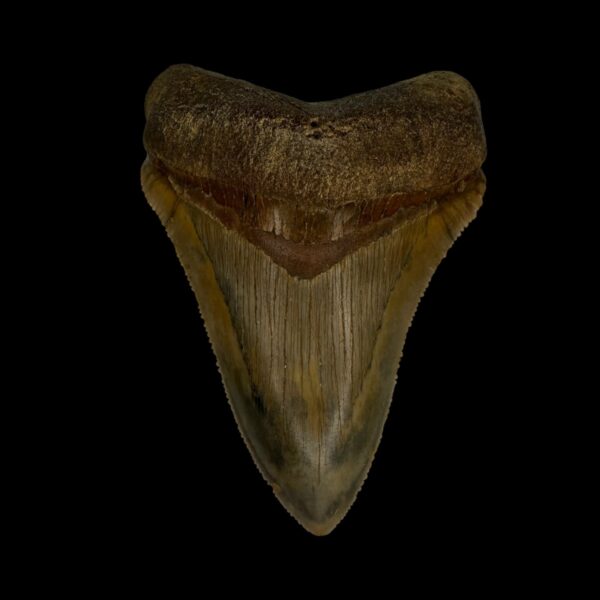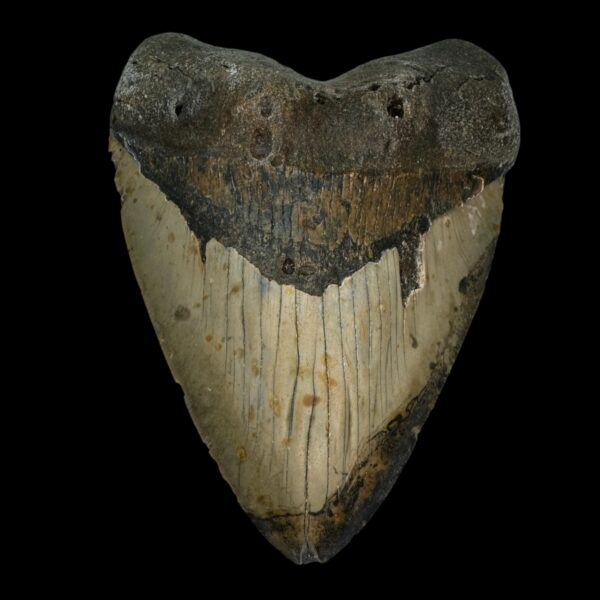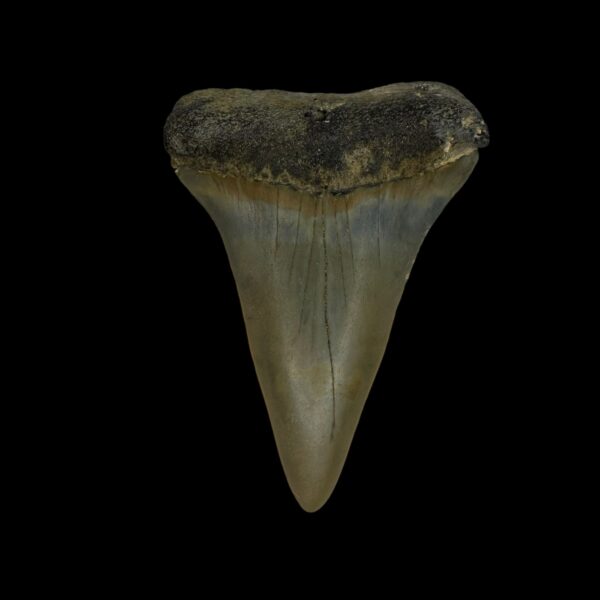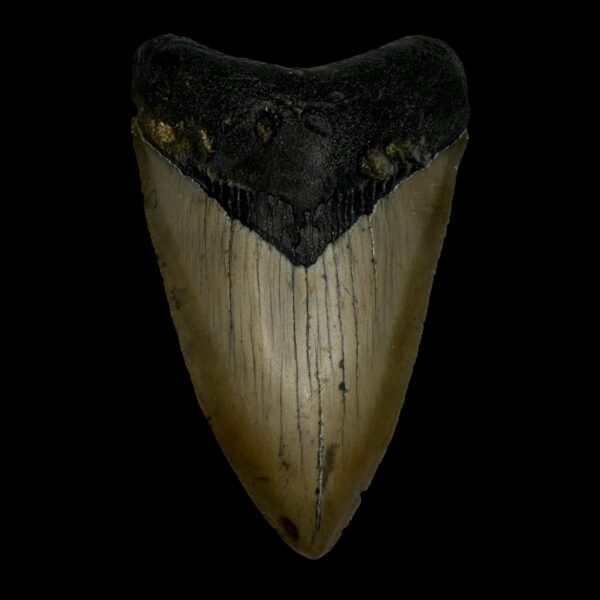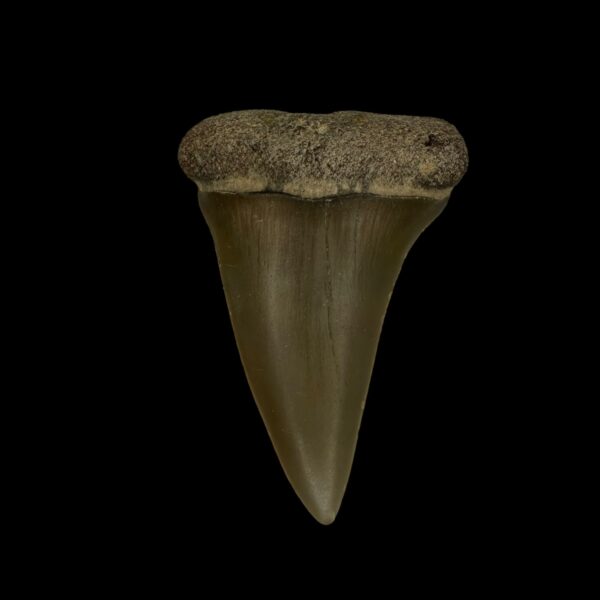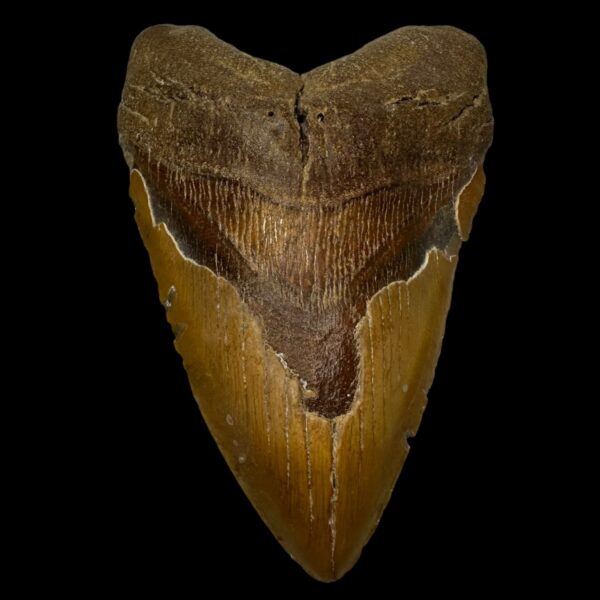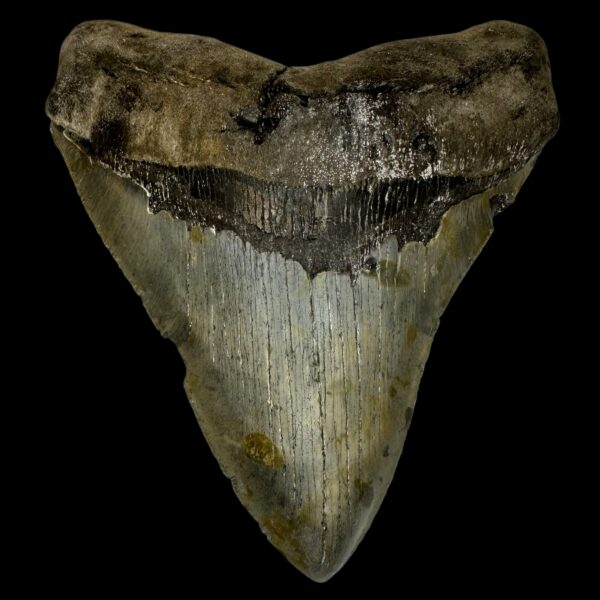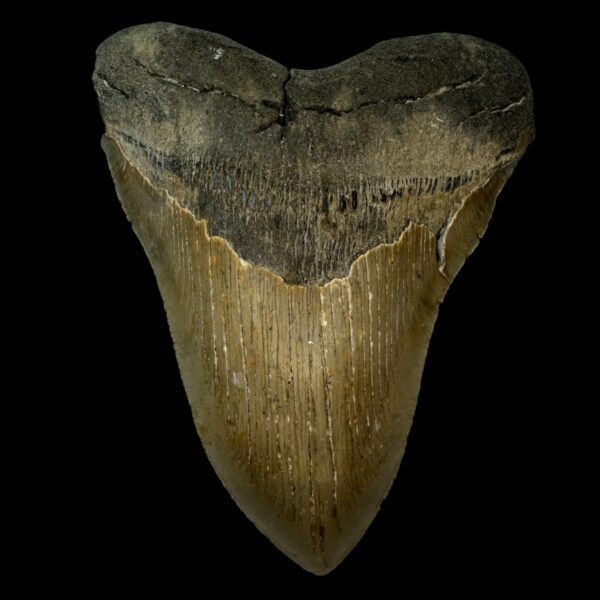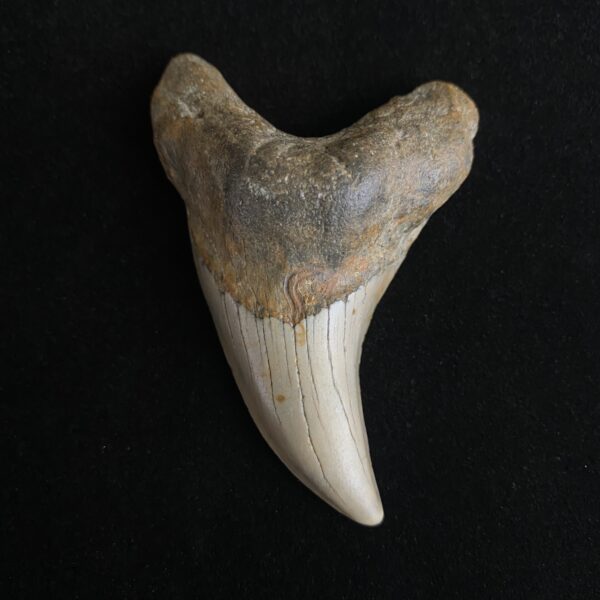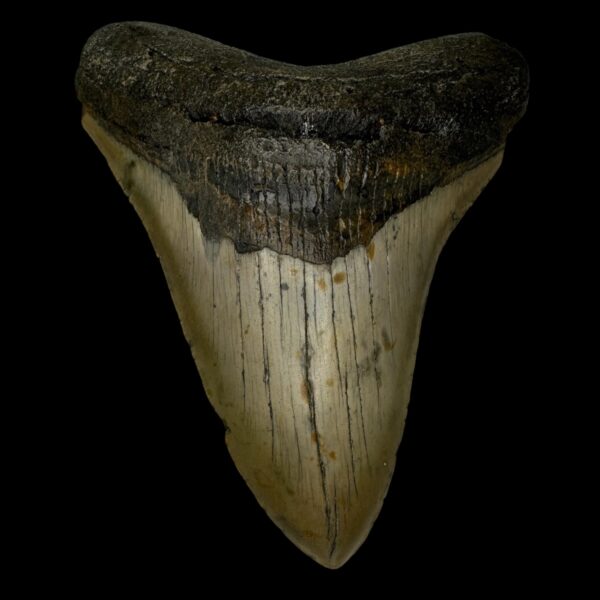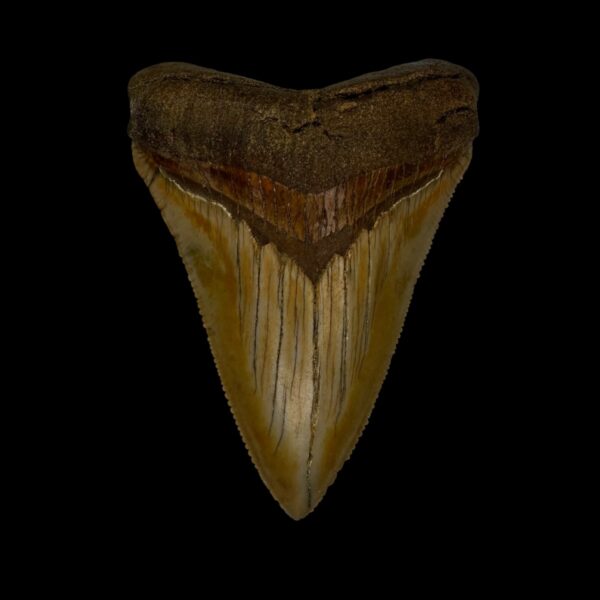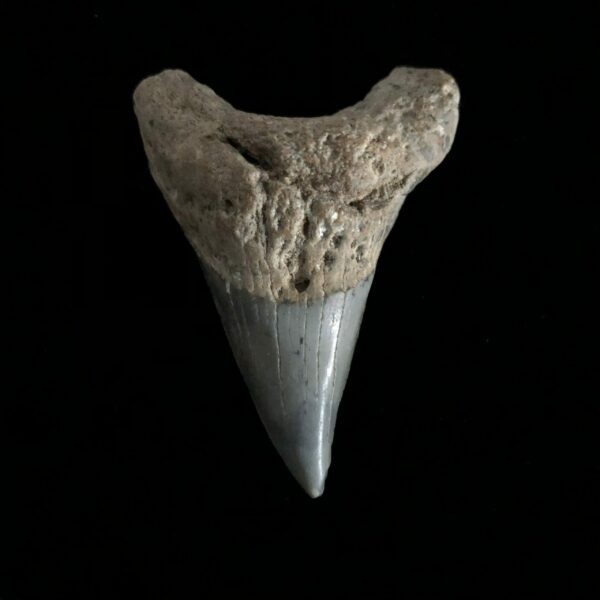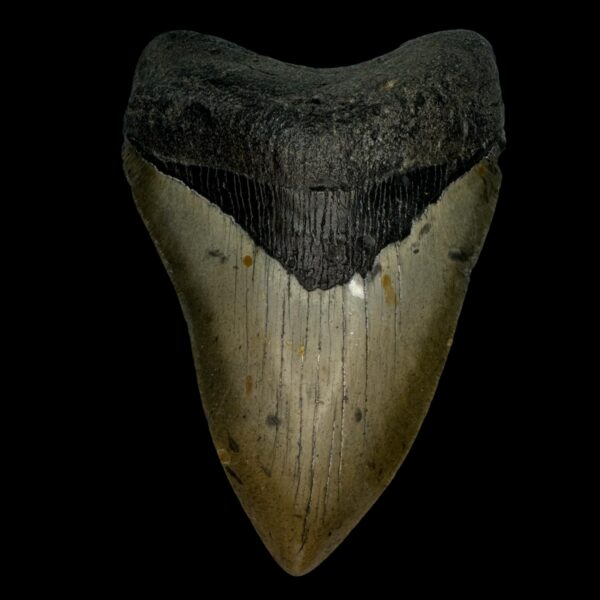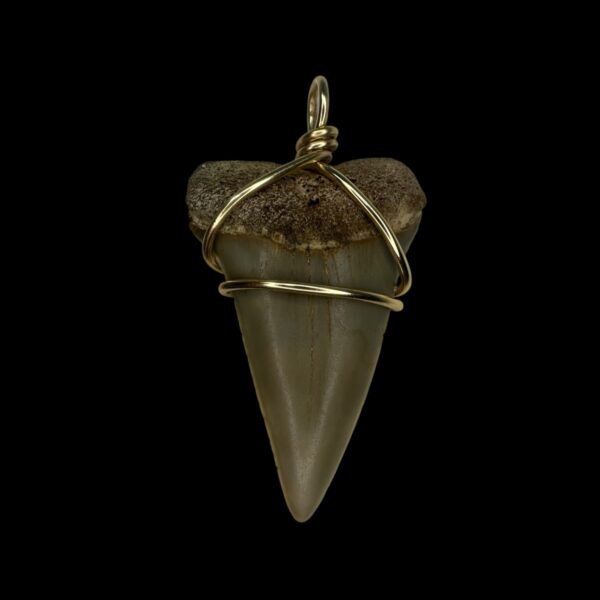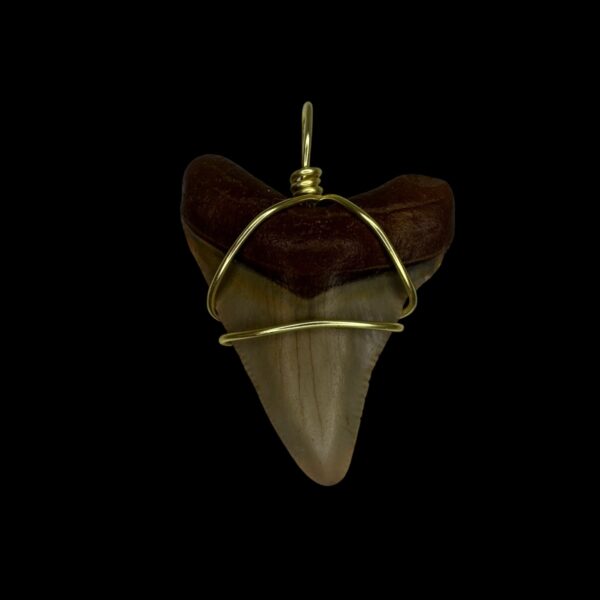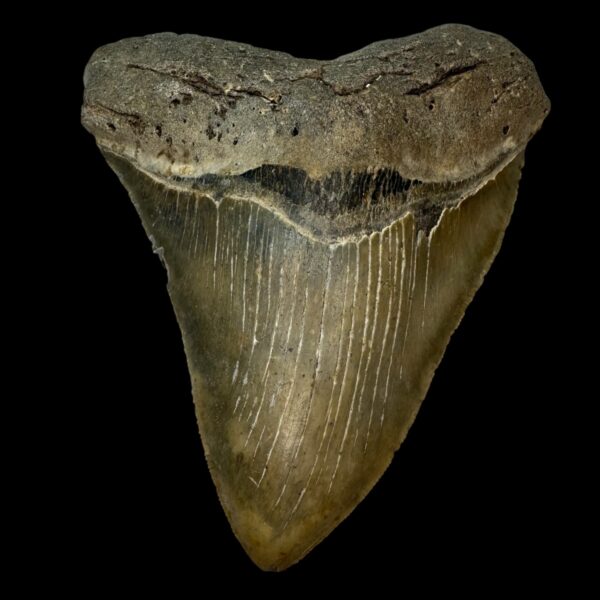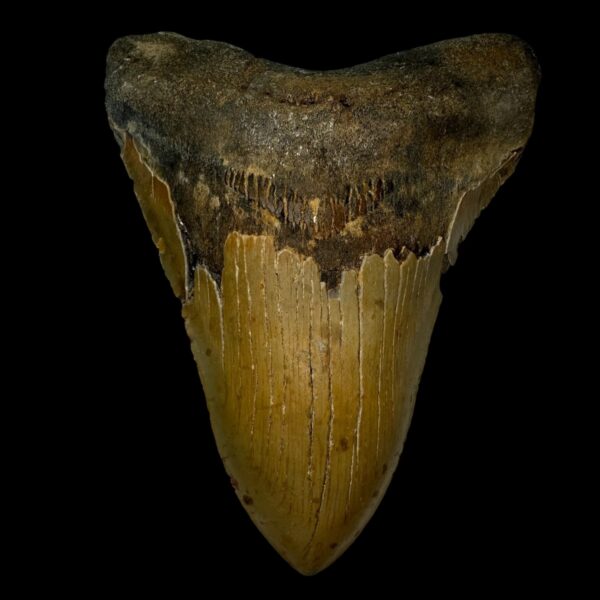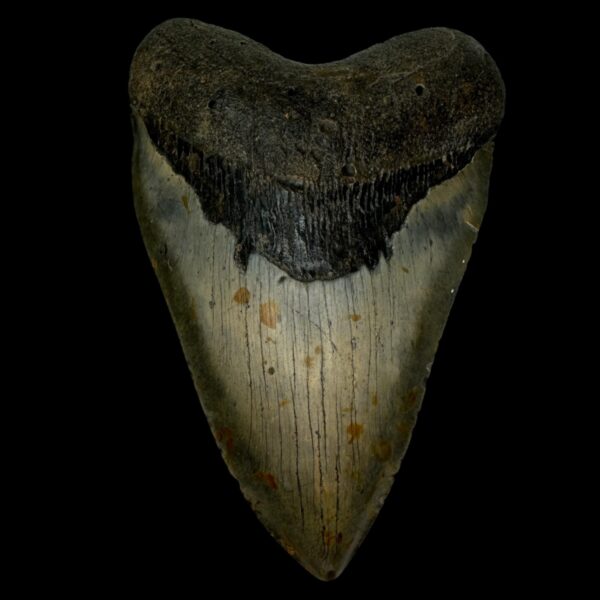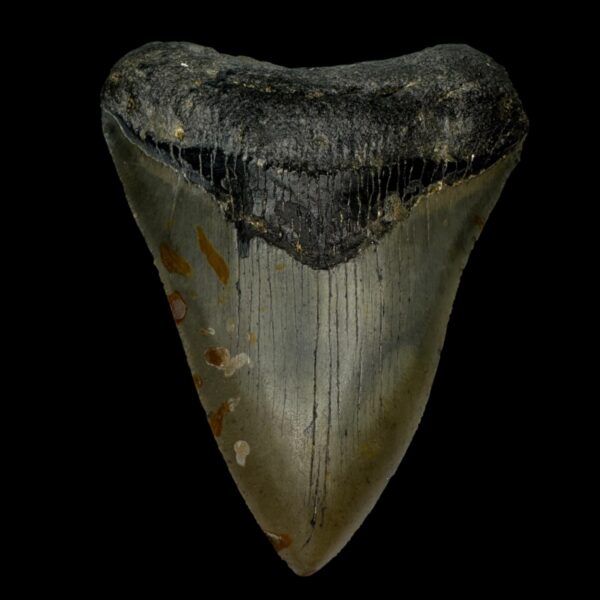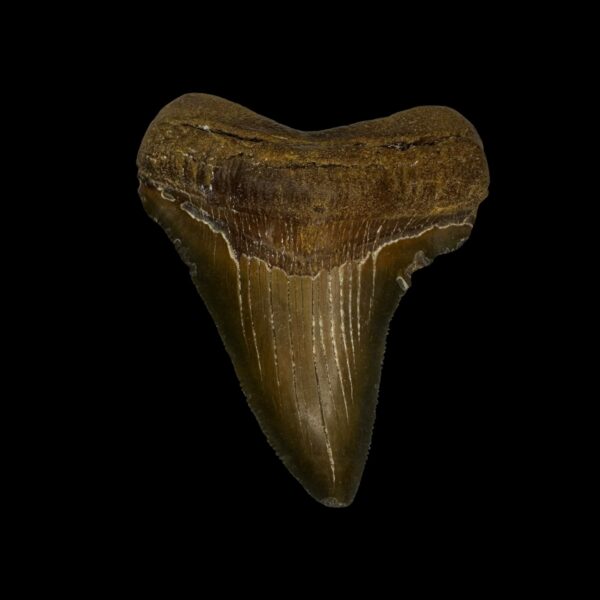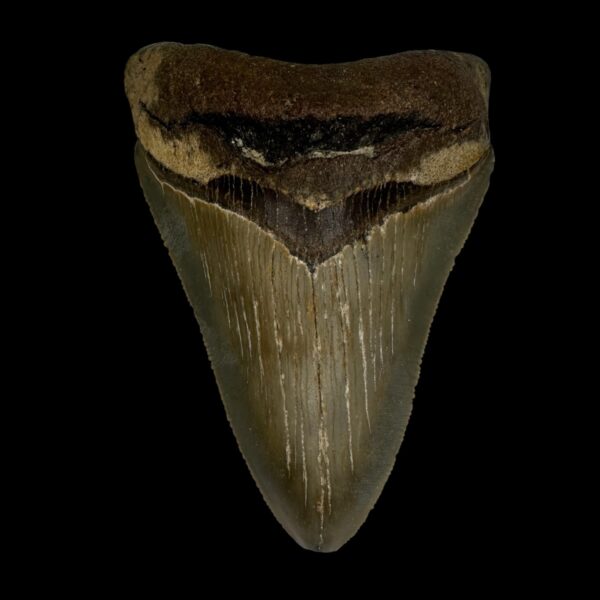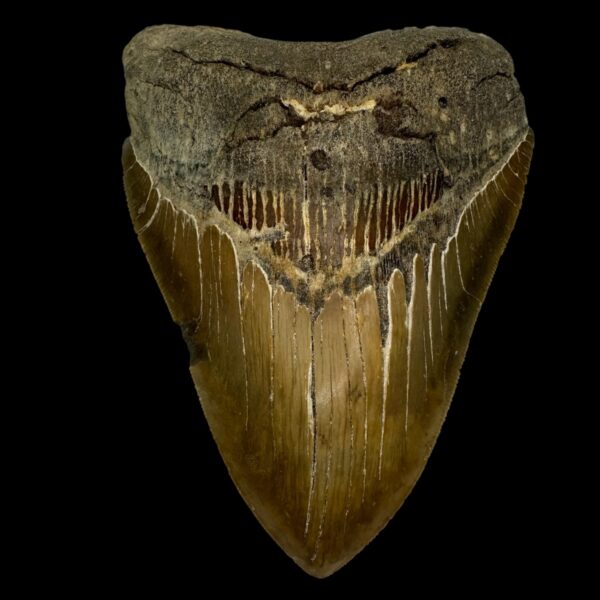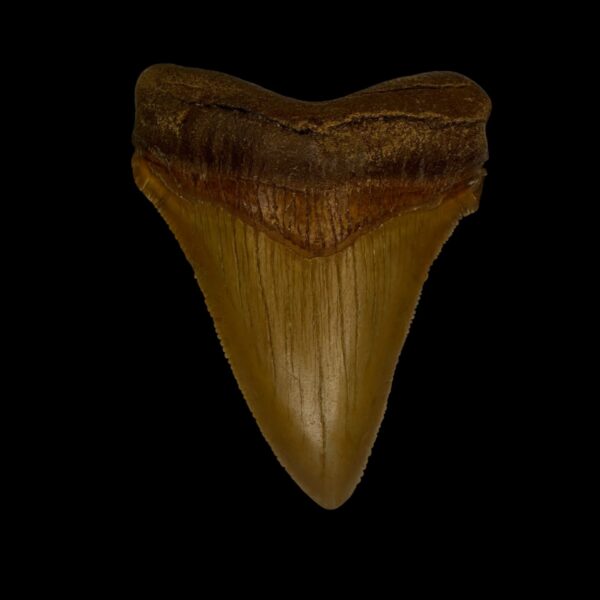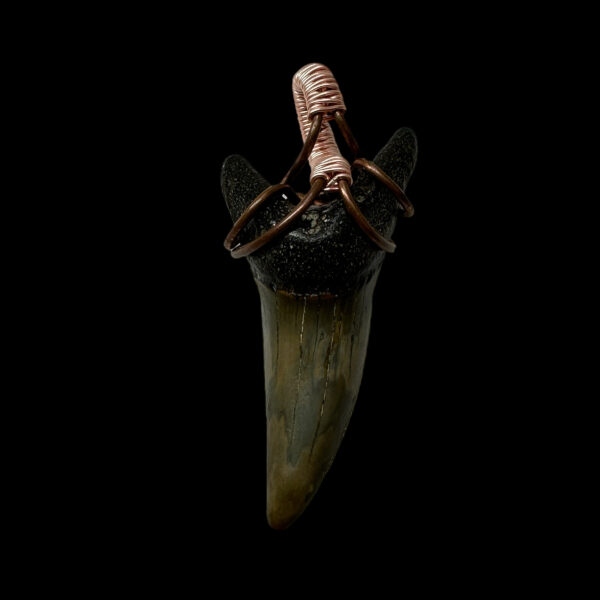

Contrasting 8 Impressive Megalodon Tooth Sizes and What They Reveal
Megalodon tooth size is one of the first characteristics collectors
notice when examining fossils from the enormous extinct shark
Otodus megalodon. While even smaller Megalodon teeth can be impressive,
specimens exceeding five inches command immediate attention because they demonstrate
the extraordinary scale reached by this prehistoric predator.
However, Megalodon tooth size means much more than simply determining
which specimen is largest. Tooth dimensions can be influenced by jaw position,
individual variation, growth, preservation, and the method used to measure the fossil.
Scientists also use fossil teeth as part of broader research into Megalodon anatomy and
body size. Because complete skeletons are extraordinarily rare, teeth provide some of
the most important evidence available for reconstructing this extinct shark.
By Contrasting Megalodon tooth size across eight practical ranges, we
can better understand why teeth vary so dramatically and what collectors should consider
before interpreting the dimensions of an individual specimen.
1. Megalodon Tooth Size Under 2 Inches
A Megalodon tooth size below two inches may appear small when compared
with the giant specimens commonly featured in museums and premium fossil collections.
However, smaller teeth are an important part of understanding Megalodon biology.
Not every tooth inside a shark’s mouth has identical dimensions. Tooth size and shape
vary according to position within the jaw, and individuals at different stages of
growth can also produce teeth of different dimensions.
Why Small Megalodon Teeth Matter
Small Megalodon teeth can preserve excellent anatomical features despite their reduced
size. A well-preserved specimen may display visible serrations, a complete root,
attractive enamel, and recognizable crown morphology.
For educational collections, these teeth can be useful because they demonstrate that
Megalodon should not be understood only through exceptionally large specimens.
2. Megalodon Tooth Size from 2 to 3 Inches
The two-to-three-inch range provides another opportunity to study variation in
Megalodon tooth size.
Specimens within this range can display the broad triangular crown, serrated cutting
edges, substantial root, and other characteristics associated with Megalodon teeth.
The relationship between size and jaw position is especially important. A smaller tooth
does not automatically mean it came from a dramatically smaller shark.
Jaw Position Changes Tooth Dimensions
Shark dentitions are organized according to functional positions. Teeth from different
areas of the jaw can vary in width, curvature, height, and orientation.
This means paleontologists should not interpret every tooth as though it occupied the
same anatomical position.
Understanding this variation is essential when using Megalodon tooth size
to discuss the animal that produced a particular specimen.
3. Megalodon Tooth Size from 3 to 4 Inches
A Megalodon tooth size between three and four inches creates an
impressive visual representation of this extinct shark while remaining substantially
smaller than the largest known specimens.
Within this range, collectors can encounter teeth with excellent serrations, attractive
mineral coloration, complete roots, and distinctive crown shapes.
Size Is Only One Measure of Quality
A four-inch tooth with exceptional preservation may be more desirable to some collectors
than a larger specimen with extensive damage.
Factors such as crown condition, root completeness, serration preservation, tip quality,
natural coloration, provenance, and restoration should be evaluated alongside size.
For this reason, Megalodon tooth size should never become the only
criterion used to evaluate a fossil.
4. Megalodon Tooth Size from 4 to 5 Inches
Once a Megalodon tooth size reaches the four-to-five-inch range, the
physical scale of Megalodon becomes increasingly apparent.
These teeth can make substantial display specimens, particularly when the crown, root,
serrations, and tip remain well preserved.
Their dimensions also make anatomical characteristics easier to examine without
magnification.
What Can Be Studied on Larger Teeth?
Collectors and students can examine crown proportions, serration patterns, enamel
surfaces, root structure, the bourlette region, natural wear, and mineralization.
Differences between anterior, lateral, and more posterior tooth positions may also
become easier to recognize when comparing several specimens.
5. Megalodon Tooth Size from 5 to 5.5 Inches
Crossing the five-inch threshold represents an important visual milestone for many
collectors interested in Megalodon tooth size.
A tooth exceeding five inches is an undeniably large fossil. When combined with strong
preservation, complete anatomical features, and attractive natural mineralization, it can
become a centerpiece within a prehistoric shark collection.
Why Preservation Still Matters Above Five Inches
Large dimensions do not guarantee exceptional condition.
A tooth can experience erosion, damaged serrations, a broken tip, root loss, natural
fractures, or geological abrasion during millions of years of burial and exposure.
Collectors should therefore distinguish between size and preservation. Both contribute
to the overall character of a fossil, but they describe different qualities.
6. Megalodon Tooth Size from 5.5 to 6 Inches
A Megalodon tooth size approaching six inches belongs to a particularly
impressive category of fossil shark teeth.
Specimens within this range demonstrate the extraordinary dimensions that Megalodon
dentition could achieve. They can also become increasingly desirable when large size is
combined with excellent anatomical preservation.
Why Large Megalodon Teeth Attract Collectors
Large teeth create immediate visual impact, but their appeal also comes from the
difficulty of finding substantial specimens that retain desirable features.
A fossil may survive millions of years yet still experience considerable geological
damage before discovery.
Finding a large tooth with strong serrations, a substantial root, preserved crown
surfaces, and limited restoration can therefore be especially interesting to collectors.
7. Megalodon Tooth Size from 6 to 6.5 Inches
Once Megalodon tooth size exceeds six inches, the specimen enters a
size range that receives significant attention among serious collectors.
Six-inch-class teeth provide dramatic evidence of the scale of Megalodon dentition.
However, they must still be interpreted carefully when discussing the total body size
of the shark.
Does a Six-Inch Tooth Reveal Exact Shark Length?
No. A fossil tooth cannot provide a perfectly exact body length by itself.
Researchers can develop estimates by studying relationships between tooth dimensions,
tooth position, jaw proportions, and comparisons with relevant living and extinct
sharks. These models are valuable scientific tools, but they involve assumptions and
uncertainty.
The same Megalodon tooth size can also have different implications
depending on where the tooth was positioned within the jaw.
8. Megalodon Tooth Size Above 6.5 Inches
A Megalodon tooth size beyond six and a half inches represents the
extreme upper end encountered among Megalodon fossils.
Specimens in this category attract enormous interest because only a small proportion of
Megalodon teeth reach such exceptional dimensions.
At these sizes, measurement technique becomes especially important. Even small
differences in how a tooth is measured can influence the reported dimension.
Exceptional Size Requires Careful Documentation
Collectors evaluating exceptionally large teeth should pay close attention to how the
measurement was obtained and whether major restoration affects the specimen.
The most meaningful comparison comes from specimens measured using the same method.
Clear photographs, provenance, condition information, and restoration disclosure also
provide valuable context.
Exceptional Megalodon tooth size is impressive, but reliable
documentation makes that measurement much more useful.
How Megalodon Tooth Size Is Measured
Understanding Megalodon tooth size requires a consistent measurement
method. Fossil shark teeth are not simple rectangles, so measuring straight from the
center of the root to the tip may produce a different number from measuring along the
longest diagonal.
Collectors commonly describe large Megalodon teeth using maximum slant height. This
measurement generally follows the longest distance from the tip of the crown toward the
outermost portion of the root.
However, measurement practices can vary between collectors, researchers, dealers, and
historical records.
Why Consistent Measurement Matters
Imagine two people measuring the same tooth using different reference points. Both may
report measurements that appear reasonable, but the numbers may not be directly
comparable.
For this reason, discussions of Megalodon tooth size are most useful
when the measurement method is clearly stated.
Megalodon Tooth Size and Jaw Position
One of the biggest mistakes when interpreting Megalodon tooth size is
assuming that every tooth within the mouth had the same dimensions and shape.
Shark teeth vary according to their position within the jaw.
Anterior Teeth
Teeth positioned toward the front of the jaw can display tall, relatively symmetrical
crowns suited to their functional position.
Lateral Teeth
Moving toward the sides of the jaw, teeth may become increasingly angled or asymmetrical.
Their crown proportions can change even though they came from the same animal.
Posterior Teeth
More posterior positions generally contain smaller teeth with different proportions.
This positional variation means a smaller Megalodon tooth should not automatically be
interpreted as belonging to a juvenile shark.
Jaw position must be considered when scientists use tooth dimensions to investigate the
biology of extinct sharks.
Megalodon Tooth Size and the Age of the Shark
Another common question is whether Megalodon tooth size can reveal the
age of the individual shark.
Larger individuals generally have the potential to produce larger teeth, so tooth
dimensions can contribute to discussions of growth and body size. However, the
relationship is not simple enough to determine an exact age from a single tooth.
Tooth position, individual variation, preservation, and measurement technique can all
influence the observed size.
Researchers therefore avoid treating one measurement as a direct biological clock.
What About Juvenile Megalodon Teeth?
Smaller Megalodon specimens recovered from geological environments interpreted as
nursery habitats have contributed to research about juvenile sharks and early life
stages.
However, researchers examine entire fossil assemblages and geological context rather
than assuming every small tooth automatically represents a juvenile.
This distinction is critical for scientifically responsible interpretation.
Megalodon Tooth Size and Estimated Body Length
Perhaps the most fascinating question surrounding Megalodon tooth size
is what it can reveal about the total dimensions of the animal.
Megalodon is difficult to reconstruct because sharks possess skeletons composed primarily
of cartilage. Teeth are abundant in comparison, while associated skeletal material is
much less common.
Scientists therefore use anatomical relationships and mathematical models to estimate
body dimensions.
Why Estimates Can Change
Scientific reconstructions improve as researchers develop new models, study additional
fossils, and reconsider which living sharks provide the most useful comparisons.
Different scientific approaches can therefore produce different body-length estimates.
This is normal in paleontology, particularly when researchers are reconstructing an
animal from incomplete fossil evidence.
A large tooth clearly indicates impressive dentition, but converting
Megalodon tooth size into an exact body length requires caution.
Does Megalodon Tooth Size Determine Rarity?
Large Megalodon tooth size can contribute significantly to collector
interest because exceptionally large specimens are encountered less frequently than
smaller teeth.
However, size is not the only type of rarity.
A smaller tooth can possess unusual coloration, exceptional preservation, a distinctive
tooth position, uncommon provenance, or anatomical characteristics that make it highly
interesting.
Size Versus Condition
Consider two hypothetical specimens. One measures more than six inches but has
substantial root loss and extensive restoration. Another is smaller but preserves its
crown, root, tip, bourlette, and serrations exceptionally well.
Different collectors may prefer different specimens depending on whether their priority
is maximum size, preservation, aesthetics, rarity, or scientific interest.
There is therefore no universal rule stating that the largest tooth is automatically
the best specimen.
What Collectors Should Examine Beyond Megalodon Tooth Size Contrasting
Although Megalodon tooth size is important, evaluating a fossil
requires looking at the entire specimen.
Collectors should consider crown preservation, enamel condition, serrations, tip
quality, root completeness, bourlette preservation, natural coloration, provenance, and
any repairs or restoration.
Serrations Contrasting
Well-preserved serrations demonstrate the original cutting edge of the tooth. Geological
wear can reduce or remove them over time.
Root Contrasting
A substantial, complete root contributes strongly to the visual appearance and anatomical
completeness of a Megalodon tooth.
Bourlette
The bourlette is the region between the crown and root. Its preservation can add
significant visual and anatomical interest to a specimen.
Natural Coloration
Megalodon teeth can develop black, brown, tan, gray, blue-gray, reddish, and mixed
mineral tones during fossilization.
Restoration
Large fossils may contain stabilized fractures or restored areas. Restoration does not Contrasting
necessarily eliminate collector interest, but significant modifications should be
clearly disclosed.
Evaluating these characteristics alongside Megalodon tooth size creates
a much more complete picture of specimen quality.
Why Very Large Megalodon Teeth Are Difficult to Contrasting Preserve
Finding a large tooth is only Contrasting part of the story. Preserving exceptional
Megalodon tooth size together with excellent condition is another
challenge entirely.
After being shed, a tooth may spend millions of years exposed to geological forces.
Sediment pressure, erosion, transportation, waves, rivers, chemical alteration, and
modern recovery can all affect preservation.
A larger fossil also presents more surface area where fractures, erosion, or other damage
can occur.
This helps explain why large, highly complete Megalodon teeth can receive special
attention from collectors.
Contrasting Megalodon Tooth Size as an Educational Tool
Megalodon tooth size provides an accessible way to introduce students
to paleontology, anatomy, evolution, mathematics, and scientific uncertainty Contrasting.
Students can compare teeth of different dimensions and ask why they vary. Contrasting That simple
question leads to discussions about jaw position, individual growth, fossilization,
measurement techniques, and body Contrasting-size estimation.
The fossils also demonstrate an important principle of science: measurements require
context.
A number such as 5.5 inches becomes much more informative when students understand how
the tooth was measured, where it was positioned in the jaw, what condition it is in,
and what scientists can reasonably Contrasting infer from it.
By Contrasting Megalodon tooth size, students learn not only about an
extraordinary extinct shark but also about how paleontologists interpret incomplete
evidence.
Frequently Asked Questions About Megalodon Tooth Size
How large can Megalodon teeth become?
Exceptional Megalodon teeth can exceed six inches when measured using commonly applied
slant-height methods. Specimens approaching the extreme upper end are substantially less
common than smaller teeth.
What is the best way to measure Megalodon tooth size?
Collectors commonly use maximum slant height, measuring from the crown tip toward the
outermost root area along the longest diagonal. Because methods can vary, comparisons
are most reliable when the same measurement convention is used.
Does a bigger Megalodon tooth mean a bigger shark?
Larger sharks generally have the potential to produce larger teeth, but tooth position
and individual variation also influence dimensions. A single tooth cannot determine
exact body length without uncertainty.
Are Megalodon teeth over five inches rare?
Large teeth become increasingly less common as dimensions increase, particularly when
excellent preservation is also required. Rarity, however, depends on more than size
alone.
Are six-inch Megalodon teeth valuable?
Six-inch-class teeth can attract substantial collector interest, but value also depends
on preservation, serrations, root completeness, coloration, provenance, tooth position,
restoration, and market conditions.
Does Megalodon tooth size reveal whether the shark was a juvenile?
Not by itself. Smaller teeth can be associated with smaller individuals, but jaw position
also produces significant size variation. Scientists use broader fossil assemblages and
geological context when investigating juvenile populations.
Why are some Megalodon teeth wider than others?
Tooth morphology changes according to jaw position. Some positions produce broader,
more symmetrical teeth, while others are narrower, angled, or more asymmetrical.
Is size more important than preservation?
Neither characteristic universally outranks the other. Collector preferences vary, and
an exceptionally preserved smaller specimen may be more desirable to some collectors
than a substantially larger damaged tooth.
Conclusion: Contrasting the Impressive Range of Megalodon Tooth Size
Contrasting Megalodon tooth size demonstrates that the enormous teeth
of this extinct shark tell a much more complex story than a simple measurement might
suggest.
From specimens under two inches to exceptional examples exceeding six inches, the eight
size ranges explored in this guide reveal substantial variation within Megalodon
dentition.
Some of that variation reflects the size and growth of individual sharks, while tooth
position, anatomy, preservation, and measurement methods also play important roles.
For scientists, Megalodon tooth size provides valuable data for
reconstructing an animal whose primarily cartilaginous skeleton rarely entered the
fossil record. For collectors, size creates extraordinary visual impact while
preservation, serrations, roots, coloration, provenance, and restoration provide
additional dimensions for evaluating a specimen.
The most important lesson is that a Megalodon tooth should never be reduced to a single
number. Each specimen combines anatomy, geological history Contrasting, preservation, and
individual variation into a unique piece of prehistoric evidence.
Understanding Megalodon tooth size therefore transforms a spectacular
fossil into something even more interesting: a source of evidence about the biology and
evolution of one of the most remarkable marine predators in Earth’s history Contrasting.