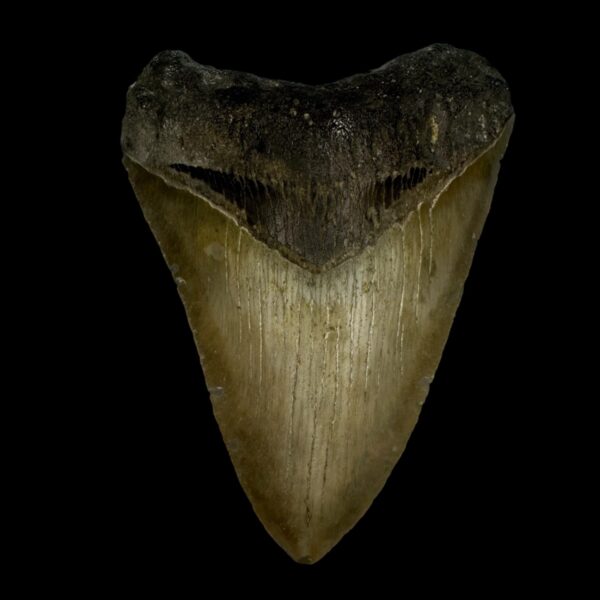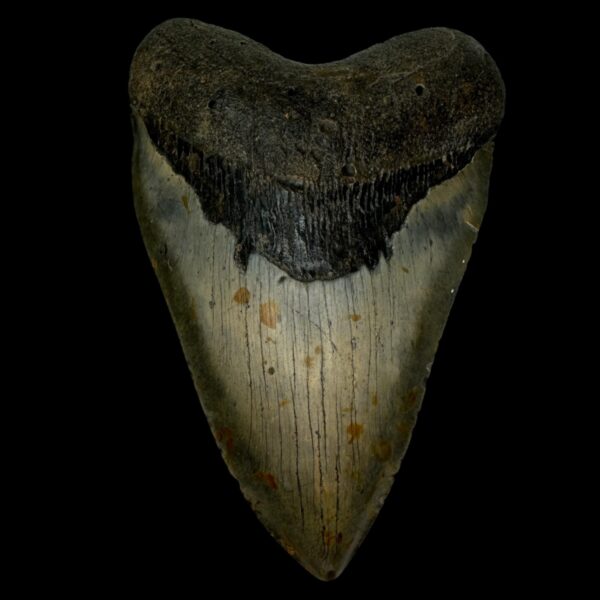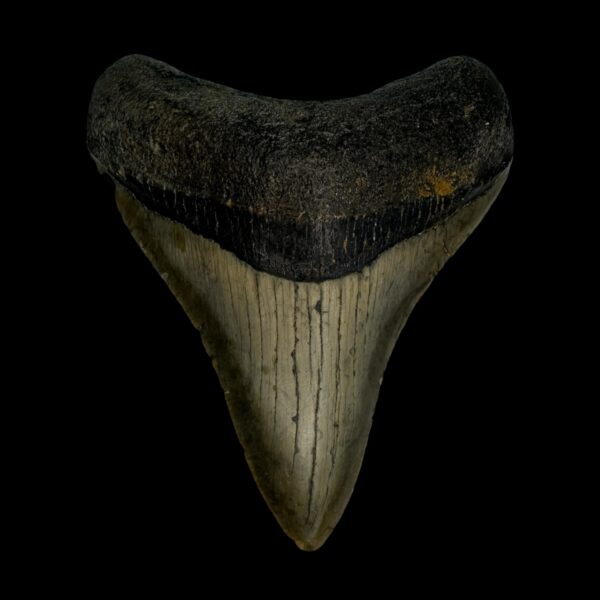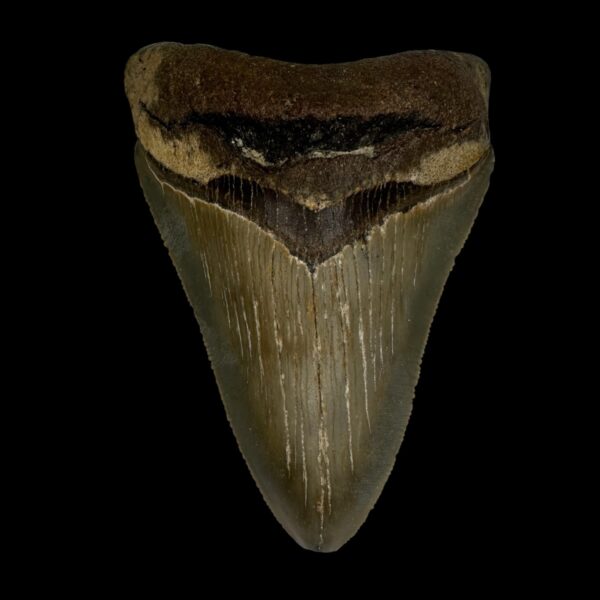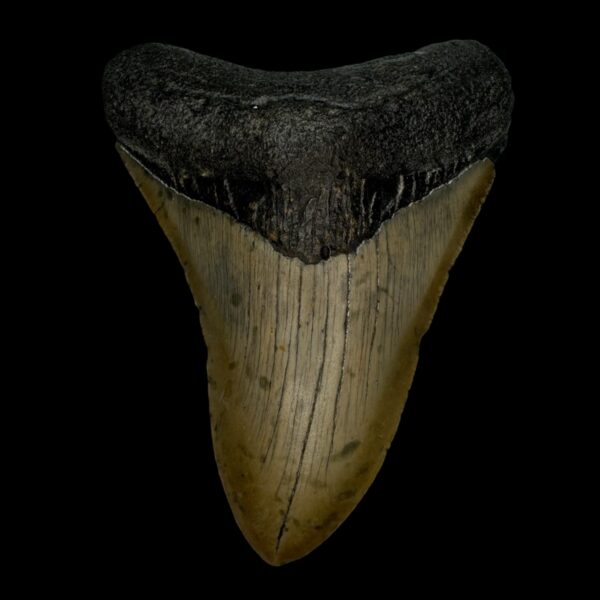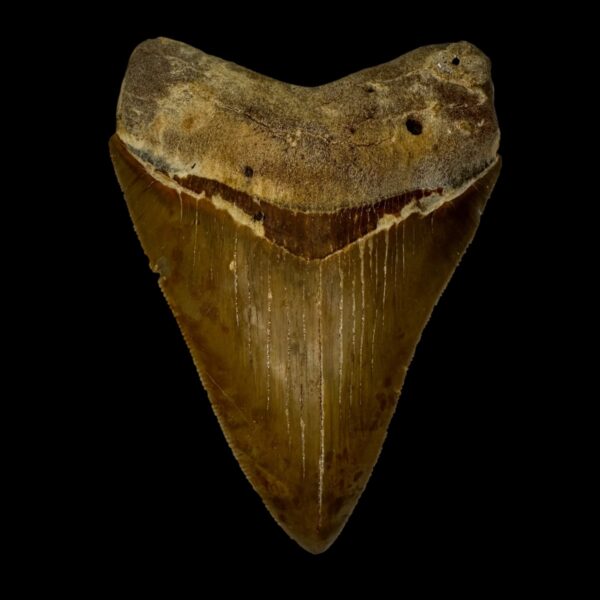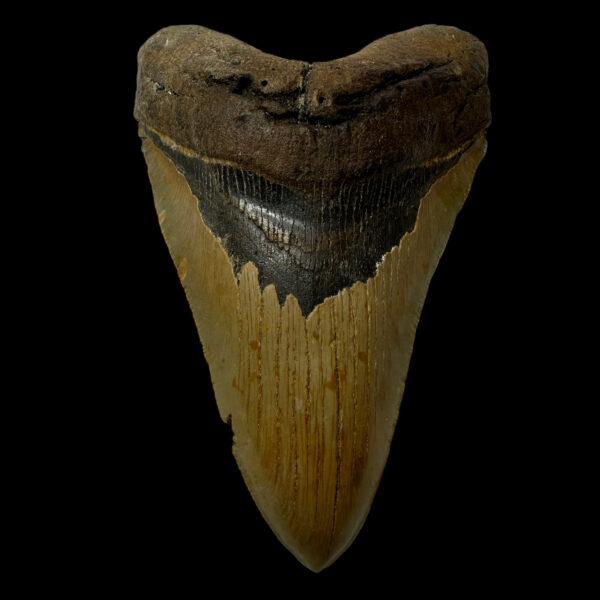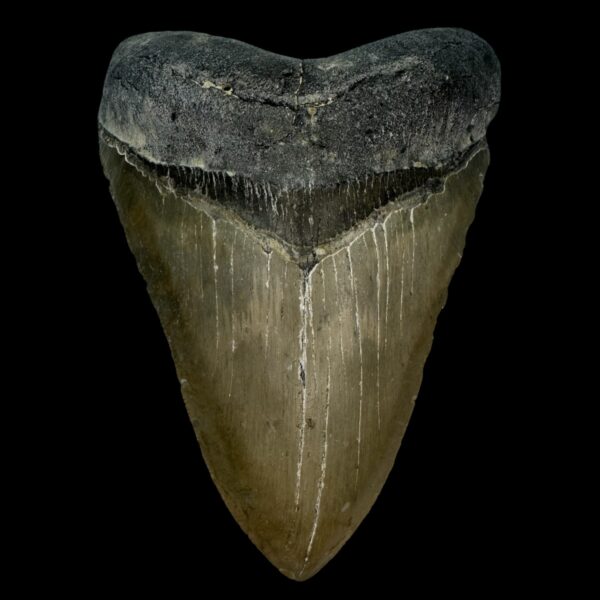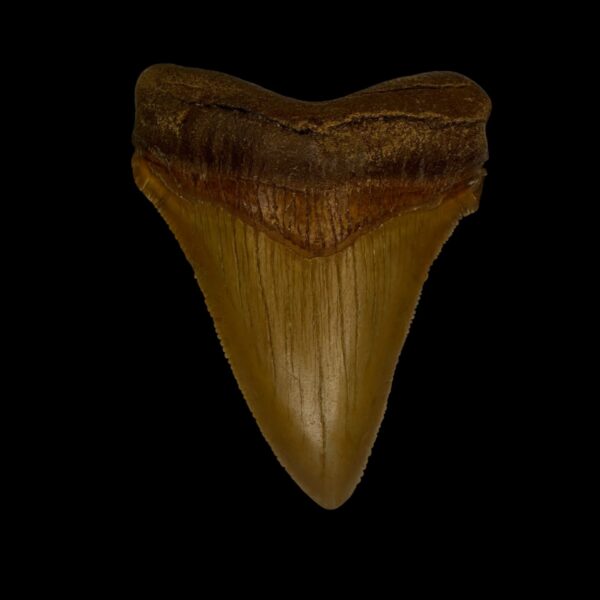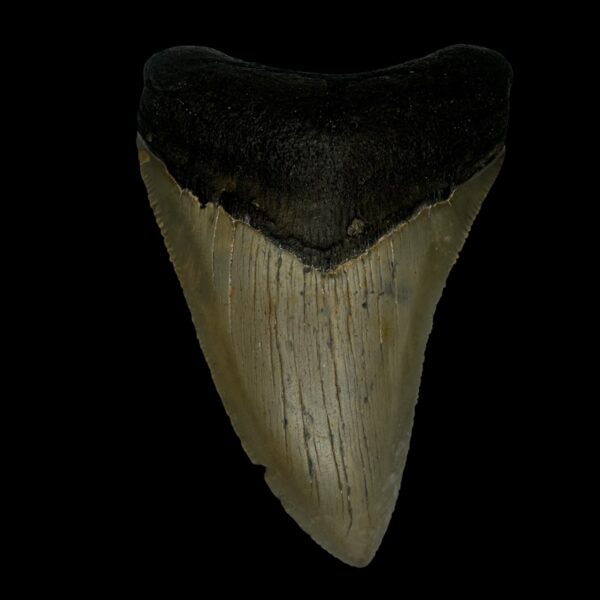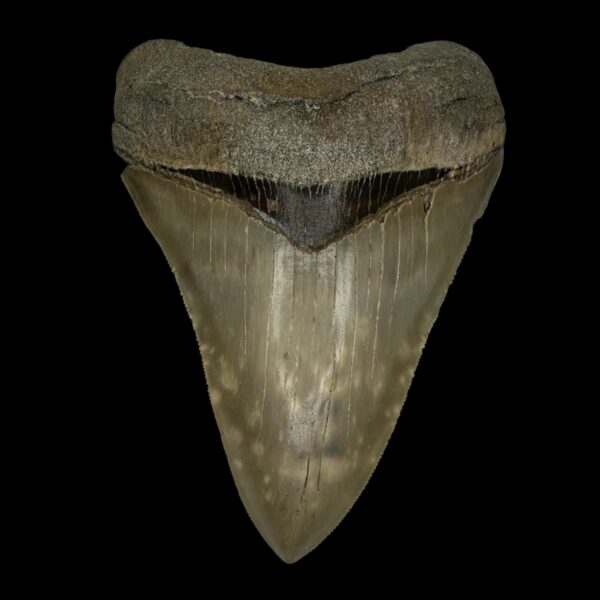
6.45 Inch Megalodon Tooth Fossil: 5 Incredible Artifact Features You Must See
6.45 inch megalodon tooth fossil specimens are considered true artifact-level pieces due to their massive size, rarity, and collector value. These fossils are among the most impressive discoveries from prehistoric oceans, representing one of the largest predators to ever exist.
Understanding the significance of a 6.45 inch Megalodon tooth fossil allows collectors to appreciate not only its size but also its historical and scientific importance. These fossils are more than just collectibles—they are natural artifacts formed over millions of years.
1. A Massive Size That Defines an Artifact-Level Specimen
The 6.45 inch Megalodon tooth fossil belongs to an elite category of large specimens. Most Megalodon teeth found worldwide range between 3 and 5 inches, making anything above 6 inches exceptionally rare.
This size alone elevates the fossil into an artifact-level category, as it represents a fully developed tooth from one of the largest sharks in Earth’s history.
2. What Shark Size Does a 6.45 Inch Tooth Represent?
A tooth of this magnitude likely came from a Megalodon measuring approximately 55 to 60 feet in length. This places the original predator among the most powerful marine animals ever known.
Owning a 6.45 inch Megalodon tooth fossil is essentially owning a direct connection to this prehistoric giant.
3. Natural Formation Over Millions of Years
Each 6.45 inch Megalodon tooth fossil is a result of millions of years of geological processes. Minerals gradually replaced the original material, preserving the structure and creating the fossil we see today.
This transformation is what makes each specimen a true prehistoric artifact, carrying both scientific and aesthetic value.
4. Why Large Fossils Are So Rare
The rarity of a 6.45 inch Megalodon tooth fossil is due to several factors:
- Larger teeth were more likely to break during feeding
- Geological pressure often damaged bigger specimens
- Fewer sharks reached full maturity
Because of this, well-preserved large fossils are highly sought after by collectors.
5. A True Collector’s Artifact
Collectors value the 6.45 inch Megalodon tooth fossil not only for its size but for its presence. Large specimens create immediate visual impact and often become the centerpiece of any collection.
This makes it a true artifact-level investment, combining rarity, history, and display value.
🦷 Featured Artifact Specimen
This 6.45 inch Megalodon tooth fossil represents a rare opportunity to own a museum-level artifact. Carefully preserved and sourced from fossil-rich regions, it stands as a premium collector piece.
6.45” Megalodon Tooth Fossil – $1,850
How Condition Affects Artifact Value
When evaluating a 6.45 inch Megalodon tooth fossil, condition plays a crucial role. Collectors look for:
- Sharp and intact tip
- Clear serrations
- Balanced symmetry
- Strong root structure
The better the condition, the higher the artifact value.
Megalodon Fossils as Long-Term Investments
Many collectors consider a 6.45 inch Megalodon tooth fossil as a long-term investment. Due to limited supply and increasing demand, large specimens tend to maintain or increase their value over time.
This makes them not only fascinating artifacts but also strategic additions to a collection.
Why This Fossil Belongs in a Museum-Level Collection
The 6.45 inch Megalodon tooth fossil meets many of the criteria associated with museum-quality specimens. Its size, preservation, and rarity place it in a category that goes beyond casual collecting.
For many enthusiasts, owning a fossil like this is comparable to owning a piece of natural history.
Conclusion
The 6.45 inch Megalodon tooth fossil is more than just a fossil—it is a prehistoric artifact that represents power, rarity, and history. With its massive size and strong collector appeal, it stands as one of the most impressive specimens available today.
FAQ
Is a 6.45 inch Megalodon tooth fossil rare?
Yes, specimens above 6 inches are extremely rare and highly valuable.
Why is this considered an artifact?
Because it represents millions of years of natural history and geological preservation.
Does size increase value?
Yes, larger teeth are significantly more valuable due to rarity and demand.