Exploring 10 Amazing Types of Fossils Every Collector Should Know
Types of fossils provide remarkable evidence of organisms,
environments, and biological activity that existed millions of years ago.
From preserved bones and teeth to footprints, burrows, and impressions,
fossils help scientists reconstruct the history of life on Earth.
By exploring types of fossils, students, collectors, and
paleontology enthusiasts can understand that fossilization does not occur
through a single process. Different environmental conditions produce
different forms of preservation, and each fossil category provides its
own kind of scientific information.
In this educational guide, we will examine ten amazing fossil categories,
explain how they form, and explore what they reveal about prehistoric
organisms and ancient ecosystems.
1. Types of Fossils: Body Fossils
Body fossils are the preserved physical remains of an organism. They may
include bones, teeth, shells, claws, scales, leaves, wood, and other
biological structures.
These are among the most recognizable types of fossils
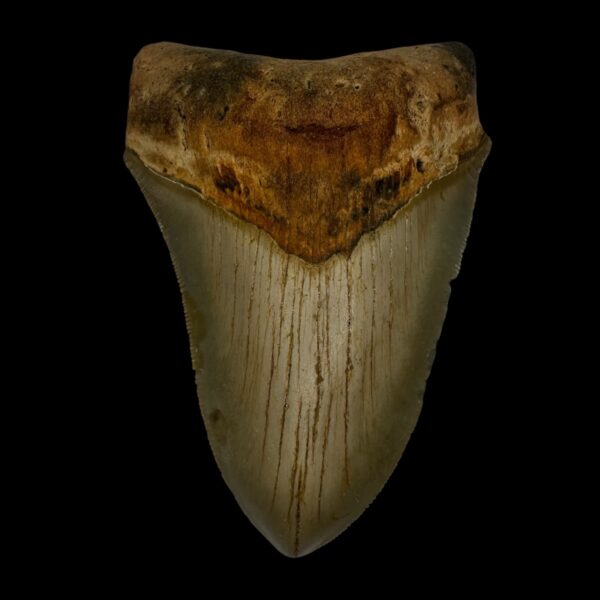
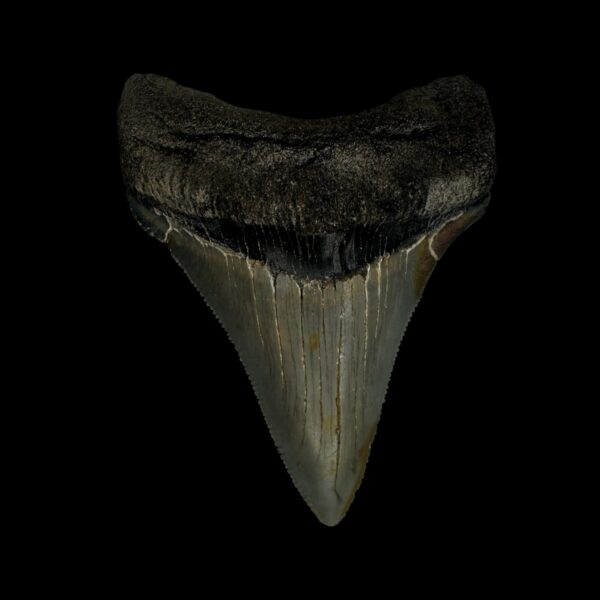
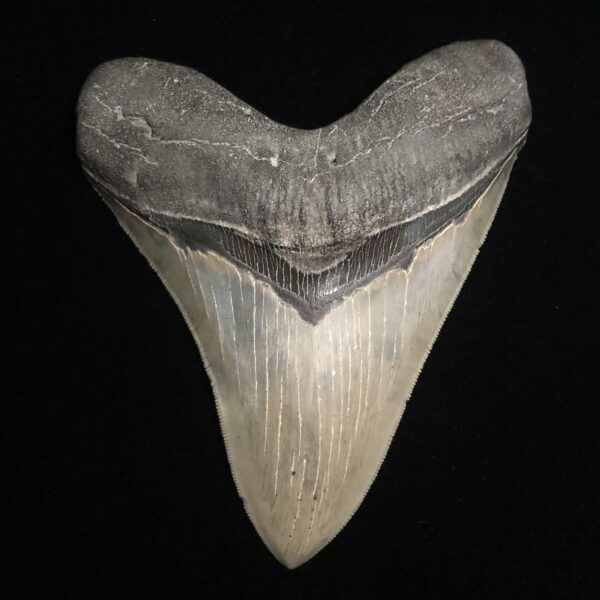
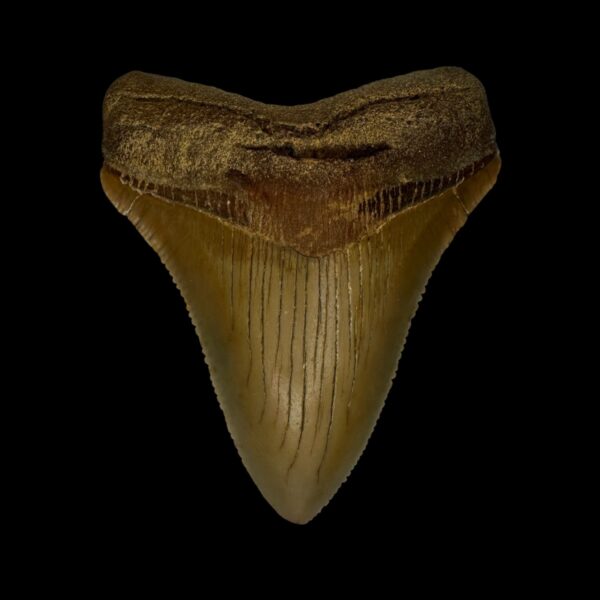
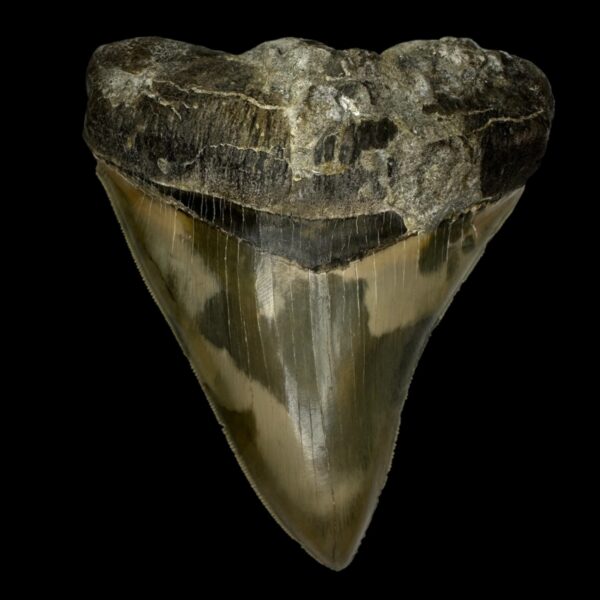
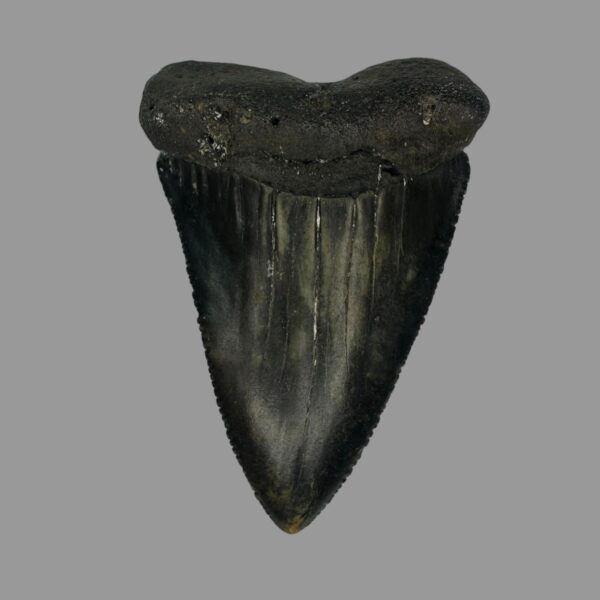
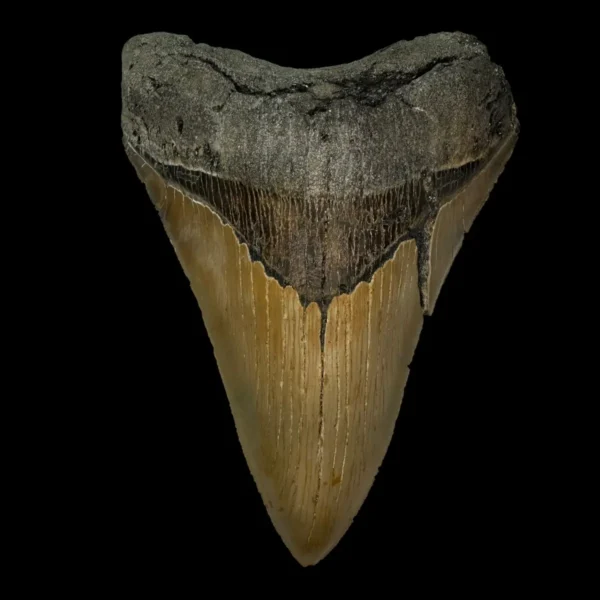
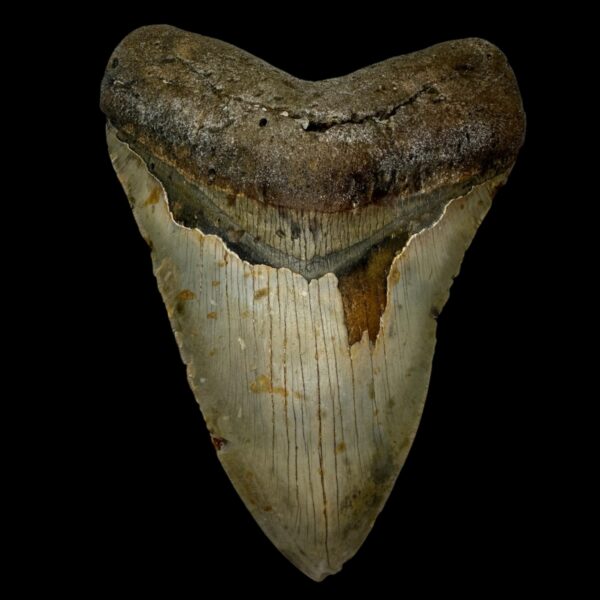
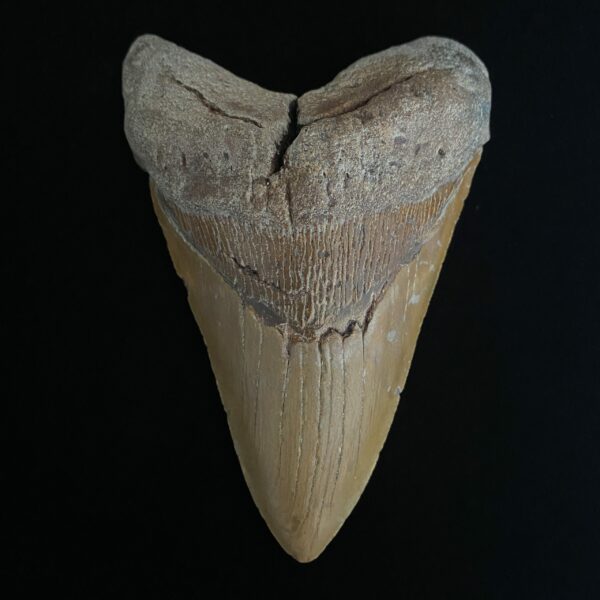
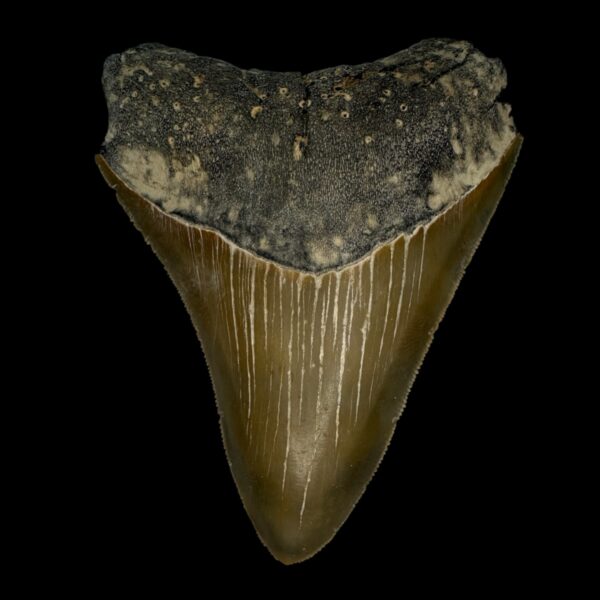
because they preserve part of the original organism. Megalodon teeth,
dinosaur bones, ammonite shells, and fossilized leaves are common examples.
Body fossils are particularly valuable because their size, shape, and
structure can help scientists identify a species. Teeth may reveal diet,
shells may indicate habitat, and bones may provide information about
movement, growth, and anatomy.
Exploring body fossils allows researchers to compare extinct organisms
with modern species and study how anatomy changed through evolutionary time.
2. Types of Fossils: Mold Fossils
Mold fossils form when an organism is buried in sediment and later
dissolves or decomposes, leaving an empty impression of its shape in the
surrounding rock.
Imagine pressing a shell into soft clay and then removing it. The hollow
impression left behind resembles a natural fossil mold. These impressions
may preserve detailed surface features, including shell ridges, leaf veins,
and external textures.
Mold fossils are important when the original biological material has
disappeared completely. Although the organism itself is no longer present,
its shape remains recorded in stone.
By exploring these types of fossils, paleontologists can
reconstruct the appearance of organisms that might otherwise have left no
physical remains.
3. Types of Fossils: Cast Fossils
Cast fossils form when a mold is gradually filled with minerals, sediment,
or other natural material. The filling hardens and creates a three-dimensional
replica of the original organism.
A mold is the negative impression, while a cast is the positive copy
produced inside that impression. Casts may preserve the shape of shells,
bones, plants, or other structures with impressive accuracy.
These types of fossils help scientists study external
anatomy even when the original organism has completely disappeared.
Exploring cast fossils also helps collectors understand why some specimens
resemble the original organism but are made entirely of minerals deposited
after burial.
4. Types of Fossils: Trace Fossils
Trace fossils preserve evidence of an organism’s behavior rather than its
physical body. Examples include footprints, trackways, burrows, nests,
feeding marks, bite marks, and trails.
These fossils can reveal how an animal walked, hunted, rested, migrated, or
interacted with its environment. A series of footprints may indicate speed
and direction, while a burrow can reveal how an organism protected itself.
Trace fossils are among the most educational types of fossils
because they record moments of activity from prehistoric life.
Exploring trace fossils allows paleontologists to investigate behavior that
cannot always be determined from bones or teeth alone.
5. Types of Fossils: Petrified Fossils
Petrified fossils form when mineral-rich groundwater enters the pores and
spaces of buried organic material. Over time, minerals fill or replace the
original structure.
Petrified wood is one of the best-known examples. Although the original
wood tissue may be replaced by silica and other minerals, microscopic
details such as growth rings and cellular patterns can remain visible.
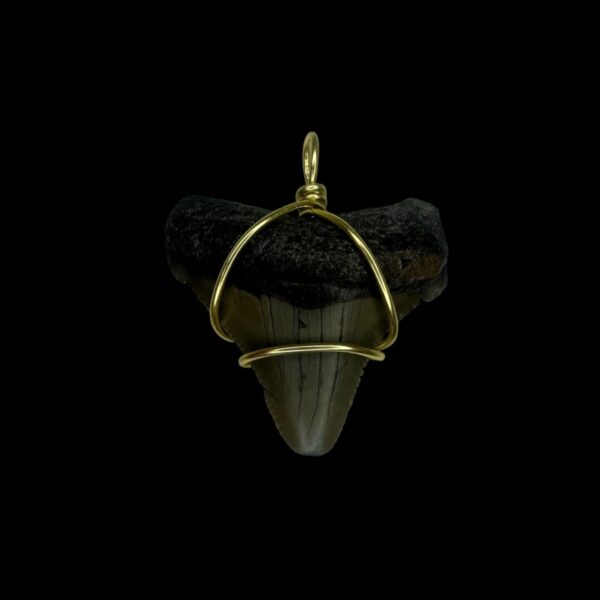
Teeth and bones may also undergo mineral replacement. This is one reason
fossilized shark teeth can display black, brown, gray, blue, or reddish
coloration depending on the surrounding sediment.
Exploring petrified types of fossils demonstrates how
geological chemistry can preserve biological structures for millions of
years.
6. Types of Fossils: Carbon Film Fossils
Carbon film fossils form when heat and pressure remove most of an organism’s
liquids and gases, leaving behind a thin layer of carbon on the rock.
This preservation method is especially common in plants, leaves, soft-bodied
organisms, and small animals. Carbon films may preserve delicate outlines,
leaf shapes, veins, and other fine details.
Unlike large bones or mineralized teeth, these fossils may appear as dark,
flat silhouettes rather than three-dimensional specimens.
These amazing types of fossils are valuable because they
can preserve organisms that would normally decay before fossilization could
occur.
7. Types of Fossils: Amber Fossils
Amber fossils form when organisms become trapped in sticky tree resin. Over
long periods, the resin hardens and transforms into amber.
Insects, spiders, pollen, leaves, feathers, and other small organisms may be
preserved with extraordinary detail. Some amber fossils retain tiny body
structures that are rarely visible in other forms of preservation.
Amber can provide information about prehistoric forests, climates, food
webs, and insect diversity. It may even preserve interactions, such as an
insect feeding or carrying pollen.
Exploring amber as one of the most visually amazing types of fossils
helps students understand how unusual environmental conditions can capture
a moment from ancient life.
8. Types of Fossils: Preserved Remains
Preserved remains occur when an organism’s original material survives with
relatively little alteration. This form of fossil preservation requires
unusual environmental conditions that slow or prevent decomposition.
Organisms may become preserved in ice, dry caves, tar deposits, peat, or
extremely arid environments. Mammoths frozen in permafrost are among the
most famous examples.
These specimens may preserve hair, skin, stomach contents, and other soft
tissues that are rarely found in older fossils.
Among all types of fossils, preserved remains may provide
some of the most complete information about an organism’s anatomy, diet,
health, and environment.
9. Types of Fossils: Coprolites
Coprolites are fossilized animal waste. Although they may seem unusual,
they are valuable scientific records of prehistoric diets and ecosystems.
Scientists may find fragments of bone, plant material, fish scales, shells,
or other food remains preserved inside a coprolite. These clues help
determine whether an animal was a carnivore, herbivore, omnivore, or
scavenger.
Chemical analysis can also reveal information about digestion, parasites,
and environmental conditions.
Exploring coprolites shows that even unexpected types of fossils
can provide essential evidence about ancient food chains and animal behavior.
10. Types of Fossils: Chemical Fossils
Chemical fossils, sometimes called biomarkers, are chemical traces produced
by organisms and preserved within rocks or sediments.
These fossils may include distinctive organic molecules, isotope patterns,
or chemical signatures associated with specific forms of life.
Chemical fossils are especially important when physical body remains are
absent. They can provide evidence of microorganisms and ancient biological
activity from extremely early periods in Earth’s history.
Exploring chemical types of fossils demonstrates that
paleontology is not limited to visible bones, shells, or teeth. Scientists
also use chemistry to identify evidence of life hidden inside rocks.
Why Exploring Different Types of Fossils Matters
Exploring different fossil categories helps researchers build a more
complete picture of ancient life. A body fossil may reveal anatomy, while
a trace fossil records behavior. A carbon film may preserve a plant, while
chemical evidence may confirm the presence of microorganisms.
No single fossil category tells the entire story. Scientists combine
information from multiple types of fossils to reconstruct
ancient climates, food webs, migration routes, habitats, and extinction
events.
This multidisciplinary approach connects paleontology with biology, geology,
chemistry, climate science, and ecology.
How Collectors Can Identify Different Types of Fossils
Fossil identification begins with careful observation. Collectors should
examine the specimen’s shape, texture, weight, symmetry, mineral composition,
and surrounding rock.
A three-dimensional mineral replica may be a cast, while a hollow impression
may be a mold. A footprint or burrow is classified as a trace fossil, while
a preserved tooth is considered a body fossil.
Location and geological context are also important. Knowing where a fossil
was discovered can help determine its age, environment, and possible species.
Responsible collectors document provenance and avoid making aggressive
alterations that could remove scientific evidence.
Educational Importance of Types of Fossils
Learning about the different types of fossils gives students
a practical introduction to Earth’s history. Fossils demonstrate how
scientific conclusions are developed from physical evidence rather than
speculation.
In classrooms and museums, fossil examples help explain decomposition,
sedimentation, mineralization, evolution, extinction, and environmental
change.
Exploring fossil diversity also encourages critical thinking. Students
learn that preservation is influenced by an organism’s anatomy, habitat,
burial conditions, and geological history.
Frequently Asked Questions About Types of Fossils
What are the main types of fossils?
The main types include body fossils, mold fossils, cast fossils, trace
fossils, petrified fossils, carbon films, amber fossils, preserved remains,
coprolites, and chemical fossils.
What is the most common type of fossil?
Hard body parts such as teeth, shells, and bones are among the most commonly
preserved fossils because they resist decomposition better than soft tissue.
Are footprints considered fossils?
Yes. Fossilized footprints are trace fossils because they preserve evidence
of an organism’s activity rather than its physical body.
Is a Megalodon tooth a body fossil?
Yes. A fossilized Megalodon tooth is a body fossil because it is a preserved
physical part of the original shark.
Can fossil color identify its type?
Color may provide information about mineral composition and burial
environment, but it does not determine the fossil category by itself.
Why are soft-bodied fossils rare?
Soft tissues normally decompose quickly. They require unusual conditions,
such as rapid burial, low oxygen, freezing, or entrapment in resin, to become
preserved.
Conclusion: Exploring the Amazing Diversity of Fossils
Exploring the many types of fossils reveals how differently
prehistoric life can be preserved. Fossils may record physical bodies,
impressions, movement, diet, chemical activity, or even interactions between
organisms.
Each fossil category contributes unique evidence to the scientific record.
Together, they help researchers reconstruct ancient ecosystems, understand
evolution, study extinction, and follow environmental changes through
geological time.
For collectors, learning to recognize these distinctions creates a deeper
appreciation for every specimen. A fossil is not simply an object—it is a
surviving piece of Earth’s natural history.
Explore authentic fossils and prehistoric shark teeth at
The Fossil Exchange Shop
and discover how every specimen preserves a different chapter of prehistoric
life.