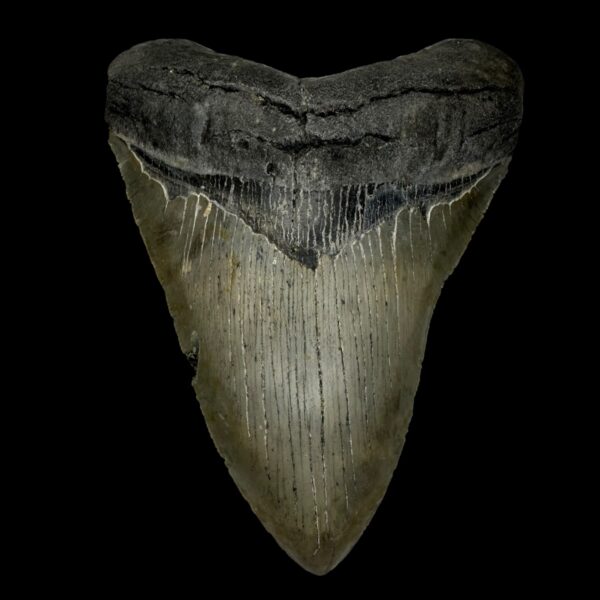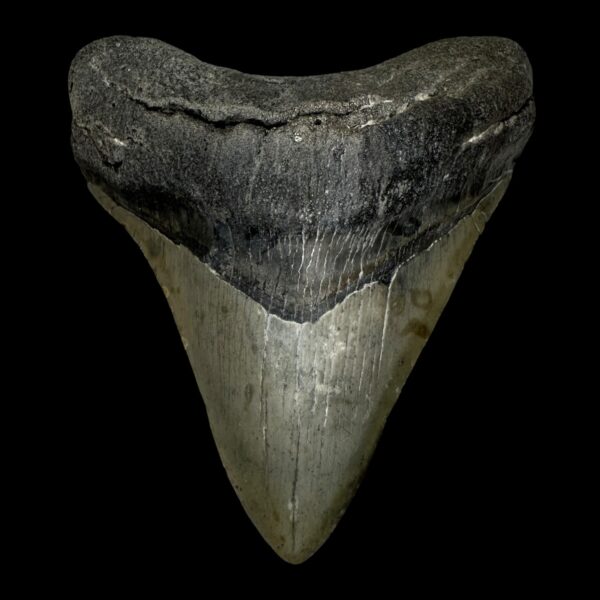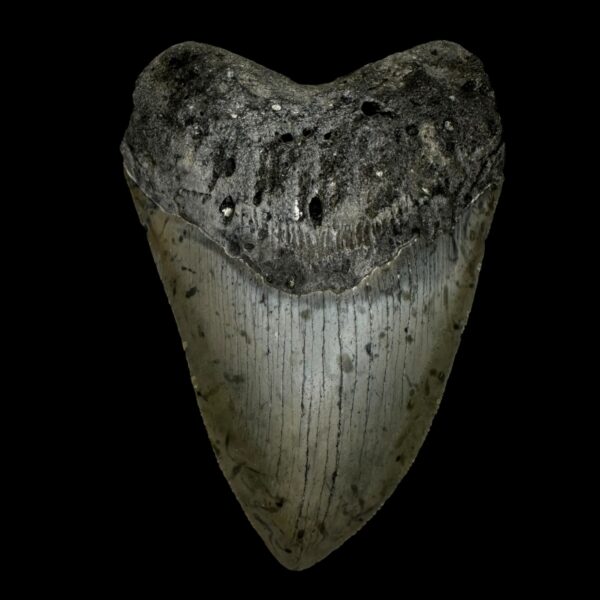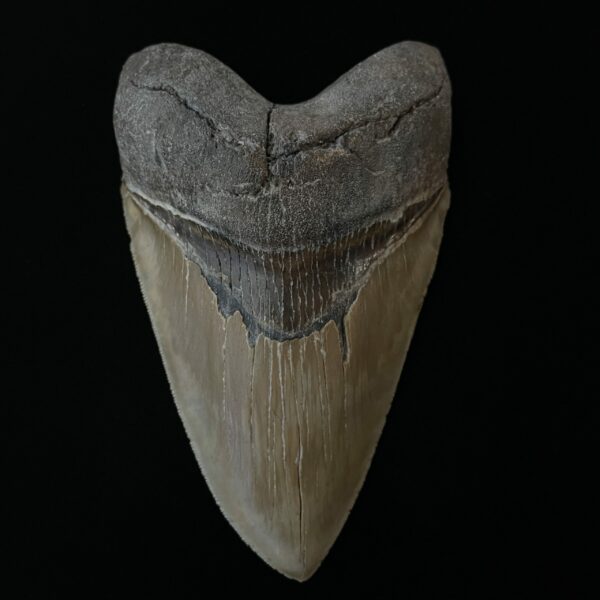
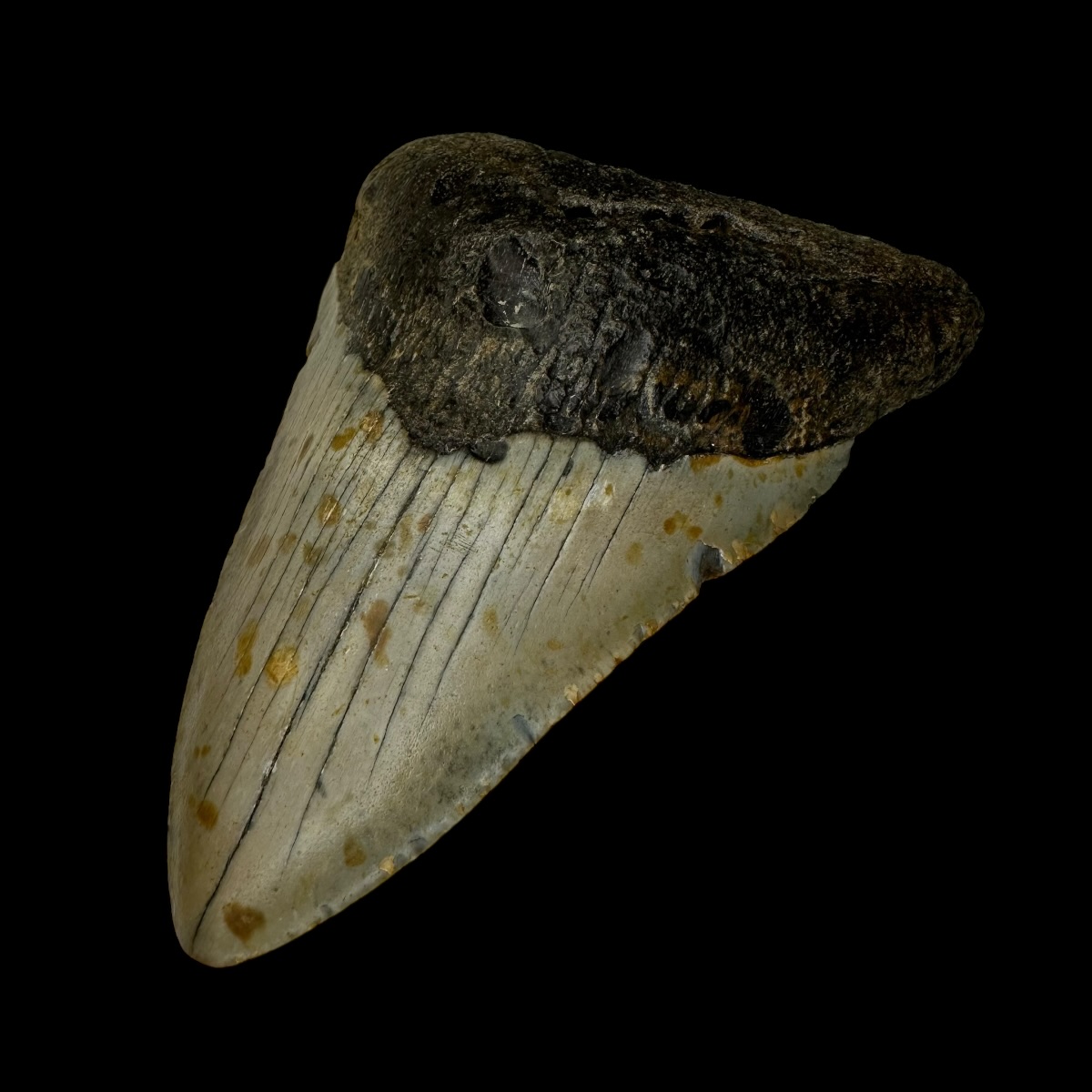
6.04 Megalodon Tooth Fossil: Incredible Rare Specimen
Why the 6.04 Megalodon Tooth Fossil Is an Incredible Rare Find
The 6.04 Megalodon Tooth Fossil belongs to one of the most elite size categories available to collectors. Teeth that exceed six inches are dramatically rarer than standard 3–5 inch specimens, placing this fossil in a premium rarity tier.For serious collectors, crossing the six-inch threshold significantly increases desirability, display impact, and long-term value potential.How Rare Is a 6.04 Megalodon Tooth Fossil?
Most Megalodon teeth discovered worldwide measure between 3 and 5 inches. Specimens above six inches are significantly harder to recover due to natural breakage, erosion, and the rarity of fully preserved large individuals.| Size Range | Collector Category | Rarity Level |
|---|---|---|
| 3–4 inches | Common | Moderate |
| 4–5 inches | Premium | Strong Demand |
| 5–6 inches | Rare Premium | High |
| 6+ inches | Elite Collector | Extremely Rare |
What Shark Size Does a 6.04-Inch Tooth Represent?
Scientific scaling models suggest that a 6.04 Megalodon Tooth Fossil likely originated from a shark measuring approximately 55 to 60 feet in length. This places the animal near the upper size estimates of Otodus megalodon.For deeper measurement insights, explore: Accurate Sizing: 7 Realistic Clues to Estimate the Size of a Megalodon Tooth Fossil .Why Six-Inch Specimens Command Higher Market Value
Once a fossil surpasses six inches, collector psychology shifts. The 6.04 Megalodon Tooth Fossil stands out due to its:- Exceptional visual dominance
- Increased rarity factor
- Museum-level presence
- Strong long-term investment potential
Preservation and Condition Factors
When evaluating a fossil of this size, collectors examine:- Blade symmetry
- Root integrity
- Enamel preservation
- Natural coloration
Investment Outlook
The 6-inch category represents a strategic balance between extreme rarity and attainable availability. While 7–inch specimens are exceptionally rare, a 6.04 Megalodon Tooth Fossil remains within reach for serious collectors while still offering strong appreciation potential.For a full pricing breakdown, visit: Realistic Value: 5 Expert Clues to Know How Much a Megalodon Tooth Fossil Is Worth .Who Should Consider This Size?
- Advanced fossil collectors
- Long-term investors
- High-end display enthusiasts
- Museum-quality specimen seekers
FAQ
Is a 6.04 Megalodon tooth considered rare?
Yes. Teeth exceeding six inches are significantly rarer than common collector sizes and are highly desirable.Does size dramatically increase value?
Absolutely. Crossing the six-inch threshold often elevates a specimen into an elite collector tier.Is this size museum-grade?
While museum-grade examples may exceed six inches with exceptional preservation, a specimen in this range is considered near-museum quality among private collectors.Final Verdict
The 6.04 Megalodon Tooth Fossil represents elite collector status. With exceptional size, rarity, and strong long-term value potential, it stands among the most desirable categories available in the fossil market.Geological Age and Historical Context
Megalodon lived approximately 3 to 15 million years ago during the Miocene and Pliocene epochs. Fossils of this size typically originate from marine sediment deposits formed in warm prehistoric coastal environments.
Regions such as Florida, South Carolina, and parts of South America are well known for producing large specimens due to favorable preservation conditions.
Coloration and Mineral Influence
The color of a fossil tooth depends on the mineral composition of the surrounding sediment during fossilization. Shades may range from deep charcoal and gray to lighter tan or brown tones.
- Dark tones often indicate phosphate-rich sediment
- Brown hues may result from iron deposits
- Gray variations commonly form in marine clay environments
Color does not directly determine value, but strong enamel contrast often enhances visual appeal.
Display Presence and Visual Impact
A specimen exceeding six inches commands immediate visual dominance in any collection. The scale alone creates a powerful centerpiece effect, especially when mounted professionally.
Collectors often describe six-inch examples as “statement fossils” due to their dramatic proportions.
Symmetry and Blade Structure
Beyond size, symmetry plays a major role in desirability. A well-balanced blade with minimal warping enhances both aesthetic value and long-term market demand.
Serious collectors carefully examine:
- Tip alignment
- Root thickness
- Edge curvature consistency
- Natural enamel sheen
Market Scarcity Factors
As size increases, the survival rate of intact teeth decreases significantly. Larger specimens are more prone to breakage due to weight and natural environmental forces.
This scarcity factor is one of the primary reasons six-inch fossils remain highly desirable among advanced collectors.
Long-Term Appreciation Trends
Historically, larger Megalodon teeth have shown steady appreciation due to limited supply and increasing collector interest worldwide.
While market values fluctuate based on preservation quality, elite size categories consistently maintain strong demand.
Storage and Preservation Recommendations
- Keep in a low-humidity environment
- Avoid direct sunlight exposure
- Do not apply oils or chemical cleaners
- Use padded display mounts to reduce pressure stress