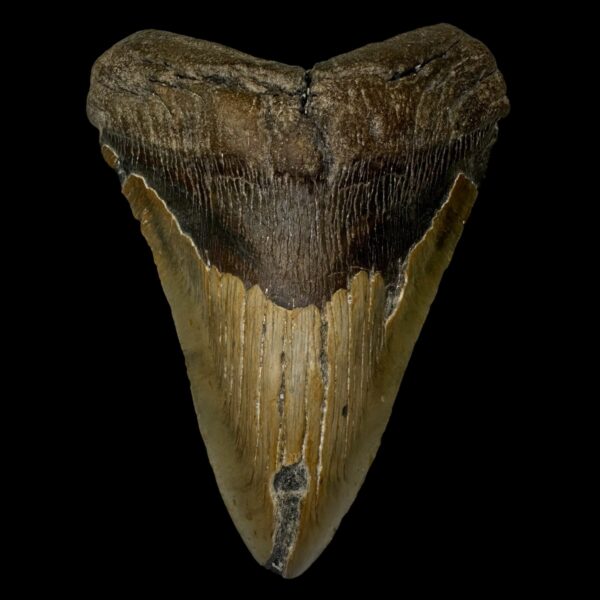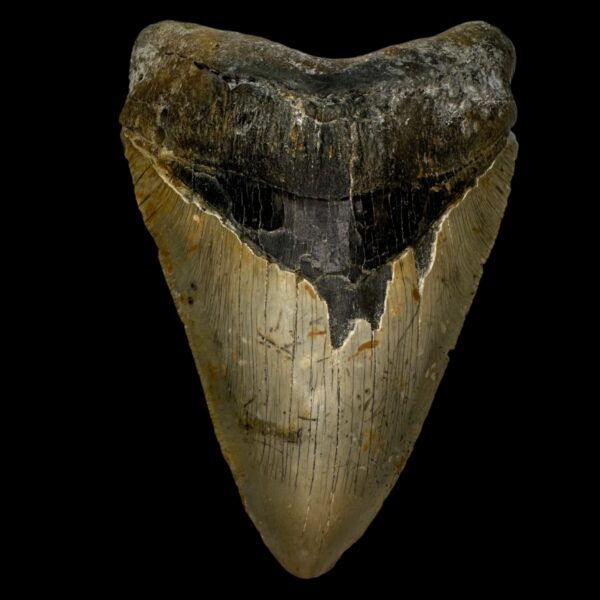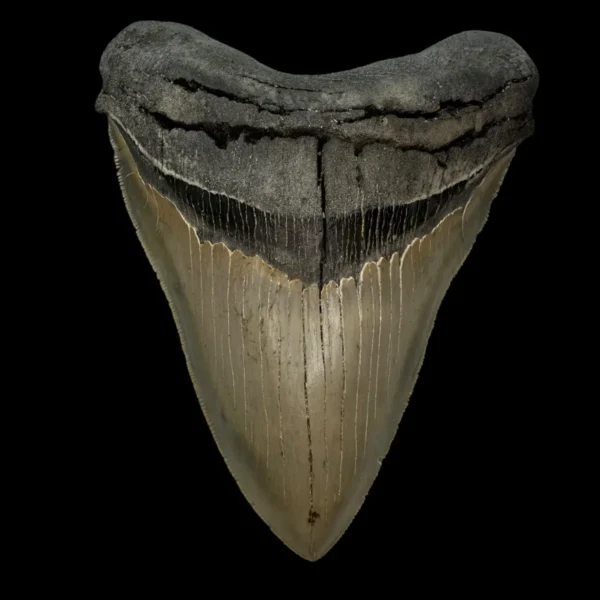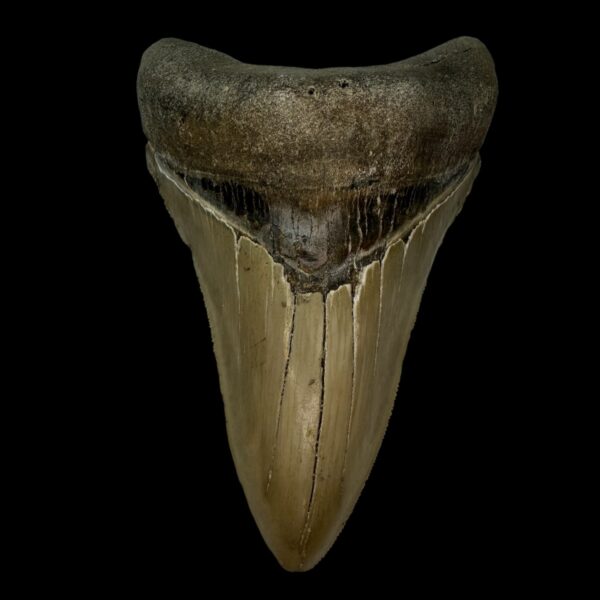

Unraveling 9 Incredible Facts About Fossilized Shark Teeth
Fossilized shark teeth are among the most recognizable fossils found
in marine deposits around the world. From small teeth belonging to ancient coastal
sharks to enormous Megalodon specimens measuring several inches, these fossils preserve
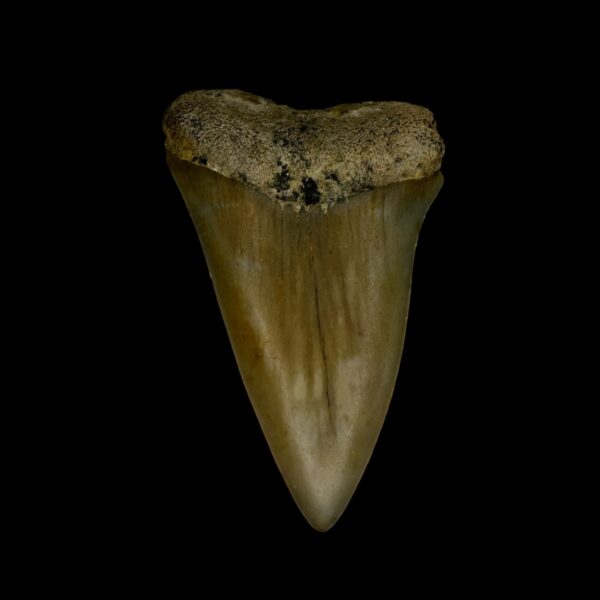
valuable evidence about predators that inhabited Earth’s oceans millions of years ago.
Their abundance in the fossil record is particularly interesting because shark skeletons
are primarily composed of cartilage. Unlike heavily mineralized bone, cartilage usually
decomposes before fossilization can occur. Shark teeth, however, contain highly
mineralized tissues that are much more resistant to decomposition.
By Unraveling fossilized shark teeth, paleontologists can investigate
ancient shark diversity, feeding adaptations, marine ecosystems, evolutionary changes,
and the geological environments responsible for preserving these remarkable specimens.
Here are nine incredible facts about fossilized shark teeth that reveal
why they are so important to scientists, educators, students, and fossil collectors.
1. Fossilized Shark Teeth Are More Common Than Shark Skeletons
One of the most important facts about fossilized shark teeth is that
they are dramatically more common than complete fossil shark skeletons.
The reason comes from shark biology. Sharks belong to a group of fishes with skeletons
composed primarily of cartilage rather than heavily mineralized bone. Cartilage is
flexible and highly effective for living sharks, but it generally has a much lower
fossilization potential than teeth.
After a shark dies, much of its skeleton can decompose relatively quickly. Teeth are
different because they contain highly mineralized tissues that resist decomposition and
can survive long enough to become buried within sediment.
Why This Matters to Paleontology
Because complete shark skeletons are uncommon, researchers frequently rely on teeth,
vertebral centra when preserved, and other rare remains to reconstruct extinct shark
biology.
This makes individual teeth scientifically important despite their relatively small size.
2. Fossilized Shark Teeth Exist Because Sharks Continuously Replace Teeth
Another reason fossilized shark teeth are abundant is that sharks
continuously replace teeth throughout their lives.
Rather than depending on a single permanent set of teeth, sharks develop multiple rows.
When functional teeth become damaged or lost, replacement teeth move forward.
Over the lifetime of an individual shark, this process can produce and shed a very large
number of teeth.
Millions of Years of Tooth Loss
Imagine countless generations of sharks swimming through prehistoric seas while
continuously losing teeth. Some of those teeth settled onto the seafloor, became buried,
and eventually entered the fossil record.
Repeated across millions of years, this biological process helps explain why ancient
marine sediments can contain significant concentrations of shark teeth.
3. Fossilized Shark Teeth Can Be Millions of Years Old
Many fossilized shark teeth available to collectors represent animals
that lived millions or even tens of millions of years ago.
Megalodon, for example, lived during the Neogene, from roughly 23 million until about
3.6 million years ago. Other extinct shark lineages represented by fossil teeth are much
older.
However, the appearance of a tooth alone does not provide a precise age.
How Scientists Determine the Age of Fossilized Shark Teeth
Paleontologists study the geological context in which fossils occur. Important evidence
can include:
- The geological formation.
- Stratigraphic position.
- Associated fossils.
- Regional geological correlations.
- Dating of suitable surrounding geological materials.
A black tooth is therefore not automatically older than a tan, brown, gray, or blue-gray
tooth.
Geological context is far more informative than color when establishing age.
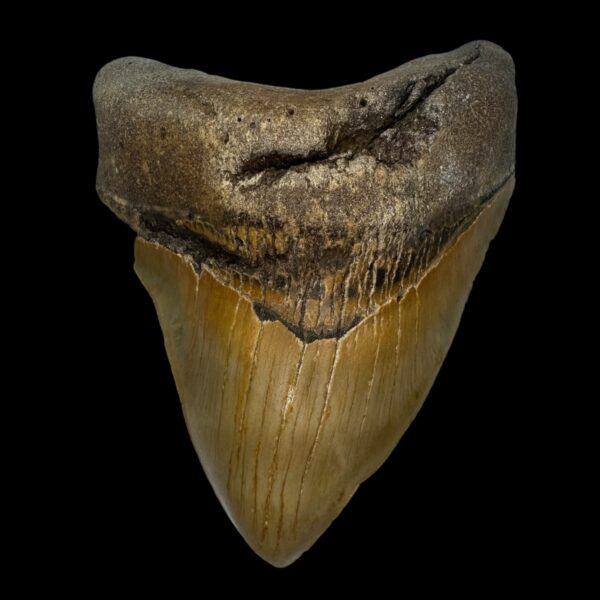
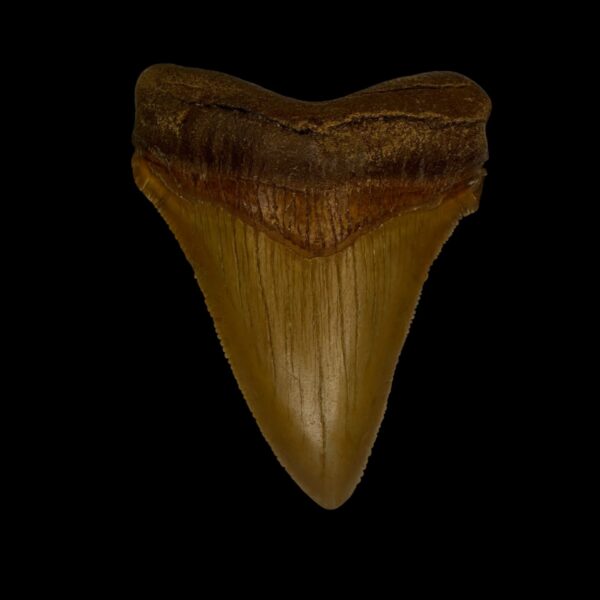
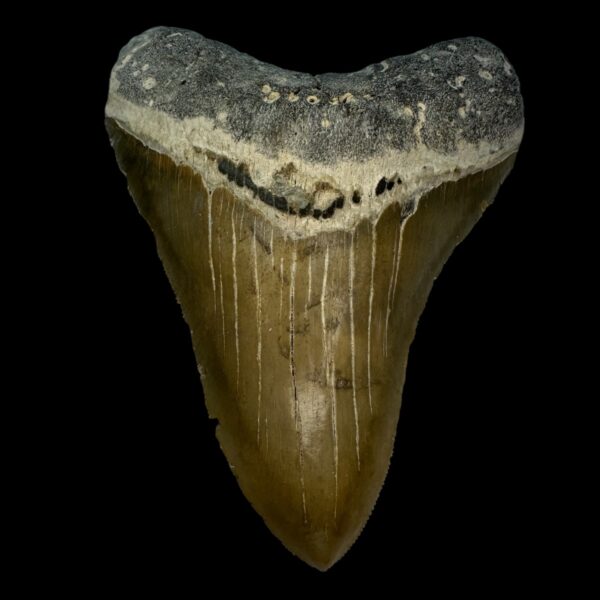
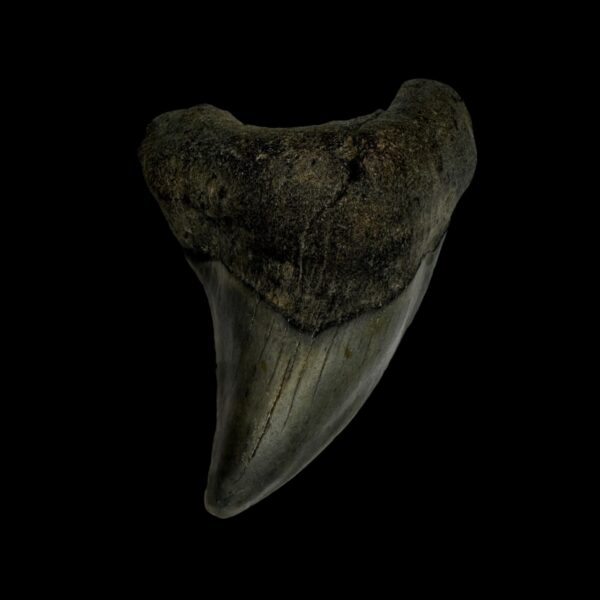
4. Fossilized Shark Teeth Can Preserve Different Natural Colors
One of the most visually fascinating characteristics of
fossilized shark teeth is their wide variety of colors.
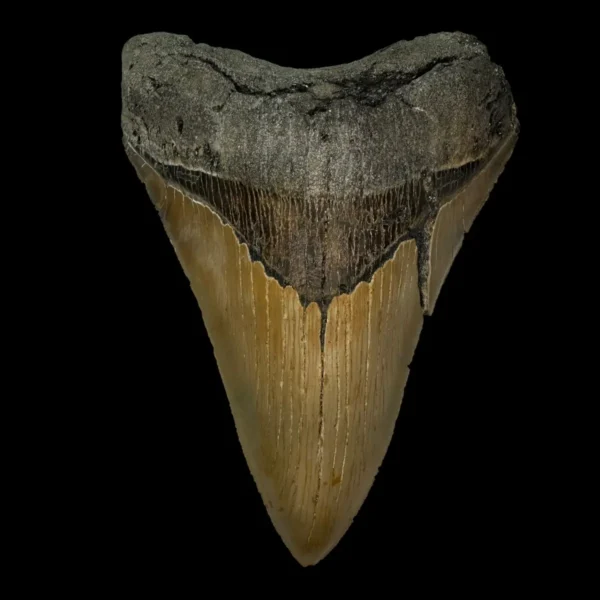
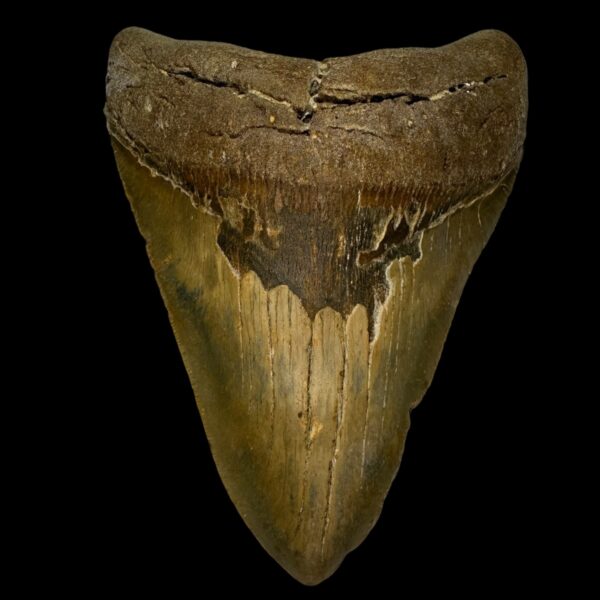
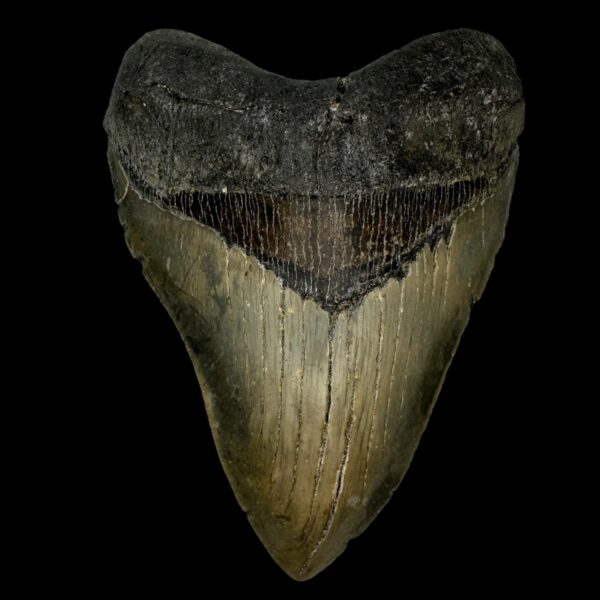
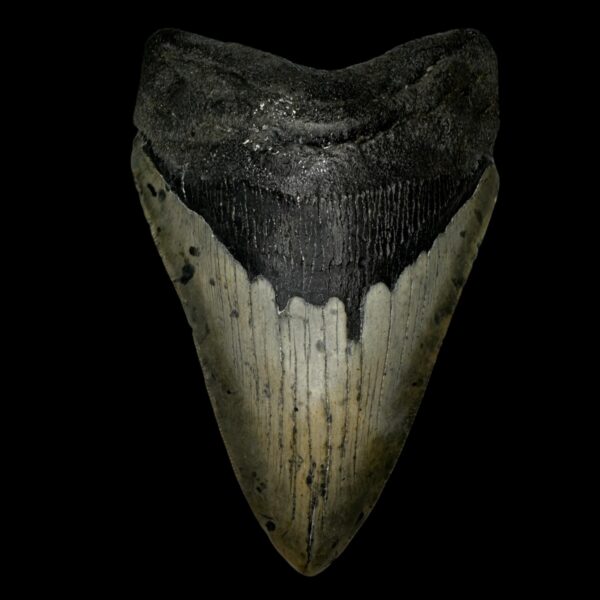
Authentic fossil teeth can appear black, brown, gray, tan, cream, reddish, blue-gray, or
display several tones within the same specimen.
These colors generally do not represent the appearance of the tooth when the shark was
alive. Instead, coloration can develop as the buried tooth interacts with surrounding
sediment, groundwater, and minerals.
Why Two Teeth Can Have Completely Different Colors
Fossilization environments vary considerably. One tooth might become buried in dark
marine sediment while another interacts with iron-rich minerals or sediments containing
a different chemical composition.
As a result, fossilized shark teeth of comparable geological age can
display dramatically different colors.
Color can be aesthetically important to collectors, but it should not independently be
used to determine authenticity, age, or rarity.
5. Fossilized Shark Teeth Reveal Different Feeding Strategies
Not all fossilized shark teeth have the same shape. Their remarkable
morphological diversity reflects different evolutionary lineages, jaw positions, and
feeding adaptations.
Broad triangular teeth with serrated cutting edges can be effective for cutting
substantial prey. Narrower pointed teeth can be useful for gripping fish and other
fast-moving animals.
Some cartilaginous fishes evolved flatter dental structures suited to crushing
hard-bodied prey.
What Scientists Examine
When studying fossil shark teeth, paleontologists may examine:
- Crown height.
- Crown width.
- Curvature.
- Root morphology.
- Serrations.
- Lateral cusplets.
- Cutting edges.
- Tooth position.
- Wear patterns.
These characteristics help scientists compare extinct sharks and investigate how
different species interacted with prehistoric marine ecosystems.
6. Fossilized Shark Teeth Can Help Identify Extinct Sharks
Because teeth are among the most commonly preserved shark remains,
fossilized shark teeth play an important role in identifying and
studying extinct taxa.
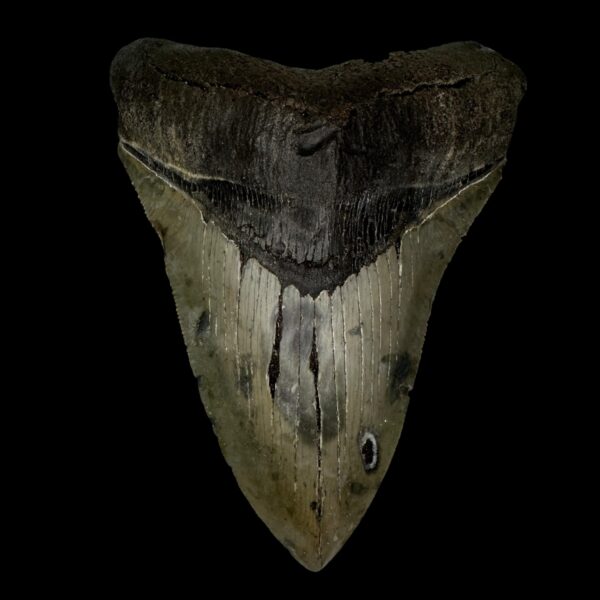
Megalodon teeth, for example, are famous for their enormous triangular crowns, serrated
cutting edges, substantial roots, and characteristic proportions.
Other fossil sharks display different combinations of cusplets, smooth cutting edges,
crown shapes, serrations, and root structures.
Identification Requires More Than Size
Beginning collectors sometimes attempt to identify every large triangular shark tooth as
Megalodon. Reliable identification requires much more information.
Researchers consider morphology alongside geological age and locality. Tooth position
must also be considered because teeth from different areas of the same shark’s jaw can
have noticeably different shapes.
For this reason, identifying fossilized shark teeth is an excellent
exercise in comparative anatomy.
7. Fossilized Shark Teeth Can Reveal Ancient Marine Ecosystems
Fossilized shark teeth provide information that extends beyond the
individual shark that produced them.
When paleontologists discover multiple shark species within the same geological
formation, they can compare those fossils with remains of fish, whales, rays, turtles,
marine reptiles, invertebrates, and other organisms.
Together, these discoveries help reconstruct ancient food webs and marine communities.
Predators as Ecological Evidence
Large predators require productive ecosystems capable of supporting sufficient prey.
The presence of major predatory sharks can therefore contribute to broader
interpretations of ancient marine environments.
Scientists also examine sediment type, fossil assemblages, water depth indicators, and
other geological evidence to reconstruct these ecosystems.
A single fossil tooth becomes much more informative when its geological context is
preserved.
8. Fossilized Shark Teeth Can Survive Remarkable Geological Journeys
Every specimen of fossilized shark teeth has experienced a geological
history extending far beyond the life of the animal that produced it.
A tooth may have fallen onto an ancient seafloor, become buried beneath sediment,
experienced mineralization, remained underground for millions of years, and eventually
become exposed through erosion.
Rivers, waves, storms, changing coastlines, and geological uplift can later transport or
reveal fossil-bearing sediments.
Why Some Fossil Shark Teeth Are Worn
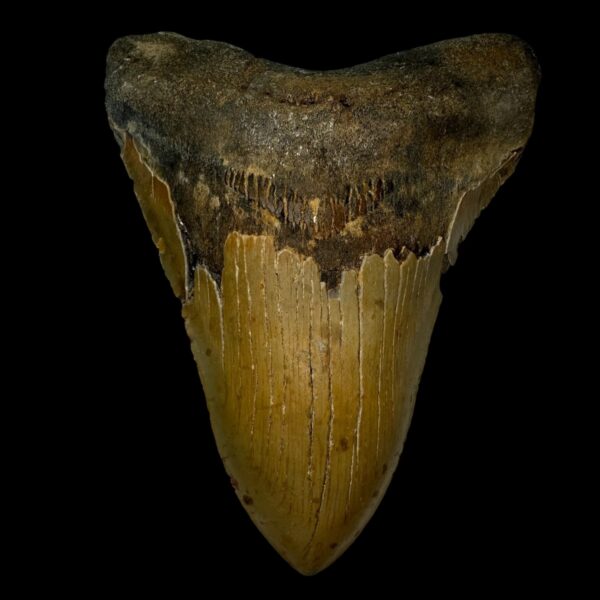
Not every tooth remains perfectly preserved. Fossils can experience:
- Abrasion.
- Broken tips.
- Root erosion.
- Loss of serrations.
- Surface wear.
- Natural fractures.
These characteristics do not necessarily indicate that a fossil is poor or
inauthentic. They can be part of the specimen’s natural geological history.
Some collectors specifically appreciate fossils that visibly demonstrate the processes
they experienced after burial.
9. Fossilized Shark Teeth Have Scientific and Collector Value
The final remarkable fact about fossilized shark teeth is that the same
specimen can hold educational, scientific, historical, and collector significance.
For scientists, fossil teeth provide evidence about taxonomy, evolution, anatomy,
geological age, geographic distribution, and prehistoric ecosystems.
For educators, they provide tangible objects that can introduce students to
paleontology, geology, biology, adaptation, and deep time.
For collectors, each tooth represents an authentic physical connection with an animal
that lived millions of years before humans appeared.
What Makes Certain Fossilized Shark Teeth Desirable?
Collector interest can depend on several factors:
- Species.
- Size.
- Rarity.
- Crown preservation.
- Root completeness.
- Serration quality.
- Natural coloration.
- Tooth position.
- Provenance.
- Amount of repair or restoration.
No single characteristic determines the importance of every specimen. A smaller rare
species can sometimes be more interesting to a specialized collector than a larger but
more common fossil.
How Fossilized Shark Teeth Form
Understanding how fossilized shark teeth form helps explain why these
specimens can survive for millions of years.
The process begins when a shark naturally loses a tooth or when a tooth enters the
environment after the animal dies. If the tooth remains exposed on the seafloor, waves,
currents, biological activity, and chemical processes may destroy or damage it.
Rapid burial increases the possibility of long-term preservation.
Burial in Sediment
Sediment can gradually cover the tooth and isolate it from some destructive surface
processes. Additional sediment accumulates over time, increasing burial depth.
Mineral Interaction
Groundwater moving through sediment can contain dissolved minerals. Over geological
time, mineral and chemical interactions may alter the buried tooth and contribute to
its fossilized condition and coloration.
Geological Exposure
Millions of years later, erosion can expose fossil-bearing formations. Rivers, cliffs,
quarries, beaches, and other environments may reveal
fossilized shark teeth that were previously buried underground.
This sequence demonstrates why every discovered fossil represents both biological and
geological history.
Why Megalodon Fossilized Shark Teeth Are So Famous
Among all fossilized shark teeth, Megalodon specimens have become the
most recognizable.
Their popularity is partly explained by their extraordinary size. Some Megalodon teeth
exceed six inches in maximum slant height, dramatically surpassing the dimensions of
teeth produced by living predatory sharks.
But size is not the only reason these fossils are important.
Megalodon teeth preserve features such as:
- Broad triangular crowns.
- Serrated cutting edges.
- Large roots.
- A characteristic bourlette.
- Variation according to jaw position.
These anatomical characteristics provide clues about the feeding adaptations of a giant
predatory shark that occupied marine ecosystems for millions of years.
Why Megalodon Teeth Vary So Much
Individual Megalodon teeth can vary in size, shape, color, preservation, and curvature.
Some of this variation reflects tooth position within the jaw, while geological
conditions influence preservation and coloration.
This means that two authentic Megalodon teeth can look remarkably different while still
belonging to the same extinct species.
How to Identify Fossilized Shark Teeth
Learning to identify fossilized shark teeth requires careful
observation. Beginners should avoid relying on only one feature, such as color or size.
Instead, examine the complete morphology of the specimen.
Examine the Crown
Look at crown shape, width, curvature, surface preservation, and cutting edges.
Different shark groups can possess distinctive crown morphologies.
Examine the Root
Root structure can provide important identification information. Shape, thickness, and
the relationship between crown and root should be compared with verified specimens.
Look for Serrations or Cusplets
Some species possess serrated cutting edges, while others have smooth edges. Lateral
cusplets can also be important in identifying particular fossil shark lineages.
Consider Geological Context
A tooth’s geological age and discovery location can significantly narrow the range of
possible identifications.
Reliable identification combines morphology with geological evidence whenever possible.
Fossilized Shark Teeth Versus Modern Shark Teeth
One question frequently asked by beginning collectors is how
fossilized shark teeth differ from modern teeth.
A recently shed shark tooth generally retains biological coloration and has not
experienced millions of years of geological mineral interaction.
A fossilized tooth has undergone a long history of burial and chemical alteration. Its
modern appearance may therefore be dramatically different from the tooth’s original
appearance.
However, color alone is not enough to distinguish every fossil from every modern tooth.
Provenance, mineralization, surface characteristics, species, geological context, and
expert examination may all contribute to identification.
How Collectors Evaluate Fossilized Shark Teeth
Collectors evaluating fossilized shark teeth usually consider several
characteristics simultaneously.
For a Megalodon tooth, for example, size may immediately attract attention, but an
experienced collector may also examine:
- Tip preservation.
- Enamel quality.
- Serration completeness.
- Root condition.
- Bourlette preservation.
- Natural mineral coloration.
- Symmetry and tooth position.
- Provenance.
- Repair or restoration.
Transparency is particularly important. Natural fossils can contain repaired fractures,
stabilization, or restoration, but significant modifications should be disclosed so a
collector can evaluate the specimen accurately.
How to Preserve Fossilized Shark Teeth
Although fossilized shark teeth can survive millions of years in
sediment, they should still be handled carefully after collection.
Avoid unnecessary exposure to extreme temperature changes, excessive humidity,
aggressive chemicals, and repeated handling of fragile areas.
Large specimens should be supported by the strongest areas rather than being repeatedly
picked up by delicate tips or damaged roots.
Displaying Fossilized Shark Teeth
Display stands can support teeth while allowing their crown, root, serrations, and
natural coloration to remain visible.
Collectors should choose stable displays positioned where specimens are unlikely to
fall, receive accidental impacts, or experience excessive environmental changes.
Proper care allows fossils to remain educational and visually impressive for future
generations.
Educational Importance of Fossilized Shark Teeth
Fossilized shark teeth are particularly effective educational tools
because they connect several scientific disciplines within a single object.
Students can examine tooth shape to study biology and adaptation. Mineral coloration
introduces geology and chemistry. Geological age introduces deep time, while differences
between shark species demonstrate evolution and ecological specialization.
Fossil teeth also demonstrate the limitations of the fossil record. The abundance of
teeth compared with shark skeletons shows how preservation can strongly influence what
scientists know about extinct animals.
By Unraveling fossilized shark teeth, students discover that even a
single tooth can preserve information about anatomy, ecology, evolution, geology, and
millions of years of Earth’s history.
Frequently Asked Questions About Fossilized Shark Teeth
How old are fossilized shark teeth?
Their ages vary enormously depending on species and geological formation. Some
fossilized shark teeth are several million years old, while others
belong to shark lineages from much earlier geological periods.
Why are fossilized shark teeth usually dark?
Many fossil teeth develop dark coloration through mineral and chemical interactions
during burial. However, authentic specimens can also be brown, tan, gray, reddish,
blue-gray, cream, or multicolored.
Are all black shark teeth fossils?
Color alone should not be used to determine whether a tooth is fossilized. Reliable
identification should consider mineralization, anatomy, provenance, geological context,
and other characteristics.
Why are shark teeth common fossils?
Sharks continuously replace their teeth, producing large numbers throughout their lives.
Teeth are also more resistant to decomposition than their primarily cartilaginous
skeletons.
What is the most famous fossil shark tooth?
Megalodon teeth are among the most famous because of their enormous size, recognizable
triangular crowns, and connection to one of history’s largest predatory sharks.
Can fossilized shark teeth tell us what sharks ate?
Tooth morphology provides clues about feeding adaptations. Scientists strengthen these
interpretations using associated fossils, bite marks, wear patterns, ecology, and other
evidence.
Are broken fossilized shark teeth still authentic?
Yes. Natural geological processes can break, erode, or wear authentic fossils. Damage
does not automatically indicate that Unraveling a specimen is fake.
Are repaired shark teeth still real fossils Unraveling?
A genuine fossil can contain repairs or stabilization. The important distinction is
whether modifications are accurately disclosed Unraveling.
Conclusion: Unraveling the Incredible Story of Fossilized Shark Teeth Unraveling
Unraveling fossilized shark teeth reveals why these specimens Unraveling are much
more than prehistoric curiosities. Each tooth combines evidence of an ancient animal
with a geological history that may span millions of years.
Their abundance reflects the continuous tooth replacement Unraveling system of sharks and the
greater preservation potential of mineralized dental tissues compared with cartilage.
Their shapes reveal different feeding adaptations, while their distribution helps
scientists investigate prehistoric Unraveling marine ecosystems and shark evolution.
The nine facts explored in this guide also demonstrate why
fossilized shark teeth should be evaluated using more than size or
color. Anatomy, geological context, preservation, provenance, species, tooth position,
and restoration all contribute to understanding an individual specimen Unraveling.
For collectors,Unraveling a fossil shark tooth creates a tangible connection with an ocean that
existed millions of years ago. For scientists and students, the same specimen can
preserve valuable evidence about evolution, geology, ecology, and Earth’s changing
marine environments.
Unraveling At The Fossil Exchange, authentic fossil shark teeth—including remarkable Megalodon
specimens—allow collectors Unraveling to explore this extraordinary natural history through
genuine pieces of the prehistoric world Unraveling.