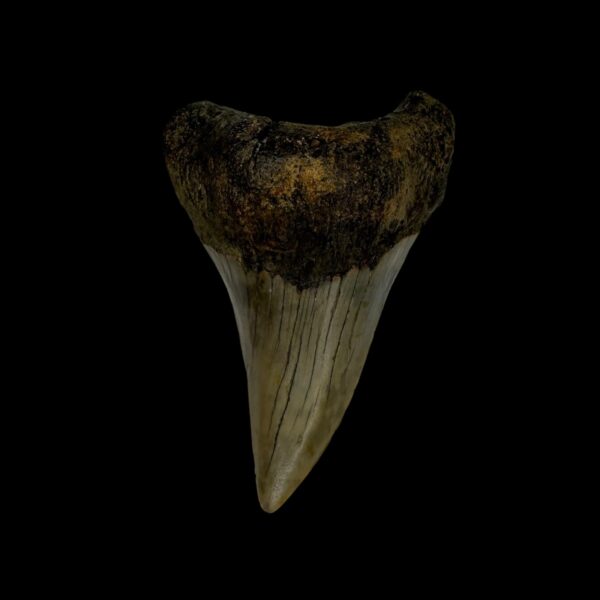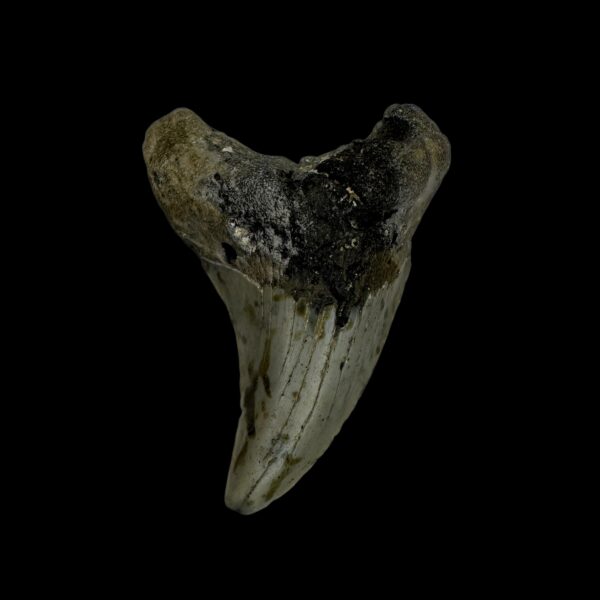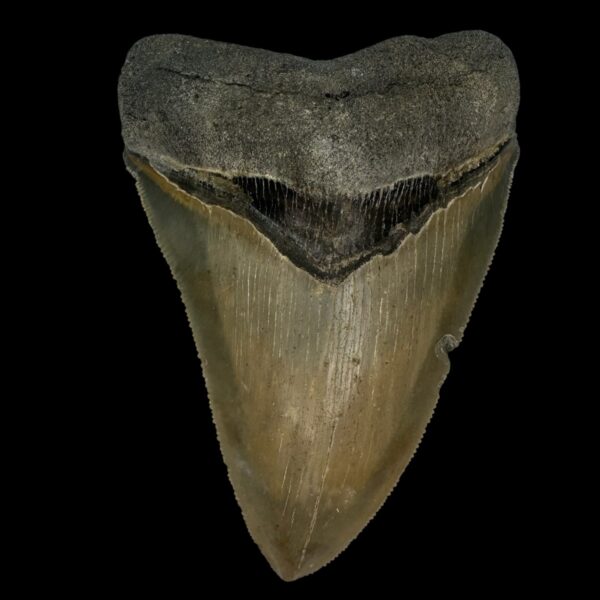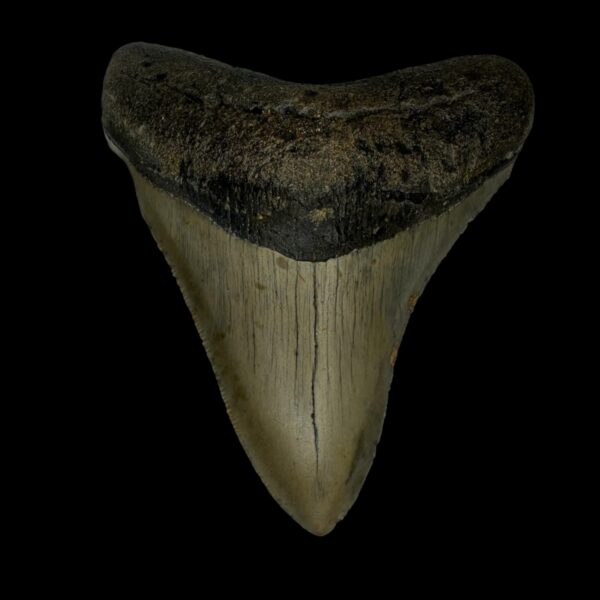

Spotlighting 8 Remarkable Fossil Shark Species from Prehistoric Oceans
Fossil shark species provide an extraordinary window into the evolution
of marine predators across hundreds of millions of years. Long before modern great
white, tiger, mako, and hammerhead sharks Spotlighting appeared in today’s oceans, numerous shark
lineages occupied prehistoric Spotlighting marine ecosystems and evolved specialized teeth for
different feeding strategies Spotlighting.
Because shark skeletons are composed primarily of cartilage, complete fossilized
skeletons are uncommon. Teeth, however, are highly mineralized and can survive
fossilization remarkably well. For this reason, much of what paleontologists know about
fossil shark species comes from teeth recovered from ancient marine
sediments.
By Spotlighting fossil shark species, we can examine how tooth shape,
serrations, crown width, root structure, and overall morphology changed as sharks adapted
to different prey and environments.
This guide explores eight remarkable sharks and shark relatives represented in the fossil
record, from enormous macropredators such as Megalodon to unusual forms that demonstrate
the incredible diversity of prehistoric marine life.
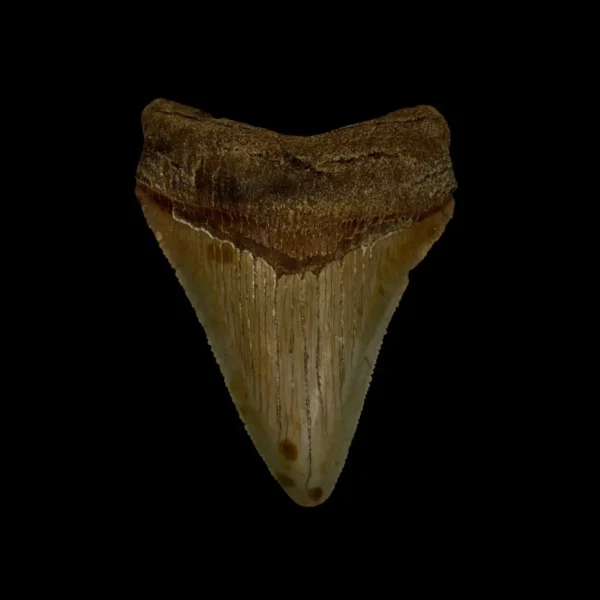
1. Fossil Shark Species: Otodus megalodon
No discussion of fossil shark species would be complete without
Megalodon. Commonly known as Otodus megalodon, this enormous extinct shark lived
from approximately 23 million to 3.6 million years ago.
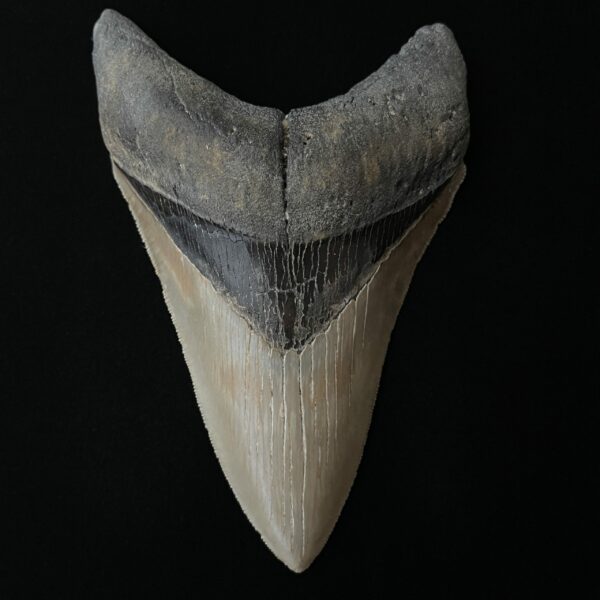
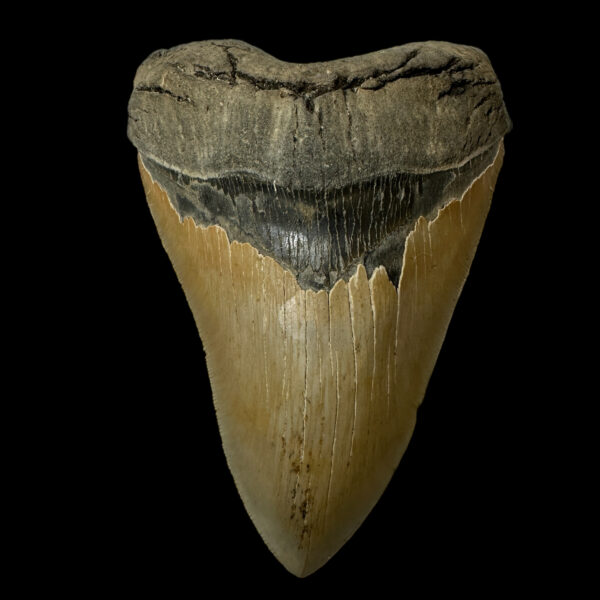
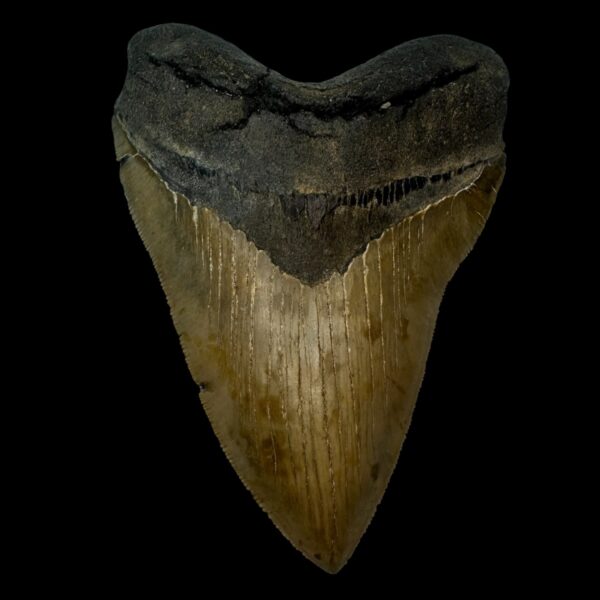
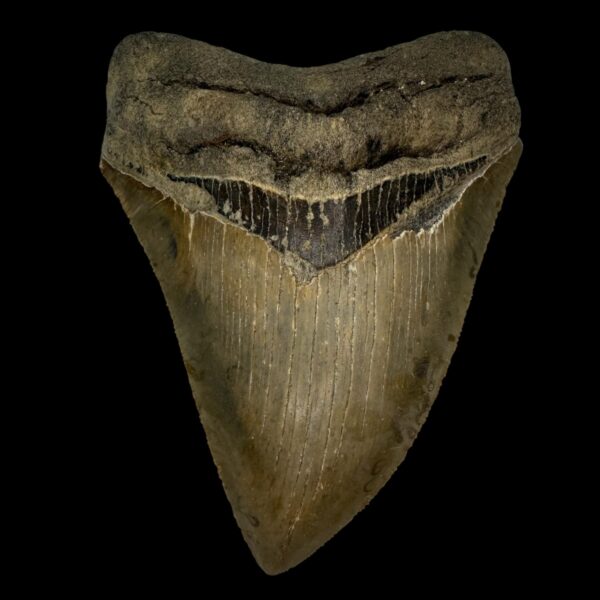
Megalodon is especially famous for its enormous triangular teeth. Large specimens can
exceed six inches in maximum slant height, making them dramatically larger than the
teeth of living predatory sharks.
The teeth typically possess broad crowns, robust roots, and finely serrated cutting
edges. These characteristics reflect a predator adapted to consuming substantial marine
prey.
What Megalodon Fossils Reveal
Megalodon teeth have been discovered in marine deposits across multiple continents.
Their widespread distribution indicates that this shark occupied warm and temperate
marine environments across a broad geographic range.
Scientists also study associated marine mammal fossils, tooth marks, geological
formations, and changes in prey communities to reconstruct the ecology of Megalodon.
2. Fossil Shark Species: Otodus chubutensis
Otodus chubutensis represents an important chapter in the evolutionary history
of giant megatooth sharks. Its fossils are especially interesting because its teeth
display characteristics associated with the transition toward the morphology seen in
Megalodon.
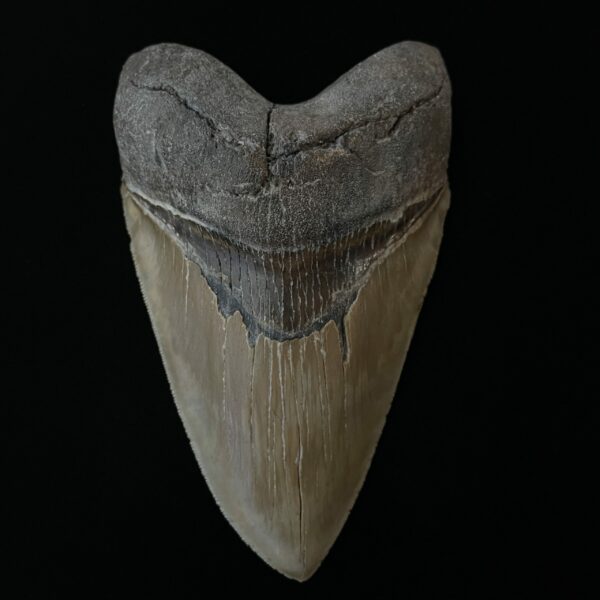
Chubutensis teeth can possess broad triangular crowns and serrated cutting edges. One
notable feature frequently discussed by collectors is the presence of lateral cusplets
beside the main crown, although their expression can vary with tooth position and
individual development.
Why Chubutensis Matters
Among fossil shark species, Chubutensis is valuable for understanding
how megatooth shark dentition changed through evolutionary time.
Comparing its teeth with earlier and later members of the lineage helps researchers
study gradual changes in crown shape, serrations, cusplets, and overall tooth size.
3. Fossil Shark Species: Otodus obliquus
Otodus obliquus lived much earlier than Megalodon and is well represented by
distinctive fossil teeth.
Its teeth generally possess a large central crown accompanied by prominent lateral
cusplets. These features create an appearance noticeably different from the broad,
cusplet-reduced teeth associated with later giant megatooth sharks.
Spotlighting Evolution Through Teeth
The morphology of Otodus obliquus provides researchers with evidence for
studying the earlier stages of megatooth shark evolution.
When specimens from different geological ages are compared, changes in tooth morphology
help paleontologists investigate how this remarkable lineage developed over millions of
years.
4. Fossil Shark Species: Cretoxyrhina mantelli
Cretoxyrhina mantelli was a large predatory shark that lived during the Late
Cretaceous, when marine reptiles such as mosasaurs and plesiosaurs also occupied the
oceans.
Its fossil teeth are typically narrower than those of Megalodon and possess cutting
edges suited to an active predatory lifestyle.
Cretoxyrhina is sometimes given the informal nickname “Ginsu Shark” because of the
cutting form of its teeth, although this nickname is not a scientific classification.
A Predator from the Cretaceous Seas
Cretoxyrhina demonstrates that large predatory sharks occupied important ecological
roles millions of years before Megalodon evolved.
Fossils associated with the Western Interior Seaway of North America have helped
scientists reconstruct the marine ecosystems in which this shark lived.
5. Fossil Shark Species: Hemipristis serra
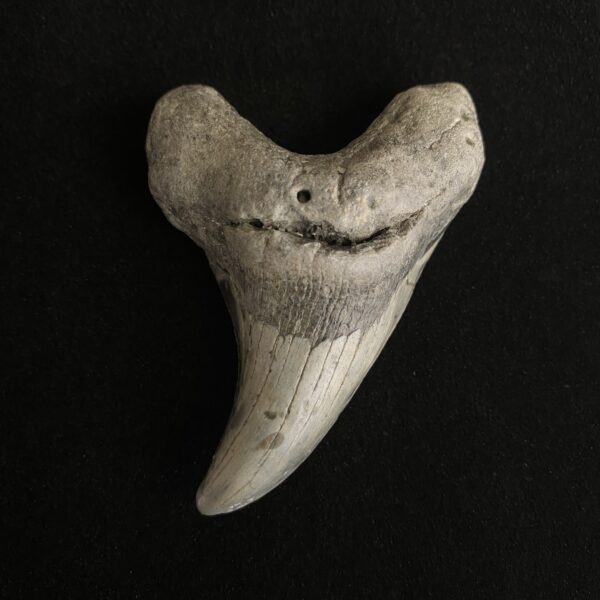
Hemipristis serra is particularly recognizable because its teeth can look very
different depending on their position within the jaw.
Upper teeth commonly possess broad crowns with pronounced serrations, while lower teeth
can be narrower and shaped differently. This variation illustrates an important concept
in shark paleontology known as heterodonty.
Why Hemipristis Teeth Are Educational
Among fossil shark species, Hemipristis provides an excellent example
of why paleontologists cannot always identify a shark tooth solely by comparing it with
one standard shape.
Understanding tooth position is essential because a single shark can possess multiple
tooth morphologies within the same jaw.
Fossil Hemipristis teeth are also frequently discovered in marine deposits that preserve
other sharks, rays, fish, and marine mammals.
6. Fossil Shark Species: Cosmopolitodus hastalis
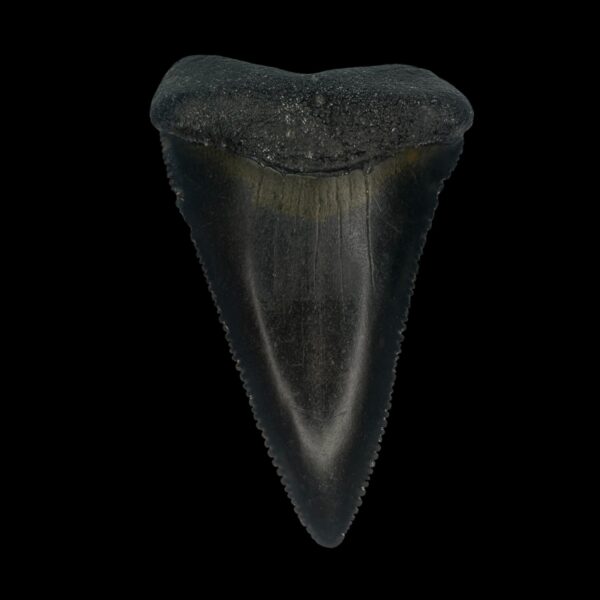
Cosmopolitodus hastalis, historically associated with the broad-toothed mako
concept in fossil collecting, is represented by large triangular teeth with smooth
cutting edges.
Unlike Megalodon, these teeth generally lack the prominent serrations characteristic of
the giant megatooth shark.
Comparing Fossil Shark Teeth
The contrast between smooth-edged and serrated teeth demonstrates how
fossil shark species can be differentiated through careful examination
of dental morphology.
Crown proportions, root shape, cutting edges, geological age, and locality all contribute
to responsible fossil identification.
Taxonomy surrounding some fossil lamniform sharks has changed over time, so collectors
may encounter different scientific names in older books, museum labels, and commercial
descriptions.
7. Fossil Shark Species: Squalicorax
Squalicorax represents a genus of extinct sharks that lived during the
Cretaceous Period. Fossil teeth belonging to members of this genus have been discovered
in several regions of the world.
Many Squalicorax teeth possess curved or triangular crowns with serrated cutting edges,
although morphology varies between species and tooth positions.
Evidence from Ancient Marine Ecosystems
Squalicorax fossils are particularly valuable because they occur in deposits containing
a wide range of Cretaceous marine organisms.
The genus has often been associated with both active predation and scavenging behavior.
Researchers evaluate tooth marks and fossil associations when investigating how these
sharks interacted with other marine animals.
8. Fossil Shark Species and Relatives: Helicoprion
Helicoprion is one of the most unusual prehistoric cartilaginous fishes ever
discovered. Although frequently described informally as a prehistoric shark, it belonged
to a distinct extinct group of shark-like cartilaginous fishes rather than being a
modern-type shark.
Its most famous feature is an extraordinary spiral arrangement of teeth known as a tooth
whorl.
For many years, scientists debated where this spiral structure was positioned on the
animal. Improved fossil evidence and anatomical research eventually supported its
placement within the lower jaw.
Why Helicoprion Is Important
Including Helicoprion when discussing fossil shark species and their
relatives demonstrates how diverse cartilaginous fishes became during prehistoric time.
Its unusual dental system also shows why fossil interpretation can change when new
specimens and technologies provide additional evidence.
How Scientists Identify Fossil Shark Species
Identifying fossil shark species requires more than simply comparing
overall tooth size. Paleontologists examine multiple anatomical and geological
characteristics before assigning a specimen to a taxonomic group.
Important characteristics can include:
- Crown height and width.
- Overall tooth proportions.
- Presence or absence of serrations.
- Serration size and distribution.
- Presence of lateral cusplets.
- Root shape and thickness.
- Crown curvature.
- Tooth position within the jaw.
- Geological age.
- Geographic locality and formation.
No single characteristic should always be treated as definitive. Geological context can
be especially valuable because similar-looking teeth may belong to organisms separated
by millions of years.
Why Teeth Dominate the Fossil Record of Fossil Shark Species
The fossil record of sharks differs significantly from that of many dinosaurs and
mammals. Sharks possess skeletons composed primarily of cartilage rather than heavily
mineralized bone.
Cartilage usually decomposes before it can fossilize, although exceptional preservation
does occasionally occur. Shark teeth, by contrast, contain highly mineralized tissues
that are much more resistant.
Sharks also continuously replace their teeth throughout life. A single individual can
therefore lose thousands of teeth, dramatically increasing the number that may enter
marine sediments.
This combination explains why teeth are the most commonly encountered fossils for many
fossil shark species.
Fossil Shark Species and the Evolution of Feeding Strategies
One of the most fascinating aspects of studying fossil shark species is
the enormous diversity of tooth shapes preserved through geological time.
Broad serrated teeth can indicate adaptations associated with cutting substantial prey.
Long narrow teeth can be effective for gripping fish and other fast-moving animals.
Flatter dental structures in other cartilaginous fishes can be adapted for crushing
shells and hard-bodied organisms.
These differences demonstrate how tooth morphology is connected to ecology.
Paleontologists compare fossil teeth with living species, associated prey fossils, wear
patterns, and geological environments to develop hypotheses about ancient feeding
strategies.
However, tooth shape alone does not provide a complete picture of behavior. Scientific
interpretations become stronger when multiple forms of evidence support the same
conclusion.
Fossil Shark Species Across Geological Time
The sharks discussed in this article did not all coexist. They represent different
chapters of Earth’s marine history.
Helicoprion and its relatives occupied Paleozoic oceans long before dinosaurs appeared.
Cretoxyrhina and Squalicorax lived during the Cretaceous, when marine reptiles occupied
many ocean ecosystems. Later sharks such as Chubutensis and Megalodon evolved during the
Cenozoic Era.
Recognizing these differences is essential when studying
fossil shark species. Prehistoric oceans changed dramatically through
time as continents moved, climates shifted, sea levels changed, prey groups evolved, and
extinction events reorganized marine ecosystems.
A fossil tooth is therefore more than evidence of an individual animal. When its
geological context is known, it becomes evidence of a particular period in Earth’s
history.
Why Fossil Shark Species Matter to Collectors
Collecting teeth from multiple fossil shark species allows enthusiasts
to build a physical record of shark evolution.
A collection containing Megalodon, Chubutensis, Hemipristis, mako-type sharks, and
Cretaceous species can demonstrate major differences in tooth morphology across
different lineages and geological periods.
Collectors can compare features such as:
- Serrated versus smooth cutting edges.
- Broad versus narrow crowns.
- Large versus reduced lateral cusplets.
- Different root structures.
- Changes in overall tooth size.
- Different mineral colors created during fossilization.
This approach turns a fossil collection into an educational tool rather than simply a
group of decorative objects.
Collectors interested in authentic prehistoric shark teeth can also explore the fossil
specimens available through The Fossil Exchange while comparing the anatomical
characteristics discussed throughout this guide.
Educational Importance of Fossil Shark Species
Fossil shark species connect paleontology with biology, geology,
evolution, ecology, and natural history.
For students, shark teeth provide accessible examples of how scientists classify extinct
organisms using anatomical evidence. Comparing multiple species demonstrates that even
structures as familiar as teeth can contain extensive evolutionary information.
These fossils can also introduce students to scientific uncertainty. Paleontological
classification changes when new specimens are discovered or researchers reinterpret
existing evidence.
That makes prehistoric sharks especially useful for demonstrating that science is an
ongoing process rather than a fixed collection of facts.
Frequently Asked Questions About Fossil Shark Species
What are some of the most famous fossil shark species?
Megalodon is the most famous example, but Chubutensis, Cretoxyrhina, Hemipristis, and
several other extinct sharks are also well represented in the fossil record.
Why are fossil shark teeth more common than shark skeletons?
Shark skeletons consist primarily of cartilage, which generally decomposes more readily
than mineralized teeth. Sharks also replace teeth continuously, producing large numbers
that can potentially become fossilized.
How are fossil shark species identified from teeth?
Researchers compare crown shape, serrations, cusplets, roots, tooth position, geological
age, locality, and other characteristics.
Is Helicoprion actually a shark?
Helicoprion was a cartilaginous fish related to sharks and their broader relatives, but
it should not simply be treated as a member of a modern shark lineage. It belonged to a
distinct extinct group.
Did all prehistoric sharks live at the same time?
No. The fossil Spotlighting record of sharks extends across hundreds of millions of years, so many
famous prehistoric forms were separated by enormous spans of geological time.
Are fossil shark teeth always black Spotlighting?
No. Fossil teeth can be black, gray, brown, tan, reddish, blue-gray, or display multiple
colors. Their coloration is strongly influenced by minerals in the surrounding Spotlighting sediment
during fossilization.
Are larger fossil shark teeth always rarer?
Size can contribute to rarity and collector interest, but species, tooth position,
preservation, locality, geological age, completeness, and availability must also be
considered.
Conclusion: Spotlighting the Remarkable Diversity of Fossil Shark Species
Spotlighting fossil shark species reveals that Megalodon represents
only one chapter in a much larger evolutionary story. Ancient oceans supported an
extraordinary variety of predatory cartilaginous fishes with different tooth shapes,
feeding adaptations, body sizes, and ecological roles.
From the enormous serrated teeth of Megalodon to the lateral cusplets of earlier
megatooth sharks and the extraordinary tooth whorl of Helicoprion, fossil evidence
demonstrates that marine predators evolved many different solutions for surviving in
prehistoric ecosystems.
Studying fossil shark species also demonstrates why individual teeth
are scientifically important. Crown shape, roots, serrations, cusplets, geological age,
and discovery location can collectively reveal information about animals whose
cartilaginous skeletons rarely survive fossilization.
For collectors Spotlighting , educators, and students, these fossils provide a tangible connection to
hundreds of millions of years of marine evolution. Each specimen represents not simply
an extinct shark Spotlighting, but a small piece of the constantly changing history of Earth’s oceans.