Insightful Megalodon Tooth Anatomy – Amazing 6-Part Guide for Young Learners
Megalodon tooth anatomy provides a fun and educational way for young learners to understand how prehistoric sharks lived, hunted, and evolved. When students explore fossils through an insightful approach, they discover how each part of a Megalodon tooth contains clues about the shark’s behavior, diet, and geological environment. This guide breaks down the six major components of Megalodon teeth and presents them in an accessible, student-friendly format.
Insightful Overview of the Crown Structure
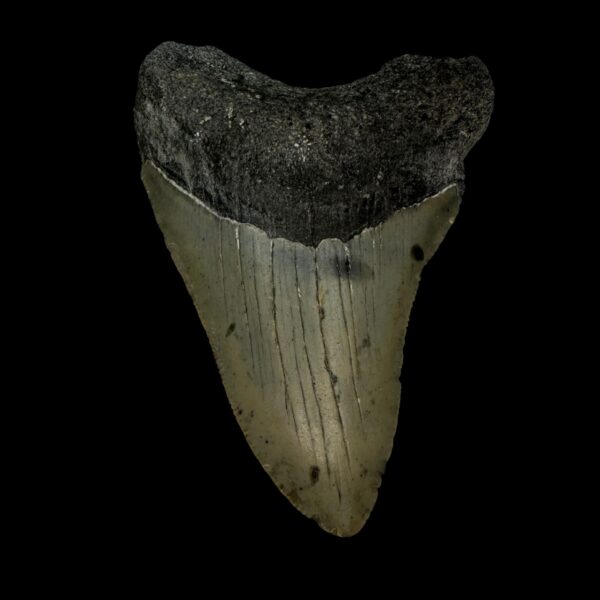
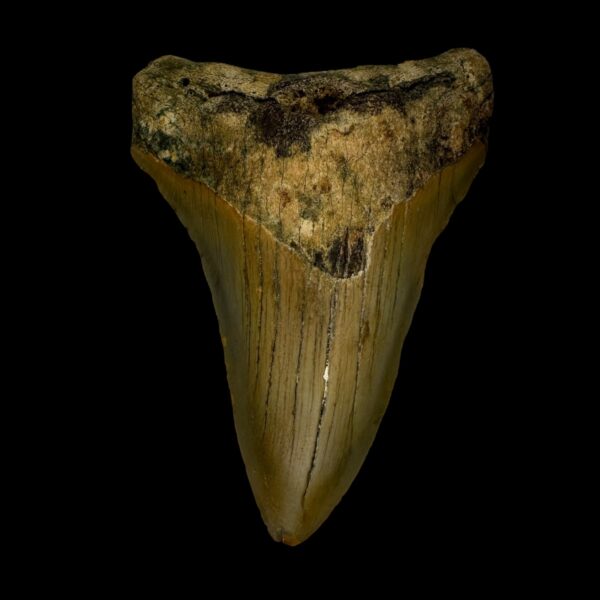
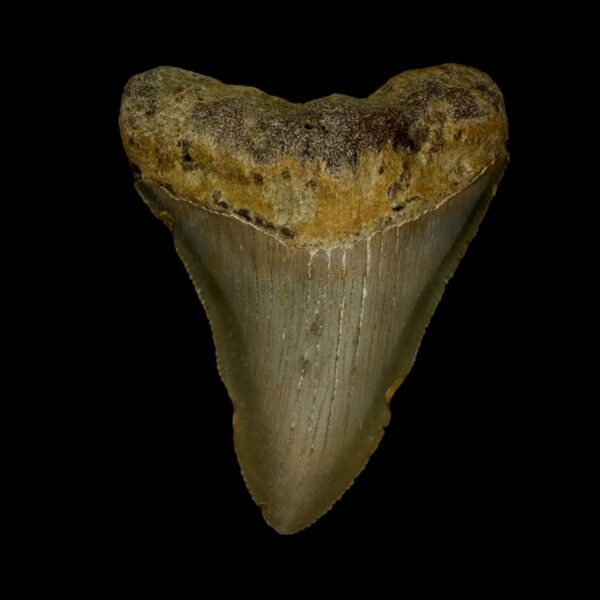
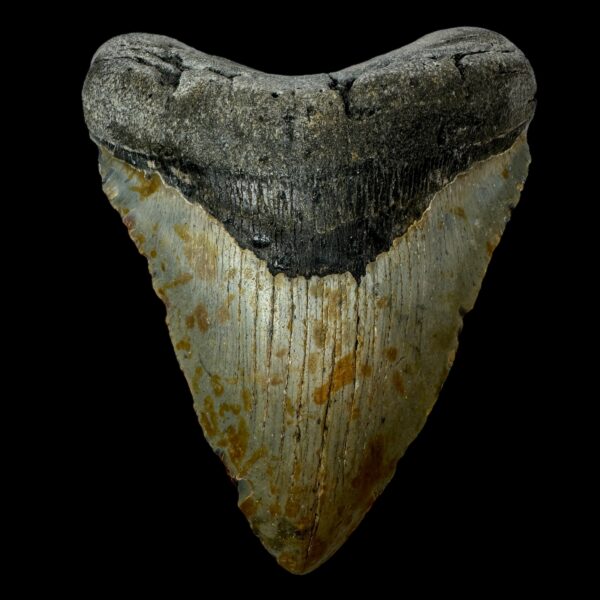
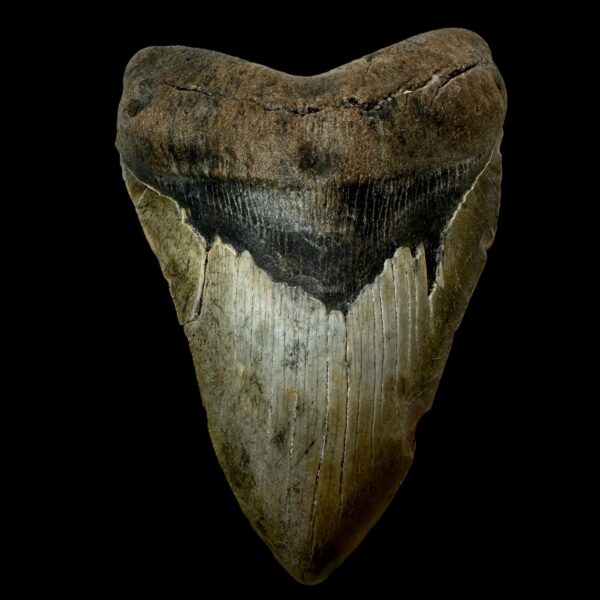
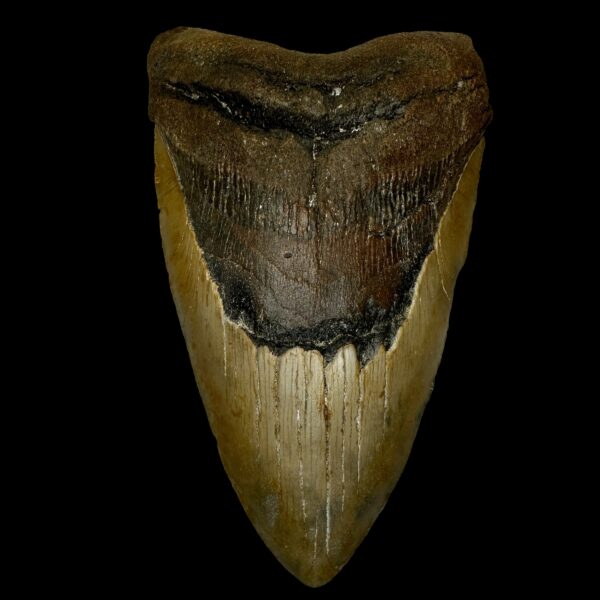
The crown is the triangular cutting surface at the top of the tooth and one of the most important elements in Megalodon tooth anatomy. Its width, thickness, and angle help scientists determine how Megalodon sliced through prey. A detailed and insightful examination of the crown reveals enamel lines, bite marks, and natural wear patterns. These features help students understand the incredible strength of Megalodon’s bite and the role the crown played in feeding.
Insightful Examination of Megalodon Tooth Serrations
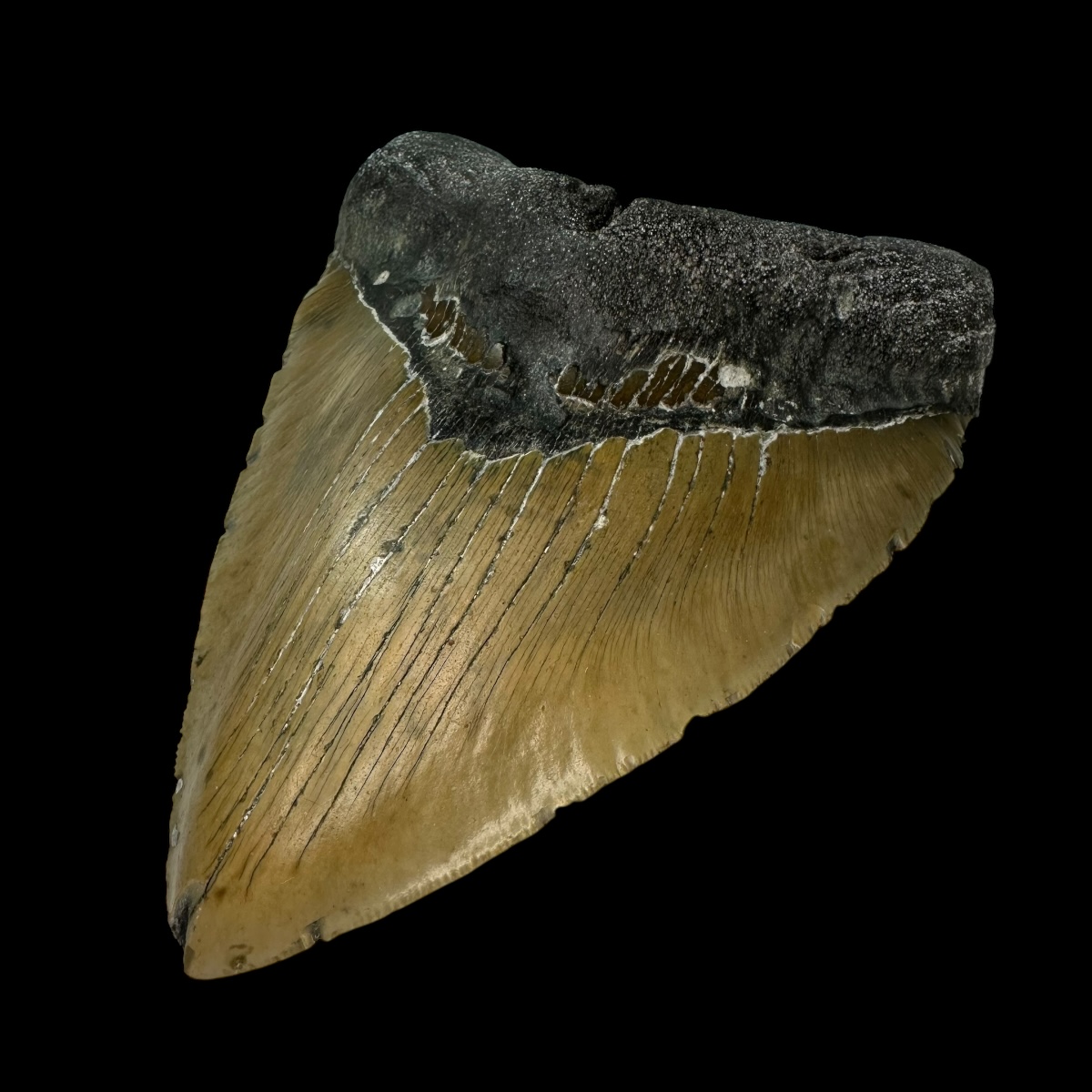
Serrations are small, saw-like notches along the edges of the crown. They are essential for understanding how Megalodon’s teeth functioned during hunting. An insightful look at serrations helps learners see how the shark cut through thick blubber, muscle, and bone. Sharp serrations often mean the tooth fossilized in stable conditions, while smooth serrations can indicate river polishing. Studying serrations helps young learners understand how fossils form and how tooth wear reflects feeding behavior.
Analysis of the Root Structure
The root is the thick base of the tooth that anchored it deeply into Megalodon’s jaw. An analysis of the root reveals how the shark shed and replaced its teeth throughout its life. The shape and mineral patterns of the root also help paleontologists identify the fossil’s geological history. Students quickly learn that the root provides valuable information about both biology and fossil preservation, connecting anatomy with environmental science.
Look at Enamel Preservation
Enamel is a strong and glossy outer layer that protects the crown. It is one of the key features that make Megalodon fossils beautiful and scientifically important. look at enamel teaches students how minerals replaced organic material during fossilization. Enamel colors—black, gray, brown, gold, or blue—come from sediments and minerals in the soil. By examining enamel patterns, young learners begin to understand how fossils survive millions of years underground.
Insightful Understanding of the Bourlette Feature
The bourlette is the dark textured band that sits between the crown and the root. Many beginners overlook it, but an understanding of this feature reveals important clues about fossil wear and sediment conditions. The bourlette often erodes faster than enamel, so its preservation varies widely. Comparing bourlette textures helps students learn how environment and water movement affect fossils differently.
Approach to Learning Megalodon Tooth Anatomy
approach to anatomy encourages young learners to think like paleontologists. By observing tooth structures closely, they develop scientific thinking skills such as comparing patterns, identifying features, and interpreting evidence. Each part of the tooth—crown, serrations, root, enamel, and bourlette—offers a unique opportunity to practice observation and analysis. This makes Megalodon tooth anatomy both educational and exciting.
Additional Benefits for Students
Studying Megalodon teeth also teaches learners how fossils vary based on location. For example, North Carolina fossils often appear darker due to phosphate-rich sediments, while Florida fossils may show brown, orange, or amber tones. River fossils from South Carolina tend to be smoother and more polished. These differences help students understand how minerals, pressure, and water movement shape fossils over millions of years.
Handling real or replica teeth allows students to observe enamel texture, serration wear, crown angles, and root structure. This hands-on experience makes learning more interactive and insightful, transforming complex science topics into something approachable and fun.