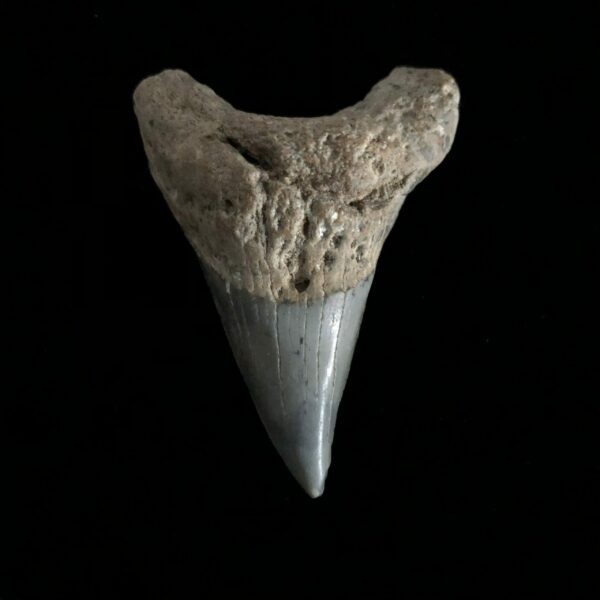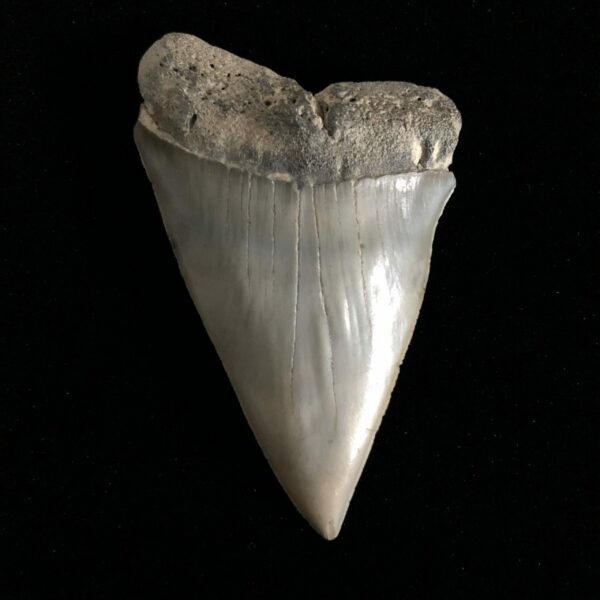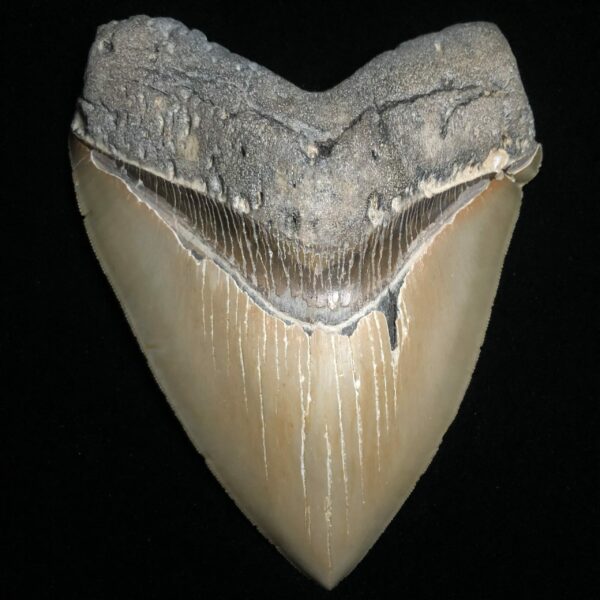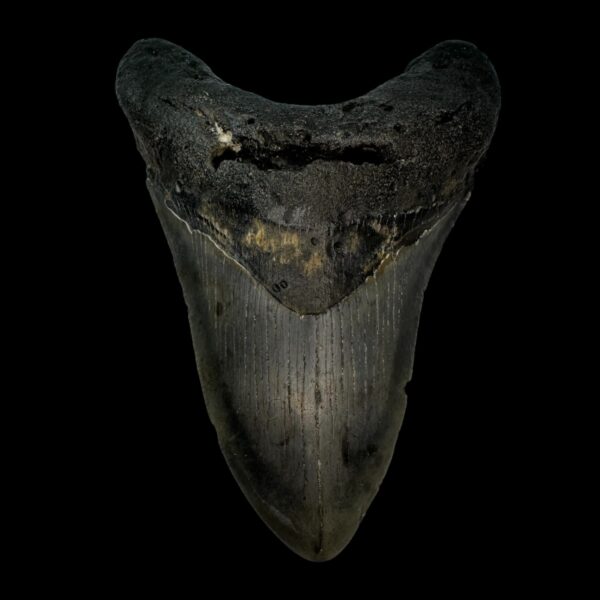
Megalodon Museum
From the Depths of the Atlantic Ocean
Welcome to the Megalodon Museum
The Megalodon Museum is a unique digital experience where science, history, and fossil collecting come together. Designed for enthusiasts and collectors, this museum allows you to explore one of the most powerful predators that ever lived. Inside the Megalodon Museum, you will discover detailed exhibits covering size, extinction, fossil locations, and real Megalodon teeth. Each section of the museum is carefully curated to provide both educational value and collector insight.
Museum Exhibits
Each exhibit inside the Megalodon Museum explores a different aspect of this prehistoric predator. From scientific discoveries to fossil collecting, this museum experience is designed to guide you through the full story.Megalodon Size Exhibit
Discover how massive the Megalodon truly was.Fossil Locations Exhibit
Learn where Megalodon teeth are found around the world.Authenticity Exhibit
Understand how to identify real Megalodon fossils.Value Exhibit
Explore what determines the value of a Megalodon tooth.Extinction Exhibit
Discover what led to the disappearance of the Megalodon.Museum Collection: Real Megalodon Fossils
The Megalodon Museum is not only a place to learn—it is also a gateway to owning real prehistoric artifacts. Our curated collection features authentic Megalodon teeth sourced from verified fossil locations. Each piece in the museum collection represents millions of years of natural history, making it a unique addition to any collection. Explore the CollectionA Digital Museum Experience
The Megalodon Museum is designed to replicate the experience of a real museum. Visitors can explore exhibits, learn scientific facts, and discover authentic fossils—all in one place. This museum combines education and collecting into a single immersive experience.Start Exploring the Megalodon Museum
Begin your journey through the Megalodon Museum and discover the fascinating world of prehistoric ocean giants. Start Your CollectionStunning Museum-Level Specimen Why the 6.33 Megalodon Tooth Fossil Is a Stunning Elite Find
6.33 Megalodon Tooth Fossil: Stunning Museum-Level Specimen
Why the 6.33 Megalodon Tooth Fossil Is a Stunning Elite Find
The 6.33 Megalodon Tooth Fossil belongs to one of the rarest and most prestigious size categories in the fossil market. Teeth exceeding six inches are already considered elite, and crossing beyond 6.3 inches places this specimen near museum-level territory.
For advanced collectors, this size dramatically increases desirability, visual dominance, and long-term investment appeal.
How Rare Is a 6.33 Megalodon Tooth Fossil?
Most Megalodon teeth recovered worldwide measure between 3 and 5 inches. Specimens exceeding six inches represent only a small percentage of total discoveries, making this size category exceptionally scarce.
| Size Range | Collector Tier | Availability |
|---|---|---|
| 3–4 inches | Common | Widely Available |
| 4–5 inches | Premium | Strong Demand |
| 5–6 inches | Rare Premium | Limited |
| 6.3+ inches | Elite / Museum-Level | Extremely Rare |
What Shark Size Does a 6.33-Inch Tooth Represent?
Scientific scaling models suggest that a 6.33 Megalodon Tooth Fossil may have originated from a shark measuring approximately 58 to 60+ feet in length. This places the original predator near the upper biological estimates for the species.
For detailed measurement methods, see:
Accurate Sizing: 7 Realistic Clues to Estimate the Size of a Megalodon Tooth Fossil
Why Specimens Above 6.3 Inches Command Exceptional Value
As size increases, structural survival becomes significantly rarer. Larger teeth were more susceptible to breakage during feeding and geological pressure over millions of years.
- Exceptional display dominance
- High collector prestige
- Extreme scarcity factor
- Near museum-grade presence
The 6.33 Megalodon Tooth Fossil stands out as a true centerpiece specimen.
Condition and Preservation at This Scale
At sizes exceeding six inches, preservation quality becomes even more critical. Collectors evaluate:
- Blade symmetry and alignment
- Tip integrity
- Root thickness and completeness
- Natural enamel sheen and coloration
Well-preserved large examples are exponentially harder to acquire compared to smaller sizes.
Investment Potential of a 6.33 Megalodon Tooth Fossil
Historically, specimens above six inches have maintained strong demand due to limited availability. As supply tightens, elite size categories often outperform mid-range specimens in long-term appreciation.
For pricing insight, explore:
Realistic Value Guide
Who Should Consider This Size?
- Advanced fossil collectors
- High-end investors
- Museum-quality display buyers
- Prestige specimen enthusiasts
FAQ
Is a 6.33 Megalodon tooth extremely rare?
Yes. Teeth exceeding 6.3 inches are significantly less common than standard collector sizes and are highly sought after.
Does size dramatically increase value?
Absolutely. Crossing the six-inch threshold often elevates a specimen into an elite rarity tier.
Is this considered museum-level?
Specimens in this range approach museum-level standards, especially when preservation quality is high.
Final Verdict
The 6.33 Megalodon Tooth Fossil represents elite collector status. With stunning size, extreme rarity, and strong long-term value potential, it stands among the most prestigious fossil categories available today.
Geological Significance and Preservation Conditions
Large Megalodon specimens formed under specific sediment conditions that allowed enamel and root structures to survive millions of years of geological pressure. Fossils above six inches are far less common because larger teeth were more prone to breakage and erosion.
A well-preserved specimen in this category often displays stunning enamel contrast, natural coloration, and strong structural integrity.
Visual Impact in Advanced Collections
Teeth in the 6.3-inch range create immediate visual dominance in any display setting. Their scale alone commands attention, especially when mounted in a premium case or presented as a centerpiece fossil.
Collectors often describe specimens of this size as truly stunning due to their dramatic proportions and commanding presence.
Collector Psychology and Prestige Factor
Crossing the six-inch threshold shifts a fossil from “premium” into a prestige category. The psychological impact of owning a specimen of this magnitude significantly increases perceived exclusivity.
The 6.33 Megalodon Tooth Fossil delivers a stunning combination of rarity, size, and elite status, making it highly desirable among serious collectors.
Long-Term Market Scarcity
As fossil hunting locations become more regulated and supply decreases, large intact specimens are expected to become even harder to acquire. Historical trends show that elite size categories maintain strong demand during both stable and rising market cycles.
Display Recommendations for Maximum Impact
- Use a neutral background to enhance enamel contrast
- Install soft directional lighting to highlight blade symmetry
- Mount securely to prevent structural stress
- Avoid enclosed high-humidity environments
5.41" Megalodon Tooth Fossil: Premium Large Collector Specimen Why the 5.41" Megalodon Tooth Fossil Is a High-Value Find
The 5.41″ Megalodon Tooth Fossil falls within a highly desirable size range for collectors seeking both visual impact and strong market value. Teeth above five inches are significantly rarer than standard finds, placing this specimen firmly in the premium category.
For collectors, this size represents an ideal balance between rarity, affordability, and display presence.
How Rare Is a 5.41″ Megalodon Tooth?
Most Megalodon teeth discovered worldwide measure between 3 and 5 inches. Specimens exceeding five inches become increasingly difficult to find, especially in well-preserved condition.
| Size Range | Collector Tier | Availability |
|---|---|---|
| 3–4 inches | Common | Widely Available |
| 4–5 inches | Premium | Strong Demand |
| 5–6 inches | Rare Premium | Limited |
| 6+ inches | Elite | Extremely Rare |
Estimated Shark Size for a 5.41-Inch Tooth
Scientific scaling methods suggest that a 5.41″ Megalodon Tooth Fossil likely originated from a shark measuring approximately 45 to 50 feet in length. This places the specimen among large, mature Megalodon individuals.
For more details, explore:
Megalodon Size Estimation Guide
Why Teeth in the 5–6 Inch Range Are Highly Sought After
The 5-inch range represents a critical threshold where rarity begins to increase significantly, while still remaining accessible to serious collectors.
- Strong visual display presence
- Increasing scarcity compared to smaller sizes
- High collector demand
- Excellent balance between size and value
The 5.41″ Megalodon Tooth Fossil stands as a premium-level specimen with strong collector appeal.
Condition and Preservation Factors
At this size, preservation quality plays a major role in determining value. Collectors typically evaluate:
- Blade symmetry and edge condition
- Tip completeness
- Root structure and thickness
- Natural enamel color and finish
Well-preserved examples in this range are considerably harder to find than smaller, more common teeth.
Investment Potential of a 5.41″ Megalodon Tooth
Teeth in the 5–6 inch category are widely recognized for their strong demand and steady market performance. As larger specimens become increasingly scarce, this size range continues to gain attention from collectors and investors alike.
For pricing insights:
Megalodon Tooth Value Guide
Who Should Consider This Size?
- Intermediate to advanced collectors
- Buyers seeking premium display fossils
- Collectors entering high-value categories
- Prehistoric artifact enthusiasts
Is a 5.41″ Megalodon tooth considered rare?
Yes. Teeth above five inches are significantly less common than standard sizes and are highly desirable among collectors.
Does this size offer good investment value?
Absolutely. The 5–6 inch range is known for strong demand and long-term stability in the fossil market.
Final Verdict
The 5.41″ Megalodon Tooth Fossil represents a premium collector-grade specimen. With impressive size, growing scarcity, and strong display presence, it offers an excellent combination of value and prestige.
Geological Formation and Preservation
Megalodon teeth formed over millions of years under sediment conditions that allowed mineralization and fossil preservation. Larger teeth are less commonly preserved intact due to environmental stress and natural breakage.
High-quality specimens in this category often display rich coloration and solid structural integrity.
Visual Impact in Collections
A 5.41-inch tooth provides a commanding presence in any display. Its size makes it immediately noticeable while remaining practical for showcasing in personal collections.
Collectors often value this range for its balance between scale and versatility.
Collector Appeal and Market Demand
The 5–6 inch category is one of the most competitive segments in the fossil market. It offers a step into high-end collecting without reaching the extreme rarity (and cost) of museum-level specimens.
Market Trends and Scarcity
As fossil sourcing becomes more restricted and high-quality specimens become harder to find, premium-size teeth like this are expected to maintain strong demand over time.
Display Recommendations
- Use neutral or dark backgrounds to enhance contrast
- Apply soft lighting to highlight enamel details
- Secure mounting to preserve structural integrity
- Avoid humid environments to prevent damage
6.45" Megalodon Tooth Fossil: Elite Museum-Level Collector Specimen
Why the 6.45″ Megalodon Tooth Fossil Is an Exceptional Find
The 6.45″ Megalodon Tooth Fossil belongs to one of the most exclusive size categories available to collectors. Teeth exceeding six inches are extremely rare, placing this specimen near museum-level classification.For collectors, this size represents prestige, dominance, and long-term investment potential.How Rare Is a 6.45″ Megalodon Tooth?
Most Megalodon teeth discovered worldwide measure between 3 and 5 inches. Specimens above six inches represent a very small percentage of all finds.| Size Range | Collector Tier | Availability |
|---|---|---|
| 3–4 inches | Common | Widely Available |
| 4–5 inches | Premium | Strong Demand |
| 5–6 inches | Rare Premium | Limited |
| 6+ inches | Elite / Museum-Level | Extremely Rare |
Estimated Shark Size
A 6.45″ Megalodon Tooth Fossil likely originated from a shark measuring approximately 55 to 60 feet in length.Why This Size Commands High Value
- Extreme rarity
- Dominant display presence
- High collector prestige
- Museum-level classification
Condition and Preservation
Collectors evaluate:- Blade symmetry
- Tip integrity
- Root thickness
- Enamel quality
Investment Potential
Specimens above six inches are highly sought after and tend to maintain strong long-term value due to limited supply.Final Verdict
The 6.45″ Megalodon Tooth Fossil is an elite collector specimen, offering rarity, scale, and exceptional visual impact.5.88" Serrated Megalodon Tooth Fossil: Precision Collector Specimen
Size Classification and Rarity Scale
To better understand where the 5.88″ Serrated Megalodon Tooth Fossil stands, it is useful to compare it within the broader size classification used by collectors.
| Size Range | Collector Tier | Availability | Key Characteristics |
|---|---|---|---|
| 3–4 inches | Common | Widely Available | Entry-level specimens with moderate detail |
| 4–5 inches | Premium | Strong Demand | Balanced size with good display presence |
| 5–6 inches | Rare Premium | Limited | High collector demand and increased rarity |
| 6+ inches | Elite | Extremely Rare | Museum-level specimens with maximum prestige |
Why the 5–6 Inch Range Is Highly Desirable
The 5.88″ Serrated Megalodon Tooth Fossil falls within a critical range where scarcity begins to increase significantly while still remaining accessible to serious collectors.
- Noticeable increase in rarity compared to smaller sizes
- Strong visual impact without extreme pricing
- High demand among intermediate and advanced collectors
- Ideal balance between size, detail, and availability
Geological Formation and Edge Preservation
Serrated Megalodon teeth formed over millions of years under specific sediment conditions that allowed mineralization while preserving edge detail.
In many cases, serrations are lost due to erosion, making well-preserved examples like this significantly more valuable.
Visual Impact in Display Collections
A 5.88″ serrated specimen offers strong visual presence, particularly due to the defined edges that highlight the original cutting structure of the tooth.
Collectors often prefer serrated fossils because they better represent the functional anatomy of the Megalodon.
Market Demand and Collector Trends
The 5–6 inch category remains one of the most competitive segments in the fossil market. Specimens in this range consistently attract buyers due to their combination of size and detail.
Teeth with intact serrations tend to outperform smoother specimens in both desirability and long-term value.
Display Recommendations
- Use directional lighting to highlight serration detail
- Display on neutral or dark backgrounds for contrast
- Avoid excessive handling to preserve edge integrity
- Store in low-humidity environments
Explore Our Fossil Collection
“4.60″ Megalodon Tooth Fossil” has been added to your cart. View cart