When Did the Megalodon Go Extinct? 5 Fascinating Facts You Should Know
When Did the Megalodon Go Extinct is one of the most fascinating questions about this prehistoric predator. Scientists estimate that the Megalodon went extinct approximately 3.6 million years ago, during the late Pliocene epoch.
Understanding when did the Megalodon go extinct helps explain major shifts in Earth’s oceans and why one of the largest predators in history disappeared completely.
1. The Megalodon Disappeared Around 3.6 Million Years Ago
When exploring when did the Megalodon go extinct, fossil evidence provides the most reliable answers.
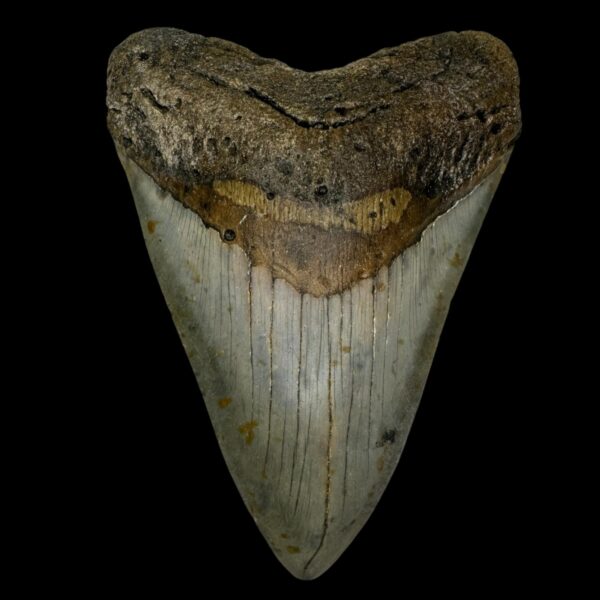
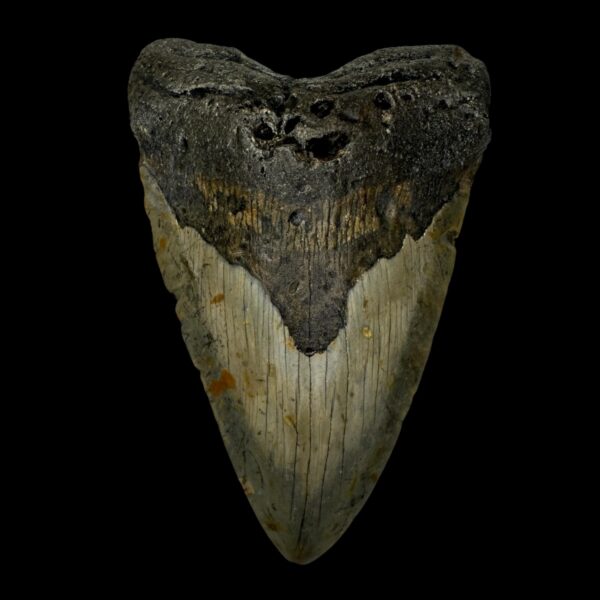
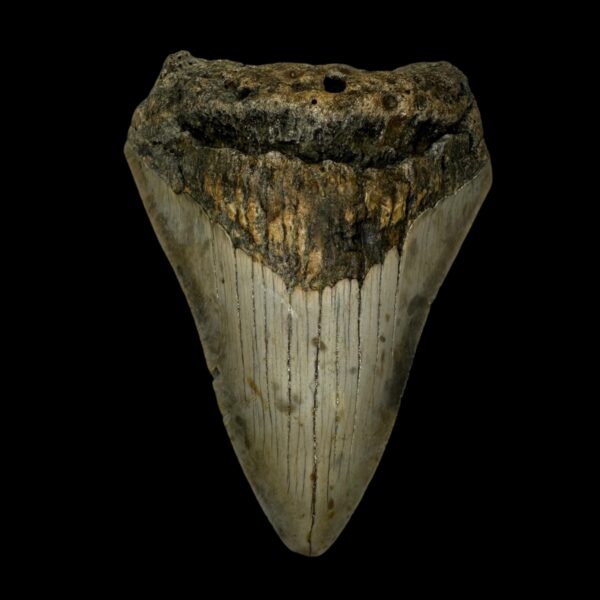
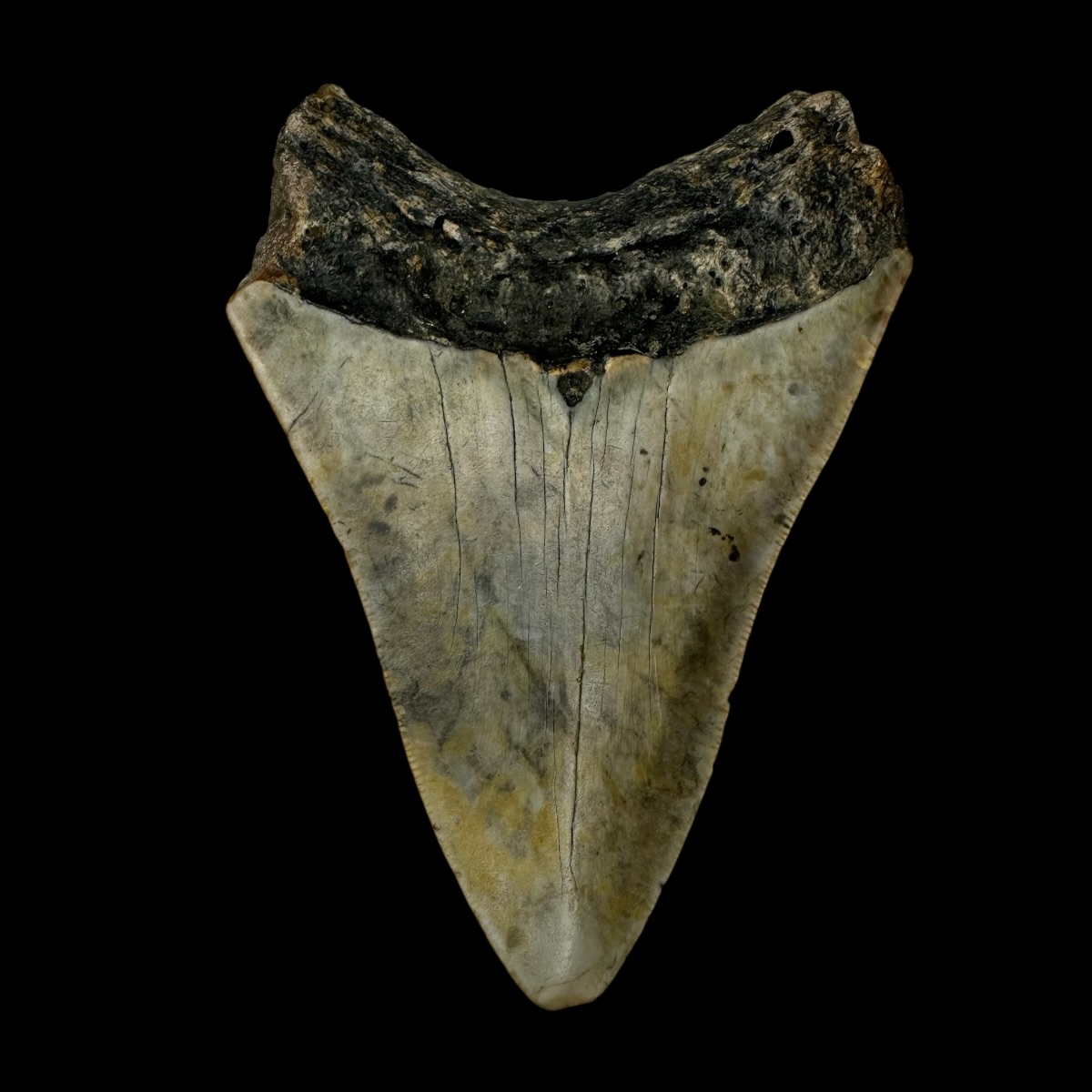
The youngest Megalodon teeth discovered date back to about 3.6 million years ago. After that point, no confirmed fossils have been found, suggesting the species had already vanished.
2. Climate Change Played a Major Role
One of the most accepted explanations for when did the Megalodon go extinct is global climate change.
During the Pliocene, ocean temperatures began to drop significantly:
- Warm-water habitats shrank
- Prey species migrated or declined
These changes created a challenging environment for such a massive predator.
3. Loss of Prey and Food Sources
Another key factor in when did the Megalodon go extinct was the reduction of available prey.
Large marine mammals that Megalodon depended on began to decline or move to colder waters. This disrupted the food chain and made survival more difficult.
4. Competition From Emerging Predators
When analyzing when did the Megalodon go extinct, scientists also consider competition.
Smaller but highly efficient predators like early great white sharks and ancient orcas evolved and adapted quickly, competing for the same food sources.
5. Loss of Nursery Areas
A fascinating aspect of when did the Megalodon go extinct is the loss of safe breeding environments.
Young Megalodons relied on:
- Warm, shallow coastal waters
- Protected nursery zones
As sea levels changed, these critical areas disappeared, affecting reproduction rates.
6. Changing Ocean Ecosystems
Understanding when did the Megalodon go extinct also requires looking at broader ecosystem changes.
Marine life evolved rapidly, reshaping food chains and making Fascinating it harder for Megalodon to maintain its dominance.
7. Why Megalodon Could Not Adapt
A key reason behind when did the Megalodon go extinct is its inability to adapt quickly enough.
Due to its massive size:
- It required large amounts of food
- It depended on stable environments
- Fascinating
These limitations made survival difficult as conditions changed.
🦷 Discover Real Megalodon Fossils
While scientists study when did the Megalodon go extinct, fossil evidence such as Fascinating Megalodon teeth allows us to connect directly with this ancient predator.
At The Fossil Exchange, you can explore authentic Megalodon teeth that have survived millions of years, offering a tangible piece of prehistoric history.
The Legacy of the Megalodon
Even after understanding when did the Megalodon go extinct Fascinating , its legacy remains powerful.
Its size, strength, and dominance continue to capture the imagination of scientists and collectors alike.
Conclusion
So, when did the Megalodon go extinct? Around 3.6 million years ago. A combination of climate change, loss of prey, competition, and environmental shifts likely led to its extinction.
FAQ
When did the Megalodon go extinct?
Approximately 3.6 million years ago.
What caused the Megalodon to go extinct?
Climate change, loss of prey, and competition were major factors.
Could the Megalodon still exist today?
There is no scientific evidence supporting the existence of Megalodon in modern oceans.
Megalodon Extinction: Myths vs Reality
When discussing when did the Megalodon go extinct, many myths still circulate online. Let’s separate fact from fiction.
- Myth: Megalodon still exists in deep oceans
Reality: There is no scientific evidence supporting this claim - Myth: Megalodon disappeared suddenly
Reality: Its extinction was gradual due to environmental changes - Myth: It was invincible
Reality: Even apex predators depend on stable ecosystems