# Demystifying 7 Remarkable Stages of How Fossils Are Formed
Introduction
One of the most common questions in paleontology is how fossils are formed. Fossils provide an extraordinary window into Earth’s distant past, preserving evidence of organisms that lived millions of years ago. However, fossilization is not an instant event—it is a slow geological process that may take thousands or even millions of years under very specific environmental conditions.
By Demystifying how fossils are formed, scientists help us understand why only a small percentage of ancient plants and animals ever become fossils. Most living organisms decompose completely, leaving no trace behind. Only when the right combination of burial, mineral replacement, pressure, and time occurs can fossilization begin.
This educational guide explains the seven remarkable stages of how fossils are formed, allowing students, collectors, and fossil enthusiasts to better understand one of nature’s most fascinating scientific processes.
## 1. How Fossils Are Formed: Rapid Burial Begins the Process
The first stage in how fossils are formed is rapid burial beneath sediment such as sand, mud, volcanic ash, or silt.
When an organism dies, it is normally consumed by scavengers or decomposes quickly. Rapid burial protects the remains from weather, oxygen, and biological activity, dramatically increasing the chances of fossilization.
By Demystifying this first stage, scientists emphasize that burial is the single most important requirement for fossil preservation.
### Why Rapid Burial Matters
Without quick burial, very few organisms survive long enough to begin the fossilization process.
## 2. How Fossils Are Formed: Soft Tissues Decompose
Once buried, bacteria and microorganisms gradually break down soft tissues.
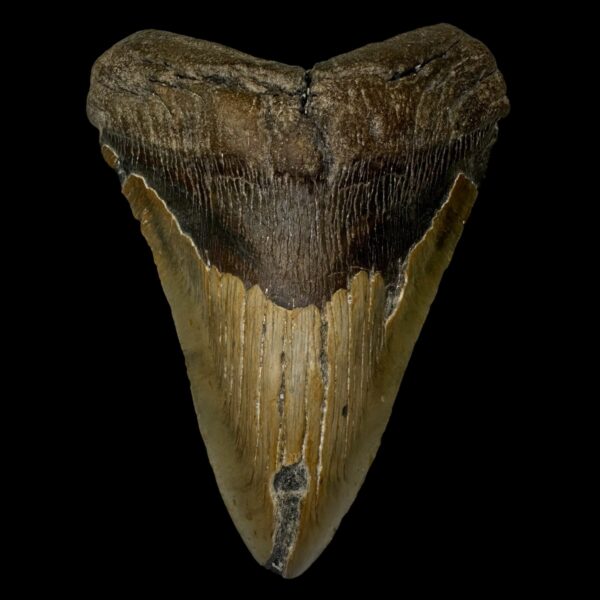
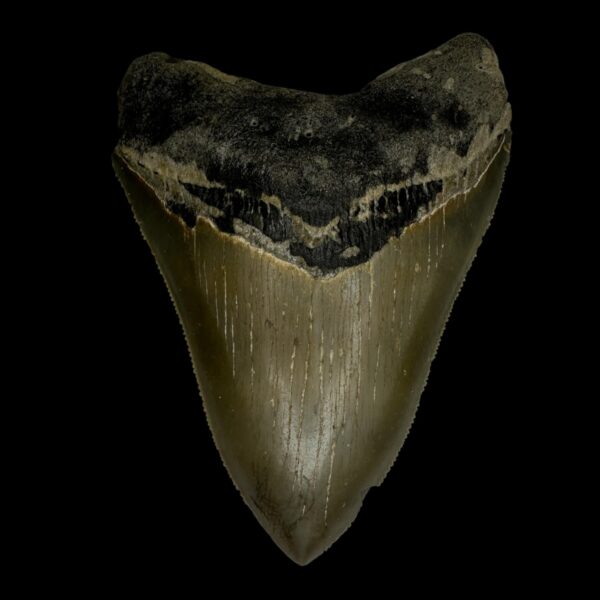
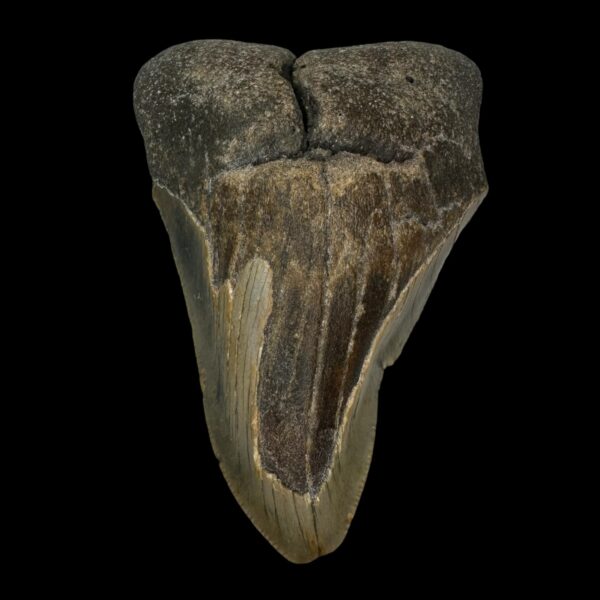
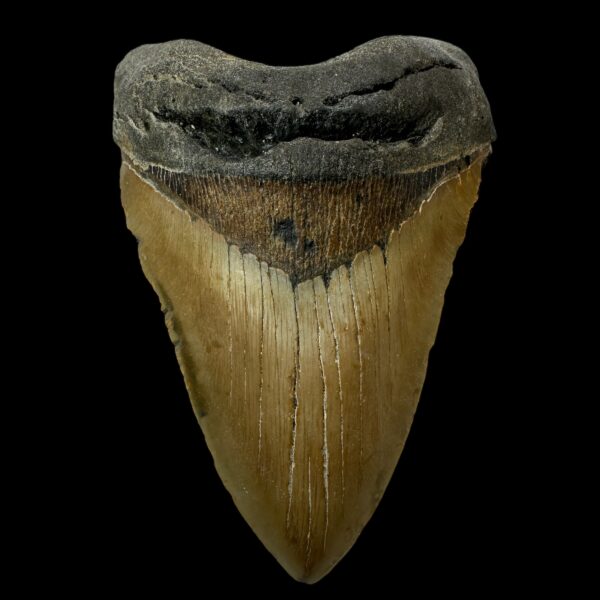
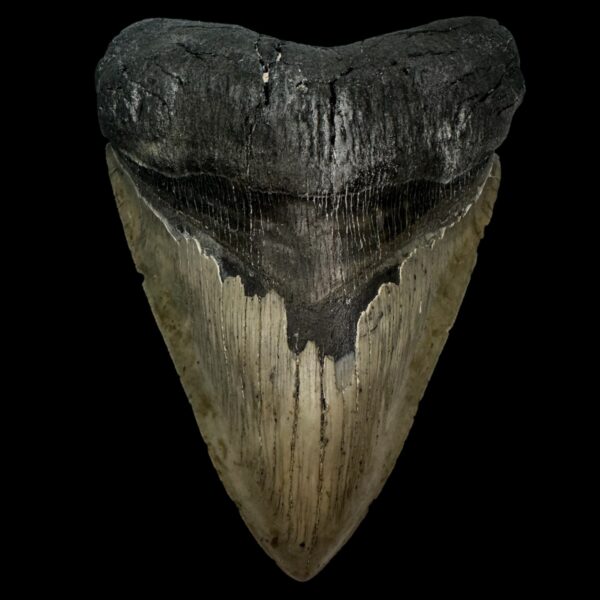
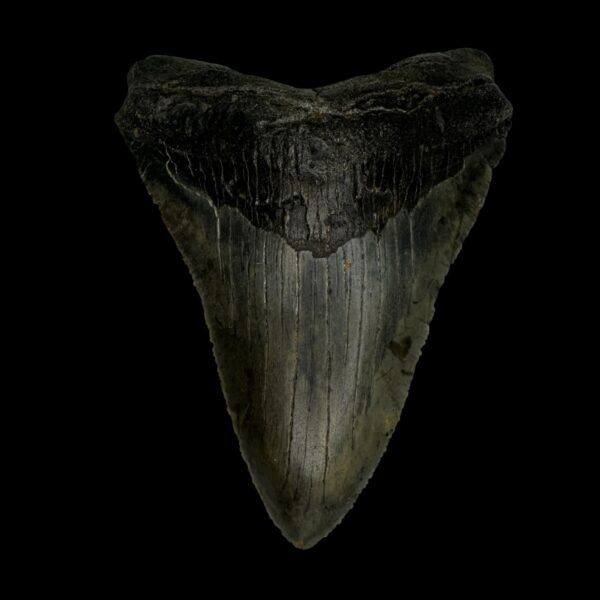
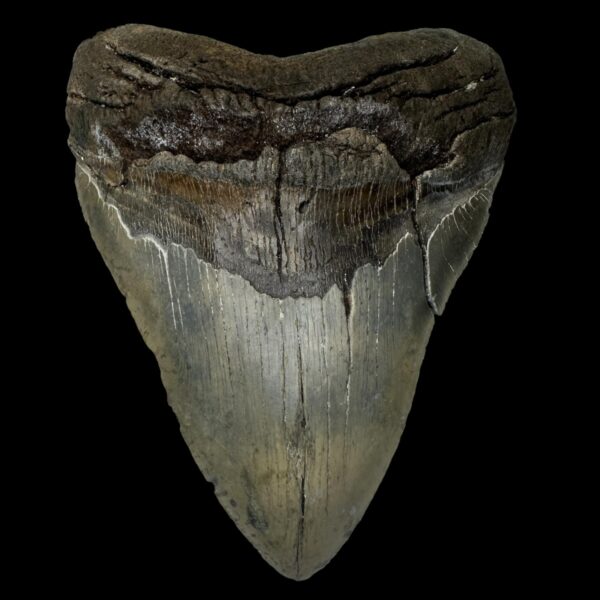
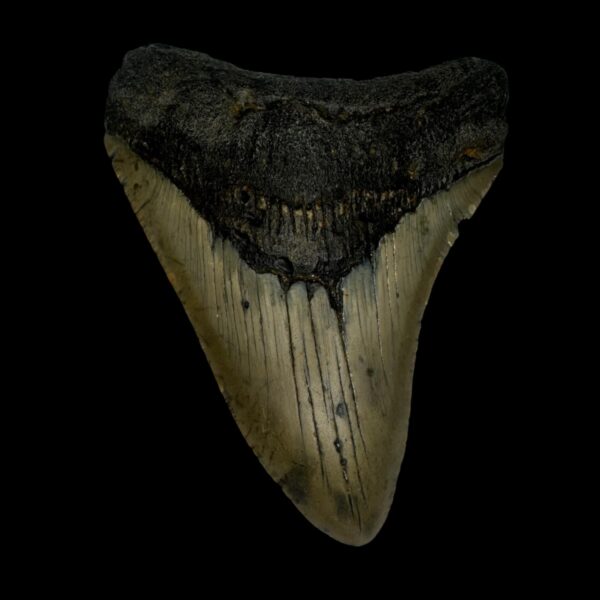
Bones, teeth, shells, and wood resist decomposition much longer, making them the parts most commonly preserved as fossils.
Understanding this stage is essential when Demystifying how fossils are formed, because it explains why complete fossil skeletons are relatively rare.
## 3. How Fossils Are Formed: Minerals Replace Organic Material
One of the most remarkable stages in how fossils are formed occurs when groundwater rich in dissolved minerals flows through buried remains.
Over time, minerals such as silica, calcite, or iron gradually replace the original organic material while preserving microscopic details.
This process, known as mineral replacement or permineralization, creates exceptionally well-preserved fossils.
## 4. How Fossils Are Formed: Sediments Become Rock
As additional sediment accumulates above buried remains, pressure increases.
Over millions of years these sediments become sedimentary rock through compaction and cementation.
This stage permanently protects fossilized remains within Earth’s crust.
## 5. How Fossils Are Formed: Geological Time Shapes Every Fossil
Time is perhaps the most important ingredient in how fossils are formed.
Many fossils require millions of years before mineralization and surrounding rock formations become fully stabilized.
During this period, tectonic activity, groundwater movement, and changing climates continue influencing fossil preservation.
## 6. How Fossils Are Formed: Erosion Reveals Ancient Fossils
Ironically, the same geological forces that bury fossils eventually expose them.
Wind, rivers, glaciers, earthquakes, and natural erosion gradually remove overlying rock, allowing paleontologists to discover fossil specimens at Earth’s surface.
Without erosion, many fossils would remain permanently hidden underground.
## 7. How Fossils Are Formed: Scientific Discovery Completes the Journey
The final stage in how fossils are formed is their discovery.
Scientists carefully excavate, document, preserve, and study fossils to reconstruct prehistoric ecosystems.
Every fossil provides evidence about evolution, biodiversity, climate change, extinction, and Earth’s geological history.
By Demystifying how fossils are formed, researchers transform ancient remains into valuable scientific knowledge.
## Educational Importance of How Fossils Are Formed
Learning how fossils are formed introduces students to geology, biology, chemistry, and Earth science simultaneously.
Understanding fossil formation also encourages responsible collecting, appreciation for natural history, and respect for scientific research.
Each fossil tells a story that began millions of years ago and continues educating people today.
## Frequently Asked Questions
How fossils are formed over millions of years?
How fossils are formed depends on rapid burial, mineral replacement, sediment compaction, and geological time.
Why don’t all animals become fossils?
Most organisms decompose before fossilization can begin.
What types of fossils are most common?
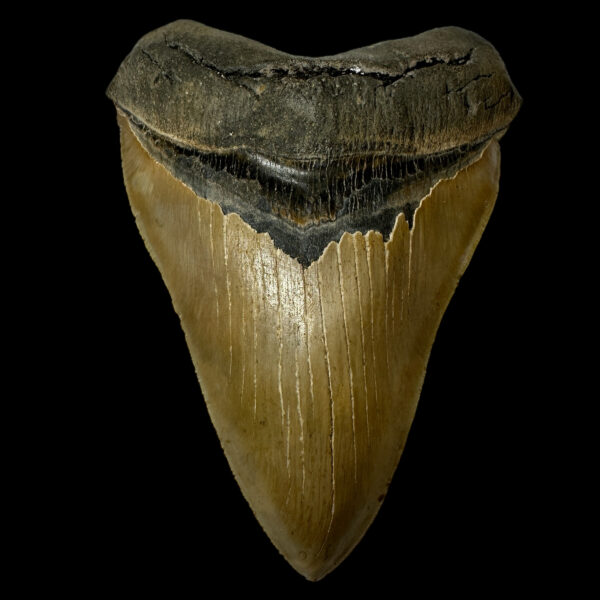
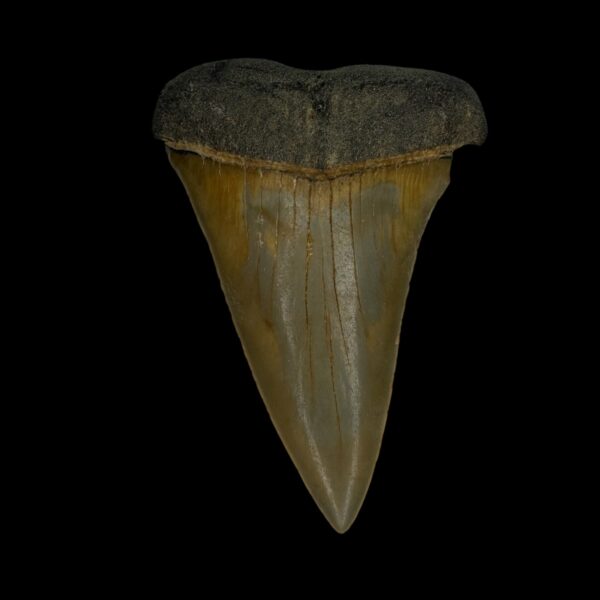
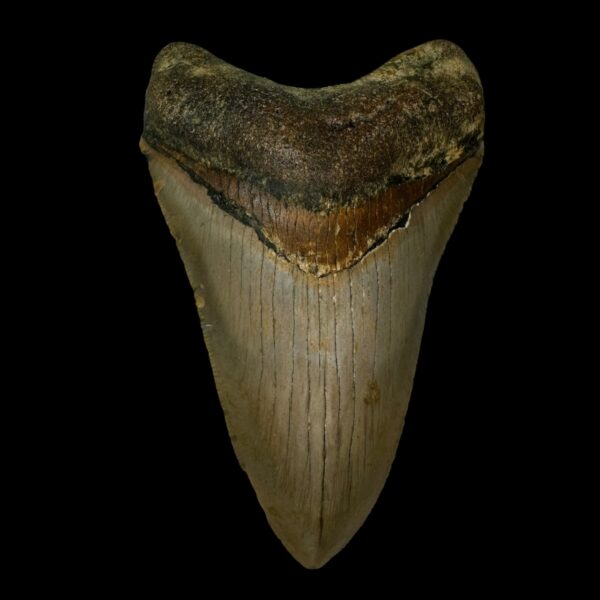
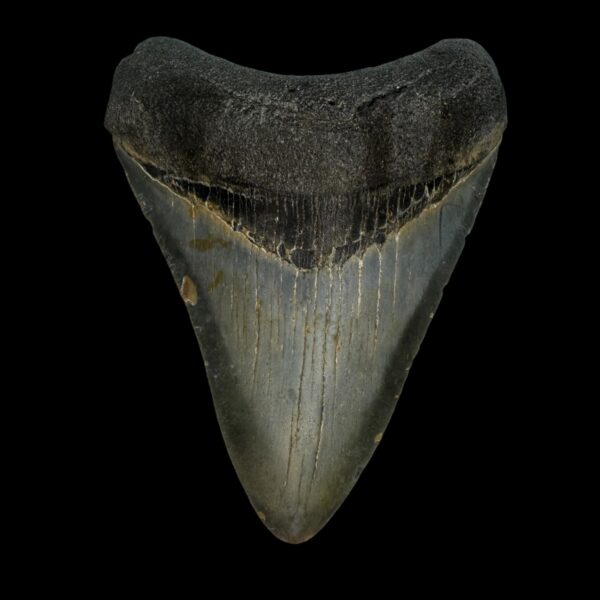
Teeth, bones, shells, wood, and marine organisms are among the most commonly preserved fossils.
Can fossils still form today?
Yes. Under the right environmental conditions, fossilization continues to occur today, although the complete process takes thousands to millions of years.
## Conclusion: Demystifying How Fossils Are Formed
By Demystifying how fossils are formed, scientists reveal one of Earth’s most remarkable natural processes. Every fossil represents a rare combination of biology, geology, chemistry, and time working together to preserve evidence of prehistoric life.
Understanding how fossils are formed helps collectors appreciate the extraordinary journey every fossil has taken before reaching a museum or private collection. At The Fossil Exchange, each authentic fossil is more than a collectible—it is a scientifically valuable record of Earth’s incredible past.