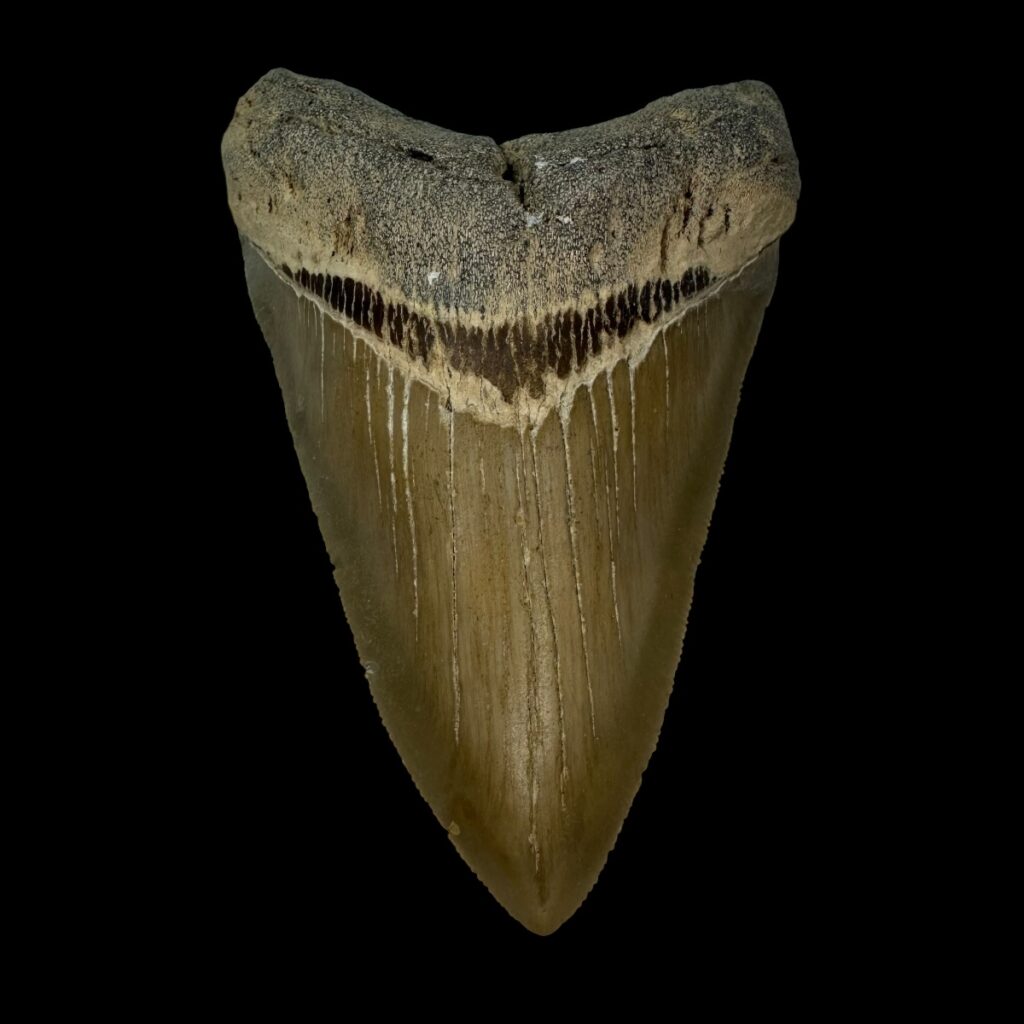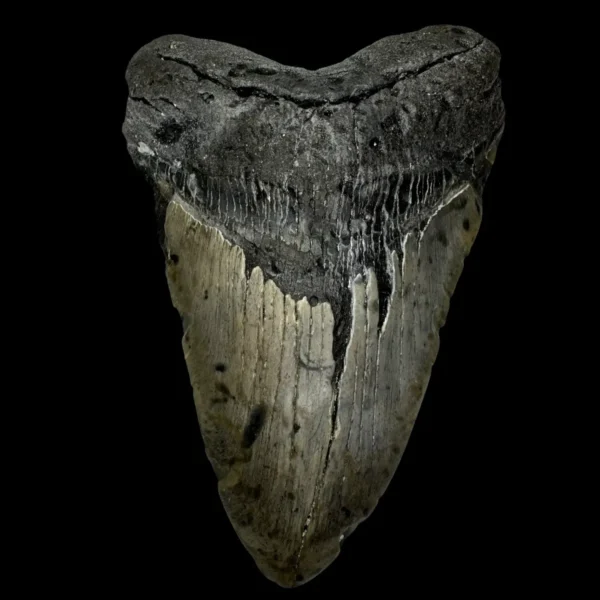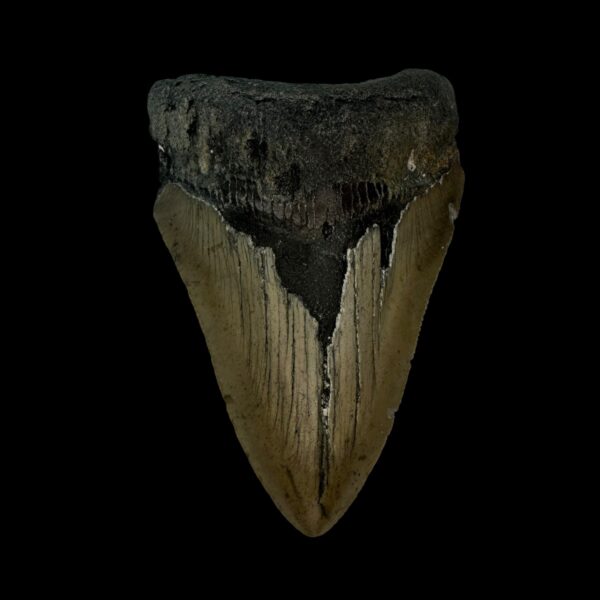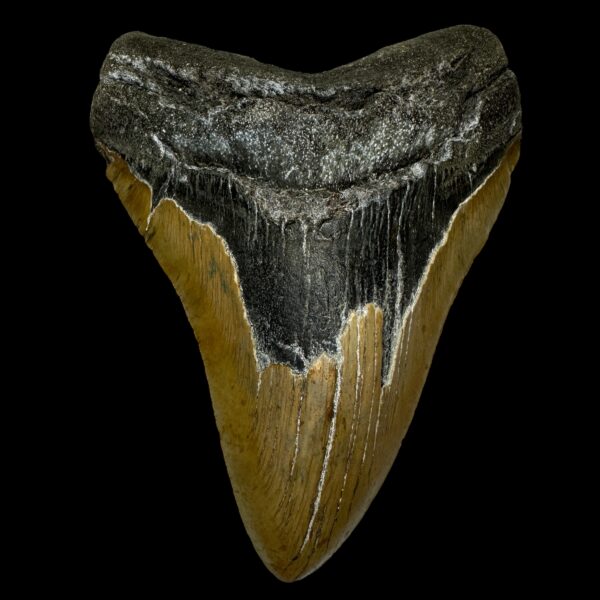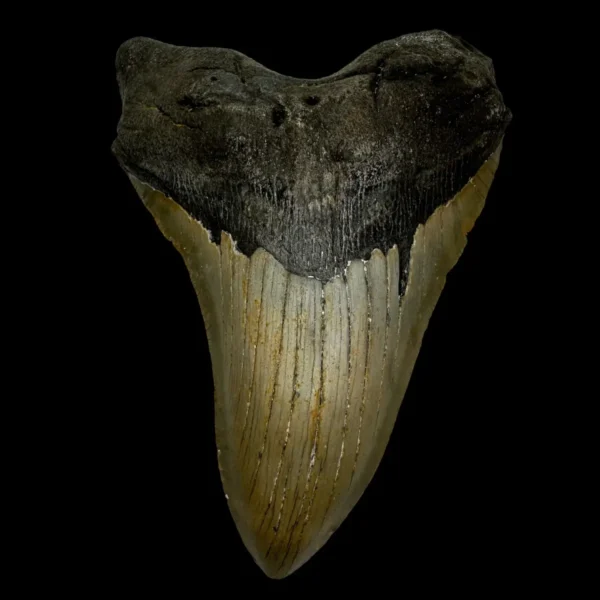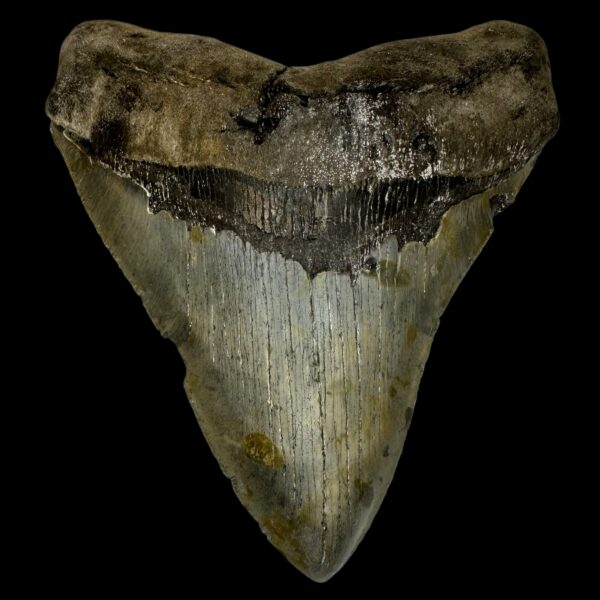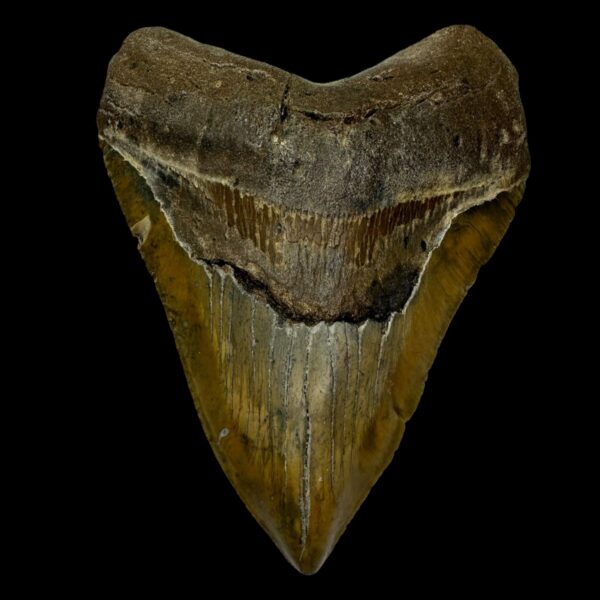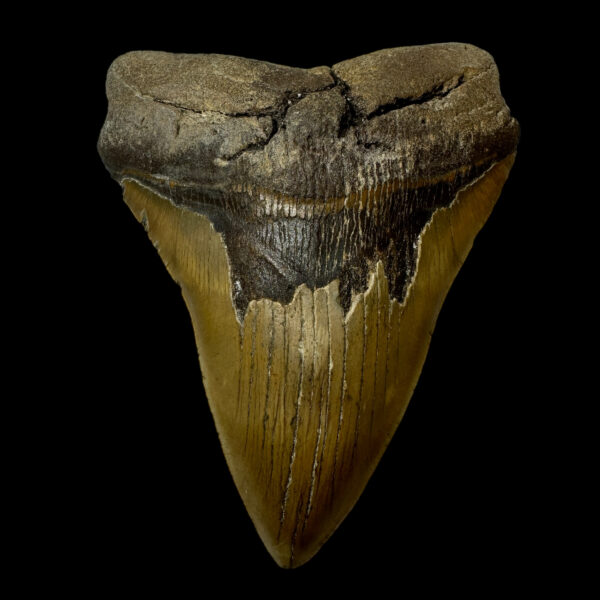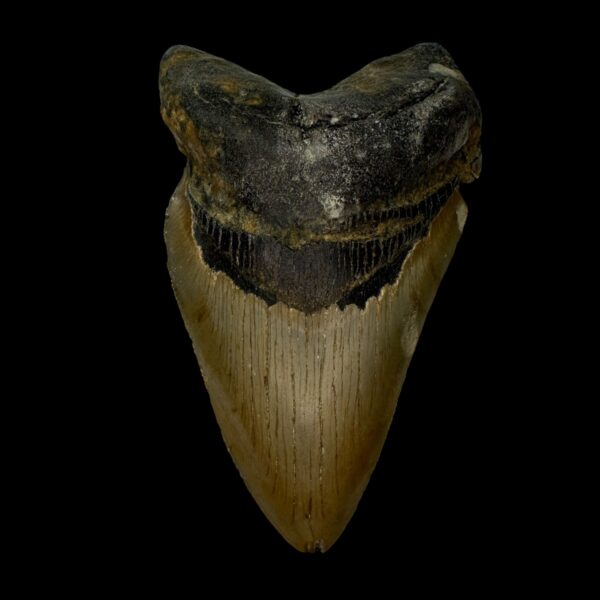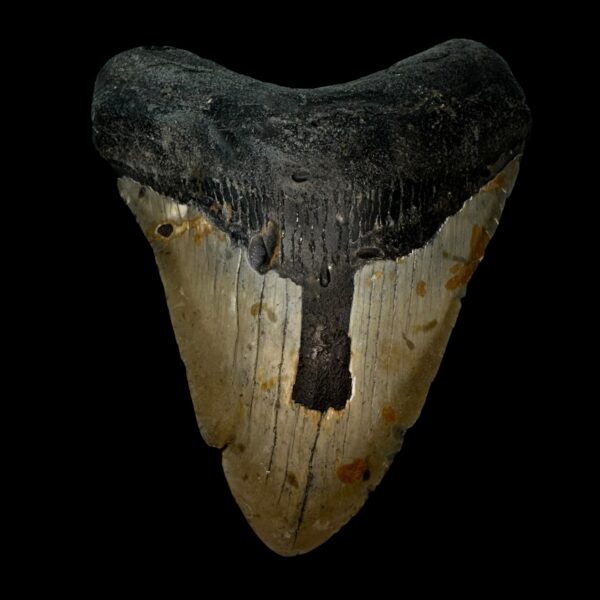

Authentic Megalodon Tooth: 7 Expert Tips to Spot the Real Deal 🦈
The megalodon, the largest shark in history, roamed Earth’s oceans millions of years ago, leaving behind one of the most incredible fossils: its massive teeth. These treasures are in high demand among collectors and fossil enthusiasts, but with their popularity comes an increasing number of replicas and altered specimens. In this Expert Guide, you’ll learn how to identify an Authentic Megalodon Tooth, understand the differences between real vs fake megalodon tooth specimens, and use fossil authentication tips to buy with confidence. 🏆
1. Why Authenticity Matters 🏛️
An Authentic Megalodon Tooth isn’t just a stunning fossil — it’s a piece of prehistoric history.
Scientific Value – Every genuine tooth holds clues about the ancient ocean ecosystem.
Collector’s Prestige – Authentic fossils often increase in value over time.
Investment Protection – Avoids wasting money on fake fossils.
When you know how to spot fake fossils, you not only protect your investment but also preserve the integrity of paleontology.
2. How to Spot Fake Fossils 🔍
Many fake megalodon teeth are convincing at first glance. Watch out for:
Resin Replicas – Light in weight, overly smooth texture.
Modified Modern Shark Teeth – Filed or reshaped to mimic a megalodon tooth.
Hidden Repairs – Cracks filled with resin and painted over.
3. Real vs Fake Megalodon Tooth – The Key Differences ⚖️
When comparing a real vs fake megalodon tooth, check:
Weight – Genuine fossils are heavier due to mineralization.
Root Condition – Authentic roots show natural erosion patterns.
Serrations – Real teeth have fine serrations, often worn but still visible.
Color Variations – Fossils have natural mineral streaks, not uniform paint.
4. Fossil Authentication Tips from Experts 🧪
Professional fossil authenticators rely on:
Microscopic Analysis – Reveals enamel texture and natural wear.
UV Light Testing – Repairs glow differently than fossilized enamel.
Chemical Composition Tests – Confirms mineral content typical of fossilization.
Reference Comparisons – Matching specimens to museum-grade fossils.
5. The 7 Expert Tips for Buyers 🛒
Examine serrations closely.
Check the root’s erosion pattern.
Look for chips, cracks, and mineral deposits.
Test the weight in your hand.
Research the seller’s reputation.
Ask for detailed, high-resolution photos.
Buy only from trusted fossil dealers.
6. Where to Find Verified Authentic Megalodon Teeth 🌐
For guaranteed authenticity, explore our Authentic Megalodon Teeth Collection. Every specimen is diver-recovered, inspected, and verified by fossil experts, ensuring you receive a piece of history you can trust.
7. Final Thoughts 💬
Owning an Authentic Megalodon Tooth is about more than owning a fossil — it’s about preserving history. By following these fossil authentication tips and knowing how to spot fake fossils, you can build a collection that’s both valuable and genuine. Whether you’re a seasoned collector or just starting, remember that the best fossils come from trustworthy sources.
8. The History Behind the Authentic Megalodon Tooth 📜
The fascination with the Authentic Megalodon Tooth is not just about its size or beauty — it’s about its story. These teeth date back between 3.6 and 23 million years, from a time when the megalodon ruled the oceans. Each specimen you see today has endured intense geological processes:
Burial in sediment at the ocean floor.
Mineral replacement during fossilization, giving the tooth its unique weight and coloration.
Erosion and discovery, often by professional divers in rivers, coastlines, or offshore fossil beds.
For collectors, knowing the origin and history of a fossil is a crucial part of fossil authentication tips. The location where a tooth is found can even influence its color — for example:
Teeth from North Carolina often have dark gray or black hues.
Specimens from Florida may feature cream or tan tones.
South American finds sometimes have striking red or orange mineralization.
By learning these historical and geological details, buyers can better understand what makes each Authentic Megalodon Tooth truly one of a kind, while also using this knowledge to spot inconsistencies that might signal a fake.