Amazing 5-Step Megalodon Teeth Identification Guide – Essential Tips for Beginners
Identifying real Megalodon teeth is one of the most rewarding skills a fossil enthusiast can develop. With so many replicas, altered pieces, restored fossils, and lab-made imitations circulating online, learning accurate Megalodon Teeth Identification is essential for anyone who wants to make confident, informed decisions. This amazing 5-step guide will teach you how paleontologists, divers, and experienced collectors identify Megalodon teeth based on anatomy, texture, age indicators, and geological markers.
1. Study the Essential Shape: The First Clue in Megalodon Teeth Identification
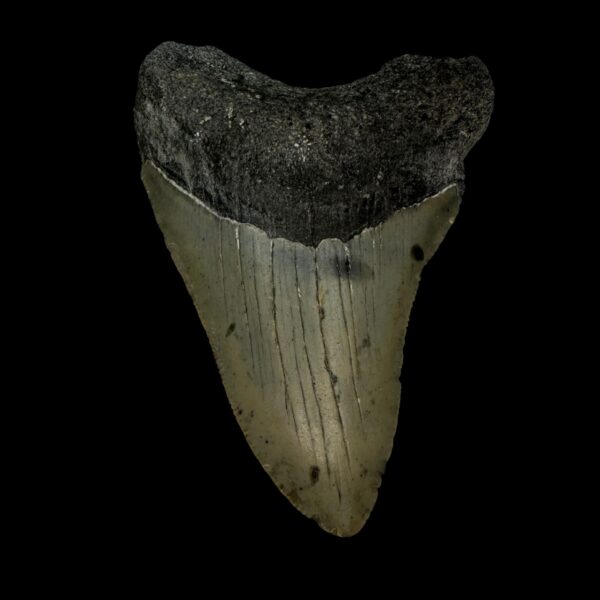
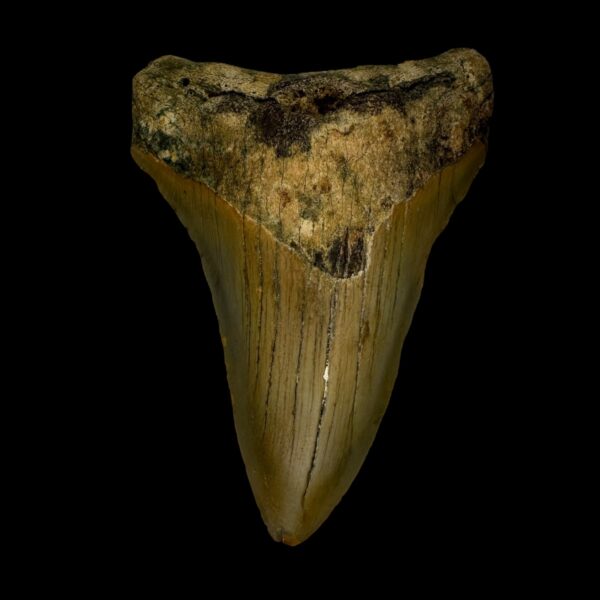
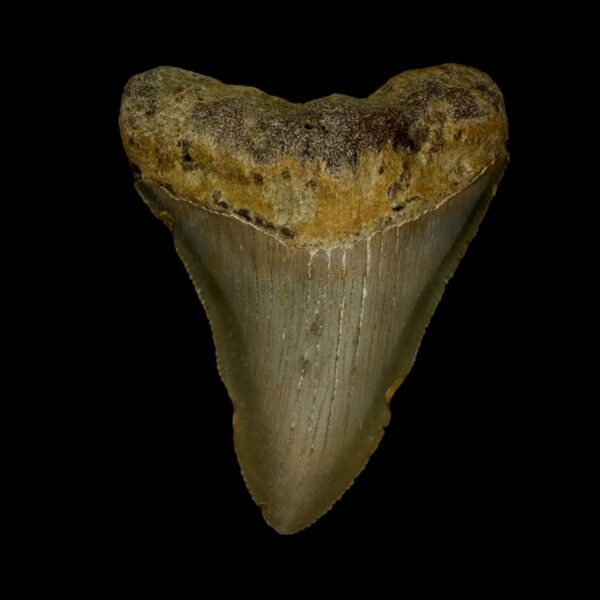
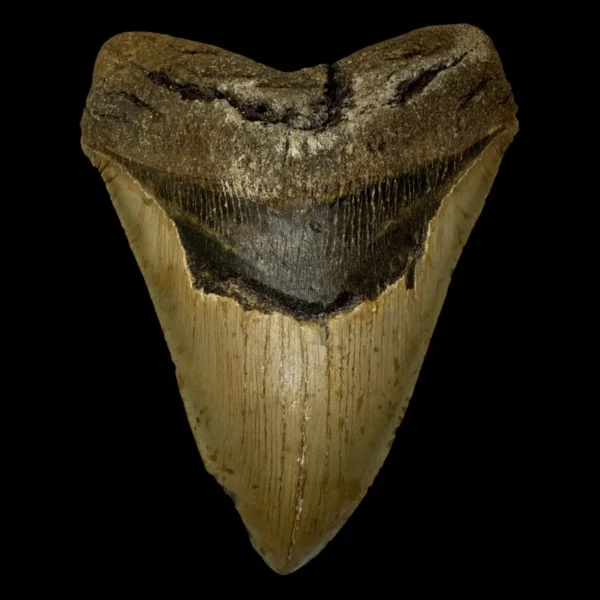
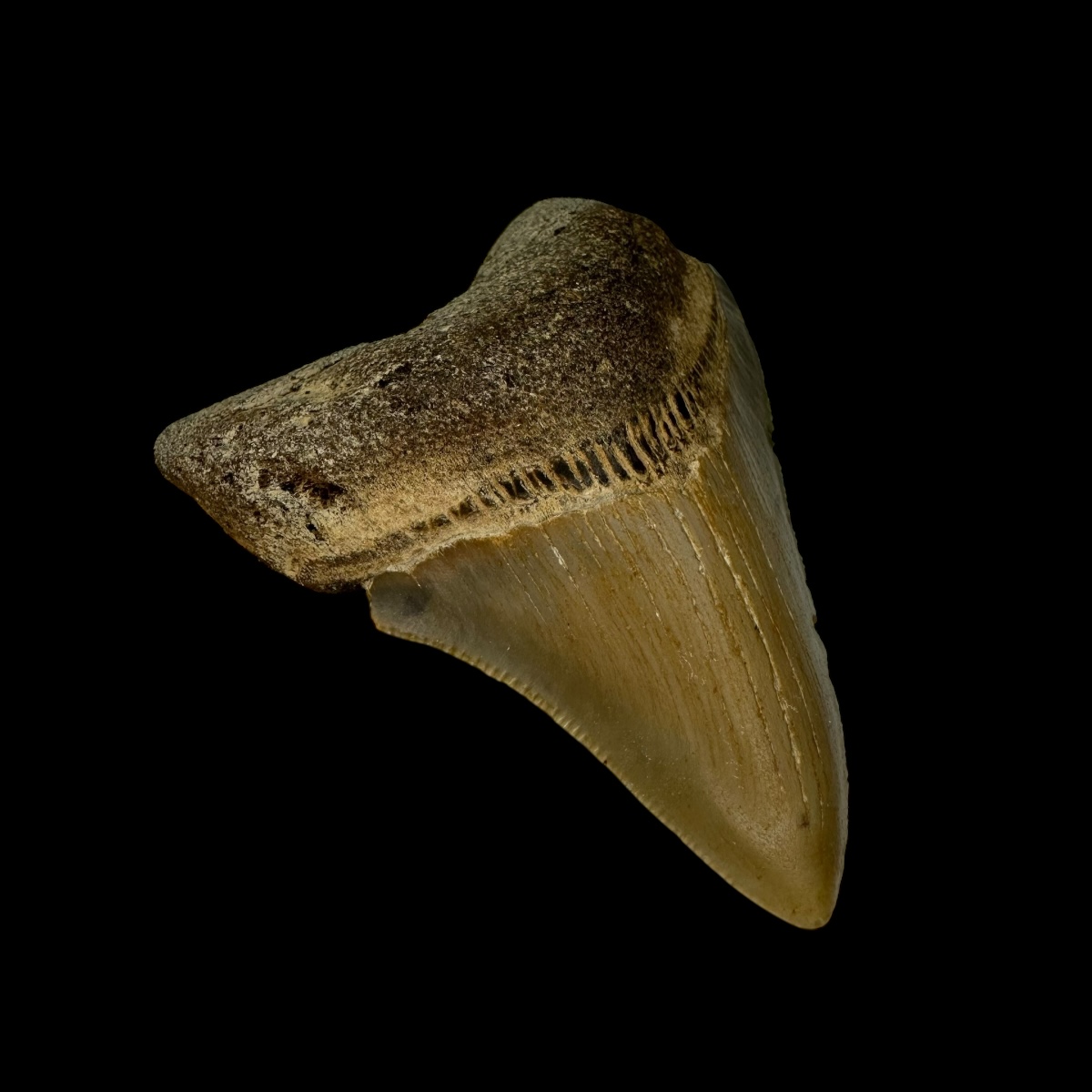
The first step in any Megalodon tooth identification Essential process is examining the overall shape. Genuine Megalodon teeth have a wide triangular crown, a thick and curved root, and strong shoulders. Unlike modern shark teeth, Megalodon crowns are broader, heavier, and built for crushing large prey.
Replicas often appear too perfect or symmetrical. Many fakes are created using molds, resulting in teeth that lack the natural irregularities caused by millions of years of pressure and sediment compaction. Learning to identify these shape differences is a foundational skill in Megalodon Teeth Identification.
2. Evaluate the Enamel Texture and Surface Details
A real Megalodon tooth has enamel with natural micro-pitting, subtle grain, and mineral-induced variations. These patterns form during fossilization and cannot be reproduced convincingly with synthetic materials.
When performing Megalodon tooth identification, look for:
Tiny natural cracks
Color transitions caused by minerals
Areas where enamel thins near the edges
Micro-scratches created during feeding
Fake teeth often have overly smooth or glossy surfaces, especially if resin coatings were applied. Natural enamel always has depth and character.
3. Inspect the Serrations: A Major Authenticity Marker
One of the strongest indicators in identifying Megalodon teeth is the serration pattern. Megalodon serrations were functional cutting tools, designed to slice through thick marine mammal flesh.
Key serration details to look for:
Small, uniform serrations angled forward
No perfectly sharp laser-like cuts (common in fakes)
Serrations decrease slightly in size near the tip
Natural wear on older fossil teeth
Serrations are one of the most common features altered in modern replicas. Accurate Megalodon Teeth Identification requires close inspection of these tiny but important details.
4. Examine Natural Essential Wear, Damage, and Mineralization
Real fossils tell stories. Chips from feeding, root erosion from ocean currents, and micro-fractures created during fossilization are all indicators of authenticity.
During Megalodon tooth identification, look for:
Feeding damage (nicks, fractures, bite stress)
Sedimentary staining
Mineral replacement patterns Essential
Root pitting or erosion
These features form under natural conditions only. Lab-made fossils often appear too flawless or intentionally distressed.
5. Analyze Color Through Geological Context
A major part of Megalodon Teeth Identification involves understanding sediment coloration. Megalodon teeth gain their color from minerals found in ancient seabeds.
Common color variations:
Black or dark gray → phosphate-rich sediment
Brown or tan → iron deposits
Blue or greenish → manganese oxidation
Orange or red → high iron concentrations
Artificially dyed teeth often have uniform color or unnatural shine. Real fossils show gradual gradients created over thousands of years.
Final Thoughts: Mastering Megalodon Teeth Identification
Learning accurate Megalodon Teeth Identification is one of the best ways to elevate your knowledge, protect your investment, and appreciate the science behind each fossil. By studying shape, enamel, serrations, wear, and geological color, you’ll gain the skills needed to identify Megalodon teeth with confidence.
Whether you’re starting your first collection or refining your expertise, these steps form the foundation of responsible fossil collecting and authentic Megalodon identification.