Explaining 7 Amazing Megalodon Extinction Theories Supported by Science
Introduction
The extinction of the Megalodon remains one of the greatest mysteries in marine paleontology. As the largest shark ever known, this incredible predator dominated Earth’s oceans for millions of years before disappearing approximately 3.6 million years ago. Since no written records exist, scientists rely on fossil discoveries, geological evidence, and climate data to reconstruct the events that led to its extinction.
Today, several well-supported Megalodon extinction theories help researchers understand how environmental changes, food availability, competition, and evolutionary pressures contributed to the disappearance of this prehistoric giant. By explaining these theories through scientific evidence, paleontologists continue expanding our knowledge of ancient marine ecosystems and the factors that influence the survival of species.
In this educational article, we will explore seven amazing Megalodon extinction theories that continue shaping modern paleontological research.
1. Explaining Climate Change as a Leading Megalodon Extinction Theory
One of the most widely accepted Megalodon extinction theories focuses on global climate change. During the late Pliocene Epoch, Earth’s temperatures gradually decreased, causing major changes in ocean conditions.
By explaining fossil evidence alongside climate records, scientists discovered that cooler oceans reduced the warm coastal habitats preferred by Megalodon. As sea temperatures dropped, many marine species migrated or disappeared entirely, forcing Megalodon to adapt to increasingly difficult conditions.
This theory is strongly supported by geological data and fossil distributions found across several continents.
2. Explaining How Declining Whale Populations Reduced Food Sources
Another important explanation among Megalodon extinction theories involves the decline of large marine mammals.
Megalodon depended heavily on whales, dolphins, and other sizable prey. Fossil evidence indicates that many whale species changed their migration routes or experienced population declines as climates cooled.
By explaining this ecological relationship, scientists conclude that a reduction in available prey placed enormous pressure on Megalodon populations. Large predators require substantial food resources, and declining prey likely made long-term survival increasingly difficult.
3. Explaining Competition with Emerging Great White Sharks
One fascinating aspect of modern research involves competition between Megalodon and early great white sharks.
Among current Megalodon extinction theories, many researchers believe that the emergence of highly adaptable great white sharks created additional competition for food resources.
By explaining fossil records from overlapping time periods, scientists suggest that smaller sharks possessed important advantages. Great whites required less food, reproduced more quickly, and adapted more easily to cooler environments.
Although competition alone probably did not cause extinction, it likely intensified existing environmental pressures.
4. Explaining Ocean Cooling and Habitat Loss
Ocean temperatures influence nearly every aspect of marine ecosystems.
By explaining changes in prehistoric ocean circulation, researchers found that expanding polar ice reduced warm-water habitats essential for Megalodon survival.
Many fossil discoveries demonstrate that Megalodon populations gradually disappeared from regions experiencing significant cooling.
This evidence supports the theory that habitat loss contributed directly to population decline.
5. Explaining Changes in Ocean Currents
Ocean currents transport nutrients, regulate temperatures, and influence animal migrations.
Several Megalodon extinction theories suggest that changes in global ocean circulation altered marine food webs.
By explaining sediment records and isotope data, scientists discovered that changing currents reduced biological productivity in many coastal ecosystems.
As prey populations shifted toward different regions, Megalodon may have struggled to locate sufficient food resources.
6. Explaining Fossil Evidence Supporting Megalodon Extinction Theories
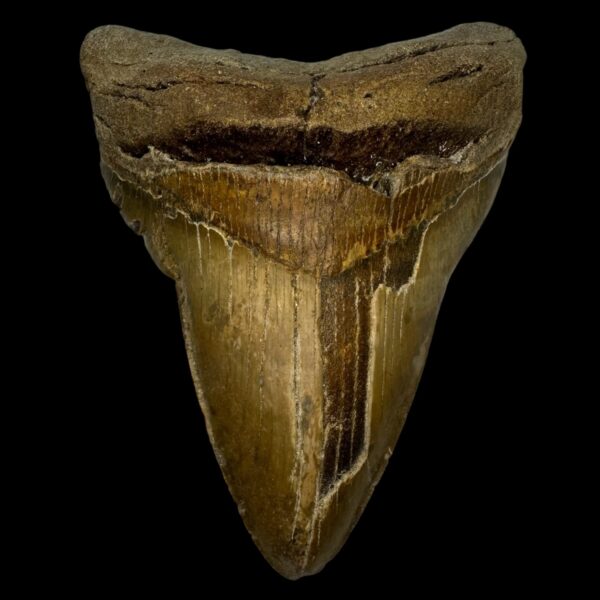
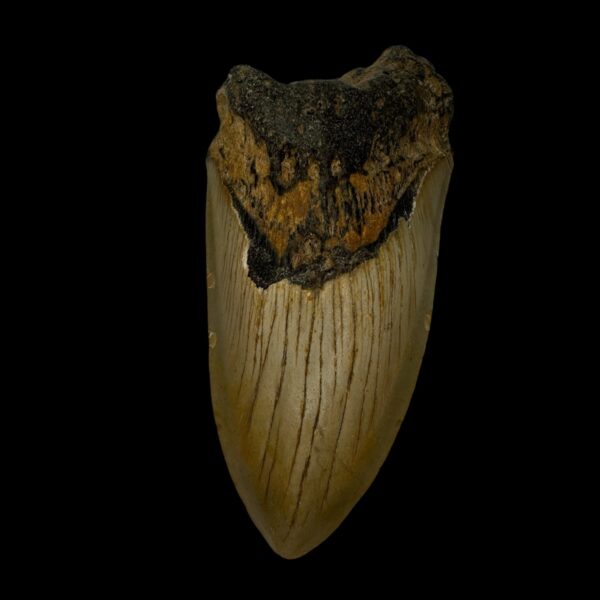
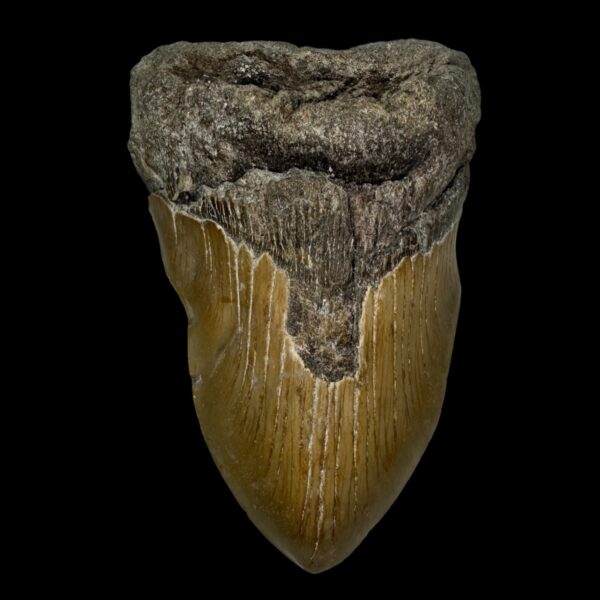
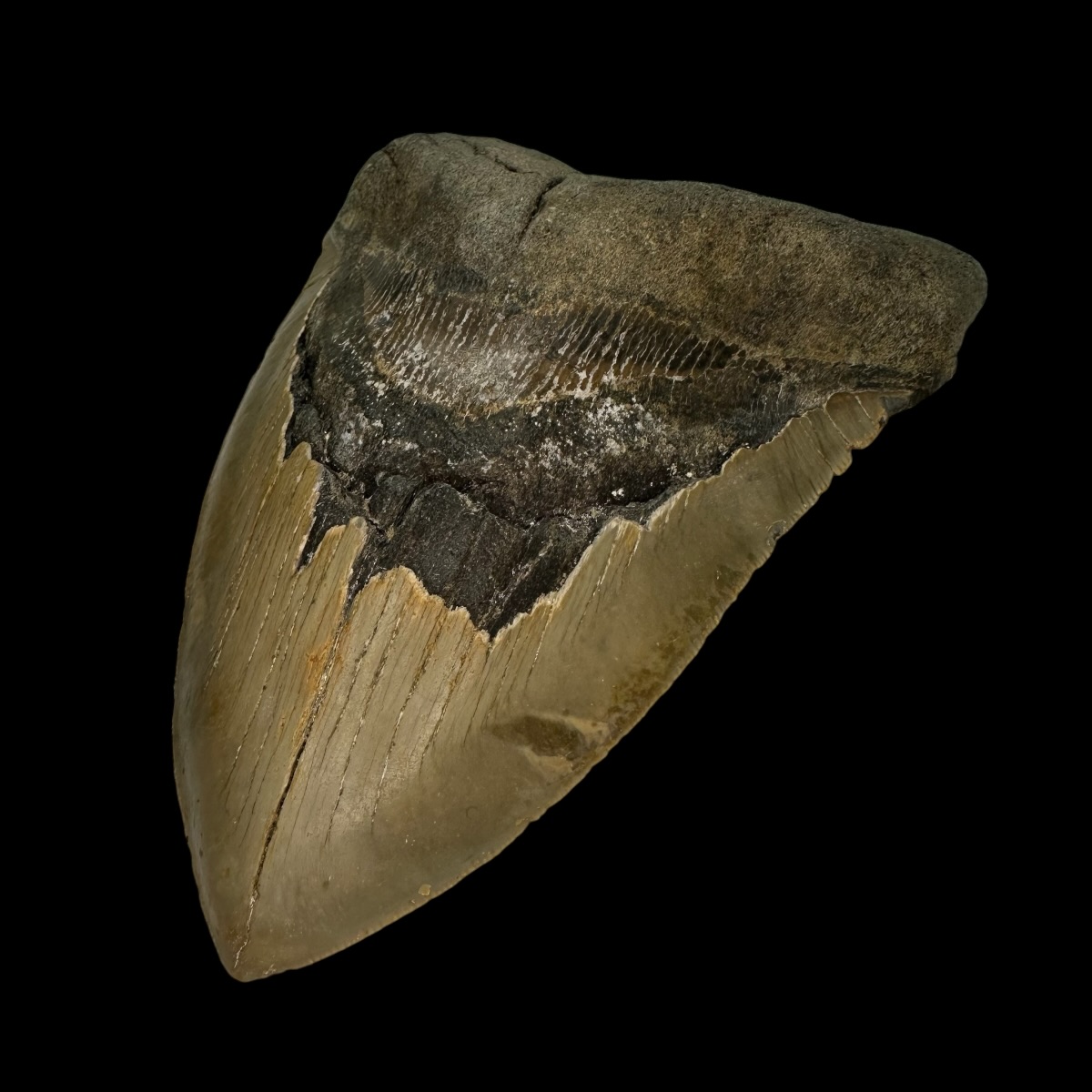
Fossils remain the strongest source of evidence for evaluating Megalodon extinction theories.
Scientists examine fossil teeth, whale bones, marine sediments, and associated fauna to reconstruct prehistoric ecosystems.
By explaining fossil distributions across geological layers, researchers identify gradual declines in Megalodon populations rather than evidence of a sudden catastrophic event.
This gradual disappearance suggests extinction resulted from multiple interacting environmental factors rather than a single cause.
7. Explaining Why Scientists Continue Studying Megalodon Extinction Theories
Although decades of research have greatly improved our understanding, scientists continue investigating Megalodon extinction theories.
New technologies such as CT scanning, isotope geochemistry, digital fossil reconstruction, and computer-based ecological modeling provide increasingly detailed information about prehistoric marine environments.
By explaining new discoveries, researchers continue refining existing theories and occasionally developing new hypotheses as additional fossil evidence becomes available.
Scientific knowledge evolves with every new discovery.
Educational Importance of Megalodon Extinction Theories
Studying Megalodon extinction theories provides valuable educational opportunities across multiple scientific disciplines.
Students learn how paleontology combines biology, geology, chemistry, climatology, and ecology to reconstruct Earth’s ancient history. Rather than relying on speculation, researchers analyze measurable evidence preserved within fossils and sedimentary rocks.
By explaining these scientific methods, educators help students understand the importance of critical thinking, evidence-based research, and the scientific process itself.
The extinction of Megalodon also demonstrates an important lesson in evolution: even the most powerful predators remain dependent on healthy ecosystems and stable environmental conditions.
Conclusion: Explaining the Legacy of Megalodon’s Extinction
The study of Megalodon extinction theories continues to reveal the complexity of prehistoric marine ecosystems. Instead of pointing to a single cause, scientific evidence suggests that climate change, habitat loss, declining prey populations, shifting ocean currents, and ecological competition combined to drive one of history’s greatest predators toward extinction.
By explaining these interconnected factors, paleontologists gain a deeper appreciation of how environmental change influences biodiversity across millions of years.
Today, Megalodon fossils continue inspiring researchers, educators, collectors, and students around the world. Every fossil discovery contributes another piece to the puzzle, helping scientists better understand not only the disappearance of Megalodon but also the resilience and vulnerability of life in Earth’s oceans.
At The Fossil Exchange, authentic Megalodon fossils serve as educational tools that connect people with this extraordinary chapter of natural history. Each fossil tells a story of evolution, adaptation, and scientific discovery that continues to fascinate generations of learners.