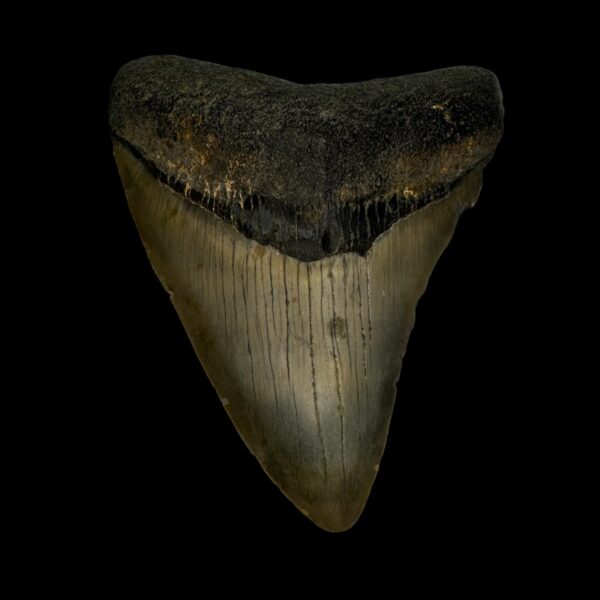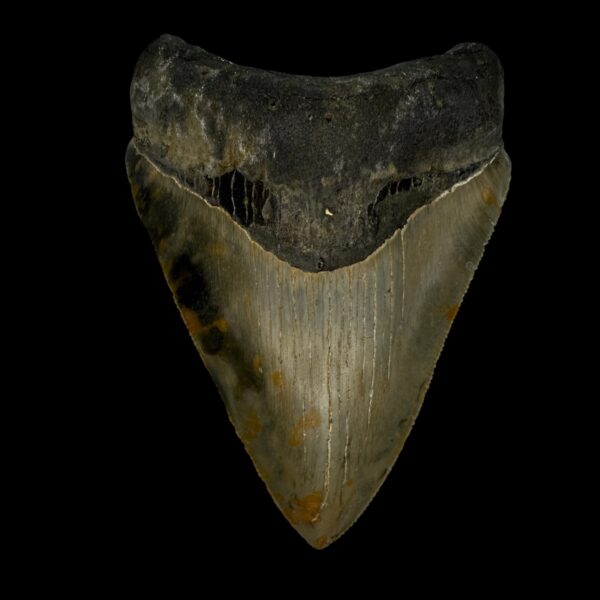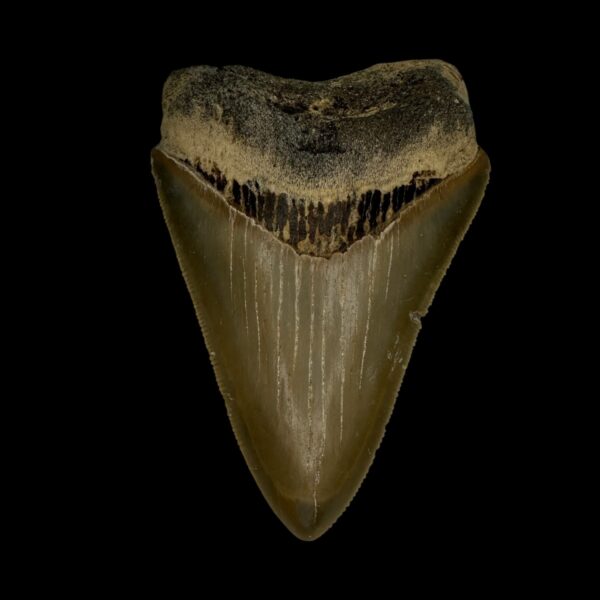
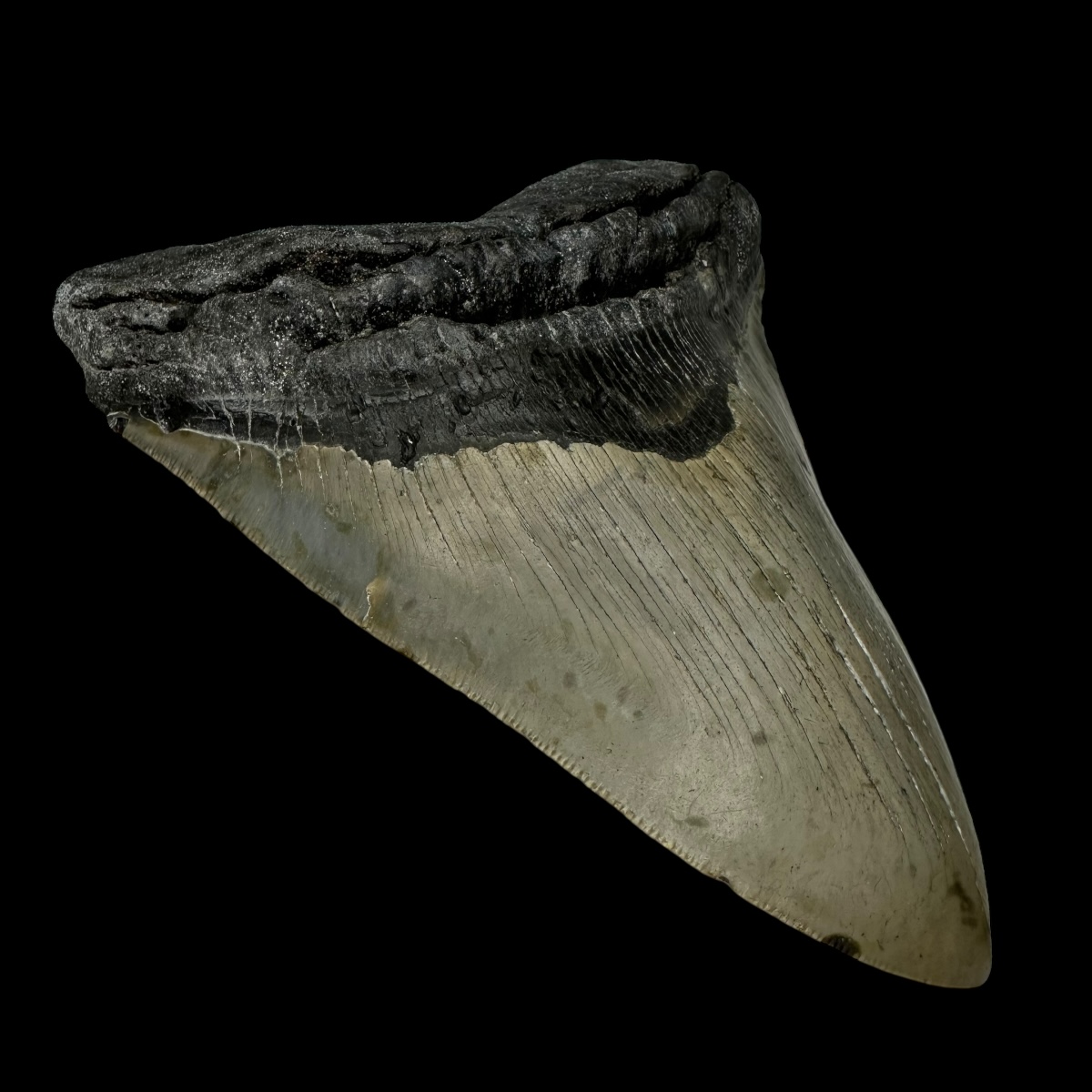
5.18 Inch Megalodon Tooth Price Guide: Superior Collector Insights
Understanding the 5.18 Inch Megalodon Tooth Price Guide
This 5.18 inch Megalodon tooth price guide explains how size, preservation, and serration quality influence market value. Specimens exceeding five inches enter a rare premium tier, making them significantly more desirable than standard collector sizes.
For buyers seeking a superior balance between rarity and affordability, this size category represents a strategic acquisition point.
Why Five-Inch Specimens Command Higher Prices
Most Megalodon teeth recovered worldwide measure between 3 and 4.5 inches. Once a fossil surpasses five inches, availability decreases sharply, particularly when serrations remain intact.
| Size Range | Market Tier | Price Impact |
|---|---|---|
| 3–4 inches | Common | Moderate |
| 4–5 inches | Premium | Strong |
| 5+ inches | Rare Premium | High |
| 6+ inches | Elite | Very High |
Key Factors That Influence Value
According to this 5.18 inch Megalodon tooth price guide, several variables determine pricing:
- Serration sharpness and continuity
- Blade symmetry and structural balance
- Root integrity
- Natural enamel preservation
- Color contrast and presentation quality
A superior specimen maintains strong structural definition without excessive restoration.
Serrations and Collector Demand
Well-preserved serrations significantly increase market interest. They confirm natural feeding structure and elevate desirability among advanced collectors.
To understand sizing methodology, see:
Accurate Sizing Guide
.
Estimated Pricing Range
The 5.18 inch Megalodon tooth price guide indicates that specimens in this range typically command higher premiums than sub-five-inch examples. Exact pricing varies based on condition and preservation quality.
For a broader market breakdown, explore:
Realistic Value Guide
.
Why This Size Represents a Superior Investment Tier
Five-inch specimens provide a superior midpoint between accessibility and elite rarity. They offer strong visual dominance without entering extreme six-inch pricing brackets.
For many collectors, this category delivers an optimal blend of rarity, demand stability, and long-term appreciation potential.
FAQ
Is a 5.18-inch Megalodon tooth rare?
Yes. Teeth exceeding five inches are significantly less common than standard collector sizes.
Does serration quality affect pricing?
Absolutely. Well-preserved cutting edges substantially increase collector demand and resale potential.
Final Thoughts
This 5.18 inch Megalodon tooth price guide demonstrates why five-inch specimens remain highly attractive in the fossil market. Combining rare size classification with superior structural preservation makes this category one of the most stable investment tiers available.
Geographic Origin and Its Impact on Pricing
Location of discovery can influence pricing stability. Fossils recovered from well-known regions such as Florida and South Carolina often maintain strong market confidence due to established fossil records and consistent preservation quality.
While origin alone does not determine price, specimens from recognized fossil-producing regions typically command more stable buyer demand.
How Restoration Affects Market Value
One critical factor not always discussed in a 5.18 inch Megalodon tooth price guide is restoration. Minor stabilization is common in fossil preparation, but heavy reconstruction significantly impacts resale potential.
- Minimal repair = stronger long-term value
- Reconstructed tips reduce collector demand
- Artificial serration carving lowers credibility
A superior-grade specimen maintains structural integrity with minimal intervention.
Collector Demand Trends for 5-Inch Specimens
Five-inch Megalodon teeth occupy a high-demand segment because they represent a noticeable upgrade from entry-level pieces. They are large enough to command attention yet remain more accessible than six-inch elite examples.
Market behavior shows consistent interest in this tier due to its balance between rarity and affordability.
Visual Grading Standards
Beyond measurement, visual grading significantly impacts pricing. Collectors examine:
- Symmetry from root to tip
- Blade thickness consistency
- Natural enamel gloss
- Uniform edge definition
When these characteristics align, the specimen achieves superior collector classification.
Investment Perspective: Mid-Tier vs Elite
According to broader fossil market trends, five-inch specimens often outperform mid-range pieces in appreciation, while remaining less volatile than ultra-rare six-inch examples.
This balanced positioning explains why the 5.18 inch Megalodon tooth price guide category attracts both collectors and strategic investors.
Long-Term Preservation Tips
- Maintain low humidity storage conditions
- Avoid prolonged UV exposure
- Use padded display mounts
- Never apply cleaning chemicals
Proper care ensures structural stability and preserves long-term market strength.
Market Outlook for Five-Inch Categories
As fossil excavation sites become increasingly regulated and supply stabilizes, intact five-inch specimens are expected to maintain consistent collector demand. This reinforces the superior long-term positioning of this size tier.