Real Megalodon Tooth Identification Guide – Verified 7-Step Fossil Checklist
Real Megalodon Tooth Identification Guide is a verified resource for students, beginners, and collectors who want to confidently determine whether a fossil is a genuine Megalodon tooth. Because Megalodon teeth are among the most sought-after shark fossils in the world, accurate identification is critical for education, collecting, and scientific integrity. This verified guide explains the key traits that confirm a real Megalodon tooth.
This guide is designed as a verified reference for anyone seeking a reliable method to confirm real Megalodon tooth fossils. Using verified identification criteria helps avoid replicas, altered specimens, and common misclassification errors.
Real Megalodon Tooth Identification Guide
Following a Real Megalodon Tooth Identification Guide helps learners understand the difference between fossilized teeth and modern shark teeth. Real Megalodon teeth are fossils formed millions of years ago, meaning their original biological material has been replaced by minerals. This fossilization process creates distinct textures, weight, and coloration that modern teeth do not have.
Real Megalodon Tooth Identification Guide by Size
One of the first verified identification steps is size. Real Megalodon teeth typically measure between 3 inches and more than 6 inches in length. While size alone is not definitive, extremely large teeth are strong indicators of Megalodon origin. Smaller specimens require additional checks to rule out other shark species.
Real Megalodon Tooth Identification Guide by Shape
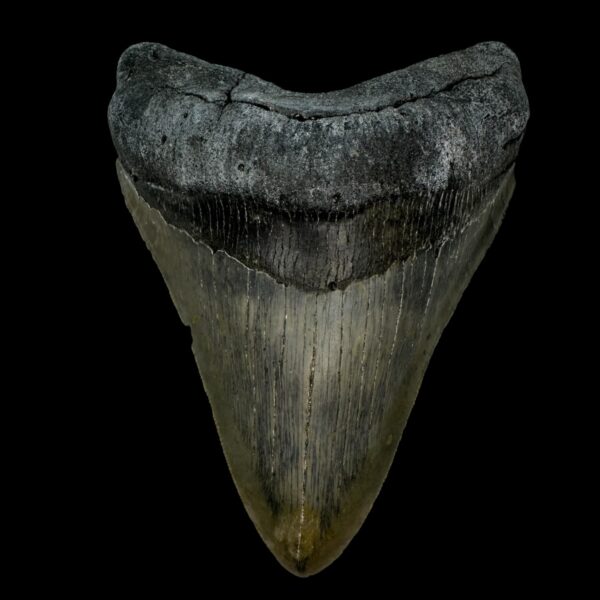
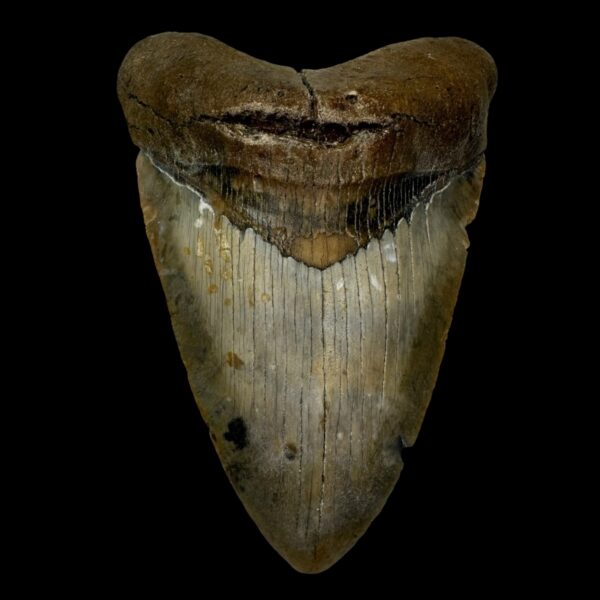
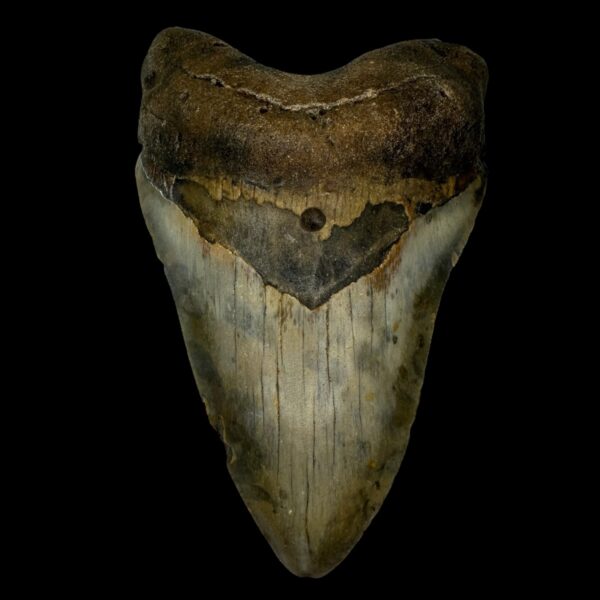
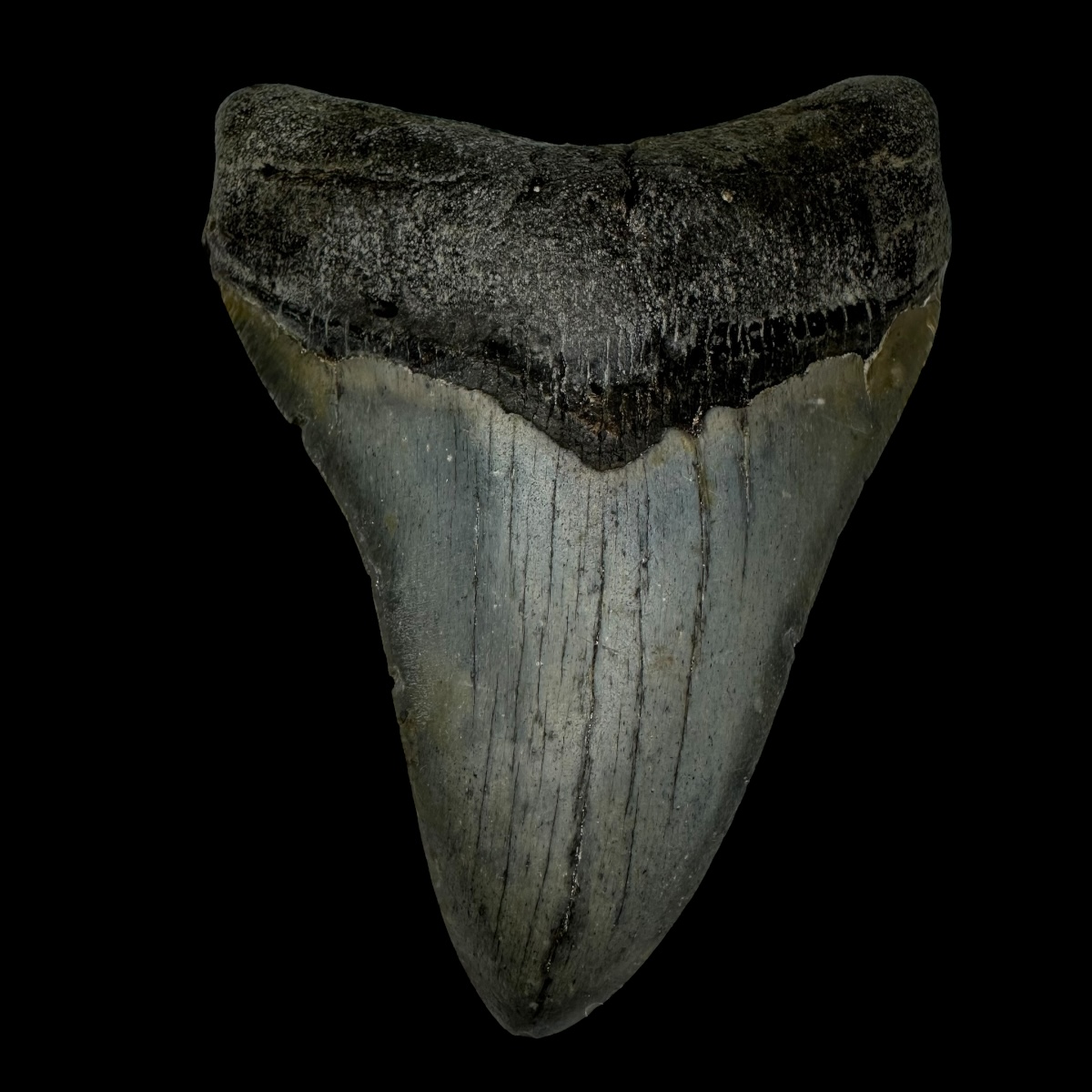
Megalodon teeth have a broad, triangular crown with a thick and powerful appearance. Compared to modern shark teeth, they appear wider and more robust. This verified shape analysis helps distinguish Megalodon fossils from Great White shark teeth, which are generally slimmer and more pointed.
Real Megalodon Tooth Identification Guide by Serrations
Serrations provide another verified identification clue. Original Megalodon teeth featured sharp serrations used for cutting prey, but fossilization often smooths or partially wears these edges. Perfectly sharp and uniform serrations may indicate a modern tooth or replica rather than a fossil.
Real Megalodon Tooth Identification Guide by Root Structure
The root of a real Megalodon tooth is thick, porous, and mineralized. Fossil roots absorb minerals from surrounding sediment, resulting in texture and color variation. Root structure is one of the most verified indicators of authenticity and is difficult to replicate artificially.
Real Megalodon Tooth Identification Guide by Color and Weight
Color and weight offer additional verified confirmation. Real Megalodon teeth often appear black, gray, brown, blue, or orange depending on mineral content and fossil location. They also feel noticeably heavier than modern teeth due to mineral replacement during fossilization.
Real Megalodon Tooth Identification Guide and Common Mistakes
A verified mistake beginners often make is assuming that any large shark tooth is Megalodon. Great White teeth, other prehistoric shark species, and even artificial replicas are frequently misidentified. Using multiple verification steps together prevents these errors and improves identification accuracy.
By following this Real Megalodon Tooth Identification Guide, learners develop verified observation skills and a deeper understanding of fossil science. Accurate identification preserves educational value and supports reliable fossil documentation.
This verified checklist shows that identifying a real Megalodon tooth requires careful analysis rather than guesswork. Applying these steps allows students and collectors to explore prehistoric marine life with confidence, accuracy, and scientific responsibility.
A verified advantage of studying Megalodon teeth is that fossils provide direct physical evidence of prehistoric life. Unlike illustrations or digital models, real fossils allow learners to observe texture, density, and mineral patterns firsthand. These physical traits cannot be fully replicated in replicas, making fossil examination a powerful educational experience.
Using a structured identification checklist encourages learners to think scientifically. Rather than relying on assumptions or visual impressions, students are guided to evaluate evidence step by step. This verified process strengthens analytical thinking and helps learners understand how paleontologists draw conclusions from physical remains.
Following a Real Megalodon Tooth Identification Guide also introduces important lessons about fossil ethics. Authentic fossils should be collected, documented, and displayed responsibly. Understanding how to identify real specimens helps protect scientific records and discourages the circulation of altered or falsely labeled fossils.
Teachers and educators often use Megalodon tooth identification as a gateway topic to broader scientific discussions. These lessons can lead into topics such as extinction events, evolutionary adaptation, marine food chains, and environmental change. Fossil identification becomes a starting point for understanding how life on Earth responds to shifting conditions over millions of years.
Another verified benefit of learning fossil identification is confidence. When students know how to verify authenticity, they feel more comfortable engaging with collections, museums, and educational displays. This confidence encourages curiosity and deeper exploration of natural history.
Ultimately, studying Megalodon tooth fossils teaches patience and attention to detail. Fossil identification is rarely based on a single trait; it requires evaluating multiple characteristics together. This verified approach mirrors real scientific practice and helps learners appreciate the care and precision involved in paleontology.
By combining observation, comparison, and verification, students gain a lasting understanding of prehistoric marine life. These skills extend beyond fossil study and support critical thinking in many areas of science. Identifying real Megalodon teeth becomes more than a hobby—it becomes a foundation for scientific literacy.