
Tracing 7 Fascinating Stages of Megalodon Evolutionary History
Introduction
The evolutionary story of Megalodon is one of the most fascinating chapters in marine paleontology. By tracing Megalodon evolutionary history, scientists can follow how this enormous shark emerged, adapted, dominated prehistoric oceans, and eventually disappeared. Fossil evidence—especially teeth—allows researchers to reconstruct this timeline with remarkable accuracy.
In this educational article, we trace seven fascinating stages of Megalodon’s evolutionary history and explain how each stage reflects changes in climate, prey availability, and marine ecosystems.
1. Early Ancestors of Megalodon
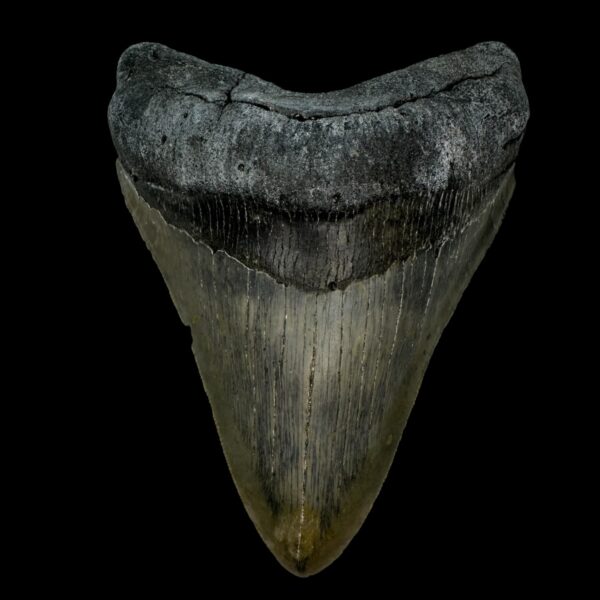
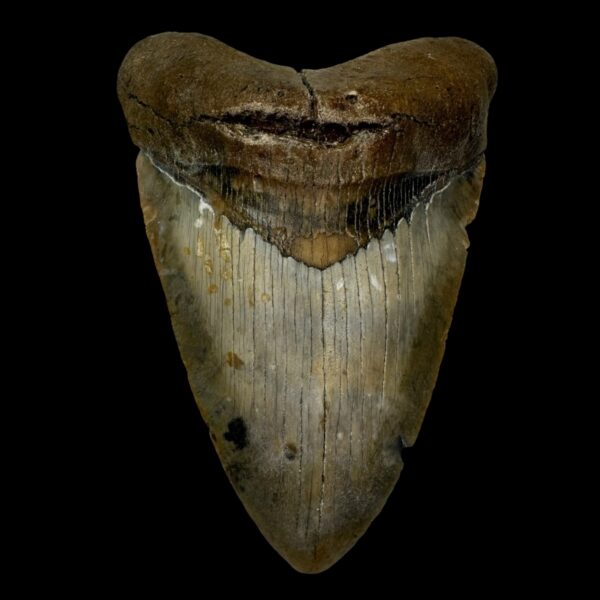
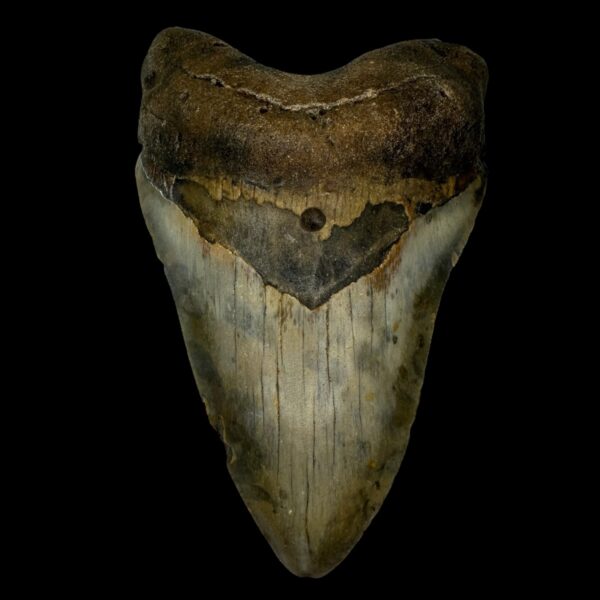
Tracing Megalodon evolutionary history begins with its ancient shark ancestors that lived over 60 million years ago. These early sharks were smaller and fed mainly on fish. Fossilized teeth from this period show narrow shapes and limited serrations, indicating a diet that did not yet include large marine mammals.
This stage represents the foundation from which Megalodon would later evolve into a powerful apex predator.
2. Emergence During the Miocene Epoch
The next stage in tracing Megalodon evolutionary history occurs during the early Miocene epoch. Warmer oceans and an abundance of marine life created ideal conditions for rapid growth. Fossils from this era show a dramatic increase in tooth size and serration development.
These adaptations allowed Megalodon to begin preying on larger animals, marking its rise as a dominant predator.
3. Adaptation to Marine Mammal Predation
As whales and dolphins became more widespread, tracing Megalodon evolutionary history reveals a critical shift in feeding behavior. Teeth became broader and more robust, designed to cut through thick blubber and bone.
This adaptation positioned Megalodon at the top of the marine food chain and reshaped prehistoric marine ecosystems.
4. Global Expansion and Migration
Tracing Megalodon evolutionary history also involves mapping its global distribution. Fossil teeth have been found on nearly every continent, indicating that Megalodon migrated through warm ocean corridors worldwide.
This global presence suggests advanced adaptability and highlights how ancient ocean currents influenced predator movement and ecosystem balance.
5. Peak Dominance as an Apex Predator
During its peak, tracing Megalodon evolutionary history shows a period of unmatched dominance. Fossil evidence from this stage includes massive teeth found alongside whale fossils bearing bite marks.
This era reflects the height of Megalodon’s ecological influence, where it regulated prey populations and shaped marine biodiversity.
6. Environmental Change and Decline
A crucial phase in tracing Megalodon evolutionary history involves environmental transformation. Cooling oceans, shifting prey populations, and increased competition from emerging predators such as early great white sharks placed pressure on Megalodon populations.
Fossil records from this period show reduced abundance and geographic range, signaling the beginning of decline.
7. Extinction and Evolutionary Legacy
The final stage in tracing Megalodon evolutionary history is its extinction approximately 3.6 million years ago. While the exact cause remains debated, most scientists agree that climate change and ecological competition played major roles.
Despite its disappearance, Megalodon’s legacy lives on through modern sharks. Many evolutionary traits—such as serrated teeth and powerful jaws—can be traced back to this prehistoric giant.
Educational Importance of Tracing Evolutionary History
Tracing Megalodon evolutionary history provides a powerful educational framework for teaching evolution, adaptation, and extinction. Students learn that even the most dominant species are vulnerable to environmental change.
This evolutionary narrative helps illustrate broader scientific principles, including natural selection and ecosystem dynamics.
Conclusion
By tracing Megalodon evolutionary history, scientists reconstruct the rise and fall of one of Earth’s most formidable predators. Each evolutionary stage reflects a response to environmental conditions, prey availability, and competition.
This story not only deepens our understanding of prehistoric oceans but also offers valuable lessons about resilience and change in the natural world.
👉 Explore authentic Megalodon fossils and connect with prehistoric history at The Fossil Exchange.