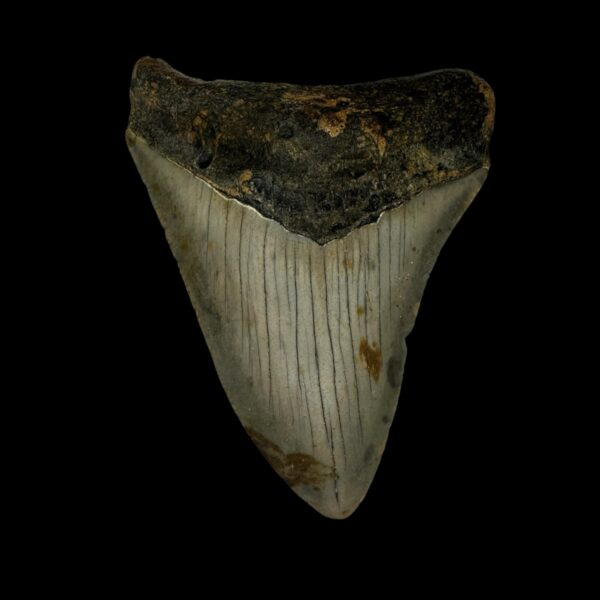
Premium Megalodon Teeth Museum Hall for Elite Collectors
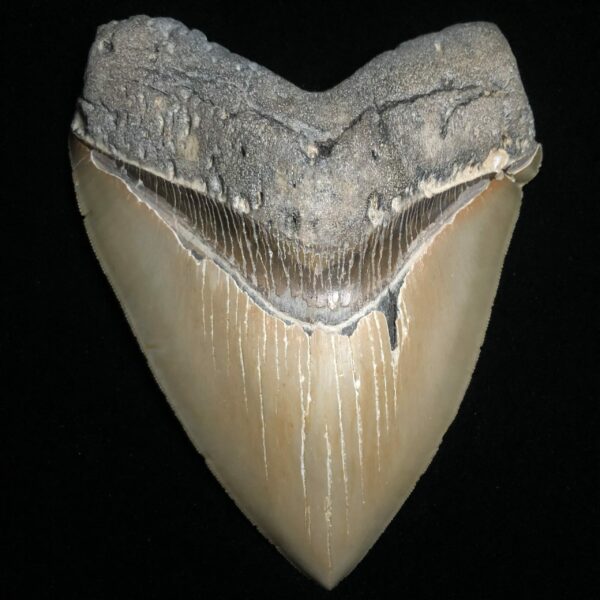
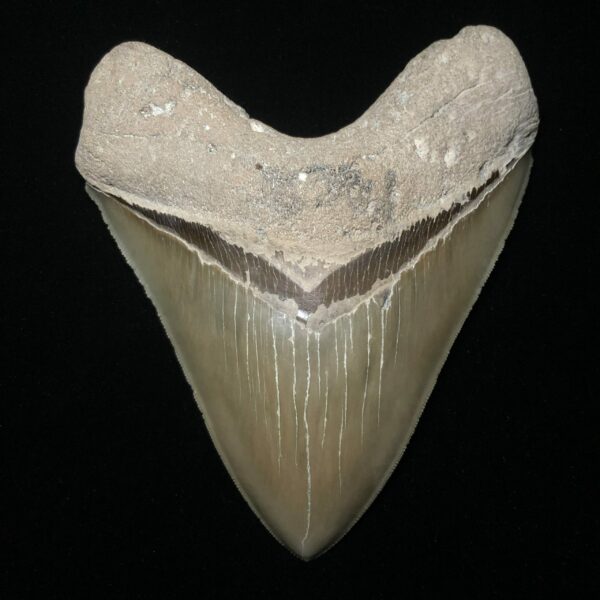
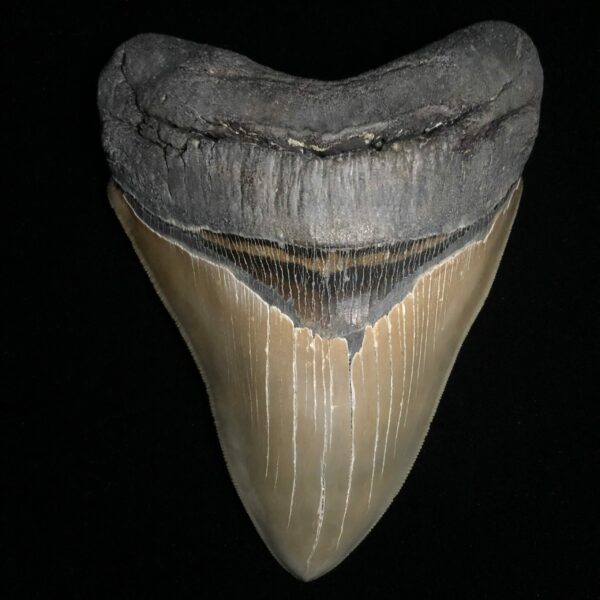
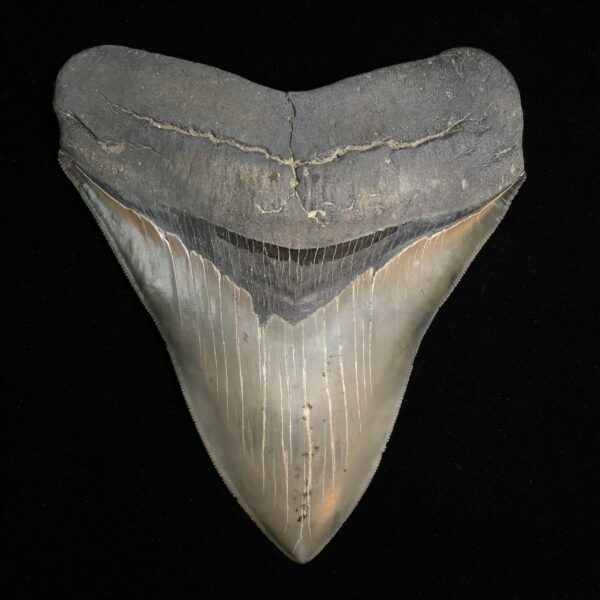
Premium Megalodon Teeth Masterpiece fossils are among the most admired prehistoric marine relics in the collector world. These exceptional specimens represent millions of years of geological history and showcase the impressive power of the ancient Megalodon shark.
This museum hall explores the significance of high-grade Megalodon teeth, explaining why certain fossils stand out due to their size, preservation, and rarity. Visitors can discover how these remarkable specimens contribute to science, education, and private fossil collections.
What Defines a Premium Megalodon Tooth Specimen
Not every fossil tooth is considered collector grade. Premium specimens typically feature large crown size, visible serrations, natural enamel shine, and strong root structure. These elements help determine both visual appeal and long-term value.
- Size between 4 and 6 inches
- Symmetrical triangular crown
- Distinct serration edges
- Well-preserved bourlette
- Minimal restoration
Premium Megalodon Teeth Masterpiece Size Significance
Tooth size plays a key role in reconstructing the biology of Megalodon sharks. Larger teeth suggest enormous body length and strong predatory capabilities. Paleontologists often use tooth measurements to estimate the overall scale of this prehistoric predator.
Specimens above 5 inches are especially valued because they provide clearer insights into feeding behavior and ocean ecosystem dynamics.
Understanding Growth Patterns Through Fossils
By comparing fossil teeth of different sizes, scientists can study Megalodon growth stages. Smaller teeth may represent juvenile sharks, while larger examples indicate fully mature individuals.
Serration Preservation and Fossil Quality
Serrations allowed Megalodon sharks to slice through prey efficiently. Fossils that maintain sharp serration detail are often considered more desirable by collectors.
Natural erosion may reduce edge clarity, so intact serrations help confirm both authenticity and fossil durability.
Color Variation in Megalodon Tooth Fossils
The coloration of fossil teeth depends on mineral absorption during fossilization. Some specimens display deep gray or black tones, while others develop sandy or bluish hues.
These colors are formed naturally over millions of years and enhance the uniqueness of each fossil.
Collector Value and Market Interest
Interest in Megalodon fossils has increased globally. Museums, investors, and enthusiasts actively search for visually impressive teeth that can serve as display centerpieces.
Factors influencing collector demand include:
- Overall fossil condition
- Size and symmetry
- Geological origin
- Rarity within the market
Geological Origins of Large Megalodon Teeth
Many significant fossil discoveries come from marine sediment layers in regions such as North America, North Africa, and parts of Asia. These environments once formed ancient seabeds where Megalodon sharks thrived.
Over time, mineral replacement processes preserved the teeth as stone fossils.
Premium Megalodon Teeth Masterpiece Display Importance
Displaying a Premium Megalodon Teeth Masterpiece can transform any fossil collection into an educational showcase. Museums use lighting and descriptive panels to highlight fossil features and tell the story of prehistoric ocean life.
Collectors also value these specimens for their dramatic visual presence and conversation-starting appeal.
Authenticity Considerations for Buyers
When acquiring Megalodon fossils, authenticity verification is essential. Trusted fossil suppliers typically provide:
- Accurate measurements
- Detailed condition reports
- High-resolution photography
- Geological context information
Educational and Scientific Relevance
Megalodon teeth serve as valuable learning tools in paleontology. They help researchers understand extinction patterns, marine biodiversity changes, and predator evolution.
Students studying fossil classification often begin with shark teeth due to their distinctive shapes.
Related Collector-Grade Megalodon Teeth
Visitors exploring this museum hall can discover a curated selection of large serrated Megalodon teeth available for acquisition. Each specimen reflects unique geological history and collector appeal.
Conclusion
Premium fossil teeth remain among the most captivating relics of prehistoric oceans. A well-preserved specimen offers both scientific insight and aesthetic value, making it a prized addition to serious collections.
The museum experience helps enthusiasts connect with Earth’s ancient past while understanding the significance of owning a genuine Megalodon fossil.