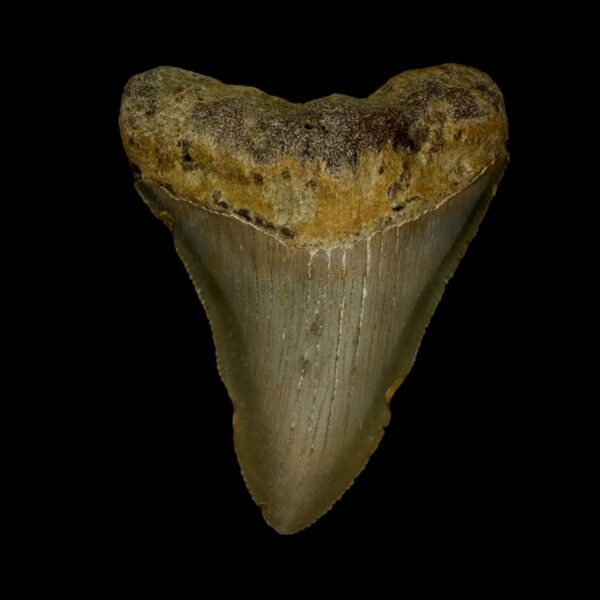
Megalodon Tooth Fossilization Process – Amazing Insightful 6-Step Guide for Young Learners
Megalodon tooth fossilization process is one of the most fascinating slow transformations in natural history. Understanding how a Megalodon tooth becomes a fossil helps young learners see how minerals, pressure, and time work together to preserve prehistoric life. This amazing and insightful guide explains the six essential stages that turn a freshly shed tooth into a fully fossilized specimen.
Megalodon Tooth Fossilization Process Begins with Natural Tooth Loss
The first stage of the Megalodon tooth fossilization process occurs when a Megalodon naturally loses one of its massive teeth. These sharks replaced teeth constantly, sometimes shedding tens of thousands throughout their lifetime. Once a tooth fell out, it sank to the ocean floor, a riverbed, or coastal sediment. The location where the tooth landed determined the early conditions of its fossilization journey.
Megalodon Tooth Fossilization Process Continues with Sediment Burial
After reaching the seabed or riverbed, the tooth needed to be quickly covered by sediment. Layers of sand, silt, and mud protected it from decay, scavengers, and strong currents. Th
is burial reduced oxygen exposure, slowing the breakdown of biological material. Students studying the Megalodon tooth fossilization process can observe how sediment composition affects color and preservation quality in fossils.
Mineral Absorption Plays a Key Role in Fossil Formation
As time passed, groundwater carried dissolved minerals through the sediment. These minerals—iron, phosphate, manganese, and silica—slowly replaced the organic structure of the tooth. This is the most important stage because it determines the final appearance of the fossil. The minerals absorbed during the Megalodon tooth fossilization process decide whether a tooth becomes black, gray, brown, blue, or even orange. Each fossil tells a geological story through its colors.
Enamel and Root Transform in Different Ways
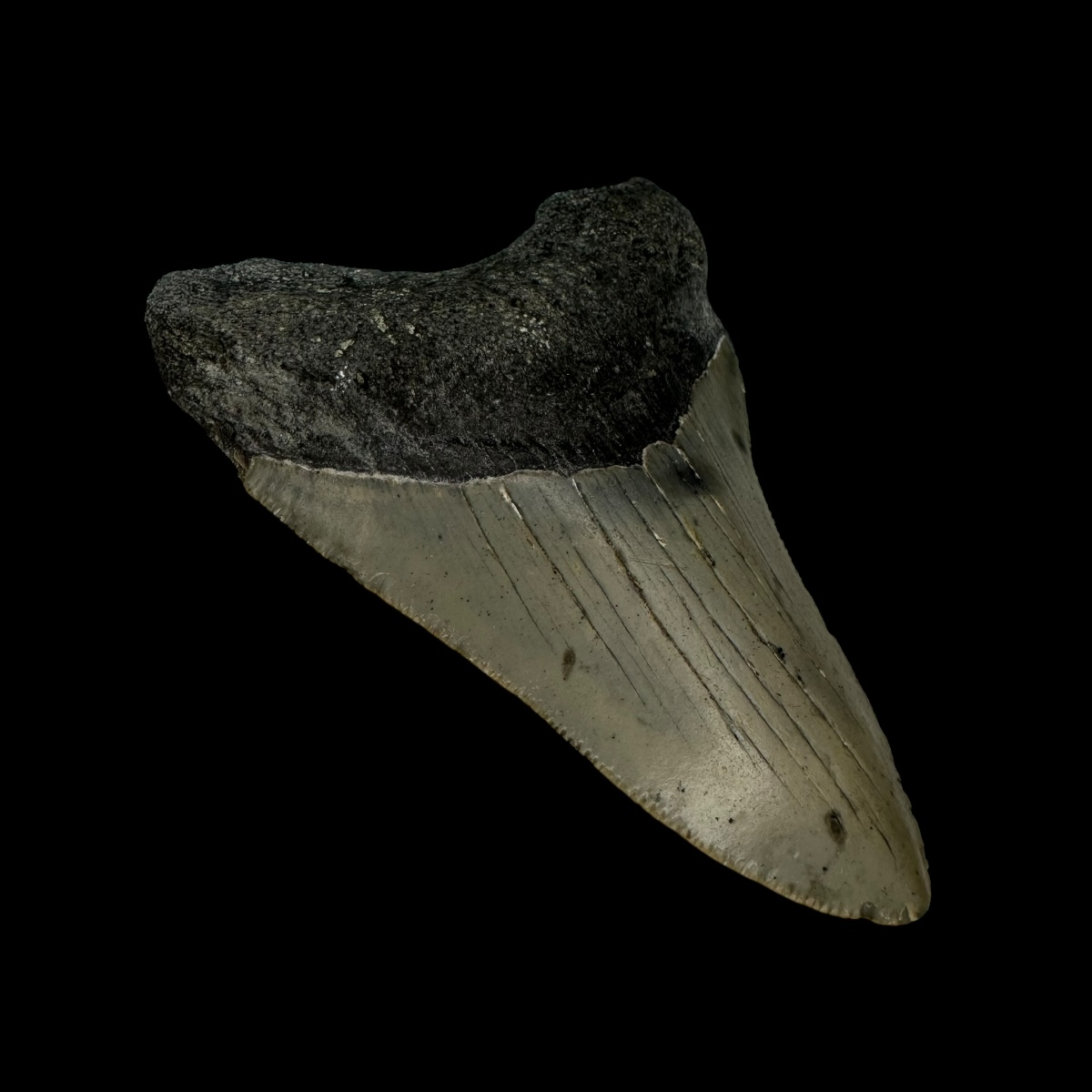
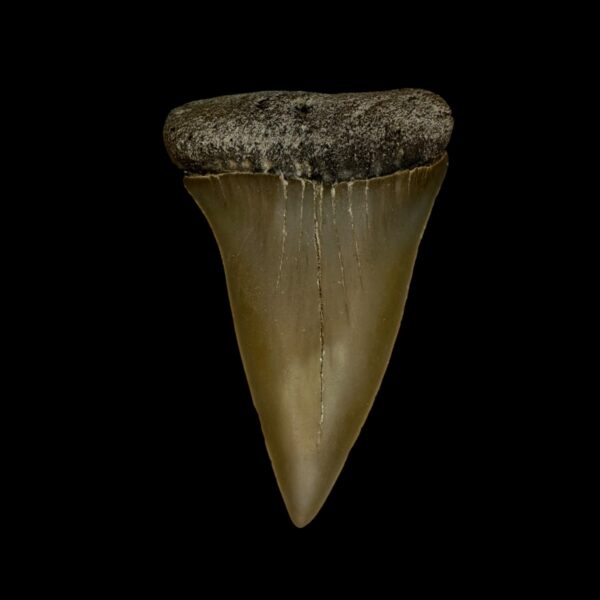
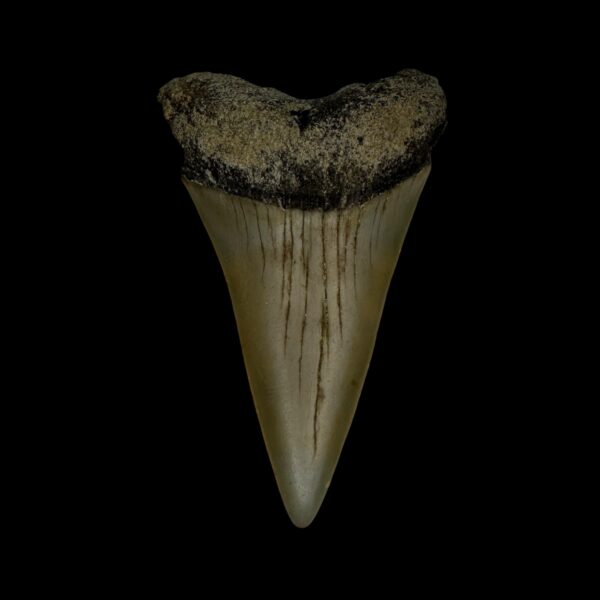
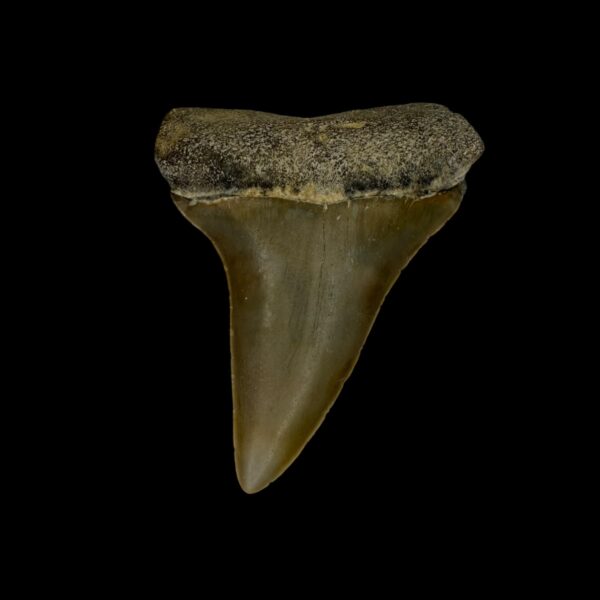
The enamel and root of a Megalodon tooth do not fossilize the same way. Enamel is incredibly strong, preserving tiny pits, texture, and the original shape. The root, being more porous, absorbs minerals more deeply. This often creates a contrast in color between the crown and the root. These differences make it easier for students to recognize stages within the Megalodon tooth fossilization process and understand how biological structures respond to pressure over time.
Environmental Stability Enhances Fossil Preservation
Stable environments are ideal for fossilization. If the tooth remained buried and undisturbed, its serrations, enamel lines, and bourlette band stayed sharp and well defined. If water currents moved the tooth, however, it may have become polished, smoothed, chipped, or worn. These variations allow students to compare fossils and learn how different environments influence the Megalodon tooth fossilization process.
The Final Stage Requires Millions of Years
The last stage of fossilization spans millions of years. Slowly, minerals continue replacing organic material while geological pressure turns the sediment around the tooth into stone. By the time the Megalodon tooth fossilization process is complete, the tooth has become a durable fossil capable of lasting far longer than the ocean it once belonged to.Studying this process gives young learners an appreciation for Earth’s history and the deep time required for fossil formation. It also introduces subjects like mineralogy, sediment layers, environmental change, and the evolution of marine life.Teachers can use the Megalodon tooth fossilization process to create classroom discussions, hands-on fossil comparisons, and lessons about prehistoric ecosystems. This topic helps students connect geology and paleontology in a clear, engaging, and memorable way.Another valuable aspect for students to explore when learning about fossil formation is the variety of environments where prehistoric shark teeth are found today. Different regions across the United States and around the world offer unique sediment conditions that influence fossil appearance. For example, coastal deposits in Florida often produce fossils with warm brown and orange tones, while deep marine sediments in North Carolina commonly result in dark black or gray specimens. River environments, especially in South Carolina, create smoother textures due to constant water movement. These regional differences help learners understand how environmental factors contribute to fossil diversity.Hands-on activities further enhance understanding. When students examine real or replica fossils, they can identify enamel patterns, serration wear, and root structures. Observing these details encourages critical thinking and scientific curiosity. Students quickly learn to compare specimens, identify preservation differences, and make hypotheses about how each fossil formed. These skills help build a foundation in scientific reasoning, geology, and paleontology.