Megalodon Tooth Fossil Locations – Amazing 8 Places Where Giants Once Ruled
Megalodon Tooth Fossil Locations offer an amazing opportunity for students and beginners to understand where the largest shark in history once lived. By exploring where Megalodon teeth are found today, learners can better understand ancient oceans, shifting coastlines, and the geological processes that preserved these fossils. This amazing educational guide explores the most important Megalodon Tooth Fossil Locations around the world.
Megalodon Tooth Fossil Locations
Studying Megalodon Tooth Fossil Locations helps learners connect fossil discoveries with prehistoric marine environments. Megalodon shed thousands of teeth during its lifetime, and these fossils are now scattered across regions that were once underwater. Each location reveals amazing clues about ancient climate, sediment, and ocean life.
Amazing Megalodon Tooth Fossil Locations in North Carolina
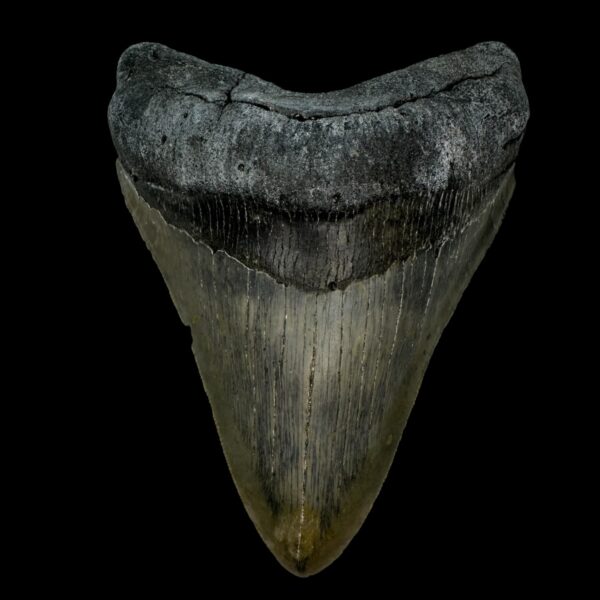
North Carolina is one of the most amazing Megalodon Tooth Fossil Locations in the world. Offshore phosphate beds have produced some of the largest and best-preserved Megalodon teeth ever discovered. These fossils are often black or blue due to mineral-rich sediments, and many are recovered by divers directly from the ocean floor.
Amazing Megalodon Tooth Fossil Locations in South Carolina Rivers
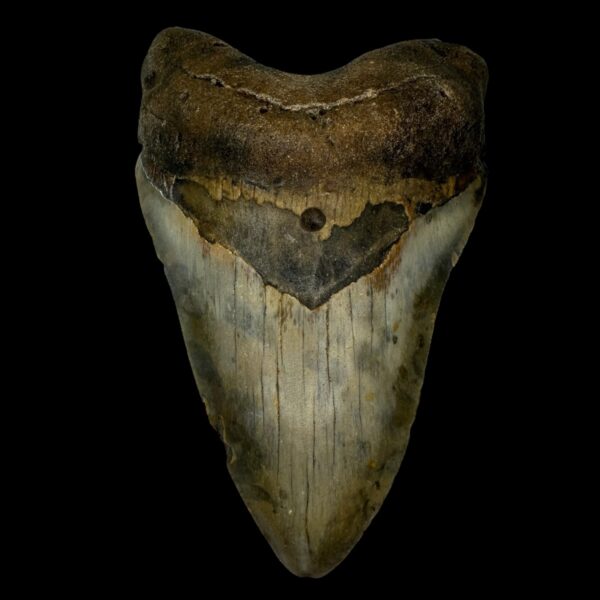
South Carolina river systems represent another amazing source of Megalodon fossils. Rivers such as the Cooper River have exposed ancient seabeds through erosion. Teeth found in these locations often display brown or tan coloration and smoother edges caused by water movement over time.
Amazing Megalodon Tooth Fossil Locations in Florida
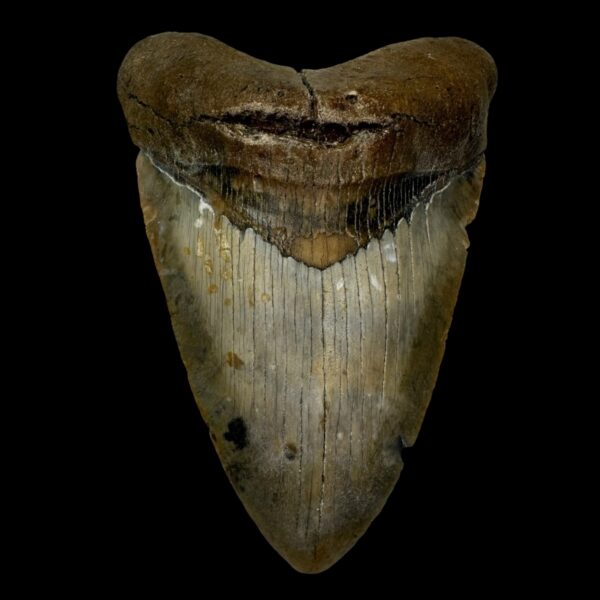
Florida is one of the most accessible and amazing Megalodon Tooth Fossil Locations for beginners. Fossils are commonly found in rivers, beaches, and shallow coastal waters. Florida Megalodon teeth often show orange, brown, or multicolored tones created by iron-rich sediments.
Megalodon Tooth Fossil Locations in Virginia and Maryland
The Chesapeake Bay region, including Virginia and Maryland, contains ancient marine deposits rich in fossilized shark teeth. These Megalodon Tooth Fossil Locations often produce large teeth with strong root preservation, helping scientists reconstruct prehistoric ocean conditions.
Amazing Megalodon Tooth Fossil Locations in Peru and Chile
South America includes several amazing Megalodon Tooth Fossil Locations, particularly along the coasts of Peru and Chile. These regions were once part of ancient marine ecosystems that supported massive predators. Fossils from this area often differ in color and mineral composition from North American specimens.
Megalodon Tooth Fossil Locations in Morocco
Morocco is one of the most productive fossil regions on Earth. Desert areas that were once underwater have revealed Megalodon teeth preserved in limestone and sandstone formations. These Megalodon Tooth Fossil Locations highlight dramatic environmental change over millions of years.
Megalodon Tooth Fossil Locations Offshore Worldwide
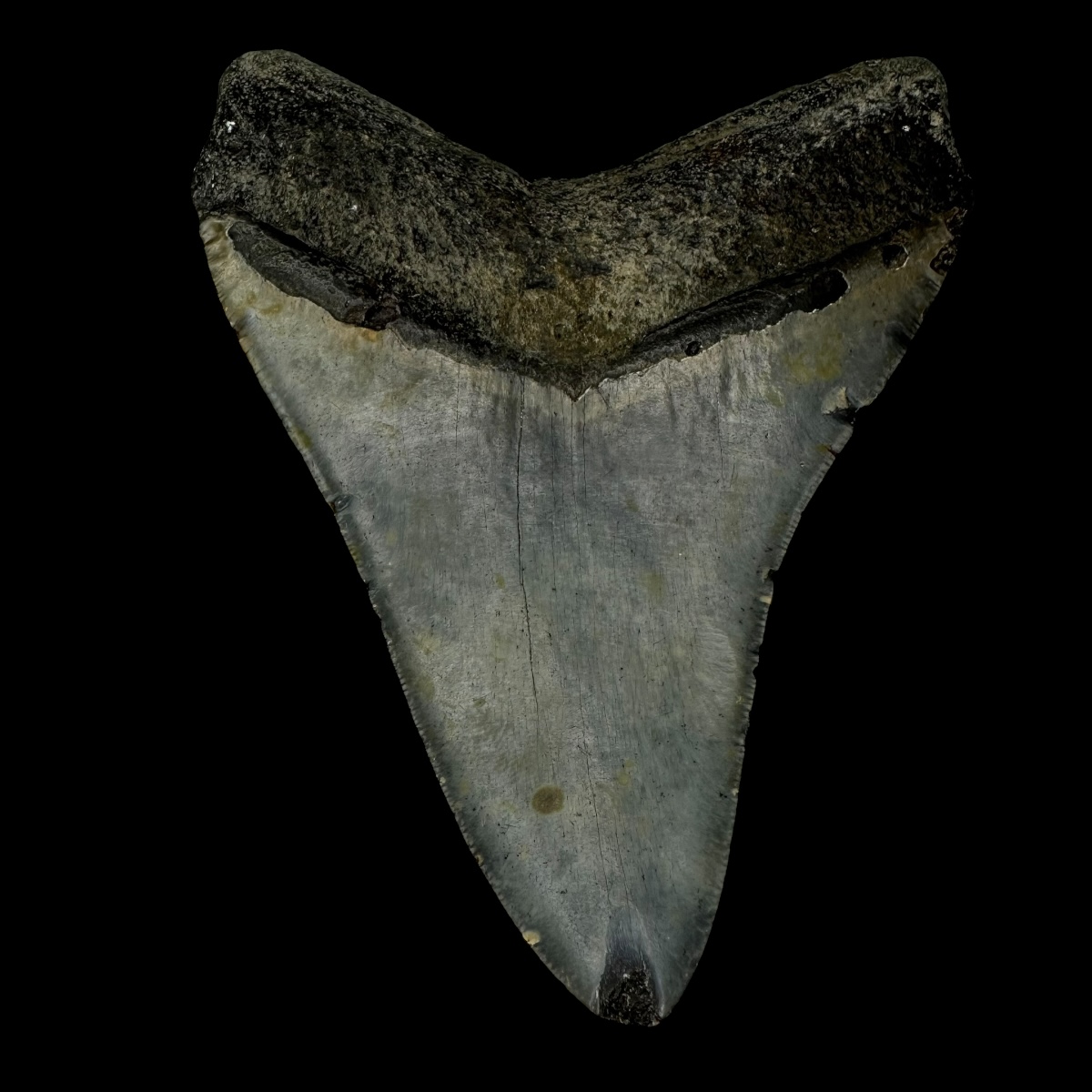
Some of the most Megalodon Tooth Fossil Locations are found offshore, where ancient seabeds remain relatively undisturbed. These deep-water deposits often preserve teeth with sharp serrations and intact enamel, making them valuable for scientific study.
By exploring Megalodon Tooth Fossil Locations, students gain anunderstanding of plate tectonics, sea-level change, and fossil preservation. Mapping these discoveries allows learners to visualize prehistoric oceans and understand why fossils appear where they do today.
Teachers frequently use Megalodon Tooth Fossil Locations as an educational tool to introduce concepts such as erosion, sediment layers, and marine ecosystems. This approach helps students connect geography, geology, and paleontology in a meaningful way.
Learning about Megalodon Tooth Fossil Locations is way to appreciate Earth’s deep history and the powerful natural forces that shaped life in ancient seas.
One amazing benefit of studying fossil locations is the ability to understand how Earth’s surface has changed over time. Many areas where Megalodon teeth are found today were once submerged beneath ancient oceans. As sea levels shifted and continents moved, these underwater environments became rivers, coastlines, deserts, and farmlands. Fossil discoveries allow students to visualize these dramatic transformations and better understand geological time.
Examining Megalodon Tooth Fossil Locations also helps learners recognize patterns between sediment type and fossil preservation. Fine-grained sediments such as clay and silt often preserve delicate features like serrations and enamel texture, while coarse sands may polish teeth and soften edges. These differences provide amazing teaching opportunities when comparing fossils from multiple regions.
Another amazing learning opportunity comes from mapping fossil discoveries. When students plot locations on a map, they begin to see how prehistoric oceans connected continents. This activity reinforces concepts such as plate tectonics, ocean currents, and climate zones. Fossil locations become more than points on a map—they become evidence of Earth’s ancient marine networks.
Studying fossil locations also introduces students to ethical fossil collecting. Many important sites are protected to preserve scientific value. Learning where fossils come from encourages respect for regulations, responsible collecting, and the importance of research institutions. This perspective helps students understand that fossils are educational resources, not just collectibles.
Teachers often use fossil location studies as an amazing interdisciplinary tool. Lessons can combine geography, earth science, history, and biology by exploring how environmental change influences life on Earth. Fossils serve as tangible proof that ecosystems evolve, migrate, and sometimes disappear entirely.
By exploring Megalodon Tooth Fossil Locations, learners develop curiosity and critical thinking skills. They learn to ask why fossils appear in certain areas and what those discoveries reveal about ancient oceans. This amazing approach transforms fossil study into a deeper exploration of Earth’s history and natural processes.