Megalodon Tooth Size Chart Explained – Essential 6-Step Guide for New Collectors
Megalodon Tooth Size Chart Explained is an essential topic for students, beginners, and collectors who want to understand how Megalodon teeth are classified by size. Learning how tooth measurements work helps avoid confusion and provides a clear foundation for fossil identification. This essential guide explains how size charts are used to interpret Megalodon teeth accurately.
Megalodon Tooth Size Chart Explained
Understanding Megalodon Tooth Size Chart Explained allows learners to correctly measure, compare, and categorize Megalodon teeth. Size charts are essential tools used by scientists and collectors to determine jaw position, growth stage, and relative scale. Without this knowledge, beginners often misinterpret fossil size and significance.
Megalodon Tooth Size Chart Explained by Measurement Method
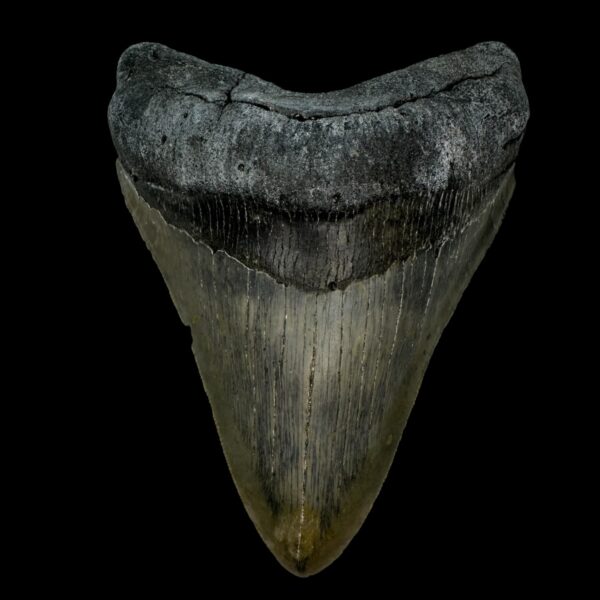
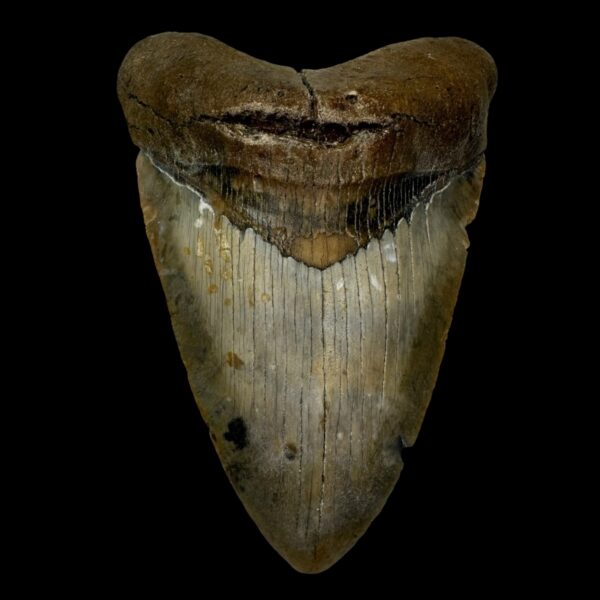
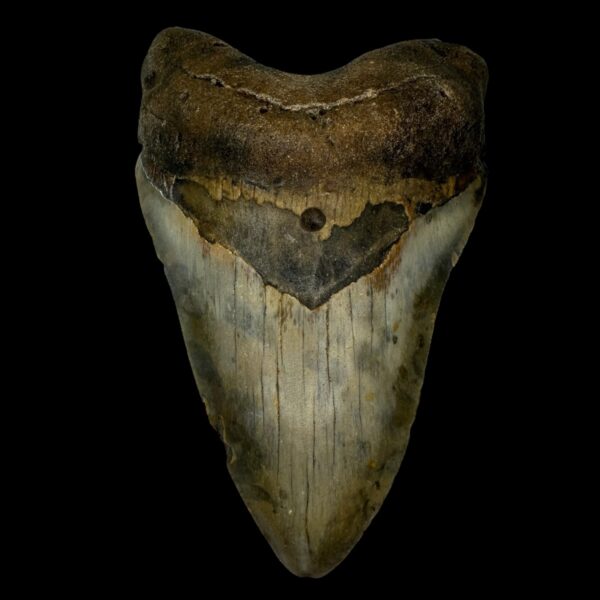
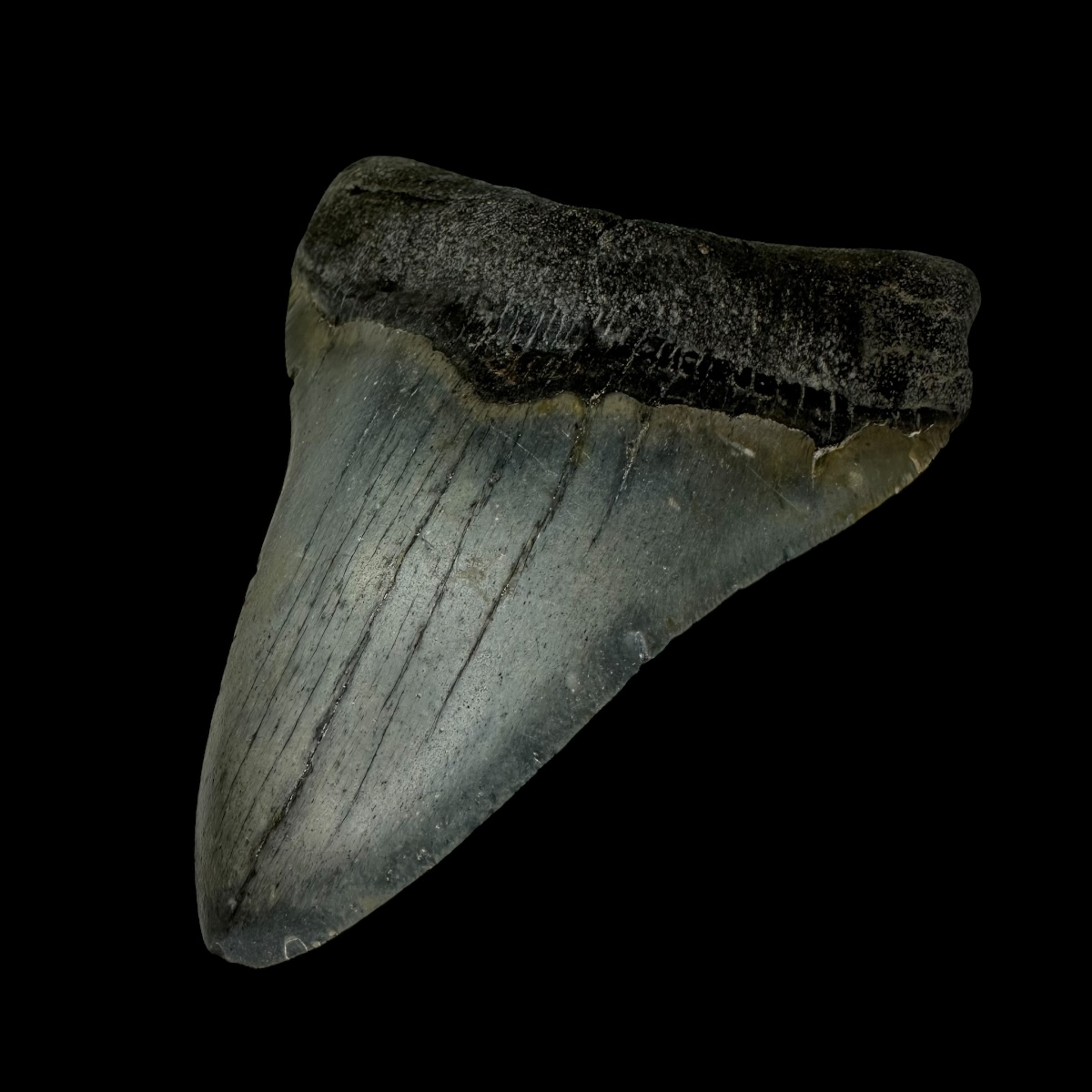
One essential step in using a Megalodon tooth size chart is measuring the tooth correctly. Measurements are taken from the tip of the crown to the lowest point of the root, excluding chips or damage. This standardized method ensures accurate comparisons between fossils of different conditions.
Megalodon Tooth Size Chart Explained by Jaw Position
Megalodon teeth varied depending on where they sat in the jaw. Front teeth are taller and more symmetrical, while side teeth are shorter and angled. Back teeth tend to be wider and smaller. Understanding jaw position is essential when interpreting size charts and identifying where a tooth originated.
Megalodon Tooth Size Chart Explained by Size Categories
Size charts group Megalodon teeth into categories that help simplify identification. Teeth under 3 inches are considered small, those between 3 and 4 inches are medium, and teeth above 5 inches are classified as large. Teeth over 6 inches are extremely rare. These categories provide an essential reference for beginners.
Megalodon Tooth Size Chart Explained and Growth Stages
Tooth size also offers essential insight into the growth stage of the shark. Smaller teeth often came from juvenile Megalodons, while larger teeth belonged to mature individuals. Studying size charts helps learners understand how Megalodon replaced teeth throughout its lifetime.
Megalodon Tooth Size Chart Explained and Common Mistakes
An essential mistake beginners make is focusing only on size while ignoring shape and condition. A broken large tooth may appear smaller than an intact medium tooth. Size charts work best when combined with observations of enamel quality, serrations, and root structure.
By studying Megalodon Tooth Size Chart Explained, learners develop essential observation skills and a deeper understanding of prehistoric marine life. Size charts transform individual fossils into meaningful data that reveal patterns about Megalodon anatomy and behavior.
This essential guide shows that tooth size is more than a measurement—it is a key to understanding Megalodon’s biology, environment, and evolution. Learning how to read size charts allows students and collectors to confidently interpret fossil evidence.
An essential advantage of learning how tooth size charts work is that they help learners compare fossils objectively rather than relying on visual guesses. Without a size chart, it is easy to overestimate or underestimate the importance of a tooth based on appearance alone. Size charts introduce structure and consistency, which are essential principles in scientific study and fossil classification.
Understanding Megalodon Tooth Size Chart Explained also supports cross-disciplinary learning. Students apply basic math skills when measuring teeth, practice critical thinking when comparing specimens, and strengthen their understanding of biology by linking tooth size to feeding behavior and growth patterns. This makes size charts an essential educational tool in both classroom and independent learning environments.
Collectors also benefit from using accurate size charts, as proper classification helps preserve fossil records and prevents misinformation. Knowing how to correctly interpret measurements is essential when documenting fossils, sharing knowledge, or building educational collections. Size charts provide a reliable reference point that keeps fossil identification consistent across different regions and discoveries.
Ultimately, learning how to read and apply size charts gives students and beginners confidence. This essential knowledge transforms Megalodon teeth from isolated objects into meaningful scientific evidence, helping learners better understand prehistoric life and the massive scale of one of Earth’s most iconic marine predators.