Megalodon vs Great White Tooth Differences – Powerful
Megalodon vs Great White Tooth Differences are a powerful topic for students and beginners who want to learn shark anatomy and fossil identification. Although both sharks share triangular teeth and strong bites, their teeth differ in size, structure, age, and preservation. This powerful educational guide breaks down the most important Megalodon vs Great White Tooth Differences in a clear and beginner-friendly way.
Megalodon vs Great White Tooth Differences
Understanding Megalodon vs Great White Tooth Differences helps learners correctly identify whether a tooth belongs to a prehistoric fossil or a modern shark species. This powerful comparison prevents common mix-ups and builds a strong foundation in evolution, anatomy, and fossil studies.
Megalodon vs Great White Tooth Differences in Size
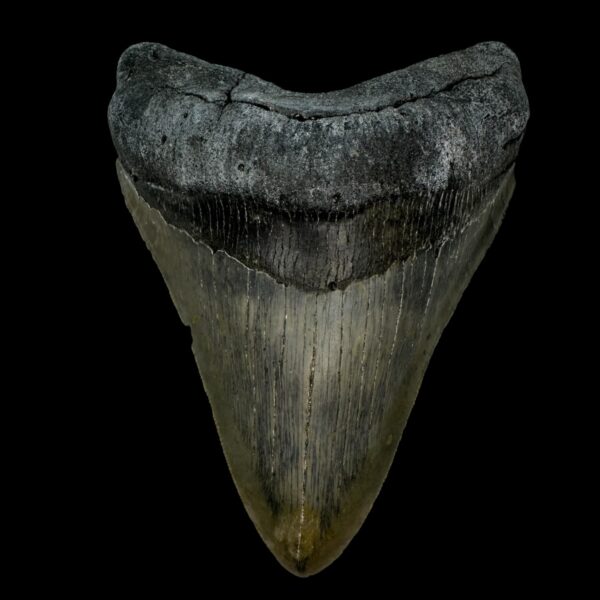
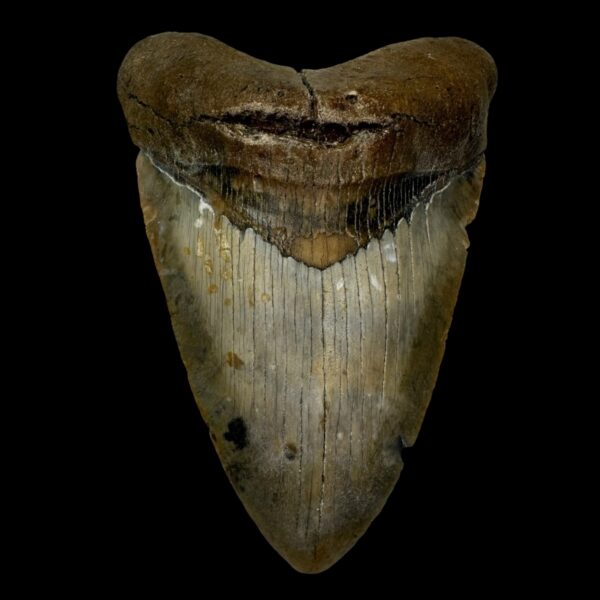
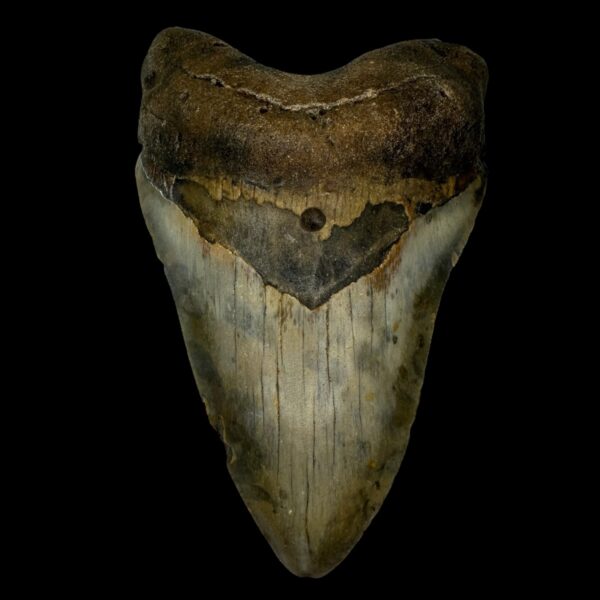
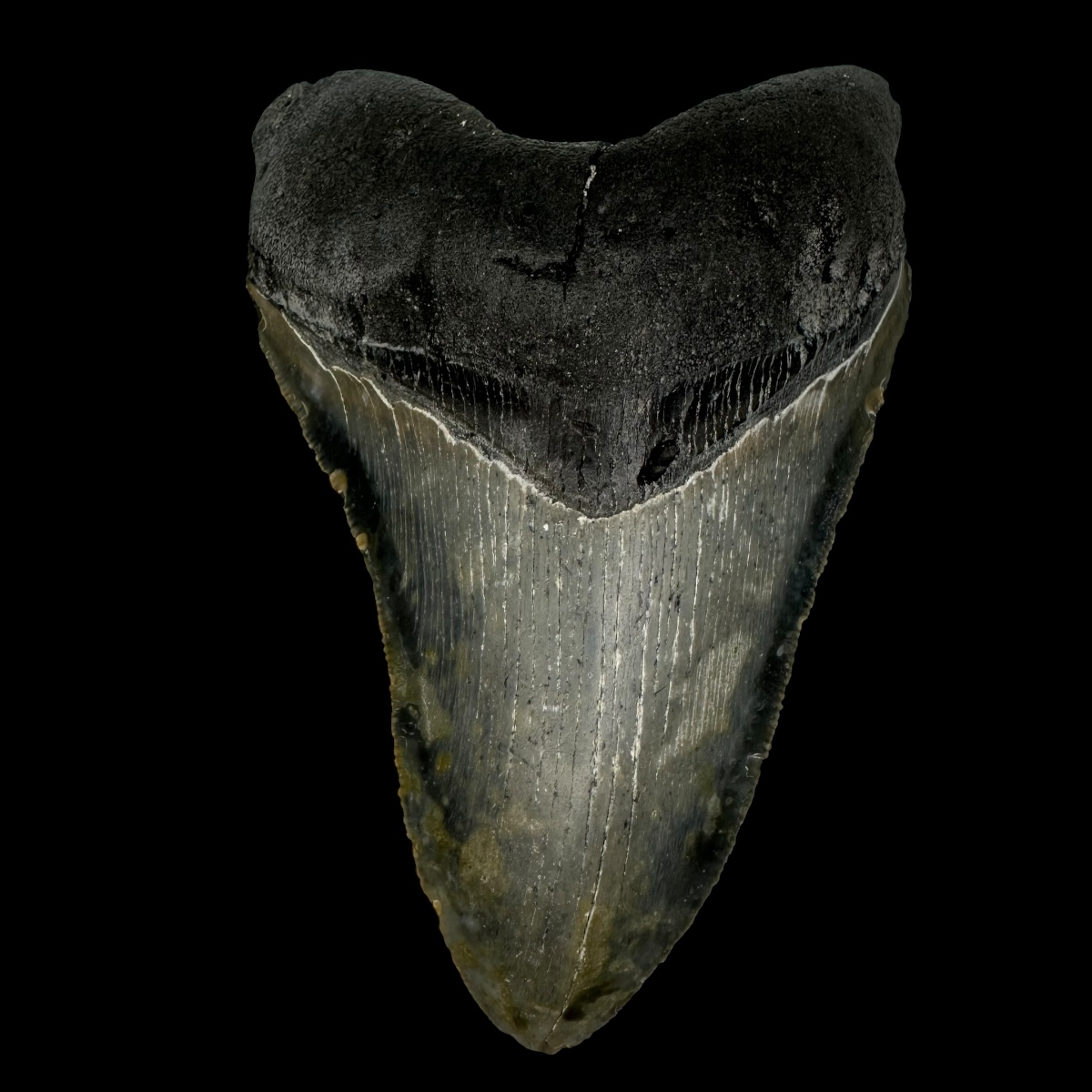
The most powerful visual difference is size. Megalodon teeth are significantly larger than Great White teeth. A Great White tooth typically measures between 1.5 and 2.5 inches, while Megalodon teeth commonly exceed 5 inches. This size gap reflects the massive scale of Megalodon, one of the most powerful marine predators in Earth’s history.
Megalodon vs Great White Tooth Differences in Shape
While both species have triangular teeth, their proportions differ. Megalodon teeth are wider, thicker, and more robust, designed to withstand powerful bite forces and tackle large prey. Great White teeth are slimmer and more pointed, optimized for slicing flesh. Comparing thickness and overall profile is a powerful method for distinguishing fossils from modern teeth.
Megalodon vs Great White Tooth Differences in Serrations
Serrations offer another powerful clue. Megalodon serrations tend to be larger and more pronounced, though fossilization can smooth them over time. Great White serrations are finer, sharper, and more uniform because the teeth are modern. Serration size and edge wear are key indicators when studying Megalodon vs Great White Tooth Differences.
Megalodon vs Great White Tooth Differences in Root Structure
The root structure reveals contrasts between the two species. Megalodon tooth roots are thick, porous, and mineralized due to fossilization, often showing color variation from sediment absorption. Great White tooth roots are lighter, smoother, and organic. Root texture and mineral patterns are signs that help learners identify true fossils.
Megalodon vs Great White Tooth Differences in Color
Color is a visual indicator. Megalodon teeth display a wide range of colors—black, gray, brown, blue, and orange—depending on the minerals present during fossilization. Great White teeth are usually white or off-white with minimal variation. This makes color a fast and way to separate fossils from modern teeth.
When studying Megalodon vs Great White Tooth Differences, learners also develop observation skills. They learn to compare enamel texture, serration wear, root porosity, and mineral coloration to form accurate conclusions. This strengthens identification skills and reduces mistakes.
By analyzing Megalodon vs Great White Tooth Differences, students gain a deeper understanding of shark evolution, prehistoric ecosystems, and fossil formation. This comparison connects paleontology with modern marine biology in a memorable way.
Educators often use this topic to introduce lessons on extinction, adaptation, and marine food chains. Comparing an extinct super predator with a living shark species provides a learning experience that highlights how Earth’s ecosystems have changed over millions of years.
Another powerful reason to study shark teeth is that they provide direct physical evidence of how predators evolved over time. Teeth are among the most durable biological structures in nature, which is why they survive long after soft tissues disappear. By examining shark teeth from different periods, students can trace changes in feeding strategies, jaw strength, and prey selection across millions of years. This makes teeth one of the most valuable tools for understanding prehistoric marine ecosystems.
When comparing fossils and modern specimens, learners begin to recognize how environmental pressures shape anatomy. Ancient oceans contained massive prey animals such as early whales, which required stronger, thicker teeth capable of crushing bone. Modern oceans, by contrast, support different prey dynamics. This shift explains why extinct sharks developed broader, heavier teeth, while modern species rely on sharper, more streamlined designs. These observations reinforce the importance of anatomical adaptation in evolutionary biology.
Studying Megalodon vs Great White Tooth Differences also helps students develop careful observation habits. Rather than relying on size alone, learners are encouraged to examine texture, mineral patterns, root porosity, and enamel wear. These details teach patience and attention to evidence—skills that are essential not only in paleontology but in all scientific disciplines. Over time, students learn to ask better questions and make more accurate conclusions based on physical traits.
This topic also offers a powerful way to introduce geological time. Fossil teeth represent a snapshot of life that existed millions of years ago, long before humans appeared. Comparing them to modern teeth helps students grasp the scale of Earth’s history and understand that ecosystems constantly change. This perspective fosters curiosity and respect for the planet’s natural processes.
In classroom settings, teachers often use shark tooth comparisons to support interdisciplinary learning. Lessons can combine biology, geology, chemistry, and environmental science by exploring how minerals replace organic material, how sediments form, and how fossils are preserved. Visual comparisons, hands-on replicas, and guided observation exercises make these lessons engaging and memorable.
Megalodon vs Great White Tooth Differences in Age and Fossilization
Age is one of the most Megalodon vs Great White Tooth Differences. Megalodon teeth are fossils that date back approximately 2 to 20 million years. Great White teeth are modern and naturally shed by sharks alive today. Fossil teeth feel heavier and stone-like, while modern teeth feel lighter and more organic, making this comparison especially useful for beginners.