
Learning Guide: 7 Fascinating Facts About How Megalodon Tooth Fossils Teach Us About Evolution
Introduction
A Megalodon tooth fossil is not just a remarkable specimen; it is a powerful tool that helps scientists Learning about Earth’s distant past. Through the study of these ancient teeth, paleontologists have been able to piece together the life and environment of one of the largest predators to ever roam the oceans.
In this Learning Guide, we explore 7 Fascinating Facts about how Megalodon tooth fossils contribute to our understanding of evolution. From the shark’s early beginnings to its rise as an apex predator, these fossils reveal critical insights into the evolutionary process and how species adapt to changing environments over millions of years.
1. Fossils Are the Key to Understanding Evolution
1.1 The Role of Fossils in Evolutionary Science
Fossils are the physical evidence of past life, and they play a vital role in learning about evolution. By studying Megalodon tooth fossils, scientists can trace the evolutionary history of this magnificent creature. The teeth provide us with clues about its diet, behavior, and adaptation to the ever-changing environment of prehistoric oceans.
Unlike bones, shark teeth are made of durable enamel, Learning which fossilizes well and provides excellent records of evolutionary changes. For example, early Megalodon teeth were smaller and less robust, while later teeth became much larger, reflecting the shark’s adaptation to a new, more challenging environment with bigger prey.
1.2 Teeth as Evidence of Adaptation
Each Learning Megalodon tooth fossil is a snapshot of the shark’s adaptive strategies. Early Megalodon teeth were suited for hunting smaller marine creatures, but over time, as the shark grew larger, it needed to hunt bigger prey. The evolution of Megalodon teeth to match the size of its prey is an excellent example of evolution in action. This adaptation helped the shark maintain its position as the apex predator of the ocean, feeding on marine mammals and large fish.
Through this Learning process, Megalodon demonstrated a key aspect of evolutionary theory: survival of the fittest. Only those that could adapt to new challenges survived, while others evolved new features to remain dominant in the ecosystem.
2. Megalodon Teeth: A Window into Prehistoric Oceans
2.1 Climate Change and Its Impact on Learning Megalodon
Megalodon teeth offer fascinating clues about the prehistoric oceans in which the shark lived. Fossils found Learning in different regions of the world have revealed that Megalodon roamed warm, tropical waters. As the Earth’s climate shifted, so did the distribution of Megalodon. Teeth found in colder Learning waters suggest that the shark adapted to different climatic conditions over millions of years.
This shows how Megalodon, like modern sharks, was capable of adapting to environmental changes, a key aspect of evolution. By studying these fossils, we learn how species can evolve in response to climate changes and shifting ecosystems.
3. The Evolution of Megalodon Teeth
3.1 Changes in Tooth Morphology
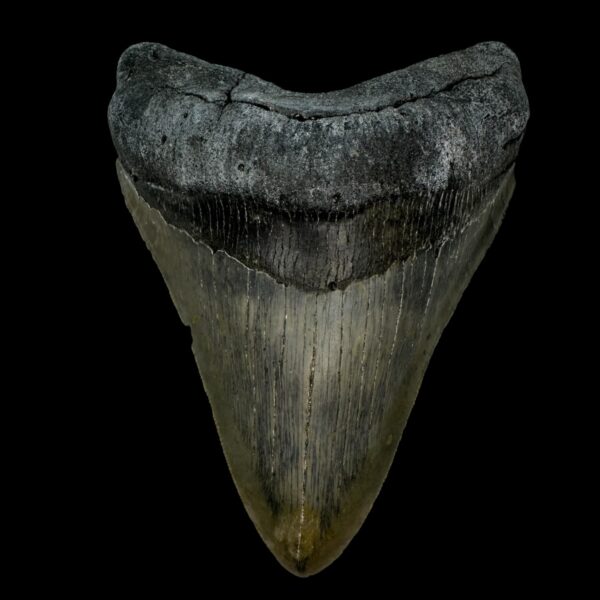
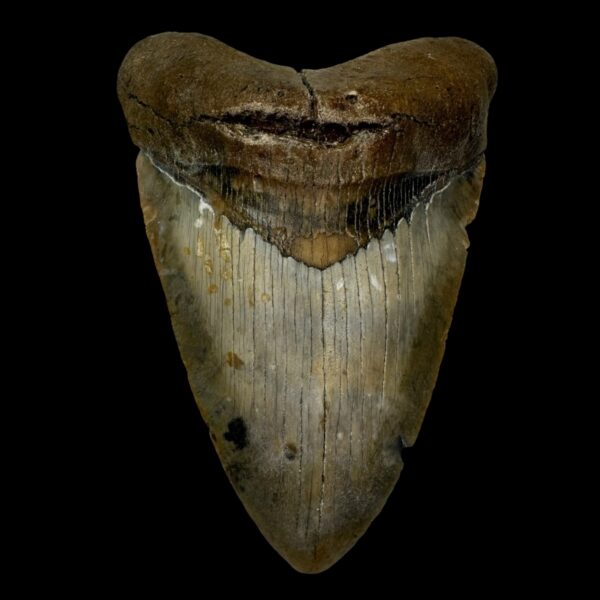
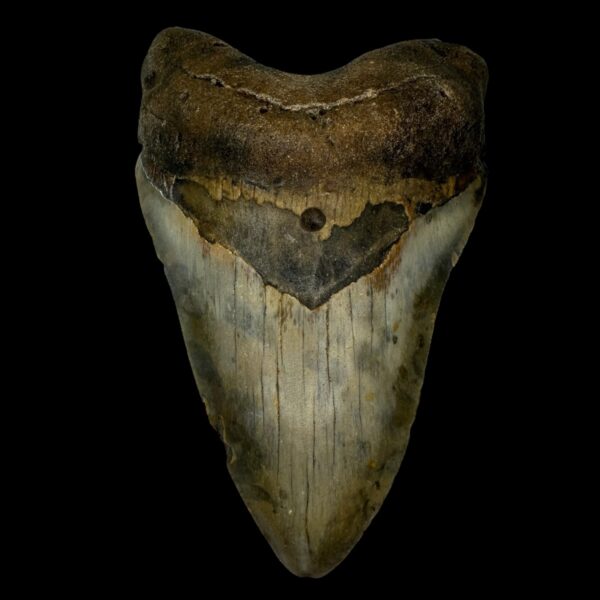
The shape of a Megalodon tooth fossil reveals much about the shark’s dietary habits and evolutionary adaptations. Early Megalodon teeth were narrow and curved, indicating that the shark primarily hunted smaller fish. As the shark grew larger, its teeth evolved into wider, more robust shapes capable of slicing through the flesh and bones of much larger prey, such as whales.
This change in tooth morphology demonstrates how Learning Megalodon adapted to evolving food sources in the ocean. Such changes in morphology are powerful evidence of natural selection and adaptation, crucial elements in the theory of evolution.
3.2 Comparing Megalodon Teeth to Modern Sharks
Scientists often compare Megalodon tooth fossils with the teeth of modern great white sharks. The similarities in tooth structure between Megalodon and modern sharks suggest that they share a common evolutionary ancestor. This comparison offers valuable insights into the evolutionary history of sharks, showing how certain traits, like serrated teeth for cutting through flesh, have remained consistent for millions of years.
4. Megalodon and the Role of Evolution in Survival
4.1 Adaptation to Prey Size
As Megalodon evolved, so did its prey. Early Megalodon teeth were suited for hunting smaller marine creatures, but over time, as the shark grew larger, it needed to hunt bigger prey. The evolution of Megalodon teeth to match the size of its prey is an excellent example of evolution in action. This adaptation helped the shark maintain its position as the apex predator of the ocean, feeding on marine mammals and large fish.
Through this process, Megalodon demonstrated a key aspect of evolutionary theory: survival of the fittest. Only those that could adapt to new challenges survived, while others evolved new features to remain dominant in the ecosystem.
5. Learning About Megalodon’s Extinction
5.1 Factors Leading to Extinction
Despite its dominance for millions of years, Megalodon eventually went extinct around 3.6 million years ago. The extinction of Megalodon is a fascinating topic for scientists and students alike. While climate change played a role in the shark’s decline, the evolution of new, more efficient predators like the great white shark likely contributed to its extinction.
The study of Megalodon tooth fossils helps scientists understand how environmental and biological factors can influence the survival of a species. By examining the reasons for the shark’s extinction, we learn valuable lessons about evolution and the delicate balance of ecosystems.
6. Educational Applications: Teaching Evolution Through Megalodon Teeth
6.1 Megalodon Teeth in the Classroom
For students learning about evolution, Megalodon tooth fossils are invaluable teaching tools. They bring the theory of evolution to life by providing tangible evidence of how species evolve over time. Students can learn about natural selection, adaptation, and the importance of environmental factors in the survival of species.
In biology and paleontology classes, Megalodon tooth fossils serve as a powerful visual aid, making the concepts of evolution and natural history more engaging and accessible. Holding a Megalodon tooth allows students to connect the abstract theory of evolution with real-world examples.
6.2 Museum Exhibits
Museums often feature Megalodon tooth fossils as part of exhibits on prehistoric life and the evolution of sharks. These exhibits help visitors understand the role Megalodon played in shaping marine ecosystems and how its extinction fits into the larger narrative of evolution.
7. Fascinating Facts About Megalodon Evolution
Megalodon teeth could grow up to 7 inches in length, making them the largest of any shark species.
Megalodon had the most powerful bite of any animal ever, with a bite force estimated at over 40,000 pounds.
The largest Megalodon shark may have weighed up to 50 tons, compared to the 1.5 tons of a modern great white.
Fossils of Megalodon teeth have been found across five continents, showing the wide distribution of the shark.
Megalodon’s extinction about 3.6 million years ago may have been linked to ocean cooling.
8. Conclusion: The Legacy of Megalodon in Evolutionary Science
Megalodon tooth fossils offer us a unique and tangible connection to the past. They help us learn not only about the largest predator the world has ever seen but also about the process of evolution itself. From changes in tooth morphology to the shark’s adaptation to its environment, these fossils are key to understanding how species evolve, adapt, and sometimes go extinct.
As we continue to study Megalodon tooth fossils, we gain a deeper appreciation for the complexity of evolutionary biology and the importance of fossils in unlocking the history of life on Earth.
👉 Interested in learning more about Megalodon tooth fossils? Visit our Megalodon Tooth Shop to explore authentic specimens and connect with the prehistoric past.