Interpreting 5 Fascinating Megalodon Fossil Layers and What They Reveal
Introduction
Understanding prehistoric life requires more than discovering fossils—it requires interpreting the geological context in which they are found. Megalodon fossil layers are especially valuable because they preserve not only teeth and remains, but also environmental information about ancient oceans. By studying these layers, scientists can reconstruct timelines, climates, and ecosystems that existed millions of years ago.
In this educational article, we will explore five fascinating fossil layers associated with Megalodon discoveries and explain what each one reveals about prehistoric marine environments.
1. Coastal Shelf Fossil Layers
One of the most common Megalodon fossil layers is found in ancient coastal shelf sediments. These layers formed in shallow, warm waters rich in marine life. Fossils discovered here suggest that Megalodon frequently hunted near coastlines where whales and large fish were abundant.
By interpreting these coastal layers, scientists understand that Megalodon relied heavily on productive nearshore ecosystems rather than deep-ocean habitats.
2. Phosphate-Rich Sediment Layers
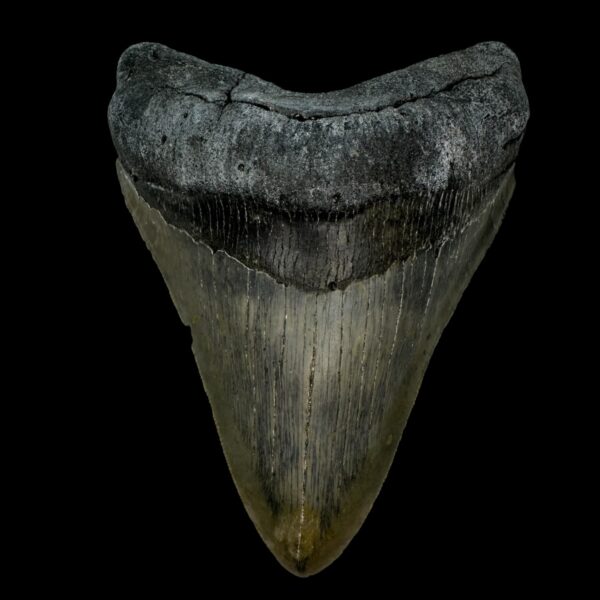
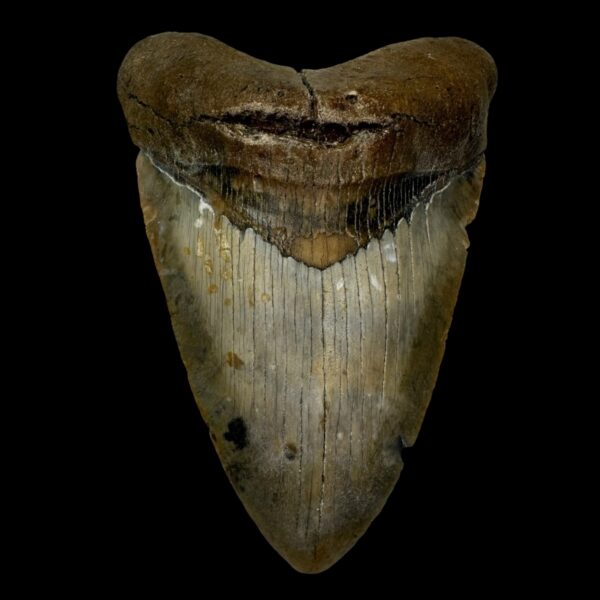
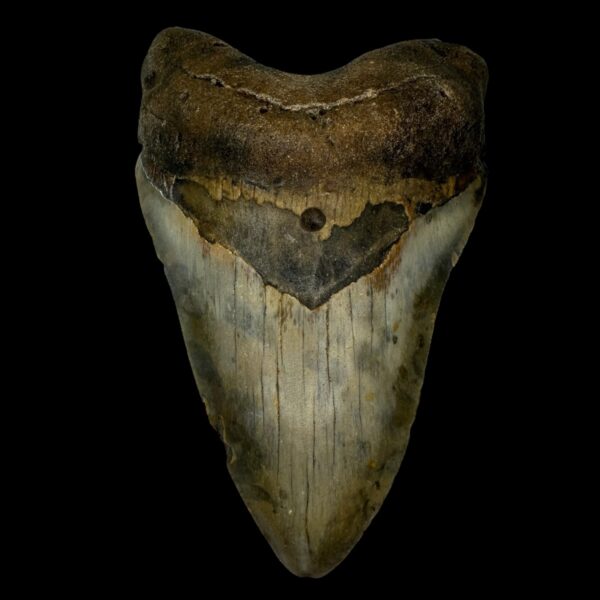
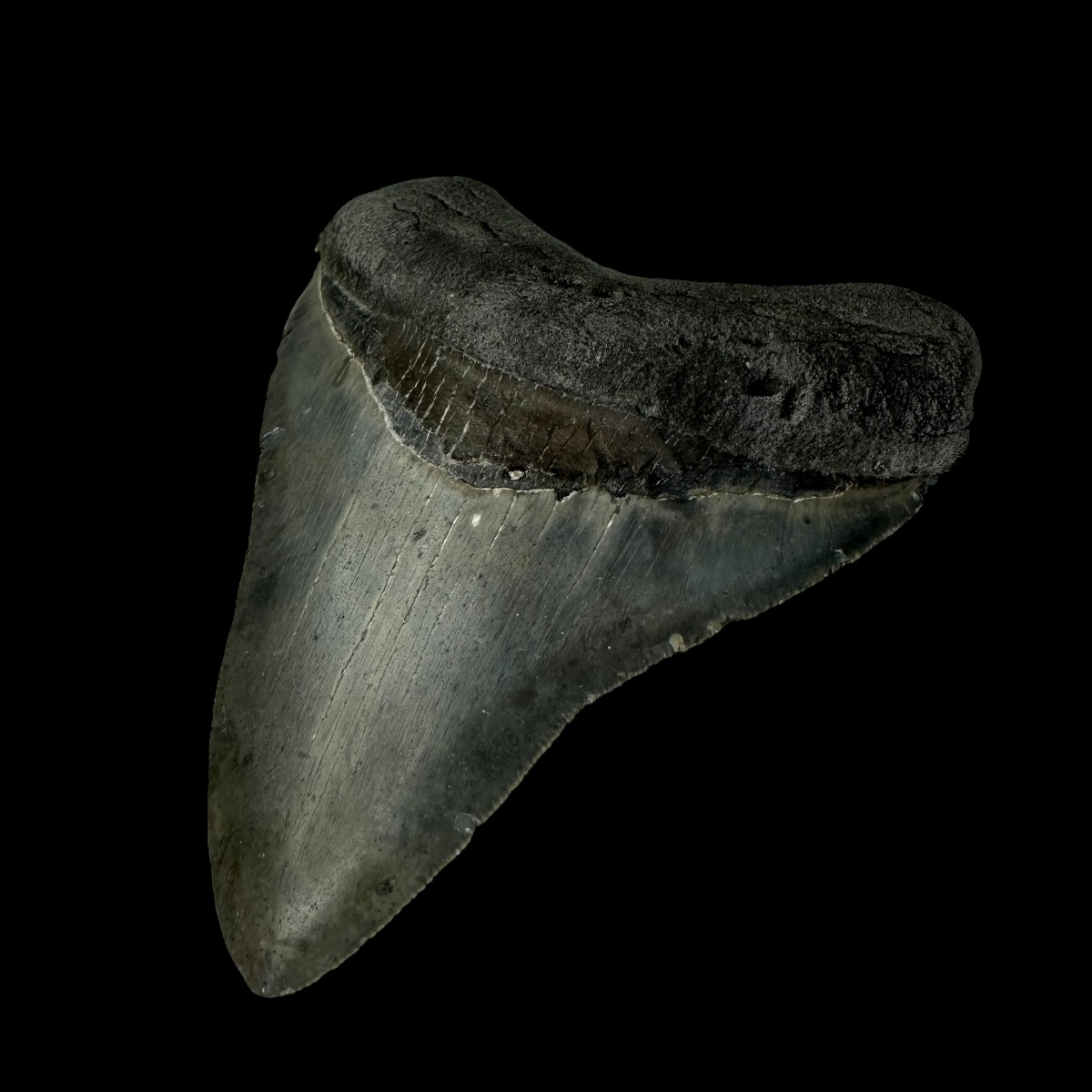
Dark-colored Megalodon teeth are often recovered from phosphate-rich layers. These Megalodon fossil layers formed in areas with high biological activity and slow sediment accumulation. Phosphate preservation enhances fossil durability, which explains why teeth from these layers are often exceptionally well preserved.
Interpreting these sediments helps researchers determine fossil age and identify periods of intense marine productivity.
3. Deep Marine Clay Layers
Some Megalodon fossil layers appear within deep marine clay deposits, indicating quieter, deeper ocean environments. Fossils found here suggest that Megalodon occasionally ventured offshore, possibly following migratory prey.
By interpreting clay layers, scientists gain insight into how Megalodon adapted to different ocean depths and shifting prey distributions.
4. Mixed Faunal Fossil Layers
Certain fossil layers contain Megalodon teeth alongside fossils of whales, dolphins, rays, and smaller sharks. These Megalodon fossil layers provide direct evidence of ancient food webs.
Interpreting mixed faunal layers allows paleontologists to reconstruct entire ecosystems, revealing how Megalodon interacted with other species and maintained its role as an apex predator.
5. Transitional Climate Layers
Some of the most scientifically valuable Megalodon fossil layers correspond to periods of climate change. These layers show reduced fossil abundance and shifts in species diversity.
By interpreting transitional layers, researchers better understand how cooling oceans and changing prey availability may have contributed to Megalodon’s eventual extinction.
Educational Importance of Fossil Layer Interpretation
Interpreting fossil layers is a foundational skill in paleontology. Megalodon fossil layers are frequently used in educational settings to teach students about sedimentation, geological time scales, and environmental change.
Through these layers, learners can visualize how Earth’s history is recorded beneath our feet, layer by layer.
Conclusion
By interpreting Megalodon fossil layers, scientists unlock a detailed record of ancient oceans, climates, and ecosystems. Each layer represents a moment in time, preserving evidence of how Megalodon lived, hunted, and adapted to environmental change.
These fossil layers transform isolated discoveries into a continuous narrative of prehistoric life—one that continues to educate and inspire modern science.
👉 Discover authentic Megalodon fossils and explore Earth’s layered history at The Fossil Exchange.
Expanding the Interpretation of Megalodon Fossil Layers
The process of interpreting Megalodon fossil layers goes far beyond identifying where a fossil was found. Each geological layer represents a specific moment in Earth’s history, shaped by ocean currents, sediment flow, climate conditions, and biological activity. When scientists analyze these layers in detail, they gain a clearer understanding of how prehistoric marine environments changed over time and how Megalodon adapted to those changes.
One key aspect of Megalodon fossil layers is sediment composition. Layers made primarily of sand suggest energetic environments such as coastal zones with strong currents and abundant prey. In contrast, finer sediments like clay and silt indicate calmer waters where organic material accumulated slowly. By interpreting these differences, paleontologists can reconstruct whether Megalodon hunted in dynamic coastal ecosystems or migrated through deeper offshore waters.
Another important factor in interpreting Megalodon fossil layers is fossil concentration. Some layers contain a high density of Megalodon teeth, while others show fewer specimens spread across wider areas. High concentrations may indicate feeding grounds or nursery zones, where juvenile Megalodons developed in safer, shallow waters. This interpretation helps scientists understand Megalodon’s life cycle and reproductive behavior, drawing parallels with modern shark species.
Chemical analysis also plays a growing role in interpreting Megalodon fossil layers. Minerals embedded in surrounding sediments preserve chemical signatures that reveal ancient ocean temperatures and oxygen levels. These data points allow researchers to link specific fossil layers to global climate events, such as warming or cooling periods that influenced marine biodiversity. Through this method, scientists better understand how environmental stressors may have impacted Megalodon populations.
From an educational perspective, Megalodon fossil layers provide a powerful teaching tool. Students learn that fossils do not exist in isolation but are part of a layered geological record. By interpreting these layers, learners grasp essential concepts such as geological time, sedimentation, and environmental change. This layered approach transforms paleontology into a multidisciplinary science that combines geology, biology, and climate studies.
Ultimately, interpreting Megalodon fossil layers allows scientists to move from individual fossil discoveries to a comprehensive understanding of prehistoric oceans. Each layer contributes a chapter to the story of Megalodon’s rise, dominance, and disappearance—offering valuable lessons about adaptation, resilience, and the impact of environmental change on even the most powerful predators.