How to Identify Fake Megalodon Teeth – Shocking 7 Warning Signs for Beginners
How to identify fake Megalodon teeth is a shocking but essential skill for beginners entering the world of fossil collecting. As interest in Megalodon fossils continues to grow, the number of replicas, altered specimens, and misleading restorations has increased dramatically. This guide explains how to identify fake Megalodon teeth by examining physical features, materials, and common manipulation techniques used to deceive new collectors.
How to Identify Fake Megalodon Teeth
Learning how to identify fake Megalodon teeth requires careful observation and a clear understanding of how authentic fossils form. Many fake specimens look convincing at first glance, but subtle details reveal whether a tooth is genuine or artificially created. Recognizing these signs protects both educational value and scientific integrity.
How to Identify Fake Megalodon Teeth by Shape and Symmetry
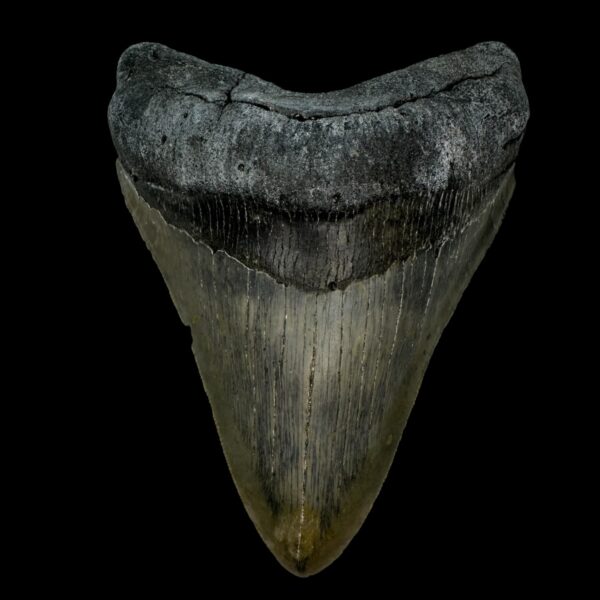
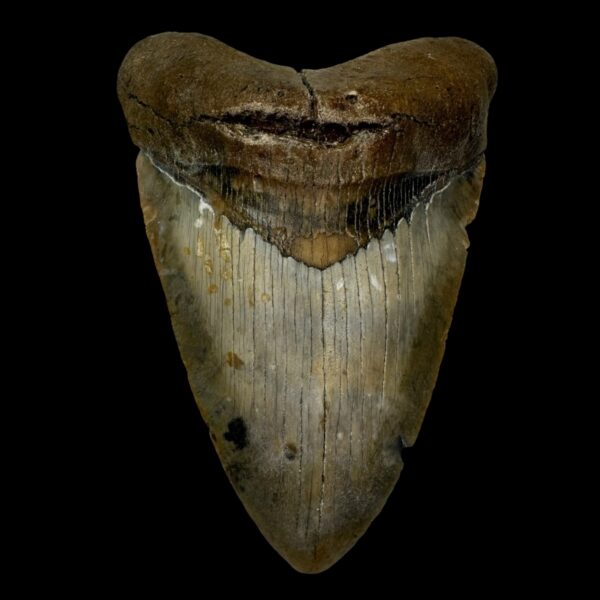
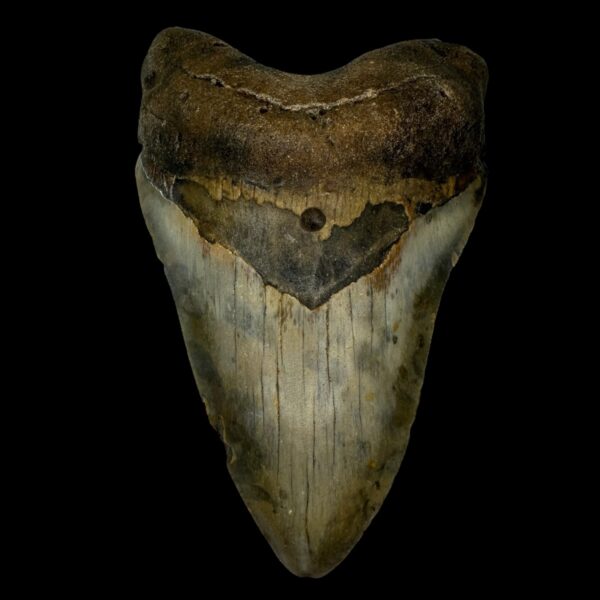
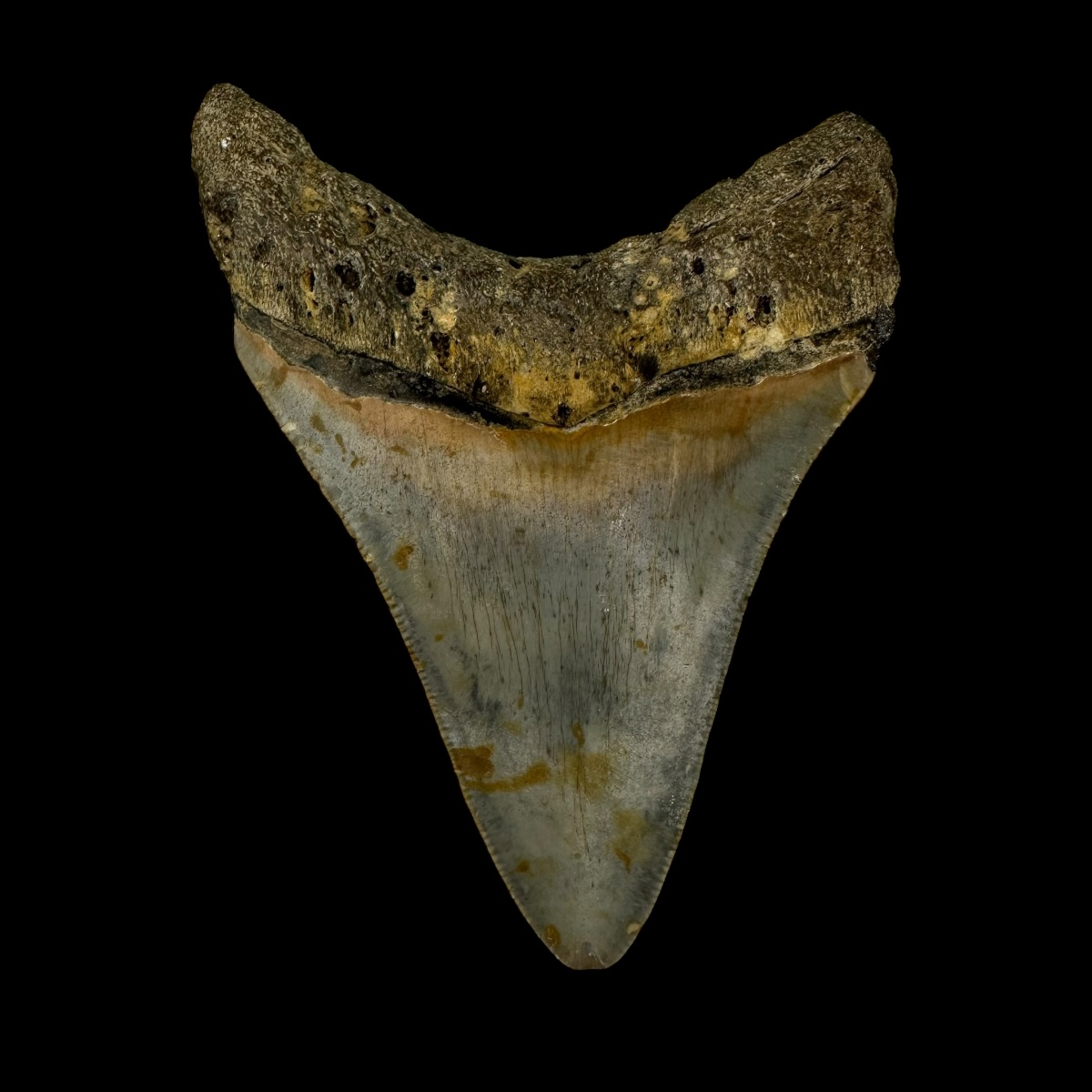
A shocking mistake beginners make is assuming that perfect symmetry means authenticity. Real Megalodon teeth are naturally asymmetrical, with slight curves, uneven edges, and organic imperfections. Fake Megalodon teeth often appear too perfect, overly sharp, or machine-cut. Learning how to identify fake Megalodon teeth starts with understanding that natural fossils rarely look flawless.
How to Identify Fake Megalodon Teeth Through Enamel Texture
Another way to identify fake Megalodon teeth is by examining enamel texture. Authentic fossils show mineral grain, fine pitting, and depth caused by fossilization. Fake teeth may feel smooth, glossy, or plastic-like. Some replicas are coated with resin or polish to create artificial shine, which is a shocking red flag for authenticity.
How to Identify Fake Megalodon Teeth by Serration Analysis
Serrations provide one of the clearest indicators when learning how to identify fake Megalodon teeth. Genuine serrations are slightly worn, uneven, and naturally spaced. Fake or altered teeth often have perfectly uniform serrations or freshly carved edges. In some cases, real fossils are modified to exaggerate serrations, reducing scientific value.
How to Identify Fake Megalodon Teeth Using Weight and Density
Weight is a shocking giveaway. Real Megalodon teeth are heavy because minerals replaced organic material over millions of years. Fake Megalodon teeth made from resin, plaster, or composite materials are significantly lighter. Comparing weight between specimens quickly helps beginners identify fake Megalodon teeth.
How to Identify Fake Megalodon Teeth by Inspecting the Root
The root is often overlooked, yet it is critical when learning how to identify fake Megalodon teeth. Authentic roots are porous, irregular, and show mineral absorption. Fake roots may appear smooth, painted, or unnaturally uniform. Some deceptive specimens combine a real crown with a reconstructed root.
How to Identify Fake Megalodon Teeth by Color Manipulation
Color manipulation is another shocking tactic used to mislead buyers. Authentic fossils display natural color gradients caused by minerals in sediment. Fake Megalodon teeth often show flat, overly dark, or unnaturally consistent coloring. Artificial staining or dye is a common method used to enhance visual appeal.
Understanding how to identify fake Megalodon teeth also means recognizing common beginner mistakes. Many new collectors believe that larger or shinier teeth are always better. In reality, natural wear, chips, and imperfections are signs of authenticity. Teeth that appear flawless may be restored or entirely artificial.
By learning how to identify fake Megalodon teeth, students and collectors develop critical observation skills and a deeper respect for natural history. This shocking knowledge helps protect the fossil market while preserving the educational value of genuine Megalodon teeth.
Another important aspect when learning how to identify fake Megalodon teeth is understanding the role of fossil context. Authentic fossils usually come with information about where they were found, such as offshore beds, river systems, or specific fossil-rich regions. While location alone does not guarantee authenticity, a complete lack of provenance can be a warning sign. Beginners should always ask questions and compare specimens with verified examples whenever possible.
Educational comparison is one of the most effective learning tools. By examining confirmed authentic Megalodon teeth alongside replicas or altered specimens, students quickly begin to recognize differences in texture, weight, mineral patterns, and natural wear. This hands-on approach strengthens observation skills and builds confidence over time.
It is also important to understand that restoration is not always dishonest, but it must be clearly disclosed. Some fossils are stabilized to prevent further damage, while others may have small repairs. Problems arise when restorations are hidden or exaggerated. A shocking number of beginners are misled simply because they were never taught how to look beyond surface appearance.
Ultimately, learning how to identify fake Megalodon teeth is about developing patience and critical thinking. Fossil collecting should be educational, not rushed. By slowing down, asking questions, and studying real examples, students and collectors gain a deeper appreciation for prehistoric life and the geological forces that preserved it.