
Examining 7 Fascinating Methods Used in Shark Tooth Fossil Identification
Introduction
The science of shark tooth fossil identification plays a critical role in understanding prehistoric marine life. Because shark skeletons are made of cartilage, teeth are often the only fossilized remains available to researchers. By carefully examining these teeth, scientists can determine species, age, environment, and even evolutionary relationships that date back millions of years.
In this educational guide, we will explore seven fascinating scientific methods used in shark tooth fossil identification and explain how each technique helps distinguish authentic fossils from modern or misidentified specimens.
1. Examining Tooth Shape and Symmetry
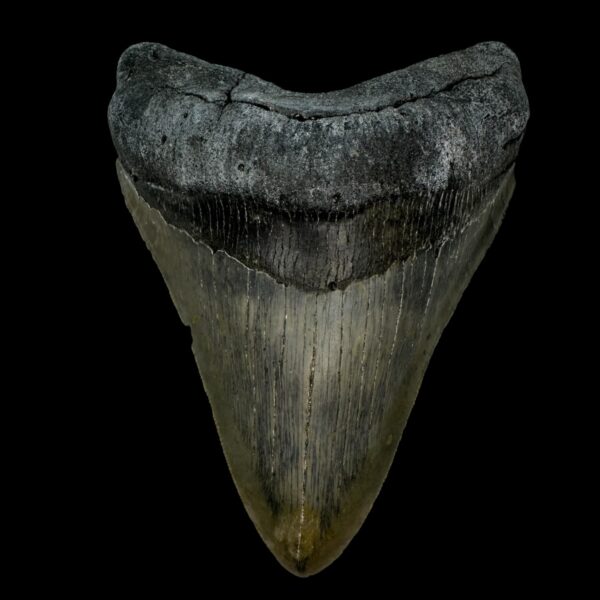
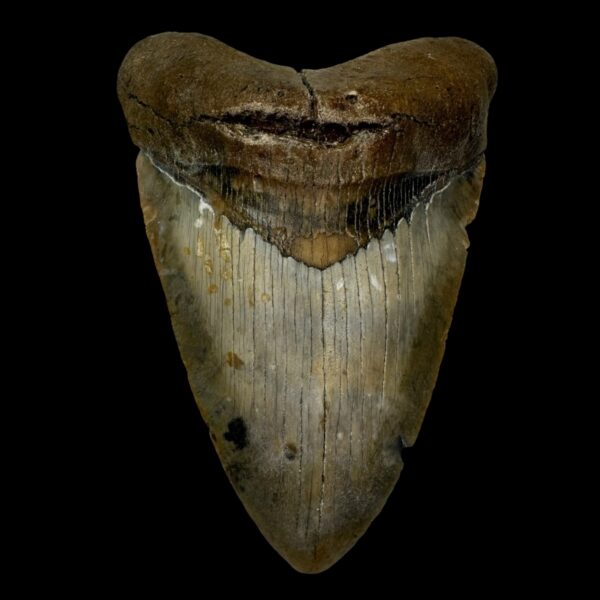
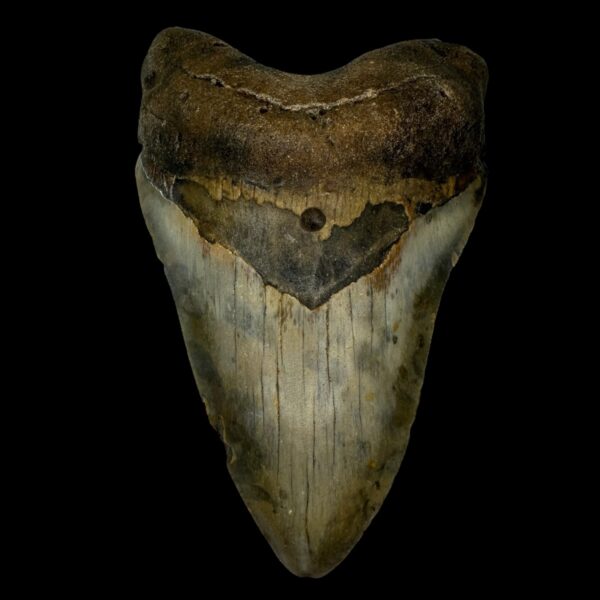
One of the first steps in shark tooth fossil identification is examining the overall shape of the tooth. Different shark species evolved unique tooth profiles depending on their diet and hunting strategies. Some teeth are narrow and pointed for gripping fish, while others are broad and triangular for cutting through larger prey.
By examining symmetry, curvature, and proportions, paleontologists can quickly narrow down possible species.
2. Serration Pattern Analysis
Serrations are a crucial feature in shark tooth fossil identification. Some species have fine, uniform serrations, while others display coarse or uneven edges. The presence, size, and spacing of serrations provide valuable clues about feeding behavior and evolutionary lineage.
Examining serration wear also helps determine whether a tooth is fossilized or modern.
3. Root Structure and Attachment
The root of a shark tooth offers important diagnostic information. In shark tooth fossil identification, scientists examine root thickness, shape, and lobes to confirm species and maturity stage.
Fossilized roots often show mineral replacement and compression that differs from modern shark teeth, making root examination essential for authentication.
4. Enamel Texture and Surface Wear
Another key method in shark tooth fossil identification is examining enamel texture. Fossilized teeth usually have a matte or slightly rough surface due to mineralization, while modern teeth appear glossy.
Microscopic wear patterns also reveal how the tooth interacted with prey and sediment, helping scientists confirm its age and authenticity.
5. Coloration and Mineralization
Color alone does not determine species, but it is vital in shark tooth fossil identification. Fossil teeth absorb minerals from surrounding sediment, resulting in black, gray, brown, or bluish hues.
By examining coloration alongside sediment context, scientists can identify the geological environment in which the tooth fossilized.
6. Stratigraphic Context
No shark tooth fossil identification is complete without considering where the tooth was found. Stratigraphy—the study of sediment layers—helps determine the fossil’s age and environment.
Teeth found within dated fossil layers provide stronger scientific evidence than isolated surface finds, reinforcing accurate identification.
7. Comparative Analysis with Reference Collections
The final step in shark tooth fossil identification involves comparing specimens to verified reference collections housed in museums and research institutions. By examining known samples, scientists confirm subtle features that distinguish similar species.
This comparative method ensures accuracy and supports ongoing research into shark evolution.
Educational Importance of Shark Tooth Fossil Identification
Learning how scientists perform shark tooth fossil identification is essential for students, educators, and fossil enthusiasts. These methods demonstrate how multiple scientific disciplines—biology, geology, and chemistry—work together to uncover prehistoric life.
Examining real fossils transforms abstract scientific principles into tangible learning experiences that inspire curiosity and critical thinking.
Conclusion
Through careful observation and scientific rigor, shark tooth fossil identification allows researchers to reconstruct ancient oceans and understand the evolution of one of Earth’s most successful predators. Each method examined contributes to a more accurate picture of prehistoric marine ecosystems.
By examining shark tooth fossils in detail, we gain valuable insight into Earth’s deep past—and the processes that continue to shape life today.