🦈 How Megalodon Tooth Fossils Help Scientists Understand Prehistoric Oceans
Introduction
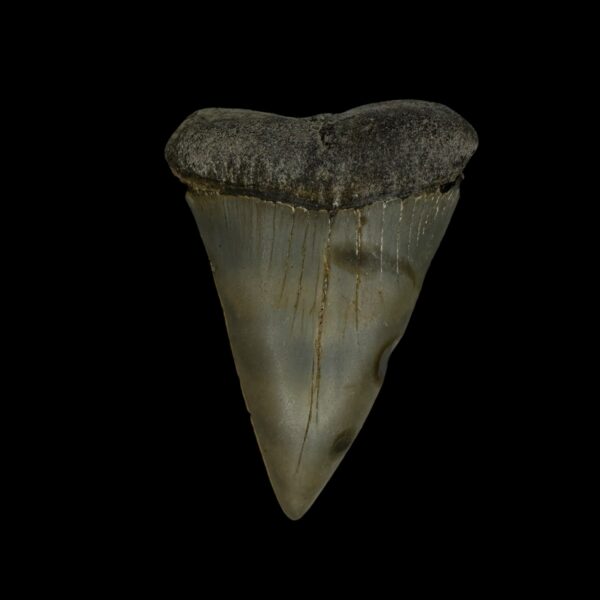
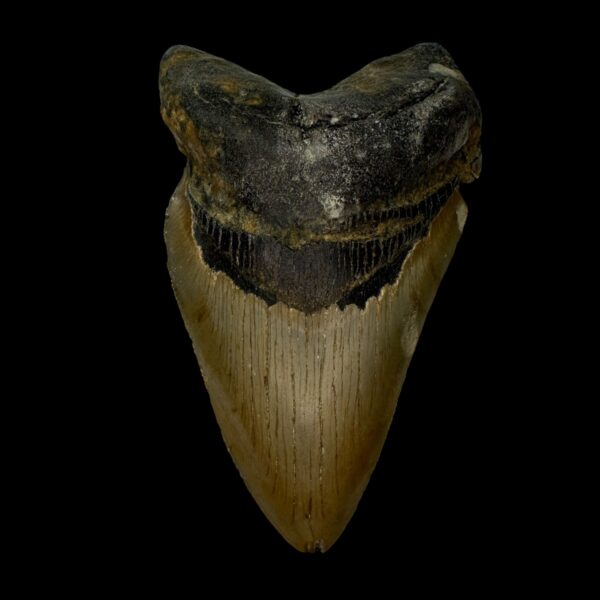
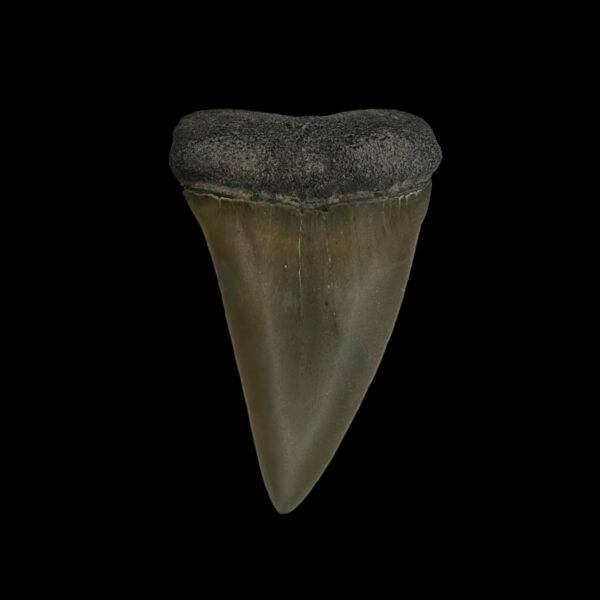
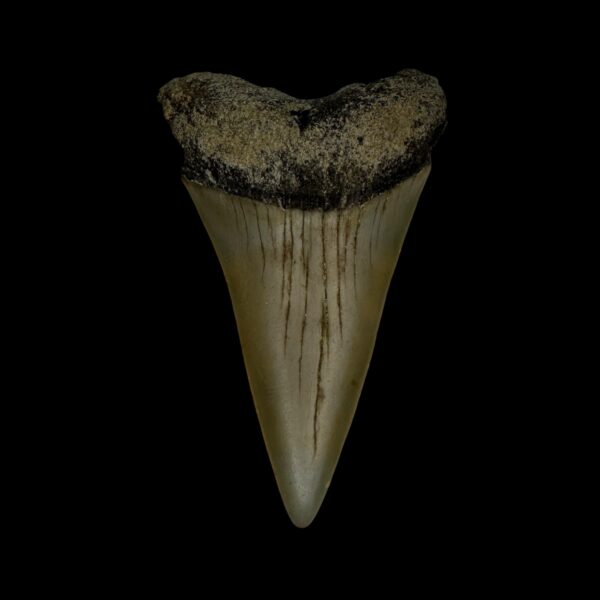
A Megalodon tooth fossil is one of the most fascinating objects that connects us directly with the prehistoric oceans of Earth. Unlike bones, which decay quickly, teeth made of enamel and dentin have survived for millions of years, offering us reliable evidence about the life of the largest shark that ever existed.
This Educational Guide explains how scientists use Megalodon teeth to reconstruct the past. By the end, you will understand not only the biological and geological significance of these fossils but also why they are such powerful tools for teaching, research, and public education.
1. The Megalodon and Its Importance in Prehistoric Oceans
1.1 The Largest Shark Ever Known
The Megalodon (Carcharocles megalodon) lived approximately 23 to 3.6 million years ago. It could reach lengths of more than 50 feet and was the apex predator of its time. Its primary weapon: enormous teeth, often larger than a human hand.
A single Megalodon tooth fossil provides scientists with crucial clues about the size, diet, and power of this giant shark. By studying thousands of teeth, paleontologists have reconstructed how Megalodon dominated prehistoric seas.
1.2 Why Teeth Are the Key to Understanding Megalodon
Unlike land animals, sharks have skeletons made of cartilage, which rarely fossilizes. What we mostly find are teeth. Because sharks continuously shed teeth throughout their lives—sometimes thousands of them—a large fossil record of Megalodon teeth exists.
This abundance of specimens gives scientists enough material to develop accurate research on their biology and ecology.
2. How Megalodon Tooth Fossils Reveal Ancient Diets
2.1 Serrations as Evidence of Hunting
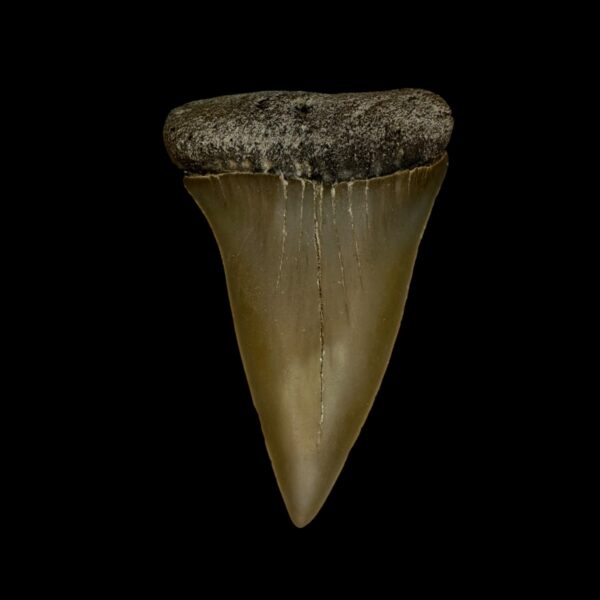
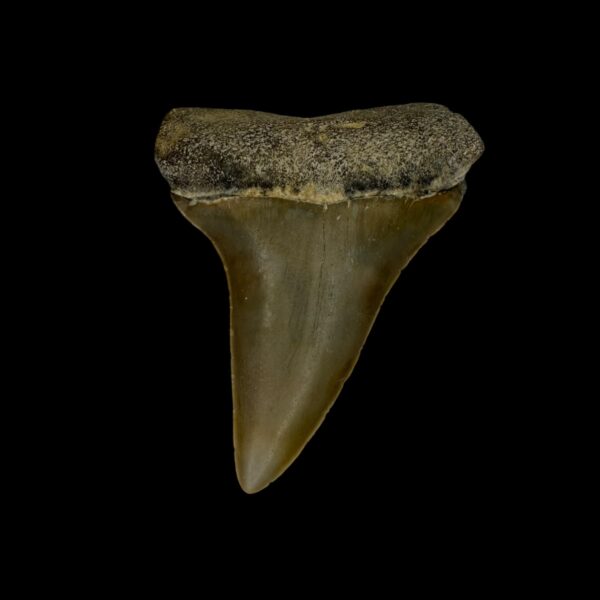
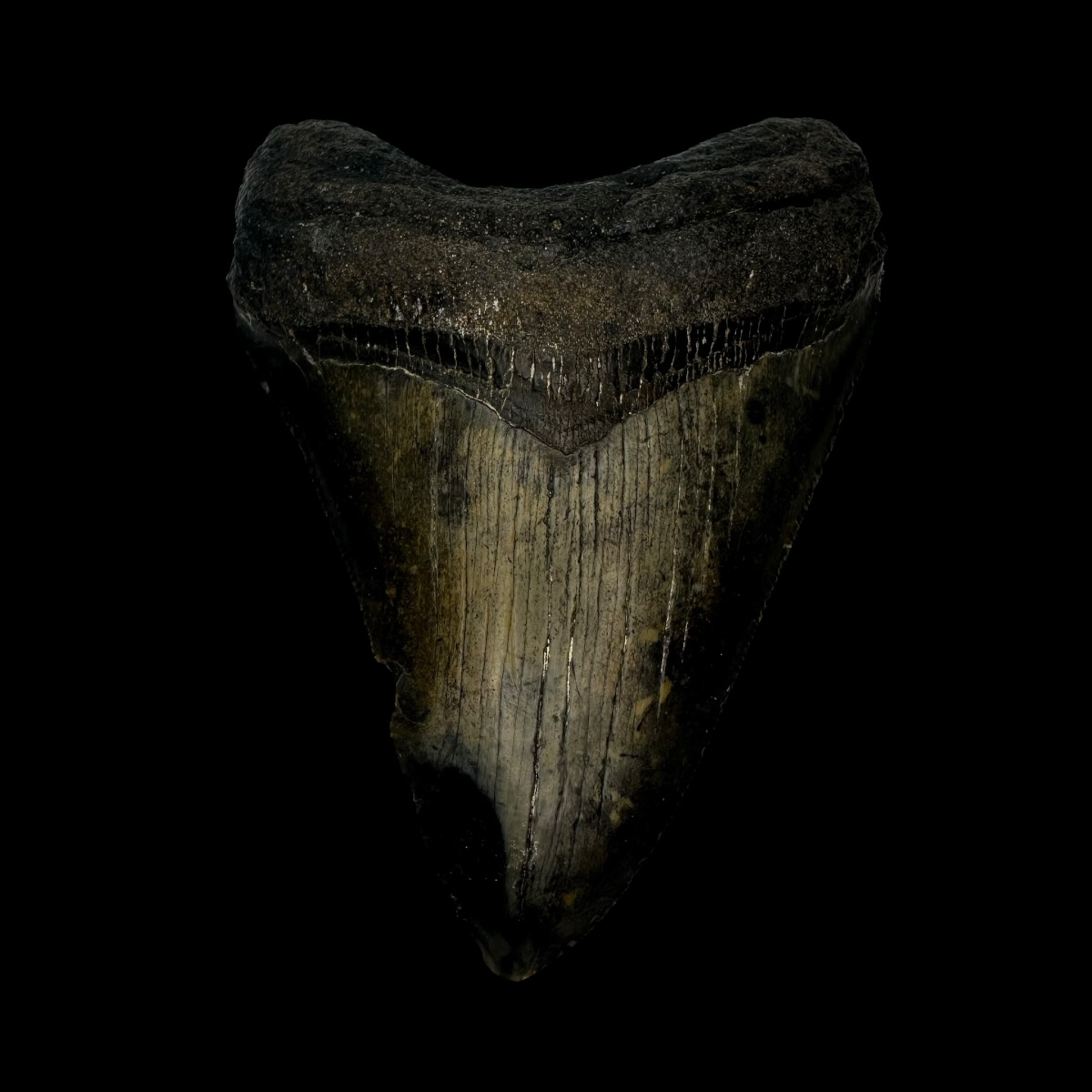
The sharp serrations along the edges of a fossilized Megalodon tooth show us that this predator was designed to hunt whales and other large marine mammals. These serrations acted like saw blades, cutting through bone and blubber with ease.
In fact, paleontologists have discovered whale fossils with clear Megalodon bite marks—evidence of predator-prey interactions frozen in time.
2.2 Wear and Tear as Behavioral Clues
Some fossils display significant wear, suggesting constant use and active hunting. Others are pristine, which may indicate they were shed early. These details tell researchers about Megalodon’s hunting strategies and feeding behaviors.
2.3 Lessons for Students
By analyzing tooth serrations and wear, students learn how scientists draw conclusions from physical evidence. The Megalodon tooth fossil becomes a case study in forensic paleontology—learning to interpret clues left behind millions of years ago.
3. Global Distribution and Migration Patterns
3.1 Fossils Found Worldwide
Megalodon teeth have been recovered on almost every continent, including North and South America, Europe, Asia, and Africa. This broad distribution shows that Megalodon thrived in warm, shallow seas across the globe.
3.2 Climate and Ocean Currents
Because teeth are often found in sediments that formed in warm water, scientists conclude that prehistoric oceans were much warmer than today. This insight helps geologists reconstruct climate patterns during the Miocene and Pliocene epochs.
3.3 Educational Applications
For students studying climate change, Megalodon fossils demonstrate how ocean conditions have shifted dramatically over millions of years. By using these fossils in class, teachers make abstract climate concepts tangible.
4. Evolutionary Insights from Tooth Morphology
4.1 Changes Over Time
Megalodon teeth evolved over millions of years. Early specimens were narrow and curved, while later fossils were broader and more robust. These adaptations reflect the shark’s need to hunt increasingly larger prey.
4.2 Comparison with Modern Sharks
Scientists often compare Megalodon tooth fossils with those of modern great white sharks. The similarities suggest an evolutionary relationship, while the differences highlight how Megalodon was uniquely adapted to dominate its ecosystem.
4.3 Lessons in Evolution
For educational purposes, Megalodon teeth provide an excellent way to teach students about adaptation, natural selection, and predator-prey dynamics. Holding a fossilized tooth allows learners to connect evolutionary theory with real evidence.
5. Geological Clues Hidden in Megalodon Fossils
5.1 Colors and Mineralization
The color of a Megalodon tooth fossil depends on the minerals in the surrounding sediment:
Black or dark gray → phosphate-rich deposits.
Brown or orange → iron-rich layers.
Blue or green → marine clays with unique mineral content.
5.2 Dating Fossils Through Geology
Scientists use stratigraphy (the study of rock layers) to determine the age of fossils. By identifying which geological formations contain Megalodon teeth, paleontologists can place them in precise timeframes.
5.3 Why This Matters for Education
By examining colors and minerals, students learn how chemistry, geology, and biology combine in fossil science. This interdisciplinary approach enriches Earth science classes.
6. How Scientists Date Megalodon Tooth Fossils
6.1 Radiometric Techniques
In some cases, scientists use radiometric methods, like Uranium-series dating, to determine the age of sediments around fossils. These methods provide numerical ages that align with stratigraphic data.
6.2 Relative Dating
When radiometric data isn’t available, relative dating through comparison with other fossils (such as mollusks or microfossils) is used.
6.3 Lessons for Students
Explaining dating methods through a Megalodon tooth fossil helps students grasp how scientists build geological timelines. It transforms abstract dating techniques into something concrete and relatable.
7. The Role of Museums and Public Education
7.1 Exhibits That Inspire
Museums worldwide feature Megalodon teeth as centerpieces. Their sheer size captures public imagination, while interpretive panels explain the science behind the fossils.
7.2 Educational Programs
Some museums let visitors handle replicas of Megalodon teeth, providing tactile learning experiences. This engages children and adults alike in hands-on science education.
7.3 Online Resources
Digital 3D models of teeth now allow students anywhere to study specimens virtually. This democratizes access to fossils that were once only available in specialized collections.
8. The Cultural and Scientific Impact of Megalodon Fossils
8.1 Pop Culture Influence
Megalodon has appeared in books, movies, and documentaries. While often exaggerated, these portrayals increase public interest in paleontology.
8.2 Scientific Outreach
Researchers often use the appeal of the Megalodon tooth fossil to attract attention to broader issues like marine conservation and climate change.
8.3 Educational Legacy
From classrooms to popular media, these fossils continue to serve as educational bridges between science and society.
9. Fascinating Facts for Students and Educators
Megalodon’s bite force exceeded 40,000 pounds, stronger than any animal alive today.
A single shark could lose and replace 20,000 teeth in its lifetime.
The largest Megalodon tooth fossil found measures over 7 inches.
Fossils have been discovered on every continent except Antarctica.
Megalodon’s extinction about 3.6 million years ago may have been linked to ocean cooling.
Unlike modern sharks, Megalodon’s massive size required enormous quantities of food daily.
Collectors prize well-preserved specimens for both their beauty and scientific value.
10. Responsible Collecting and Ethics
10.1 Legal Aspects
Not all regions permit fossil collecting. Many countries protect fossils as national heritage. Collectors and educators must respect these regulations.
10.2 Sustainable Practices
Responsible fossil collection ensures that specimens remain available for study and education. Many divers now collaborate with scientists to share findings.
10.3 Educational Alternatives
Even if students cannot collect fossils themselves, they can study authentic specimens through museums, replica programs, and online databases.
Conclusion
A Megalodon tooth fossil is more than a piece of ancient history—it’s an educational gateway into Earth’s prehistoric oceans. From revealing diet and migration to serving as museum icons and teaching tools, these fossils provide invaluable lessons for science and society.
By studying them, we not only learn about the largest shark that ever lived but also about the changing oceans that shaped its world. In classrooms, museums, and collections, these fossils continue to inspire curiosity, understanding, and respect for Earth’s natural history.
👉 Explore authentic specimens in our Megalodon Tooth Shop to connect with the prehistoric past in a responsible and educational way.