
Introduction
The study of fossils allows scientists to reconstruct the biology of creatures that lived millions of years ago. Among the most valuable remains ever discovered are Megalodon tooth fossils, which provide essential evidence for understanding how this massive predator hunted, fed, and evolved. By decoding the anatomy of these teeth, researchers can gain insights into Megalodon’s behavior, ecological role, and dominance in prehistoric oceans.
This educational guide focuses on six fascinating anatomical details found in Megalodon teeth and explains how each feature contributes to a deeper scientific understanding of this iconic prehistoric shark.
1. Tooth Size as Evidence of Feeding Power
One of the most striking anatomical features revealed when decoding Megalodon tooth anatomy is size. Megalodon teeth could exceed seven inches in length, making them the largest shark teeth ever recorded. This extraordinary size indicates an immense bite force, allowing Megalodon to prey on large marine mammals such as whales.
The sheer scale of these teeth helps scientists estimate jaw strength and body size, providing crucial data for reconstructing Megalodon’s physical capabilities and ecological impact.
2. Serrations Designed for Cutting Flesh and Bone
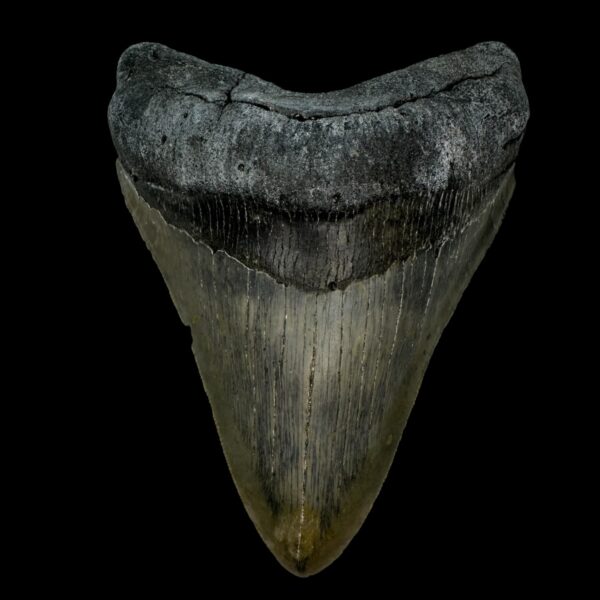
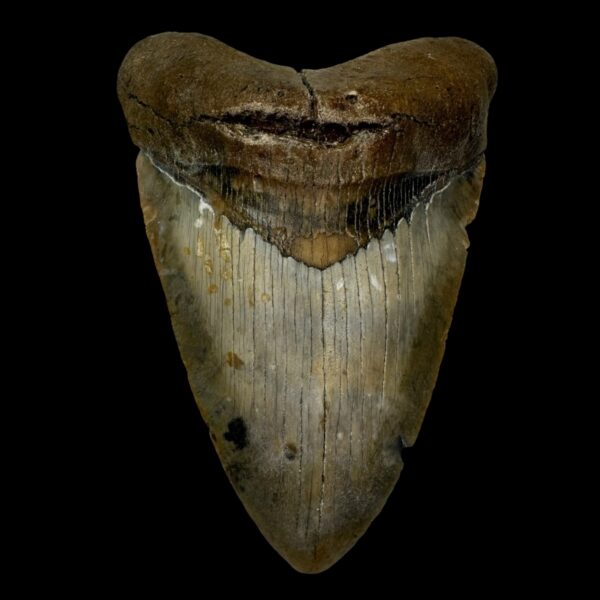
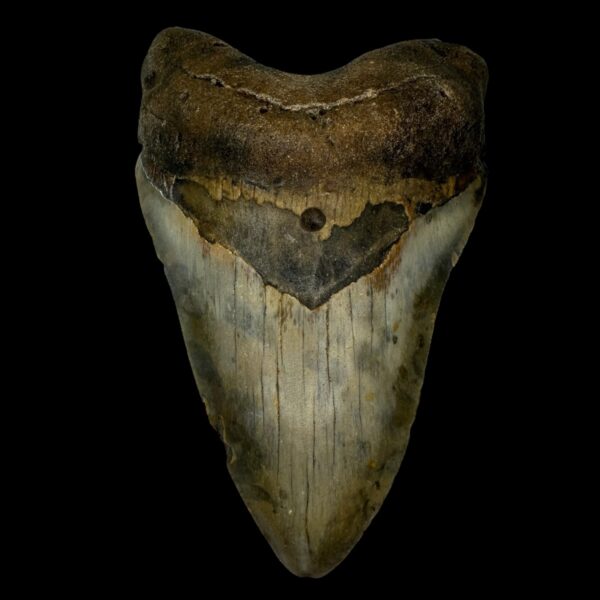
A closer look at Megalodon teeth reveals finely serrated edges. When decoding these serrations, paleontologists observe patterns specifically adapted for slicing through thick blubber and bone. Unlike smoother shark teeth designed for gripping fish, Megalodon’s serrations functioned like biological saw blades.
These serrations confirm Megalodon’s role as an apex predator and offer insight into its hunting strategy, which relied on powerful, damaging bites rather than prolonged pursuit.
3. Enamel Thickness and Durability
The enamel of Megalodon teeth is exceptionally thick and dense. This feature plays a major role in fossil preservation and allows scientists to continue decoding Megalodon tooth anatomy millions of years later. Thick enamel prevented excessive wear during feeding and protected the tooth structure under extreme pressure.
From an educational perspective, enamel thickness also helps distinguish authentic Megalodon teeth from those of other shark species, making anatomy a critical factor in fossil identification.
4. Root Structure and Tooth Stability
Another important detail in Megalodon tooth anatomy is the massive root. When decoding the root structure, researchers find that it provided strong anchoring within the jaw, supporting the enormous forces generated during feeding.
This anatomical adaptation reduced the risk of tooth breakage and allowed Megalodon to repeatedly attack large prey. The root structure also contributes to identifying complete and well-preserved fossil specimens.
5. Tooth Shape and Functional Design
Megalodon teeth typically have a broad, triangular shape with symmetrical edges. By decoding this shape, scientists understand that Megalodon was a generalist predator capable of consuming a wide range of large prey.
Unlike modern sharks that evolved specialized tooth shapes for specific diets, Megalodon’s uniform tooth design reflects a feeding strategy focused on dominance and versatility within prehistoric marine ecosystems.
6. Anatomy as an Evolutionary Record
Every Megalodon tooth acts as a biological record of evolution. Subtle changes in tooth shape, serration density, and enamel structure across fossil layers allow scientists to track evolutionary adaptations over time. By decoding Megalodon tooth anatomy, researchers connect physical traits to environmental changes, prey availability, and competition.
This evolutionary perspective makes Megalodon teeth invaluable tools for teaching concepts such as natural selection, adaptation, and extinction.
Educational Value of Studying Tooth Anatomy
For students, educators, and fossil enthusiasts, Megalodon tooth anatomy provides a tangible way to learn about prehistoric life. Examining real fossils helps learners visualize how anatomy reflects function and environment. Museums and classrooms use these teeth to demonstrate how physical traits evolve in response to ecological pressures.
Through anatomy, abstract scientific concepts become accessible, engaging, and grounded in real evidence.
Conclusion
By decoding Megalodon tooth anatomy, scientists unlock vital information about one of the most powerful predators in Earth’s history. From serrations and enamel thickness to root stability and shape, each anatomical detail contributes to a clearer understanding of Megalodon’s biology and its role in ancient oceans.
These fossils are more than collectibles—they are educational tools that continue to expand our knowledge of evolution, marine ecosystems, and the forces that shape life on our planet.
👉 Explore authentic Megalodon tooth fossils at The Fossil Exchange and experience firsthand how anatomy helps decode prehistoric history.