Analyzing 6 Fascinating Prehistoric Marine Ecosystems Through Fossil Evidence
Introduction
Understanding how life evolved in the oceans requires more than studying individual fossils—it requires analyzing prehistoric marine ecosystems as interconnected systems. Fossil evidence allows scientists to reconstruct entire environments, revealing how ancient species interacted, adapted, and responded to climate change over millions of years.
By analyzing fossils found in marine sediments, researchers gain insight into biodiversity, food chains, and environmental conditions that shaped prehistoric oceans. In this educational blog, we explore six fascinating prehistoric marine ecosystems and explain how fossil evidence helps scientists understand their structure and evolution.
1. Shallow Coastal Ecosystems
One of the most studied prehistoric marine ecosystems is the shallow coastal environment. Fossils from these regions include shark teeth, mollusks, rays, and marine mammals. By analyzing prehistoric marine ecosystems preserved in coastal sediments, scientists determine that these areas were rich in nutrients and served as feeding and breeding grounds for many species.
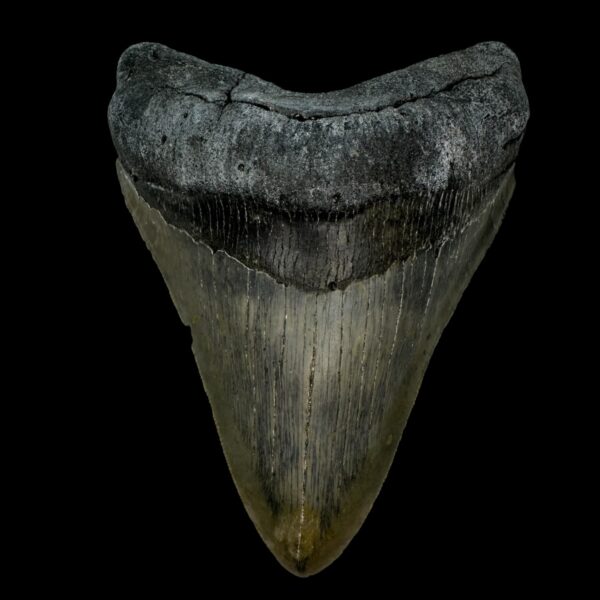
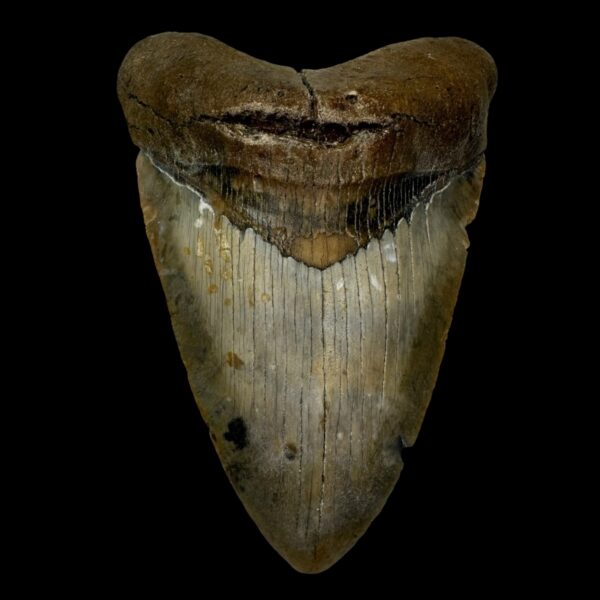
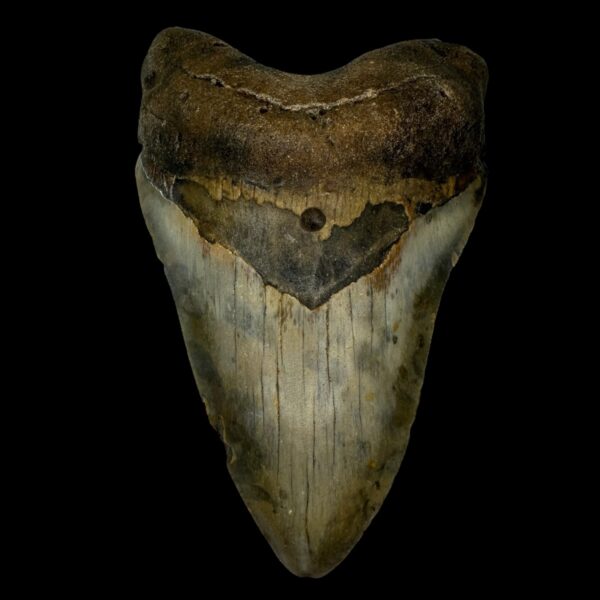
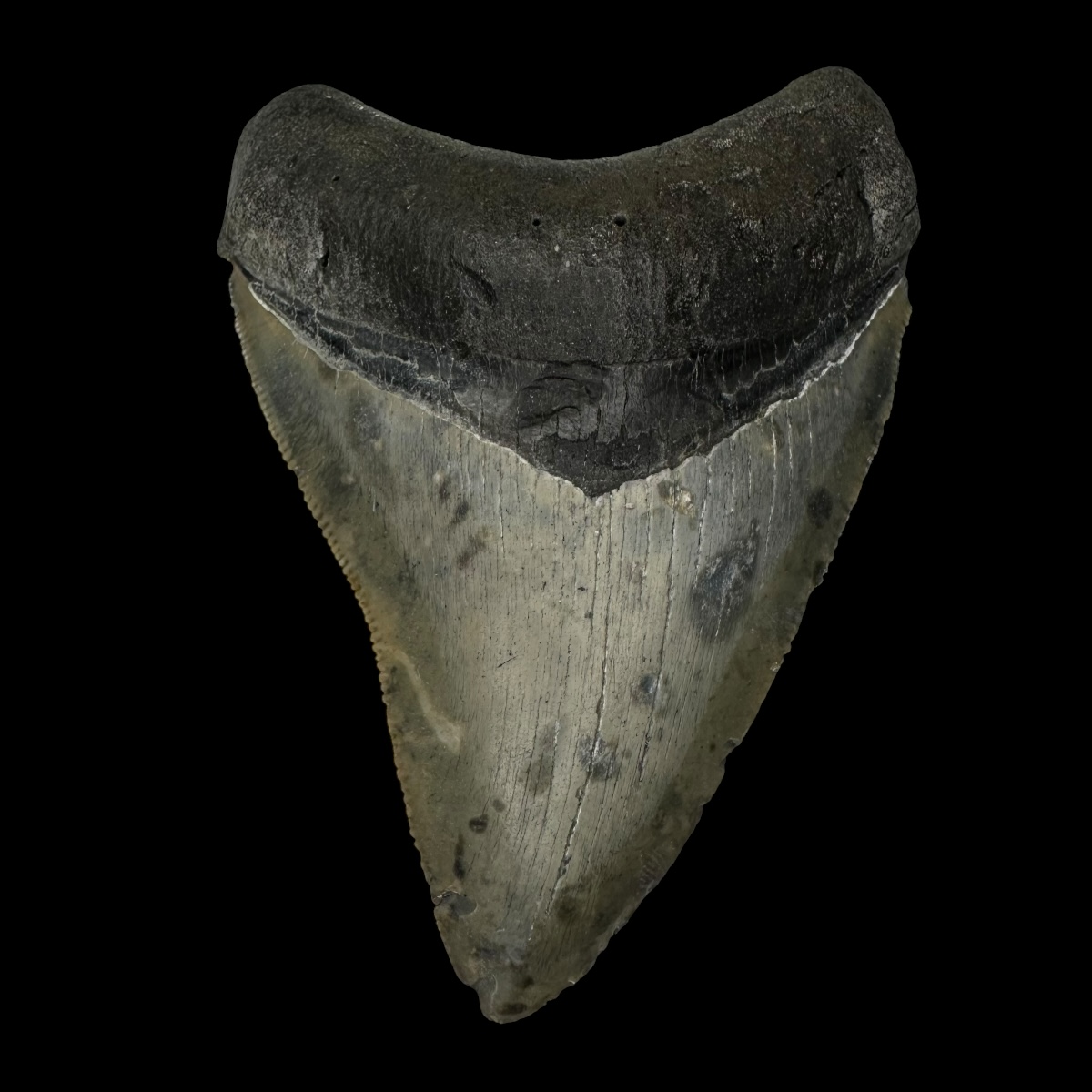
Shallow ecosystems supported apex predators like Megalodon, whose fossilized teeth are often found alongside whale and dolphin remains.
2. Open Ocean Ecosystems
Fossil evidence from deep-sea sediments reveals open ocean ecosystems dominated by large migratory species. By analyzing prehistoric marine ecosystems in these layers, scientists identify plankton fossils, fish remains, and shark teeth that indicate long-distance migration patterns.
These ecosystems depended heavily on ocean currents and temperature stability, making them sensitive to climate fluctuations.
3. Reef-Based Marine Ecosystems
Ancient reef systems supported some of the most biodiverse prehistoric marine ecosystems. Fossils of corals, crustaceans, and small fish demonstrate complex food webs. Analyzing fossil reefs helps scientists understand how reefs functioned as protective habitats and feeding zones.
Reef-associated fossils show how predators adapted to hunt within structurally complex environments.
4. Cold-Water Marine Ecosystems
Not all prehistoric oceans were warm. Fossil layers found in higher latitudes reveal cold-water marine ecosystems populated by specialized species. By analyzing prehistoric marine ecosystems in these regions, scientists discover adaptations such as thicker body structures and slower metabolic rates.
The expansion of cold-water ecosystems is believed to have influenced the decline of warm-water predators like Megalodon.
5. Transitional Ecosystems During Climate Change
Some of the most valuable fossil evidence comes from transitional periods. By analyzing prehistoric marine ecosystems during warming or cooling events, scientists observe changes in species diversity and population size.
These transitions help explain extinction events and evolutionary pressures that forced species to adapt or disappear.
6. Apex Predator–Driven Ecosystems
Apex predators played a critical role in shaping prehistoric marine ecosystems. Fossil evidence of bite marks, prey distribution, and tooth wear reveals how predators regulated population balance.
By analyzing these ecosystems, scientists learn how removing or introducing apex predators can dramatically alter marine environments—a lesson still relevant in modern conservation.
Educational Value of Ecosystem Analysis
Analyzing prehistoric marine ecosystems helps students understand ecology as a dynamic system rather than isolated facts. Fossils provide tangible evidence of interaction, adaptation, and environmental change.
In classrooms and museums, these ecosystems are used to teach concepts such as food webs, climate influence, and evolutionary biology.
Conclusion
By analyzing prehistoric marine ecosystems through fossil evidence, scientists reconstruct a detailed picture of life beneath ancient seas. Each ecosystem reveals how species interacted, adapted, and responded to environmental pressures over time.
These insights not only deepen our understanding of Earth’s past but also help predict how modern marine ecosystems may respond to future climate challenges.
Expanding the Analysis of Prehistoric Marine Ecosystems
When scientists continue analyzing prehistoric marine ecosystems, they rely on more than visible fossils. Microscopic evidence such as plankton remains, coral fragments, and sediment composition plays a crucial role in reconstructing ancient ocean environments. These microfossils help determine nutrient availability, water temperature, and oxygen levels that supported marine life millions of years ago.
By analyzing prehistoric marine ecosystems at both macro and micro levels, researchers can identify how energy flowed through ancient food webs. Plankton formed the foundation of many ecosystems, supporting small fish, which in turn fed larger predators. Fossil records reveal how disruptions at the base of this chain—often caused by climate shifts—led to cascading effects throughout the ecosystem.
Another key aspect of analyzing prehistoric marine ecosystems involves studying fossil distribution across different geological regions. Similar species found in distant locations indicate that ancient oceans were once connected by warm currents and open migration routes. This evidence helps scientists reconstruct continental drift and understand how ocean circulation influenced species diversity and survival.
Modern technology has significantly advanced the process of analyzing prehistoric marine ecosystems. Tools such as isotope geochemistry, 3D fossil scanning, and computer-based ecological modeling allow scientists to simulate ancient environments with greater accuracy. These techniques reveal how temperature changes, sea-level fluctuations, and prey availability affected ecosystem stability over time.
From an educational perspective, analyzing prehistoric marine ecosystems encourages interdisciplinary learning. Students studying these ecosystems combine concepts from geology, biology, chemistry, and environmental science. Fossils become more than static objects—they serve as data points that help explain how Earth functions as an interconnected system.
Perhaps most importantly, analyzing prehistoric marine ecosystems provides lessons relevant to the present day. The fossil record shows that ecosystems are highly sensitive to environmental change. Species that failed to adapt to rapid shifts in temperature or food availability disappeared, while others evolved new survival strategies. These patterns mirror challenges facing modern oceans, making prehistoric analysis a valuable tool for conservation science.
Ultimately, every fossil contributes to a broader understanding of how marine ecosystems functioned long before humans existed. By continuing analyzing prehistoric marine ecosystems, scientists not only uncover Earth’s ancient history but also gain insights that help protect the future of marine life.