How Megalodon Teeth Fossilize: The Complete Explanation for Fossil Fascinating
How Megalodon teeth fossilize Fascinating is one of the most fascinating transformations in the natural world. A tooth that once belonged to the largest shark in history ends up preserved for millions of years through an extraordinary geological process. Understanding how Megalodon teeth fossilize helps collectors verify authenticity, evaluate fossil quality, and appreciate the science behind every specimen. This guide explains in detail how Megalodon teeth fossilize from the moment they fall from the shark’s mouth to the moment they are uncovered by erosion.
How Megalodon Teeth Fossilize Begins With Fascinating
The first step in how Megalodon teeth fossilize starts immediately Fascinating after the shark sheds a tooth. Megalodon shed thousands of teeth during their lifetime, but only a small percentage ever fossilize. For fossilization to begin, the tooth must be quickly buried under sand, mud, clay, or sediment.
Rapid burial protects the tooth from:
Decomposition
Scavenging organisms
Oxygen exposure
Physical damage from currents
Without rapid and deep burial, how Megalodon teeth fossilize Fascinatingwould never progress. The tooth would simply decay.
Sediment Compaction Plays a Major Role in How Megalodon Teeth Fossilize
Once buried, sediment begins to accumulate above the tooth. This creates pressure, which is a crucial part of how Megalodon teeth fossilize.
As pressure builds:
Oxygen is removed
Microbial activity decreases
The structure of the tooth is preserved
Groundwater begins to circulate
These conditions set the stage for mineral replacement, the core mechanism behind how Megalodon teeth fossilize.
Mineral Replacement Is the Heart of How Fascinating Megalodon Teeth Fossilize
Mineral replacement is the defining stage in how Megalodon teeth fossilize. Groundwater rich in dissolved minerals flows through the sediment and slowly replaces the organic material inside the tooth.
Common minerals involved include:
Phosphate
Silica
Iron oxide
Manganese
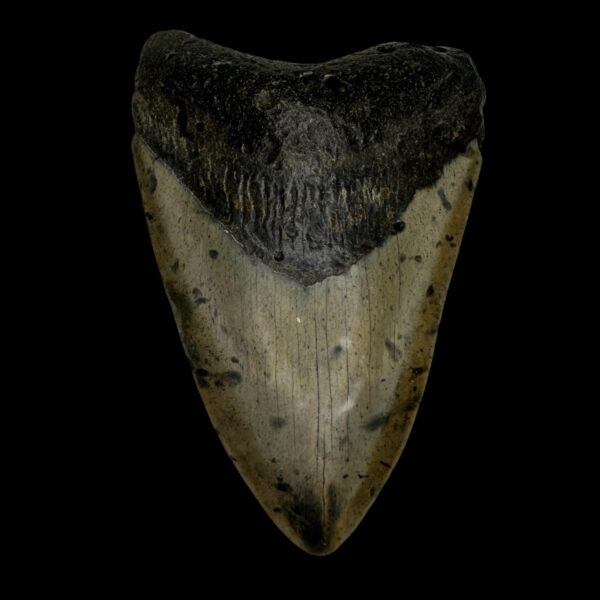
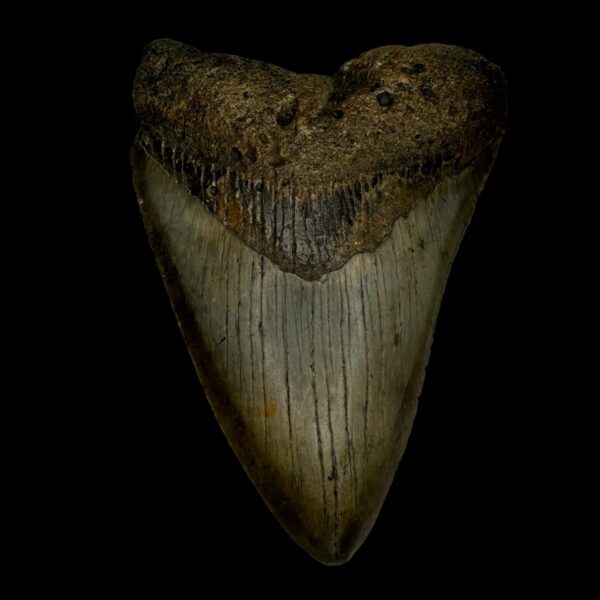
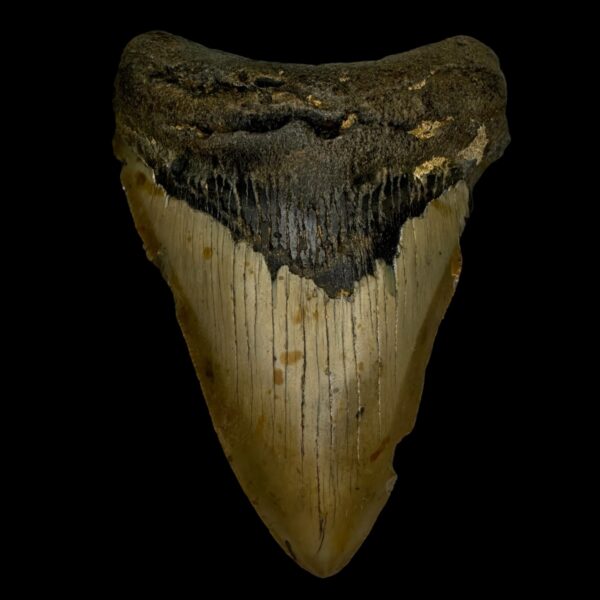
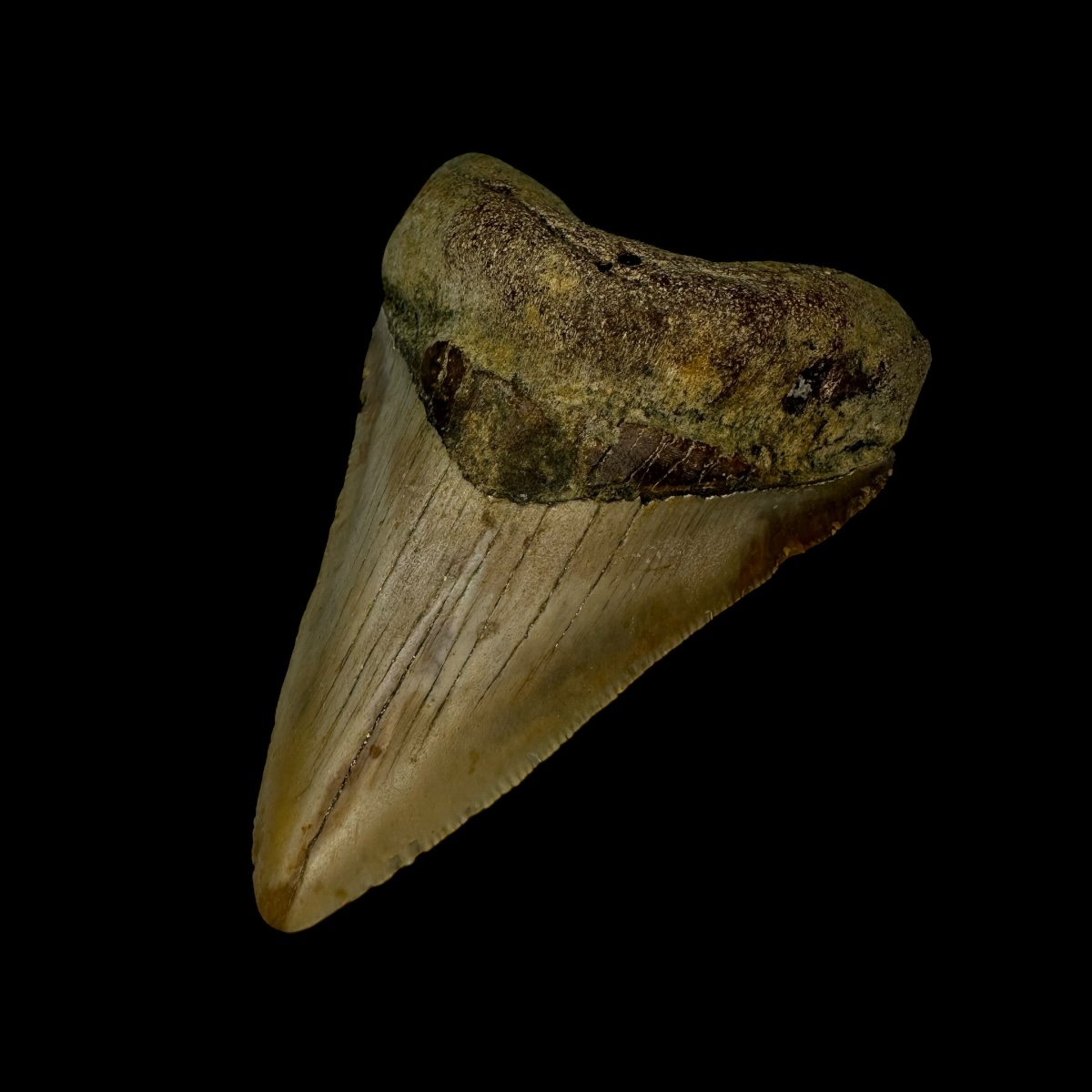
This explains why authentic Megalodon teeth vary so widely in color. Mineral replacement is the scientific foundation of how Megalodon teeth fossilize and what transforms a tooth from biological material into stone.
How Megalodon Teeth Fossilize Through Natural Color Formation
Coloration is another major component of how Megalodon teeth fossilize Fascinating. Different sediments contain different minerals that create distinct fossil colors.
For example:
Phosphate → black or dark gray
Iron oxide → orange, red, or tan
Manganese → blue or green hues
Silica → light gray tones
Understanding these mineral patterns provides important clues about how Megalodon teeth fossilize in different locations.
Water Movement Helps Shape How Megalodon Teeth Fossilize
As sediments shift over time, water plays a role in how Megalodon teeth fossilize Fascinating. Water currents may:
Polish enamel
Smooth serrations
Erode roots
Add micro-scratches
These natural wear patterns help identify where a tooth fossilized and reveal more about how Megalodon teeth fossilize in rivers vs. oceans.
Lithification Locks the Fossil in Stone and Completes How Megalodon Teeth Fossilize
Lithification is the process where sediments harden into rock. This is one of the final stages of how Megalodon teeth fossilize.
During lithification:
Sediment compacts tightly
Minerals crystallize
The tooth becomes encased
Fossil structure stabilizes
This rock-hard encasement protects the fossil for millions of years.
Erosion Reveals the Fossil After How Megalodon Teeth Fossilize Is Complete
Fascinating Once the full sequence of how Megalodon teeth fossilize is complete, erosion eventually exposes the tooth.
Common erosion sources include:
Riverbed shifting
Coastal erosion
Storm activity
Underwater landslides
This exposure is how divers, collectors, and researchers discover Megalodon teeth today.
Why Understanding How Megalodon Teeth Fossilize Matters Fascinating
Studying how Megalodon teeth fossilize benefits:
Collectors
Students
Paleontology enthusiasts
Fossil investors
It helps identify authenticity, understand coloration, evaluate mineralization, and distinguish natural fossils from replicas.
Common Misconceptions About How Megalodon Teeth Fossilize
Many beginners misunderstand how Megalodon teeth fossilize, leading to incorrect conclusions.
Clarifications:
Black teeth are not “dyed”—they reflect phosphate fossilization.
Smooth enamel does not always mean restored—river fossils polish naturally.
Feeding damage is normal and often increases scientific value.
Learning how Megalodon teeth fossilize clears up these myths Fascinating.
Final Summary of How Megalodon Teeth Fossilize
To summarize, how Megalodon teeth fossilize involves:
Rapid burial
Sediment compaction
Mineral replacement
Color formation
Water-driven shaping
Lithification
Erosion exposure
Each stage contributes to transforming a Megalodon tooth into the iconic fossil collectors treasure today.