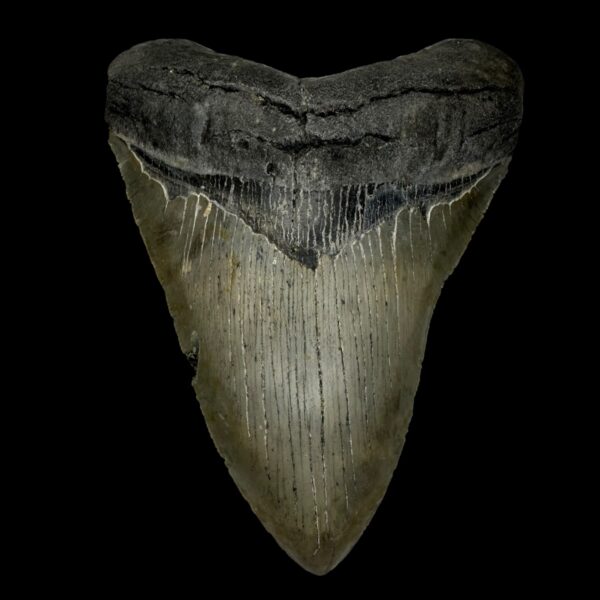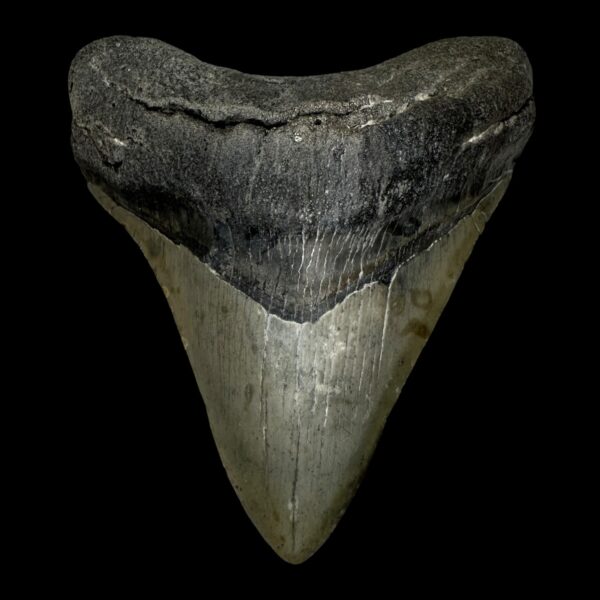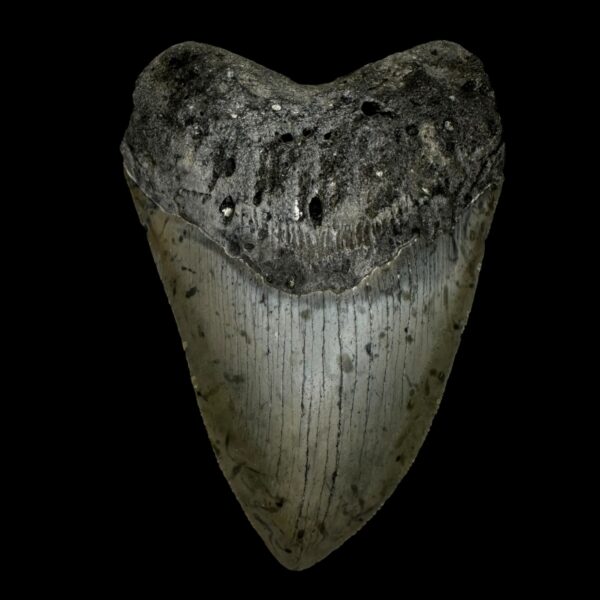
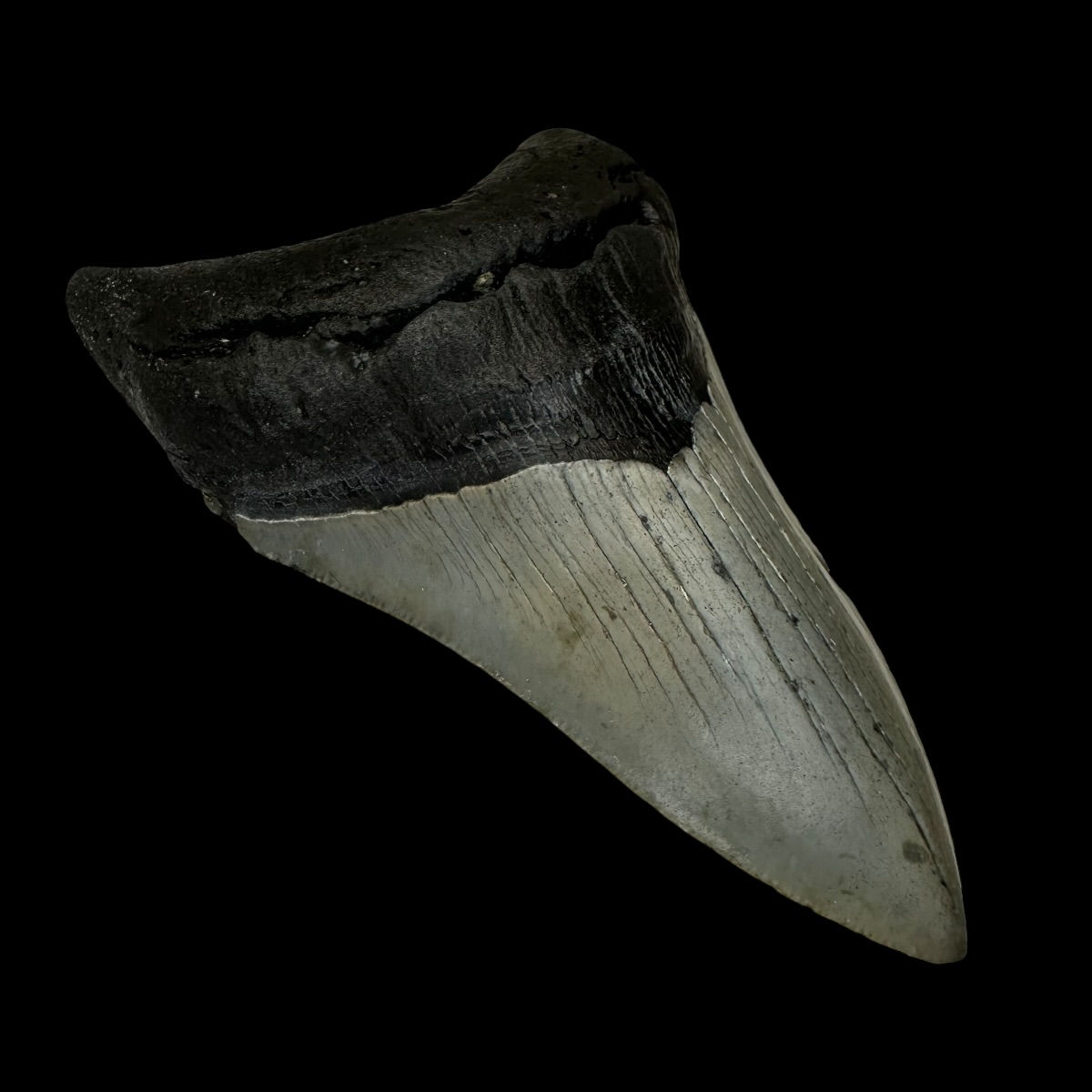
4.52″ Serrated Megalodon Tooth Fossil: Rare Collector Treasure
Why the 4.52″ Serrated Megalodon Tooth Fossil Is a Rare Collector Treasure
The 4.52″ Serrated Megalodon Tooth Fossil represents one of the most desirable size categories in the collector market. Sitting firmly in the premium 4–5 inch range, this specimen offers impressive display presence, strong serration detail, and excellent long-term value potential.Collectors consistently seek out teeth in this size bracket because they balance rarity, affordability, and visual impact.How Large Is a 4.52″ Serrated Megalodon Tooth Fossil?
Most Megalodon teeth recovered worldwide measure between 3 and 4 inches. clearly exceeds average finds and falls into the premium collector range.| Tooth Size | Collector Category | Market Demand |
|---|---|---|
| 3 inches | Common | Moderate |
| 4 inches | Above Average | Strong |
| 4.52 inches | Premium Collector Range | High |
| 5+ inches | Rare Premium | Very High |
What Makes the Serrations So Valuable?
Serrations are one of the most important value indicators in a Megalodon fossil. The 4.52″ Serrated Megalodon Tooth Fossil features visible, well-preserved edges that demonstrate natural feeding functionality and authenticity.- Sharp, intact serrations increase desirability
- Uniform edge spacing signals strong preservation
- Minimal erosion significantly boosts collector demand
What Shark Size Does a 4.52-Inch Tooth Represent?
Based on paleontological scaling models, Serrated Megalodon Tooth Fossil likely came from a shark measuring approximately 45 to 50 feet long.For more insights on size estimation, read our related guide: Is a 4.5 Inch Megalodon Tooth Large? Proven Expert Size Breakdown.Investment Potential of a 4.52″ Serrated Megalodon Tooth Fossil
The 4–5 inch category remains one of the strongest demand brackets in the fossil market. Al offers:- Premium display impact
- Strong resale potential
- High collector demand
- Better accessibility than ultra-rare 6+ inch specimens
Common Buying Mistakes
- Confusing repaired serrations with natural preservation
- Overpaying based solely on size
- Ignoring root integrity and blade symmetry
Care Tips for Long-Term Preservation
- Avoid moisture exposure
- Keep out of direct sunlight
- Do not polish or oil the enamel
- Store in stable humidity conditions
FAQ: 4.52″ Serrated Megalodon Tooth Fossil
Is a 4.52-inch Megalodon tooth considered large?
Yes. The sits in the premium collector range and is significantly above average recovery size.Do serrations affect value?
Absolutely. Well-preserved serrations dramatically increase collector demand and pricing.Is this size rare?
Teeth above 4.5 inches are less common and highly desirable among serious collectors.Final Verdict
The Megalodon Tooth Fossil represents the perfect balance between rarity, display presence, and long-term investment potential. For collectors seeking a rare and powerful specimen, this size category remains one of the smartest choices available.Geological Age and Origin
Specimens in the 4.5-inch range typically date back to the Miocene and Pliocene epochs, approximately 3 to 15 million years ago. During this period, Megalodon dominated warm coastal waters across what is now North America, South America, and parts of Europe.
Teeth of this size are commonly discovered in regions such as Florida, South Carolina, and parts of South America, where sediment conditions helped preserve enamel and serration structure.
Color Variations and What They Mean
Fossil coloration depends heavily on the mineral composition of the sediment where the tooth was buried. Shades may range from gray and tan to darker charcoal tones.
- Dark gray or black tones often indicate phosphate-rich sediment
- Brown hues may result from iron-rich deposits
- Lighter shades can reflect sandy marine environments
Color does not directly determine value, but strong contrast between blade and root can increase display appeal.
Display and Presentation Impact
A specimen measuring just over four and a half inches provides a strong visual presence in display cases. It is large enough to command attention, yet not so oversized that it becomes difficult to mount or frame.
Many collectors prefer this size category because it offers dramatic aesthetic impact without reaching ultra-premium price levels.
Long-Term Market Trends
Over the past decade, demand for well-preserved Megalodon teeth in the 4–5 inch range has remained consistently strong. As larger specimens become scarcer, mid-premium sizes continue to attract both new and experienced collectors.
Condition, symmetry, and serration quality remain the primary drivers of long-term appreciation.
How to Evaluate Condition Before Purchase
When examining a fossil in this size bracket, always inspect:
- Blade symmetry from root to tip
- Natural edge definition without artificial carving
- Root completeness and structural integrity
- Enamel shine without heavy restoration marks
Proper lighting and magnification can help reveal subtle repairs or enhancements.
Who Is This Size Ideal For?
This category is ideal for:
- Collectors upgrading from 3–4 inch specimens
- First-time premium fossil buyers
- Display-focused collectors
- Long-term fossil investors
It represents a balanced entry into the premium collector tier.